

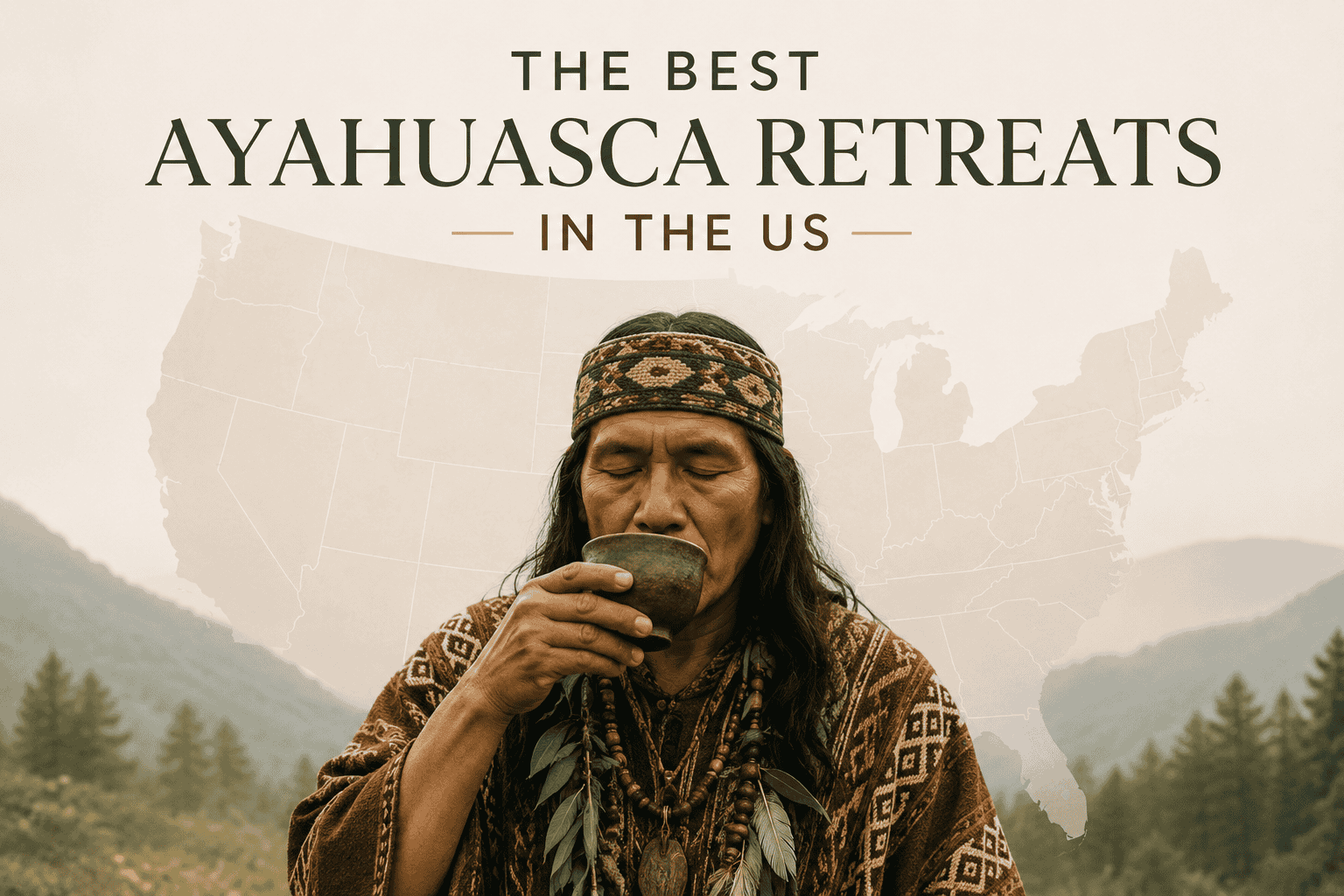
Ayahuasca retreats in USA attract seekers looking for deep healing and spiritual discovery, yet navigating legality, authenticity, and safety is anything but straightforward. A typical retreat involves guided ceremonial use of the ayahuasca brew—an Amazonian plant mixture—in a group setting, aiming to foster emotional breakthroughs, community support, and lasting transformation. Only a few Ayahuasca retreats in USA operate openly, and most remain in a legal gray area, so understanding where ceremonies are held, what to expect, and how to choose a retreat is essential before taking the plunge.
Direct answer: Ayahuasca retreats in the USA are typically multi-day spiritual gatherings centered around the ceremonial use of a traditional Amazonian plant brew, but due to complex legal restrictions, only a small number are held by churches with federal protections, while the majority operate underground or in legal gray zones, making careful selection and preparation critical for safety and authenticity.
If you’re comparing different transformational experiences, you may also want to read our comparison:
Ayahuasca vs Psilocybin: What Science Says Is Best For You
Ayahuasca vs Ibogaine: Key Differences & Side Effects
Ayahuasca vs Peyote: 10 Proven Facts and Unique Experiences
What Is an Ayahuasca Retreat?
An ayahuasca retreat involves drinking a psychoactive brew made from Amazonian plants—usually Banisteriopsis caapi (the “vine”) and Psychotria viridis (the “chacruna” leaf) or related species—under the guidance of a facilitator or shaman, often within a structured, multi-day group setting. While the image on social media often conjures up tales of vivid visions and radical revelations, in practice, these retreats blend ancient tradition, ritual, music, and intentional guidance into a controlled experience that aims to help participants process trauma, understand themselves on a deeper level, and sometimes find relief from depression or addiction.
Picture guests quietly preparing around a fire, or settling onto mats as ceremonial music—called icaros in Shipibo tradition—starts. The ayahuasca brew’s bitter, earthy taste lingers, and for the next few hours, participants often “travel” inward: visions, memories, and emotions arrive in waves. Skilled facilitators stay with the group, offering support through physical discomfort, emotional surfacing, or confusion, ensuring everyone stays safe.
These gatherings can vary widely in form. Some are held in spiritual centers, while others operate out of private homes, rented lodges, or nature retreats. Community meals, preparation workshops, sharing circles, and post-retreat integration support are all common additions, aiming to keep the transformative effects going long after the ceremony itself is over. The sense of belonging can be profound; many say the real magic comes not from the brew but from the mutual understanding and support found in these small, intentional communities.
You can also find legal Psilocybin Retreats in the USA.
Legality of Ayahuasca Retreats in the USA
Now for the “nuts and bolts” question: Is an ayahuasca retreat legal in the US? The answer, unsurprisingly, is tangled. The heart of the problem lies with DMT—the primary psychoactive ingredient in ayahuasca—which is classified as a Schedule I controlled substance by the federal government. In short, DMT is grouped with drugs considered to have high abuse potential and “no currently accepted medical use”. Possession, distribution, or consumption carries harsh penalties under federal law, regardless of state perspectives.[1]
The only major exception is carved out for a handful of religious organizations, such as the União do Vegetal (UDV) and Santo Daime churches, thanks to legal battles in the early 2000s. These groups won the right—under the Religious Freedom Restoration Act (RFRA)—to use ayahuasca as a sacrament in bona fide religious rituals. Even then, exemptions are narrow and heavily regulated, and the DEA rarely issues new permissions now.[1,2]
Several cities (Oakland, Santa Cruz, San Francisco) and the state of Colorado have decriminalized ayahuasca use in recent years, meaning local police are instructed not to prioritize enforcement. However, federal law still overrides, so this doesn’t open the floodgates for mainstream, public-facing retreats. Most underground ceremonies operate under a constant risk of legal consequences, shutting down or moving locations frequently.
The bottom line? While a Google search for “ayahuasca retreats in the USA” produces plenty of results, only a select group of explicitly religious organizations conduct legal ceremonies. Anyone seeking a retreat in America must grasp that the majority of operations function in a legal gray zone, with all the uncertainty—and lack of regulation, oversight, or consumer protection—that comes with it.[1,3]
How Ayahuasca Retreats Work in the United States
The average ayahuasca retreat USA locations provide follows a multi-layered template shaped by both Amazonian tradition and Western adaptations. Length and structure can range from a single overnight gathering to full week-long immersions, often over a weekend or retreat-format (Friday to Sunday or Monday).
- Preparation: Most credible retreats begin long before the first cup is served. Attendees receive dietary guidance—avoiding certain foods and medications (especially SSRIs and blood pressure drugs, due to dangerous interactions)—plus resources for mental and emotional readiness.[1,4]
- Ceremony: Nighttime rituals are typical. The ceremony leader (sometimes called a shaman or facilitator) oversees a group that gathers in a circle. The session begins with prayers or intention setting, sometimes music, then participants drink a carefully measured dose of ayahuasca. Over the next several hours, facilitators monitor safety and help guide the psychospiritual process.
- Integration: After-effects can linger for days or weeks. Leading retreats provide group and one-on-one integration support—sharing circles, coaching, or counseling—to help participants process insights and avoid post-retreat confusion.[1]
- Community: Many retreats highlight the creation of a supportive container, focusing as much on mutual respect, safety, and belonging as the ceremony itself. It’s not uncommon for these groups to become ongoing networks of support.
The practical experience is tailored to US constraints. Most facilitators operate with small groups (8–20 people is common), often in homes, cabins, or natural settings far from urban scrutiny. Some events are explicitly framed as religious services to strengthen their legal standing. Occasionally, all-night or multi-night ceremonies are paired with pre- and post-retreat workshops or additional healing modalities (breathwork, movement, sound healing, and so on).
Importantly, participants are expected to share responsibility for both their own safety and that of the community. While some retreats provide robust medical screening and on-call professionals, others may lack experienced staff. The difference in quality—from preparation to risk management—can be vast.
Benefits and Risks of Participating in an Ayahuasca Retreat
Ayahuasca’s reputation swings between miraculous and controversial for a reason. On one hand, decades of Indigenous Amazonian wisdom—and now a growing stack of Western research—point to major potential: breakthroughs in trauma healing, relief from depression or addiction, spiritual growth, or even the simple gift of feeling part of something larger than oneself.[4,5]
- Benefits:
- Psychological transformation—heightened self-awareness and emotional processing.
- Psychedelic-assisted therapy benefits, including for PTSD, addiction, and treatment-resistant depression.[4]
- Sustained improvements in mindfulness, mood, social connection, and creativity.[4,5]
- Deepened sense of spiritual purpose or belonging (“feeling at home in the universe,” as some say).
Yet, it’s not just a “light and love” affair. Recent accounts—some harrowing—paint a nuanced picture. Risks are real: physical side effects (nausea, vomiting, high blood pressure, seizures), psychiatric reactions (paranoia, anxiety, or even psychosis), and potentially life-threatening interactions with prescription drugs top the list.[1]
- Key risks:
- Interactions with SSRIs and MAOIs that can trigger dangerous serotonin syndrome.
- Unsafe environments, missing medical oversight, or unscrupulous facilitators.
- Legal threats, including arrest or prosecution for illegal possession or distribution.
- Emotional destabilization—some find themselves struggling with challenging after-effects for weeks (“integration hell,” as it’s sometimes called).
The U.S. context adds extra complexity. An alarming number of US-based retreats lack experienced shamans or proper medical screening. High-profile tragedies, like the Soul Quest wrongful death case, show just how much is at stake when safety protocols are ignored.[1,6] That’s why so many in the ayahuasca community stress: choose wisely, ask questions, trust your gut, and remember—this isn’t a quick fix, but a powerful, sometimes unpredictable process with far-reaching consequences.
Criteria for Choosing the Best Ayahuasca Retreats in USA
Not all ayahuasca retreats USA offers are created equal. With the surge in interest has come, frankly, a mess of new providers—some devoted and genuine, others opportunistic or simply unprepared. So, how do you separate the wheat from the chaff? Look for these characteristics:
- Legal transparency: Is the retreat affiliated with a recognized religious group with a publicly documented exemption? Beware of organizations that can’t or won’t explain their legal basis.[1,2]
- Traditional lineage: Does the ceremony leader have proven experience (ideally years of apprenticeship with authentic Amazonian shamans, not just a quick “spiritual coaching” certificate)?[1,4]
- Safety protocols: Is there pre-screening for health risks? Are medical personnel present? Does the retreat provide robust guidelines on medication, diet, and emergency support?
- Integration support: Are there dedicated sessions to help digest the experience—before and after? Community circles, therapist referrals, or post-retreat check-ins are ideal.
- Participant reviews: Authentic testimonials can reveal a lot. Look for consistent themes—support, safety, depth, and honest handling of difficulties—rather than only glowing endorsements.[2,4]
- Transparency about the brew: Is the origin and preparation method of ayahuasca explained? What plants are used, and by whom?
- Value alignment: Does the group’s philosophy resonate? Some lean heavily into “new age” or Christian symbolism, while others aim for “Amazonian purism.”
Genuine retreats invite questions, set clear expectations, and never promise miracle cures. If you feel pressured to book fast, or encounter secrecy around safety procedures or costs—consider it a red flag.
Complete List of the Best Ayahuasca Retreats in USA
While the landscape is always shifting—retreats open, close, or relocate due to regulatory pressure—a handful of ayahuasca retreats inside USA have established a reputation for care, integrity, and, where possible, legal clarity. Here’s a rundown of key names and locations for 2026, drawn from public reports and community feedback.[3,7]
Top Ayahuasca Retreat Locations in the USA
| Retreat | Location | Best For | Key Features | Approx. Cost |
|---|---|---|---|---|
| Ayahuasca Retreat in Florida | Florida | Safe, supportive guided ceremonies | Group setting, compassionate staff, integration support | $850–$900 for 3 days, 2 nights |
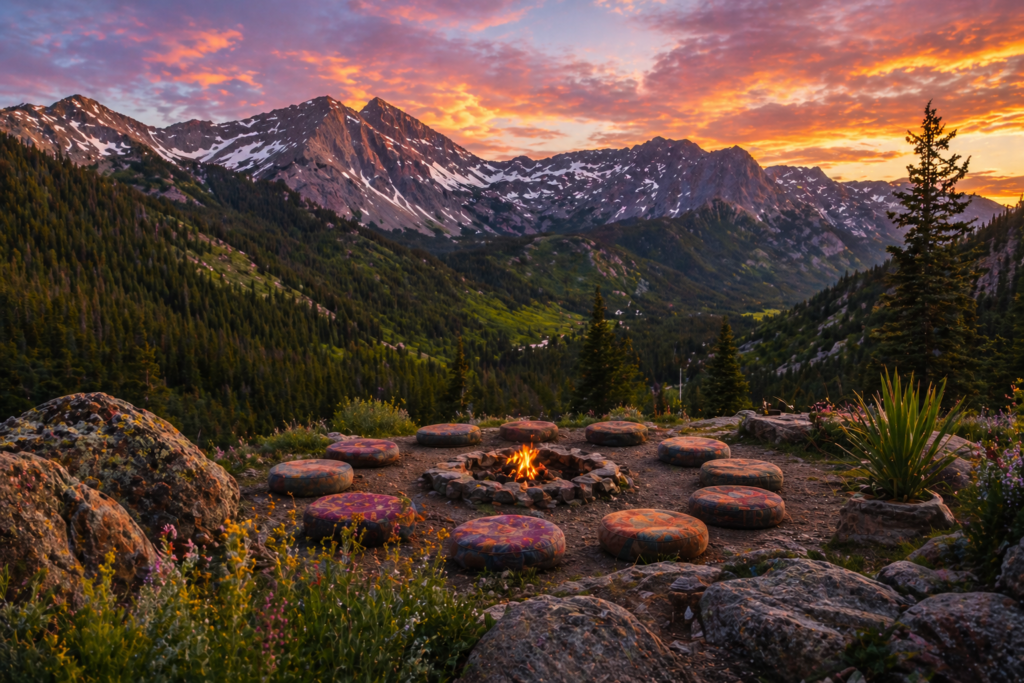
| Ayahuasca Retreat in Colorado | Colorado | Seasonal, nature-based ceremonies | Rooted in Shipibo tradition, trauma-informed, small groups | Tiered pricing ($, scholarships possible) |
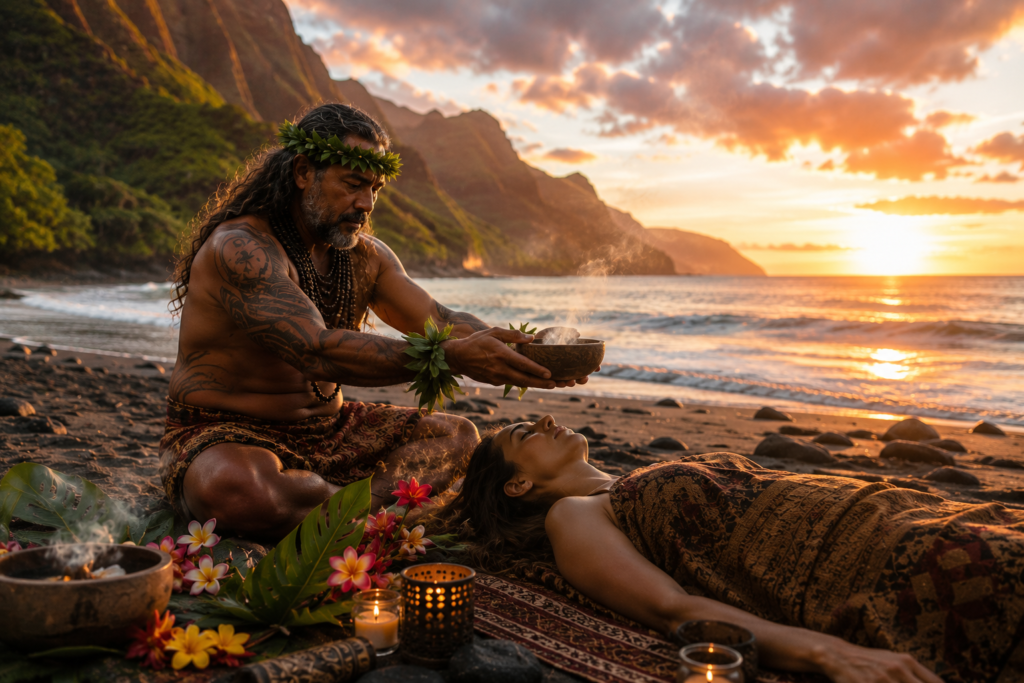
| Ayahuasca Retreat in Hawaii | Hawaii | Religious ceremony (church model) | Community experience, large groups, integration circles | $650–$1,000 per weekend |
| Ayahuasca Retreat in Arizona | Arizona | Budget option, church membership required | No meals or therapy; DIY-style | $400–$600 (editor-verified) |
| Ayahuasca Retreat in Oregon | Oregon | Respectful, donation-based model | Non-profit, LGBTQ+ friendly, transparent practices | Donation or sliding scale |
| Origen Sagrada | California | Brazilian-style, 5-day retreats | Traditional songs, vibrant group atmosphere | By inquiry |
| The Sanctuary Shamanic Healing Center | New York | Integration with alternative healing | Shamanic healing, workshops, weekend or longer | Varies |
Each retreat listed above operates under its own unique framework—some within explicit legal protection, others not. Notably, many prominent Shipibo or Amazonian-style retreats encourage U.S. visitors to travel to Peru, Mexico, or Costa Rica, where regulations are more favorable and practitioner experience deeper.
Ayahuasca Retreats by State or Region
- Florida: Pachamama Sanctuary runs well-regarded ceremonies here.
- Hawaii: Holds seasonal circles, sometimes with scholarship options.
- California: Origen Sagrada and occasional Gaia Rhythm retreats draw West Coast participants.
- Texas: Two Birds Church, a non-profit, holds regular events with a focus on community values.
- New York: The Sanctuary Shamanic Healing Center offers integrated healing programs that sometimes include ayahuasca ceremonies.
- Oregon: With a long-running presence, now under evolving leadership since its founder’s passing.
- Colorado: Though Colorado has decriminalized ayahuasca at the state level, legal retreats remain rare due to ongoing federal prohibition.[3]
- Arizona: Various localities see occasional pop-up ceremonies, most outside explicit legal protection.
Ayahuasca Retreats Offering Legal Ceremonies
Strictly legal ayahuasca retreat USA locations are few and tightly defined by religious affiliation. The only publicly accessible groups with documented, ongoing legal exemptions as of 2026 include:
- União do Vegetal (UDV): Branches in New Mexico and other states, with centuries-old Amazonian lineage and explicit Supreme Court protection.[2]
- Santo Daime Church: Operates ceremonies in various states (notably Oregon and California); legal under RFRA in some areas, focused on Christian-Amazonian syncretism.[2]
Prospective participants need to understand that these legal retreats require sincere participation in the religious beliefs and practices of the group. Attendance is usually limited to approved members, with set doctrines and codes of conduct.
Ayahuasca Ceremony Experience in the USA
While the mystical imagery of ayahuasca’s Amazonian jungle origins may be what’s shown on Instagram, the USA experience is shaped by practicalities and cultural blending. Ceremonies often take place in private homes, rented lodges, or retreat centers—imagine a circle of mats, soft ambient lighting, gentle incense, and a background hum of anticipation.
Each ceremony begins with intention-setting, sometimes led by indigenous music (icaros) or drums. The psychoactive effects set in within 20 to 60 minutes of drinking—commonly described as a “deep inner journey” marked by vivid mental imagery, emotional release, and in some cases, physical purging (nausea or vomiting, euphemistically called “the purge”). Some report the sensation of energetic cleansing, others experience unsettling memories or ecstatic revelations.
Skilled facilitators (or at least the best ones) help everyone navigate the unpredictable—offering reassurance, water, or reminders to focus on their breath. It’s often said “no two ceremonies are ever the same”—people may hear singing, feel buzzing energy through their bodies, or weep cathartically while holding a stranger’s hand.
The communal, often raw emotional energy has been described by participants as “healing in action.” After the peak, the group may gather to share reflections, eat simple food, and rest. Honest moments of vulnerability—confiding fears, regrets, and hopes—can shape bonds that last long after the ceremony fades.
That said, risks remain real, especially at under-supervised events. The best retreats create a safety net—clear emergency plans, monitoring, calm leadership, and respect for cultural tradition and personal boundaries.[1,4]
For broader locations of ayahuasca retreat experiences, you can also explore our guides:
Best Ayahuasca Retreats Costa Rica: Top 7 Places To Try Now
Top Ayahuasca Retreats in Thailand: Best Direct Offer (2026)
10 Best Ayahuasca Retreats in Peru (Simple & Secure)
9+ Best Ayahuasca Retreats in Europe: High Quality Options
Cost and Accessibility of USA Ayahuasca Retreats
As of 2026, finding an ayahuasca retreat USA location within a reasonable drive remains challenging, even as demand rises. The price tag? Considerable, though not always an indicator of quality.[1,7]
| Retreat Type | Duration | Typical Price (USD) |
|---|---|---|
| Weekend Group Retreats | 2–3 days | $650–$1,000 |
| Week-Long Retreats | 6–7 days | $1,200–$2,500 |
| Private Ceremonies/Custom | On request | Often $2,000+ |
| Scholarship/Low Income | Varies | $250–$500 (rare, limited spots) |
Prices can climb much higher at luxury or “bespoke” retreats, but sky-high cost doesn’t always guarantee a safe or authentic experience. Always ask what’s included—some packages skip meals, integration, or medical emergency planning. Scholarships and sliding scales exist at certain community-focused centers, though competition for these spots is fierce.[4]
If the cost and risk of participating stateside seem daunting, it’s worth noting that many U.S. seekers ultimately travel abroad, especially to Peru, Mexico, or Costa Rica, for more legally protected, medically supervised options. For those who do stay within US borders, proximity, discretion, and personal recommendations often determine access.
If you’re budgeting for a retreat experience, you may also want to explore our pricing guide: Ayahuasca Retreat Cost 2026: Guaranteed & Secure Pricing
FAQ: Ayahuasca Retreats in USA
How much is an ayahuasca retreat in the USA?
Most ayahuasca retreats in the USA cost between $650 and $1,000 for a standard weekend experience. Week-long immersions can range from $1,200 to $2,500, depending on the location, amenities, and whether medical or integration support is included.[7] Some community organizations and churches offer sliding scales, scholarships, or donation-based participation. Beware of prices that seem “too good to be true”—safety and experienced guidance require robust resources.
Where is ayahuasca legal in the US?
Ayahuasca is federally illegal throughout the United States due to DMT’s Schedule I status. Exceptions exist only for a handful of religious organizations, such as UDV and Santo Daime, which operate legally in New Mexico, Oregon, California, and select other states, under Supreme Court protection or RFRA exemptions.[1,2] A few localities (like Colorado and Oakland, CA) have decriminalized ayahuasca, meaning enforcement is deprioritized, but federal prohibition still applies.
How long does ayahuasca last in the USA?
The psychoactive effects of ayahuasca typically last 4 to 6 hours per ceremony, with the most intense visions and emotional shifts peaking within 2 to 3 hours after ingestion.[1] However, people often report the emotional, psychological, and even spiritual after-effects moving through their daily lives for days or weeks. Integration support after the ceremony is widely considered essential for lasting benefit.
What gets you high in ayahuasca?
The key compound behind ayahuasca’s psychedelic effects is DMT (dimethyltryptamine), a powerful molecule found in the leaves of Psychotria viridis or similar plants blended into the brew. MAO inhibitors in the Banisteriopsis caapi vine make the DMT orally active, allowing intense visual, emotional, and cognitive shifts—what many call a “journey” or “vision quest.”[1]
Conclusion: How to Choose the Right Ayahuasca Retreat in USA
The world of ayahuasca retreats in the USA is an intricate mix of possibility, promise, and real complexity. Scanning the options, one thing becomes clear—there’s no shortcut to finding a safe, meaningful, and authentic experience. The wisest path is slow, deliberate, and rooted in personal research, dialogue, and careful listening to both your intuition and the stories of those who’ve gone before.
For most people, the journey to a reputable retreat starts with honesty—about your health, motivations, desired outcomes, and limits. “Jump in with eyes open,” as one experienced participant put it. Legal risks, safety protocols, facilitator background, and integration plans are all key points to pin down in advance. Ask questions, seek out references, and don’t be swayed by grand promises or mystique alone.
And yes, the landscape may shift yet again—legal reforms, community growth, and new research are all on the horizon. The best advice: let curiosity and respect guide every step.
Recommendations for First-Timers
- Prioritize safety and authenticity over convenience—a short trip is never worth risking health or freedom.
- Speak openly about any medical conditions or medications to screen out serious risks.
- Set intentions for the experience, but let go of expectations—ayahuasca rarely gives what you “want,” but often what you “need.”
- Commit to post-retreat integration—share your story with trusted people and stay connected with your retreat community.
Next Steps for Booking and Preparation
- Identify legal or well-reviewed USA ayahuasca retreats—ask about religious status and compliance.
- Confirm facilitator experience and medical safety protocols—including robust health screening before attendance.
- Clarify costs, inclusions (meals, integration support), and group size so nothing surprises you on arrival.
- Prepare physically and mentally—follow dietary restrictions, abstain from contraindicated medications, and tune in to your intentions.
- Show up with humility and respect—for the tradition, the group, and your own process.
For those willing to do the homework, the right retreat—whether within the USA or abroad—remains a powerful platform for inner growth and connection. The journey isn’t for everyone, and it isn’t always easy, but for many, it’s been described as “the start of a truly new chapter.” If you’re considering joining an ayahuasca retreat in the USA soon, use this information to move forward thoughtfully, courageously, and safely.
For those who want to continue the path: look up each retreat, reach out to the communities, check for recent participant reviews, and stay updated as legal circumstances evolve. The world of ayahuasca retreats in the United States is still unfolding—and those who approach it with care will shape what it becomes next.
References
- Arkana International. Ayahuasca Retreats in the US: 2026 Safety Guide. https://www.arkanainternational.com/resources/ayahuasca-retreats-in-the-us. Accessed May 11, 2026.
- APL Shamanic Journeys. Ayahuasca Retreat USA: The Best 2026 Ceremonies in and Near America. https://www.apljourneys.com/ayahuasca-retreats-usa. Accessed May 11, 2026.
- Sanctuary Tulum. Ayahuasca Retreats USA | Legal Ayahuasca Retreat USA. https://www.sanctuarytulum.com/blog/ayahuasca-retreats-usa/. Accessed May 11, 2026.
- Gaian Rhythm. Ayahuasca Retreats USA. https://www.gaianrhythm.com/ayahuascaretreats. Accessed May 11, 2026.
- Sanctuary Tulum. 10 Health Benefits of Ayahuasca You Should Know. https://www.sanctuarytulum.com/blog/ayahuasca-retreats-usa/. Accessed May 11, 2026.
- Pachamama Sanctuary. Best Ayahuasca Retreat in USA. https://pachamamasanctuary.org. Accessed May 11, 2026.
- APL Shamanic Journeys. Costs and Options. https://www.apljourneys.com/ayahuasca-retreats-usa. Accessed May 11, 2026.

 Your personalized retreat result