

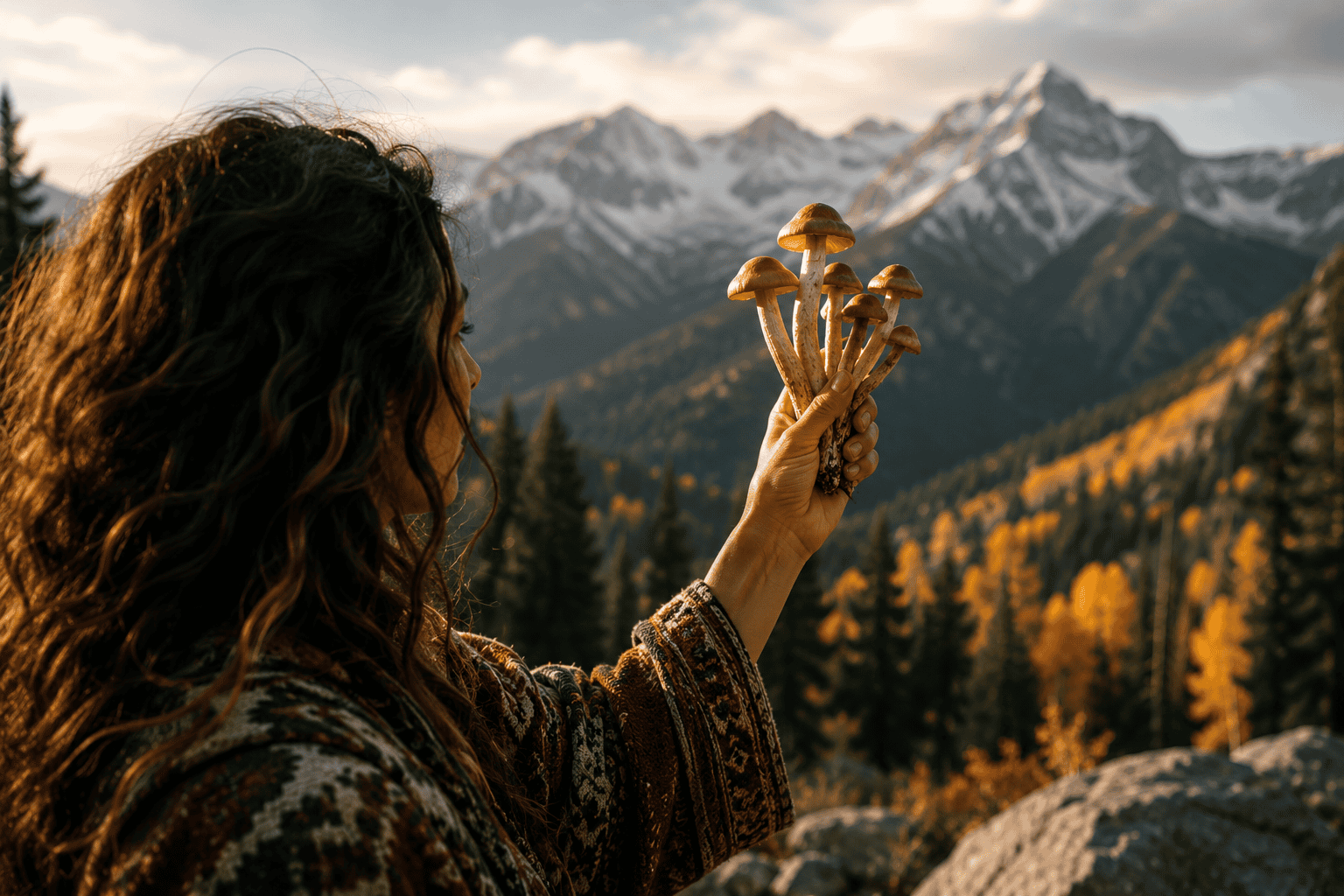
Psilocybin therapy in Colorado blends ancient wisdom with modern science, offering hope for those seeking a fresh approach to mental wellness. The state now leads the nation in regulated access to psilocybin-assisted therapy, in which trained guides help people navigate intense experiences, foster healing, and anchor insights into daily life. Sessions in therapy-approved centers focus on preparation, guided administration, and structured integration. Over the last year, real progress has begun to show in Colorado’s therapeutic landscape.
Direct answer: Psilocybin therapy in Colorado involves legal, guided sessions with trained facilitators using psilocybin mushrooms, supported by careful screening, preparation, administration, and integration. Colorado law currently permits regulated psilocybin-assisted therapy at approved centers, making it one of the few US states offering this level of access.
Understanding Psilocybin Therapy in Colorado
Psilocybin therapy is often described as walking through a door that few even realized was there—one that leads out of habitual thinking and into deeper mental clarity. In Colorado, psilocybin therapy has moved from the fringes to the mainstream rather quickly, due to a unique combination of voter will, evolving scientific perspectives, and truly earnest demand from communities looking for real solutions.
At its heart, psilocybin therapy in Colorado uses the psychoactive compound found in certain mushrooms (commonly called “magic mushrooms”) paired with structured psychological support. The purpose isn’t just to chase novelty, but to spark meaningful shifts in conditions like depression, anxiety, and trauma-related challenges. You’ll hear people describe these sessions as “intense, but deeply meaningful”—and not just in passing moments, but in ripples that carry forward into relationships and self-understanding.
What sets psilocybin therapy in Colorado apart? Here, the process is real-world, with trained guides by your side and safety, legality, and intention woven into every phase. This isn’t recreational use—it’s about honest healing, guided self-inquiry, and life-changing insight, all in compliance with newly formed state regulations.
Legal Status of Psilocybin Therapy in Colorado
Here’s where things get interesting. Colorado made history when voters approved Proposition 122, which legalized regulated psilocybin-assisted therapy for adults. As a result, qualifying individuals now have legal access to therapy with psilocybin mushrooms under the Natural Medicine Health Act. But don’t mistake this for free-for-all access: only trained and licensed facilitators can administer psilocybin in authorized therapy centers, and everything works under a tightly controlled framework set by the state’s new Natural Medicine Program.
Psilocybin therapy in Colorado is structured around rigorous screening, professional guidance, and regulated dosing—no over-the-counter dispensaries or at-home treatments. The state does not permit selling psilocybin mushrooms in retail environments, nor does it allow home cultivation for therapeutic use. Instead, therapy is reserved for curated, officially approved centers with licensed professionals. Colorado is one of only a handful of states to take this step, putting it at the leading edge of regulated psychedelic care for mental health.
Although state law has shifted, federal law still considers psilocybin a controlled substance, so it’s crucial to remain within the approved state framework. Those interested in therapy must follow Colorado’s specific pathways, enroll through licensed centers, and participate in guided sessions—walk-ins or do-it-yourself options remain strictly off-limits.
How Psilocybin-Assisted Therapy Works
There’s an art—and a science—to getting psilocybin therapy right. The process is rarely a one-off event; instead, it unfolds in careful, staged phases designed to support both safety and lasting change. Here’s how the real-world experience typically unfolds:
- Initial Screening: Prospective clients fill out an interest form or attend an assessment to gauge suitability, mental health history, and possible medical contraindications.
- Preparation Sessions: Before anyone sees a mushroom, they work with a therapist or guide to establish intentions, clarify expectations, and build psychological readiness. This stage is about trust and safety as much as planning.
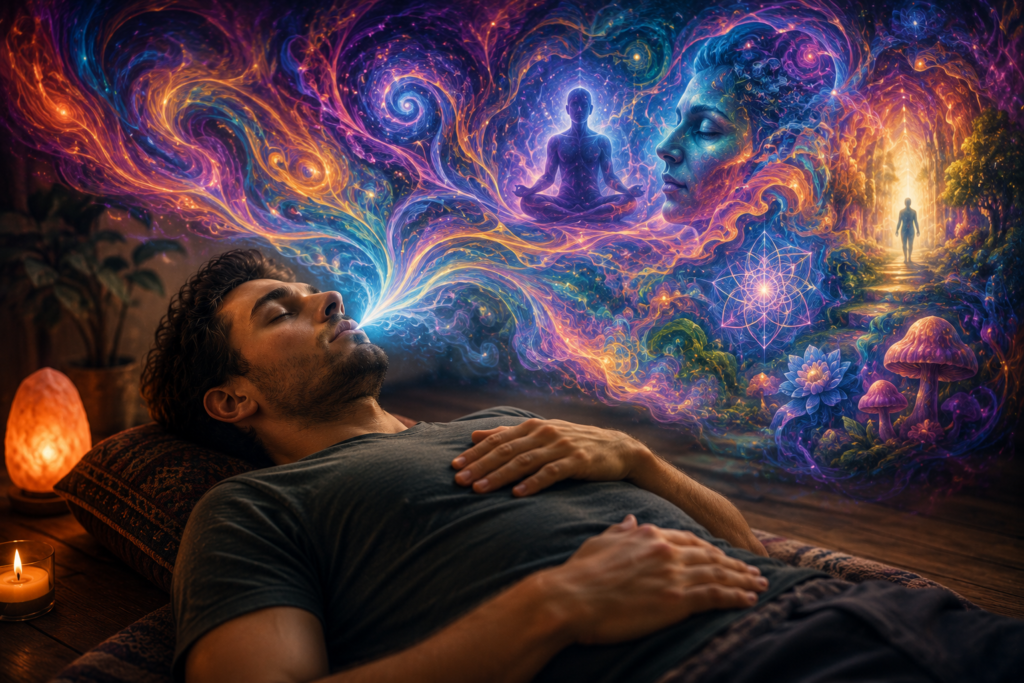
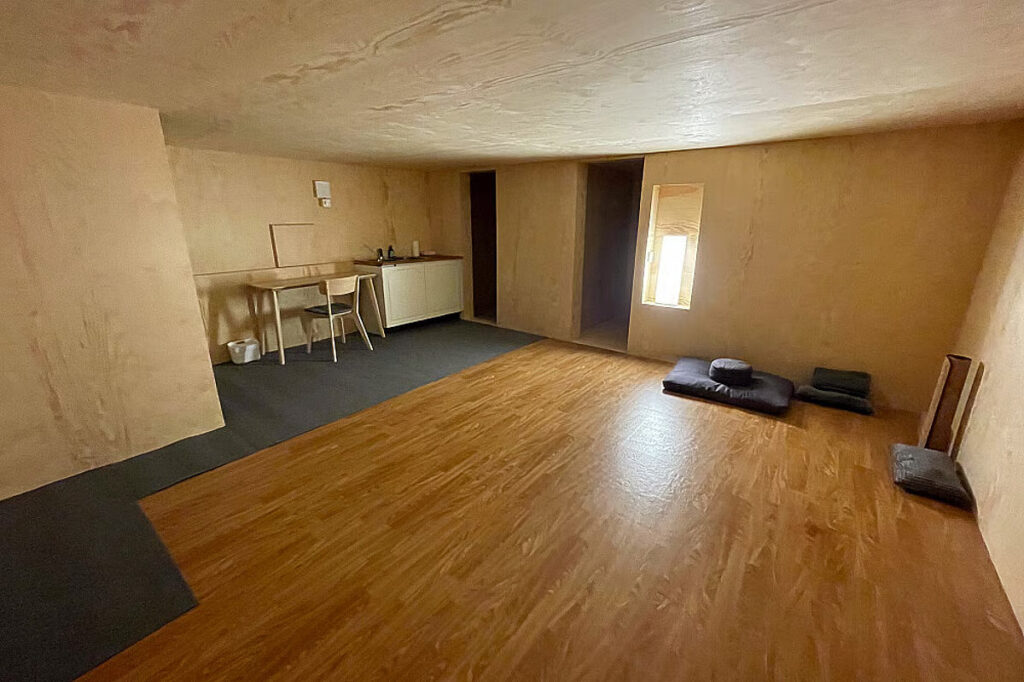
- Administration / Session Day: On a scheduled day, the client consumes a measured dose of psilocybin under supervision. The experience—often lasting 6 to 8 hours—takes place in a controlled environment, often with relaxing sensory cues and supportive presence from experienced facilitators.
- Integration: Perhaps the most important piece, structured integration sessions help participants make sense of what they’ve experienced, anchoring insights and challenging moments into their ongoing therapy or wellness practices.
- Follow-Up: Many centers recommend ongoing integration support, recognizing that real transformation rarely begins and ends in a single afternoon. The ripple effect unfolds in the weeks and months that follow.
Preparation and integration matter as much—often more—than the psilocybin session itself. As guides and researchers in Colorado note, “it’s a tool, not a cure.” The real magic lies in the honest work people do before, during, and after the experience. That’s where the potential for sturdy, authentic change reveals itself.
Criteria for Choosing a Psilocybin Therapy Center in Colorado
With colorado therapy psilocybin options expanding, people face a real question: what separates a truly reputable center from the rest? Not all providers approach psilocybin-assisted therapy in quite the same way, so the upfront selection process matters almost as much as the session itself. Consider these factors:
- Licensing and Compliance: Only centers registered under Colorado’s Natural Medicine Program can legally provide therapy with psilocybin. Ensure any provider is state-sanctioned and up-to-date on regulations.
- Qualified Facilitators: Look for therapists or guides with specialized training in both mental health and psychedelic support. Many centers list staff credentials and offer introductory calls.
- Screening and Preparation: Reputable centers don’t cut corners on preparation—they invest in real conversations, careful assessment, and honest dialogue before ever scheduling a session.
- Safety Protocols: Always ask about emergency preparedness, monitoring during sessions, and plans to support challenging experiences (“bad trips” rarely last in a supportive setting, but preparation is key).
- Integration Support: Lasting gains require skilled integration. Choose a center offering multiple post-session conversations—think of these as “on-ramps back to daily life.”
- Personal Fit and Philosophy: Some centers lean on clinical psychology, while others integrate somatic, spiritual, or holistic methods. Trust personal resonance here.
Reputation, transparency, and a focus on client agency provide useful touchstones. Many people find a brief exploratory call helps demystify the process and reveals a center’s values in action. Ultimately, trust and clarity go hand-in-hand in this very human branch of healing.
Top 7 Psilocybin Therapy Centers in Colorado
Colorado now hosts a small but growing ecosystem of centers dedicated to psilocybin-assisted therapy. These seven stand out for safety, thoughtful practice, and integration-focused care—each with its own character and methodology. Here’s what to know (all centers listed are editor-verified, time-stamped as of 2026):
Center 1: Overview, Services, and Location
Reflective Healing in Fort Collins presents one of the most established psilocybin therapy center experiences in northern Colorado. Their approach revolves around thorough screening, several preparatory meetings, a full-day administration session, and robust post-session integration. Clients are welcomed into a micro-healing environment—not a clinical hospital, but a cozy, safe space blending comfort and professionalism. Services extend to out-of-state clients (so long as state residency requirements are met during sessions). The forthright, transparent team also trains future facilitators, building community expertise with steady hands[2].
Center 2: Overview, Services, and Location
Emergence Psychedelic Therapy, based in Boulder, leans into Colorado’s legacy as a natural healing hub. Their micro-healing center specializes in individual and small group sessions, prioritizing mindfulness and scientific rigor equally. Preparation includes intention-setting and trauma-informed assessment. Session days combine sensory cues—soft lighting, curated music, attentive staff—with clear protocols for monitoring and comfort[3]. Boulder’s central location makes this center accessible for both locals and those traveling from Denver or further afield.
Center 3: Overview, Services, and Location
Mile High Mental Health has carved out a niche in Denver by marrying traditional psychotherapy with psychedelic modalities. While their primary offerings focus on ketamine, as state regulations expand, they have begun to incorporate psilocybin-assisted therapy for qualifying clients. Their expert mental health staff bring depth to the preparation and integration phases, ensuring participants gain real benefit beyond the acute psychedelic experience. Sessions run in a secure, licensed setting near downtown Denver, with easy access for city residents[5].
Center 4: Overview, Services, and Location
Elemental Psychedelics offers an education-forward approach from Colorado Springs, known for training facilitators and delivering methodical preparation. They work closely with each client to assess fit, set safe expectations, and ensure ongoing integration support. This center puts community and connection first, fostering collaborative healing among local practitioners. Sessions are held in a purpose-built retreat environment, balancing privacy and connection, and offering group or solo options based on client needs.
Center 5: Overview, Services, and Location
Alchemy Healing Collective, newly licensed in 2026 in the western slope region near Grand Junction, brings a blend of Indigenous-informed tradition and clinical supervision to psilocybin sessions. They’re known for longer retreat-style programs (multi-day, often including wellness practices like yoga or nature immersion along with psychedelic work). Here, preparation is particularly individualized, and integration is extended over weeks to maximize lasting benefit.
Center 6: Overview, Services, and Location
Compass Path Colorado in the Boulder-Denver corridor brings clinical trial experience to public therapy, working with a network of psychotherapists specializing in anxiety and depression. Their protocol follows detailed, research-backed models: initial consults, psychometric testing, coordinated session days, and integration conducted by licensed therapists. Sessions take place in well-appointed private therapy spaces, overseen by physicians and therapists with backgrounds in both psychiatry and somatic healing.
Center 7: Overview, Services, and Location
Journey Within Retreats Colorado operates on private property near Estes Park, creating a calm, nature-rich environment for group psilocybin retreats. These programs, focused on adults seeking spiritual and emotional breakthroughs, often include group integration circles, guided outdoor walks, and structured creative processes. Safety, confidentiality, and deep respect for each participant’s process set the tone—resulting in “aha moments” that many participants say resonate long after the weekend ends.
Guided Psilocybin Therapy and Psychedelic Retreats in Colorado
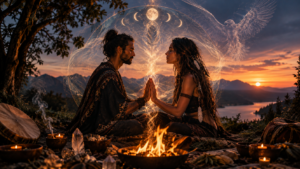
Not every psilocybin therapy colorado experience happens in a traditional clinic. Retreat-style programs and guided community sessions have gained traction as more people look for immersive, supportive environments. What sets guided psychedelic therapy and retreats apart is their focus on the full spectrum of healing—before, during, and after the session, with group support and shared reflection as key ingredients.
Colorado’s retreats—often held in serene, natural landscapes—offer a container for deep psychological exploration that can’t be matched by rushed, clinical approaches. With days set aside for both preparation and integration, and an emphasis on well-being (often including yoga, mindfulness training, and nutritious meals), these programs draw seekers from far beyond state lines.
The key difference? In retreats, you’re rarely alone—shared stories, communal integration, and honest dialogue shape an experience that often feels more like a homecoming than a medical appointment.
What to Expect from Psilocybin Retreats
- Screening and Intake: Attendees usually complete in-depth screening forms and interviews to match them with the right program and guide.
- Group Preparation: Facilitators lead group discussions, intention-setting exercises, and practical guidance on what to expect (including what to bring, wear, and how to approach the session).
- Guided Session: Participants receive psilocybin in a safe, comfortable environment, often as part of a small group. Music, breathwork, and nature walks may support the journey. The setting often feels like “a living room in the woods”—safe, welcoming, familiar.
- Integration Circles: Post-session, small group sharing and one-on-one meetings help anchor insights and manage challenges.
Sensory detail becomes part of the experience—gentle music, sunlight filtering through aspen leaves, quiet conversations around a shared table. The goal is to help people land softly and start weaving new insights into their daily routines.
Safety and Integration in Guided Sessions
Safety isn’t just about physical health, but emotional steadiness too. Retreat and therapy center staff in colorado therapy psilocybin settings are trained to recognize when intervention is needed, and most programs build in 24/7 support during key phases. Challenging moments—sometimes called “bad trips”—are reframed as opportunities, guided by calm, reassuring presence and practical tools (grounding exercises, music, touchstones from home).
The integration phase can last weeks, sometimes months. Some centers offer themed follow-ups online, or invite people back for in-person re-integration events. This commitment to aftercare reflects an emerging consensus: the most profound changes unfold gradually, helped along by support, patience, and a good deal of honest conversation.
If you are considering working with Ayahuasca, expolore below different options:
Best Ayahuasca Retreats Costa Rica: Top 7 Places To Try Now
Top Ayahuasca Retreats in Thailand: Best Direct Offer (2026)
10 Best Ayahuasca Retreats in Peru (Simple & Secure)
Ayahuasca Retreats in USA – Complete 8+ of The Best Options
9+ Best Ayahuasca Retreats in Europe: High Quality Options
Comparing Psilocybin Therapy in Colorado With Other States
While Colorado stands out for regulated, legal access to psilocybin-assisted therapy, a clear-eyed look at other states reveals a patchwork of approaches. So, how does colorado psilocybin therapy stack up next to the coasts?
Psychedelic Therapy Centers in California
California’s psychedelic therapy landscape is, in a word, fragmented. While clinical research trials and ceremonial retreats flourish, state law has not yet formally legalized psilocybin-assisted therapy for the general public. Underground guides and private retreat operators abound, but legal risks remain high. Several cities have decriminalized personal mushroom use, but therapy centers must still operate either inside research loopholes or outside the law. People searching for legal, above-board psilocybin therapy often find Colorado’s regulated options more appealing.
Psychedelic Therapy in Massachusetts
Massachusetts has moved toward decriminalization in several municipalities, including Cambridge and Somerville, but statewide legal psilocybin therapy remains unavailable for most residents. Therapy is mainly confined to research trials, with little infrastructure for the type of guided, regulated care now found in Colorado. For now, Massachusetts residents must travel or participate in formal studies to access guided psilocybin sessions.
How to Find a Qualified Psilocybin Therapist or Guide in Colorado
Finding the right therapist or guide can make or break the psilocybin-assisted therapy experience. The most trusted guides combine professional mental health credentials with experience in psychedelic facilitation and a gentle, nonjudgmental approach.
- Start by searching the official Natural Medicine Program registry for licensed facilitators and therapy centers.
- Ask about facilitator backgrounds—many will have training in psychology, social work, nursing, or spiritual counseling, with additional specialized education in psychedelic therapy.
- Look for honesty and transparency around fees, preparation, and integration plans. The best guides treat screening as a two-way street, equally invested in your safety and readiness.
- Joining local support groups or attending community education nights can also put you in touch with trusted, referral-based networks.
“You want someone who listens first and promises little,” as one local guide puts it, “because the real change starts long before the mushrooms ever enter the picture.”
Frequently Asked Questions About Psilocybin Therapy in Colorado
Is psilocybin therapy legal in Colorado?
Yes. As of the implementation of Proposition 122 and the launch of the Natural Medicine Program, psilocybin therapy in Colorado is legally permitted but strictly regulated. Only approved, licensed centers and facilitators can provide guided psilocybin sessions for adults, with careful oversight and mandatory preparation and integration phases. Recreational sales and at-home therapeutic use remain illegal under state law[1].
Does Colorado have psilocybin dispensaries?
No. Colorado has not authorized dispensaries for the retail sale of psilocybin mushrooms. Therapy access is only allowed through approved, regulated centers staffed by trained professionals and overseen by the Natural Medicine Program. Dispensaries or recreational stores selling psilocybin do not exist in Colorado as of 2026[1].
What US states have legalized psilocybin?
Oregon was the first to establish a statewide legal framework for psilocybin-assisted therapy, closely followed by Colorado. Other states, including California and Massachusetts, have taken steps toward decriminalization or limited clinical access, but only Oregon and Colorado support regulated, legal therapeutic use at the state level[1].
Conclusion: Choosing Safe and Effective Psilocybin Therapy in Colorado
Colorado’s approach to psilocybin-assisted therapy reflects both scientific seriousness and a real sense of community spirit. The opportunity to engage in legal, guided sessions—with genuine support before, during, and after—marks a shift from old models of isolated experimentation to a focus on thorough, careful healing.
People looking for safe, transformative change now have real-world pathways: legal therapy centers, trained facilitators, and support networks invested in lasting outcomes. It doesn’t end with a single session—true psilocybin colorado therapy is about ongoing integration, honest dialogue, and building healthier inner worlds as part of a community.
Key Takeaways and Next Steps
- Colorado leads the nation in regulated, legal psilocybin therapy with robust screening, preparation, and integration at licensed centers.
- Choose centers with transparency, rigorous safety, and real integration support—trust and fit matter as much as the medicine itself.
- Guided sessions and retreats provide communal healing experiences, blending ancient practice with clinical standards.
- No open dispensaries exist—therapy is only available through approved, official pathways as of 2026.
- To get started, research licensed centers, ask detailed questions, and consider if preparation for this profound experience aligns with current needs. True healing builds over time, and Colorado’s psilocybin community stands ready to support each step.
For those curious about psilocybin therapy colorado, now might be the perfect moment to begin an informed, supported inquiry into what’s possible—because the future of mental health is already taking root, right here in the Rockies.
References
- Dr. Stacy Green. 6 Important Facts about Psilocybin Therapy in Colorado. https://www.drstacygreen.com/psychedelic-therapy/psilocybin-therapy/. Published December 5, 2025. Accessed May 12, 2026.
- Reflective Healing. Psilocybin Assisted Therapy in Colorado | Understanding The Aftermath Of Prop 122. https://www.reflectivehealing.com/psilocybin-assisted-therapy. Accessed May 12, 2026.
- Emergence Psychedelic Therapy. Essential Insights on Psilocybin in Colorado’s Natural Medicine Program. https://psychedelictherapyco.com/. Published November 29, 2025. Accessed May 12, 2026.
- Colorado Public Radio. We toured three psychedelic healing centers in Colorado. https://www.cpr.org/2026/02/04/tour-of-three-colorado-psychedelic-healing-centers/. Accessed May 12, 2026.
- Mile High Mental Health. Psychedelic Therapy Denver. https://milehighmentalhealth.com/psychedelic-therapy-denver/. Accessed May 12, 2026.


 Your personalized retreat result