

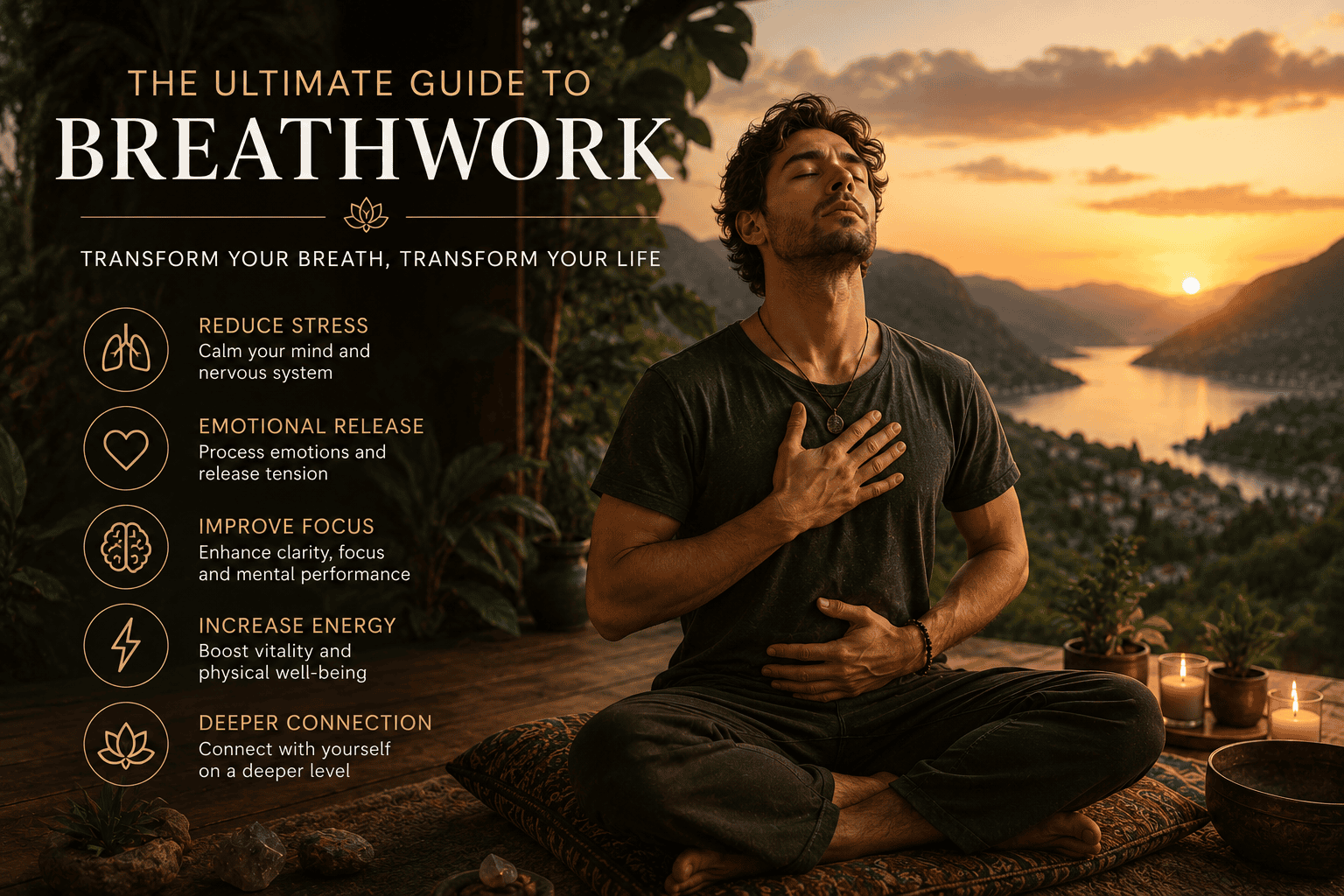
Breathwork techniques use conscious breathing methods to influence mental, emotional, and physical states, offering approaches that range from simple calming exercises to advanced breath-induced altered states. Practicing breathwork can help manage stress, process emotions, support trauma healing, and boost wellbeing for people from all walks of life. The heart of the practice lies in using the breath—something ever-present yet often overlooked—as a direct lever for real change. Most people are aware that breathing changes under stress, but few realize just how much mastering breathwork can shift the nervous system, emotions, and even perspectives.
What is Breathwork?
Breathwork is not a modern invention—far from it. Cultures around the globe developed conscious breathing techniques, often spiritual or healing in intent. Yogic pranayama in India, Taoist breathing practices in China, and shamanic breathwork in various indigenous traditions all trace their origins back centuries or more. What unites them is the belief that breath connects body, mind, and something larger—whether called spirit, energy, or simply “life force.” The test of time speaks volumes: breathwork sits at the foundation of many wisdom traditions, valued both as a daily discipline and as a door to profound transformation.[2]
What conscious breathing means
Conscious breathing means intentionally shifting attention away from automatic, background breath and actively controlling the inhale, exhale, or both. This involves paying attention to sensations like air temperature, movement through the nose or mouth, and even subtle expansion or contraction in the belly and chest. Unlike regular, subconscious breathing, conscious breathwork methods train you to modulate the speed, depth, rhythm, or pattern of the breath according to a chosen method. The result is a tangible sense of agency—breathing stops feeling like an afterthought and becomes a practical tool. People often remark that the simplest mental cue—“Notice your next five breaths”—is enough to break a spiraling thought loop.
How breathwork affects the nervous system
The science behind breathwork’s impact sits at the crossroads of physiology and psychology. The breath acts as a remote control for the autonomic nervous system, toggling between alert and relaxed states. Slow, abdominal breathing tends to shift the body toward a parasympathetic “rest-and-digest” profile: heart rate drops, blood pressure steadies, muscles unclench. Rapid or forceful breathing, on the other hand, may ramp up sympathetic “fight-or-flight” arousal—sometimes helpful, sometimes stressful. This ability to switch gears isn’t abstract theory; it’s a direct, felt experience. For many, a few minutes of box breathing before a tense meeting lowers the mental noise, calms pounding hearts, and suddenly, the day feels more manageable.[1]
Breathwork vs normal breathing
Normal breathing runs on autopilot. The body does the work, matching oxygen delivery and carbon dioxide removal to meet basic needs. The breath speeds up during effort, slows down in sleep, all without deliberate intention. Breathwork, by contrast, means stepping in as conductor. It involves choosing when to inhale, hold, exhale, or even breathe through one nostril at a time—sometimes following single patterns for minutes, sometimes engaging in complex sequences. The difference, in practical terms, is like the leap from idly humming a tune to playing an instrument on purpose. This shift from passive to active has ripple effects throughout physiology and psychology.
Why breathwork became popular again
Fast-forward to the 20th and 21st century: breathwork didn’t simply resurface—it surged. Stress, burnout, and a collective craving for more control over health pushed old practices into the spotlight. Yoga’s mainstream rise brought pranayama, while the psychedelic movement’s ebb gave birth to Westernized methods like Holotropic and Rebirthing Breathwork. Coupled with scientific studies pointing to breath’s measurable effects on anxiety, sleep, and cognitive function, breathwork captured the public imagination. As the saying goes, “When in doubt, just breathe.” And more people are taking that wisdom literally.[3]
The connection between breathing and emotions
It’s impossible to separate breath from emotion. Notice what happens after a scare—a gasp, a tight chest, breath held without thinking. Contrast that with the deep sigh of relief after passing through danger. Breath mirrors feelings, but here’s the twist: changing the breath feeds back into changing what’s felt. Anger, grief, anxiety, or calmness all come with signature breathing patterns. By shifting your breathing, you can in turn shift emotional tone—a relationship well-known in psychotherapy and trauma work.[4]
How breathwork can create altered states
For some, breathwork is about grounding and balance. For others, the aim tilts toward transformation—altered states of consciousness. Certain breathwork methods (think Holotropic, Soma, or extended circular breathing) appear to trigger dream-like states, vivid imagery, cathartic emotion, and sometimes experiences described as “spiritual” or even “psychedelic.” This is not mere hyperbole. Laboratory studies find measurable changes in brainwaves and subjective perception under these breathing regimes. The body tingles, old memories surface, and people describe strange but powerful insights. The ability to induce non-ordinary states with little more than breathwork can be both fascinating and, for some, unsettling.[5]
Sympathetic vs parasympathetic nervous system
Most breathwork techniques work their magic by shifting the balance between sympathetic (“fight or flight”) and parasympathetic (“rest and digest”) branches of the nervous system. Fast, shallow breathing triggers alertness, while slow, deep belly breathing signals safety and calm. It’s like giving the body a status update: “Are we safe? Time to relax… Or are we in danger? Better stay alert.” Many breathing methods are designed to strengthen the ability to consciously switch states—an invaluable skill for dealing with stress, racing thoughts, or overwhelming emotions.[6]
The vagus nerve and emotional regulation
Few words inspire more awe among breathwork circles than “vagus nerve.” This wandering nerve runs from brainstem to gut, carrying information both ways. Stimulating the vagus—often through slow, elongated exhalation or gentle humming—ramps up parasympathetic activity, slows the heart, and calms the mind. This deep link between breath and vagus may explain breathwork’s ability to help with emotional regulation, as the nerve’s influence touches mood, social engagement, and even inflammation. Some breathwork practitioners refer to the vagus as the “brake pedal” of anxiety.[7]
Breathwork and cortisol reduction
Cortisol—known as the body’s main stress hormone—rises in response to anxiety, threat, or chronic worry. Research suggests that certain breathing techniques, especially those emphasizing a longer exhalation, can mute the stress response and lower cortisol levels over time. The why? When the body signals “rest and digest,” stress hormones take a back seat, allowing the repair and balance functions to resume. There’s growing interest in using breathwork practices as a non-drug approach for stress-related disorders. Some even claim slower breath can indirectly shift blood chemistry, tilting the internal scale toward relaxation.[8]
Breathwork and heart rate variability (HRV)
Heart rate variability—how much time lapses between heartbeats—has become a buzzword in wellness. More variation, in the right context, means a healthier, more resilient nervous system. Breathwork exercises that involve slow, deliberate breathing appear to boost HRV, hinting at more flexible stress management and better emotional health. No tracker required: the physical sense of a calm, steady pulse is something people notice after just a few rounds of conscious breathing.
Oxygen, carbon dioxide, and blood chemistry
Breathing isn’t just about oxygen intake. The balance between oxygen and carbon dioxide drives everything from energy production to acid-base equilibrium. Hold your breath too long, CO2 rises—a cue for the brain to insist, “Time to breathe!” Hyperventilate, and CO2 drops, sometimes making people feel lightheaded or tingly. Skilled breathwork techniques walk the line, modulating these internal ratios for effects ranging from calm to alert—or even, if pushed too far, dizziness. The seriousness? Safe practice and awareness of limits are key, especially for those with medical concerns.[9]
Breath retention and nervous system adaptation
Holding the breath, or “kumbhaka” in yogic tradition, challenges the body’s tolerance for rising CO2 and falling oxygen. Over time, this can make the nervous system less jumpy, aiding focus and resilience. Regular breath retention training seems to build a buffer against stress, teaching the body to cope rather than panic. Some also credit it with sharpening discipline or increasing energy—though the research here is still evolving.[10]
Hyperventilation and physiological responses
Rapid, shallow breathing (hyperventilation) can be both a sign of anxiety and, in certain breathwork methods like Holotropic or Wim Hof, an intentional tool. These techniques promise to jolt the system, break emotional logjams, or clear out “stuck” energy. The body might tingle, hands may cramp (a phenomenon called “tetany”), and emotions could surge. It’s a double-edged sword. Used skillfully, it can catalyze healing; used recklessly, it can create real physical distress, including fainting or panic in sensitive people. Always, safety comes first, and beginners are best guided by skilled facilitators.[11]
Breathwork and trauma release science
The somatic experience of trauma is often locked right into the breath—rapid, shallow, interrupted, or rigid. Trauma-informed breathwork works by gently retraining these survival patterns, allowing the body to let go of old imprints. Although research is ongoing, preliminary studies hint at breathwork’s utility for managing PTSD, anxiety, and emotional release. This is one arena where scientific validation is still catching up with what so many practitioners witness: tears, catharsis, or deep calm arising on the mat.[12]
Brainwave states during deep breathing practices
Breathwork alters brainwave patterns just as surely as meditation or sleep. Deep, rhythmic breathing can tilt the brain toward alpha or even theta waves—states linked with creativity, insight, and deep relaxation. Practitioners sometimes report drifting into trance-like or hypnagogic awareness, complete with vivid imagery, floating sensations, or unexpected memories. The effect isn’t just mental: surveys of breathwork participants often mention feeling “spacious,” “timeless,” or “profoundly present” after sessions.[13]
Scientific studies on breathwork and mental health
While breathwork’s popularity is booming, research is catching up—but the findings are promising. Meta-analyses published in 2023 trace moderate improvements in well-being, mood, anxiety, and stress management as a result of breathwork techniques.[14] Other studies highlight benefits for sleep, PTSD symptoms, and even immune function. Skeptics point out that many trials are small or rely on self-report; still, the emerging consensus reinforces what ancient wisdom claimed all along—how you breathe shapes how you feel, think, and heal. For people searching for relief in a noisy world, this is more than wishful thinking; it’s a proven, accessible practice.
Stress reduction and Breathwork
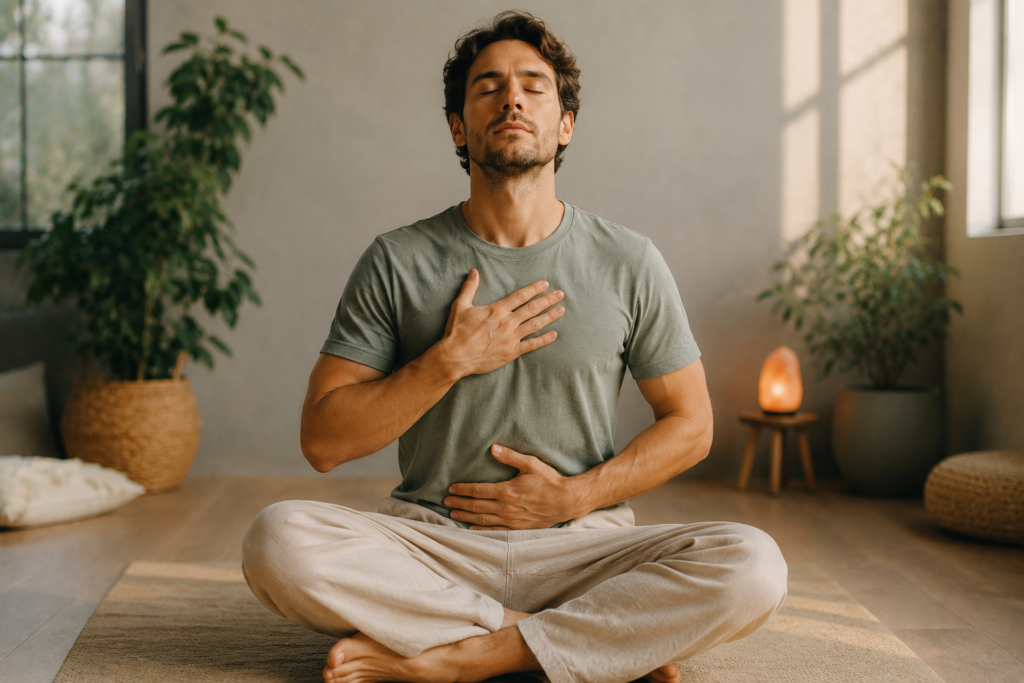
This is perhaps the most widely recognized benefit—and honestly, the most sought-after. Breathwork methods such as belly breathing, box breathing, or even simple counted inhalations anchor the body and mind in the here and now. It’s not about escaping stress, but about shifting your response to it. The real payoff is that stress doesn’t disappear, but the body gets better at not letting tension linger or escalate. Regular practice can teach the body how to “downshift” out of crisis mode, often within minutes.[15]
Emotional release and processing
Breathwork isn’t just soothing. It can unlock stuck or repressed emotions—grief, anger, anxiety—that everyday coping hides away. Especially in practices like Holotropic or Rebirthing Breathwork, it’s common for people to experience sudden tears, laughter, or unexpected outpourings—a process sometimes called “emotional detox.” Many find this less about reliving old pain, and more about letting it move through, finally giving space for healing or insight to arise.
Trauma healing support
Because trauma so often imprints itself on breathing patterns—think of someone startled holding their breath—retraining the breath becomes a way to loosen trauma’s grip. Somatic breathwork methods work gently here, focusing on safety, titration (gradual exposure), and the body’s sense of agency. With trauma-informed facilitation, breathwork can nudge the body to complete the stress cycle and begin to trust safety again.[16]
Anxiety and nervous system regulation
Few self-help techniques are as reliable for immediate anxiety relief as breathwork. By directly engaging the parasympathetic system through methods like alternate nostril or extended exhale breathing, anxious thoughts often lose their sting. Over time, breathwork helps build a new baseline for nervous system health—a bit like developing “emotional calluses” against the day’s bumps and scrapes.[17]
Increased focus and clarity
“Take a breath and think.” There’s wisdom hiding in that cliché. Many breathwork exercises sharpen mental clarity, reduce brain fog, and keep chatter at bay. Athletes, CEOs, and students alike use breathing techniques for last-minute focus before presentations, exams, or big games. The physiological mechanism? Stable oxygen and CO2 levels paired with grounded nervous system responses open a clear channel for laser attention.
Better sleep and recovery
Slow, sedative breathwork—such as 4-7-8 breathing or diaphragmatic breathing—signals the body to wind down at day’s end. People report falling asleep faster and waking up more rested after brief evening sessions. For those with insomnia or irregular sleep, breathwork can shift the internal clock back toward balance by nudging the nightly transition from “wired and tired” to “ready to rest.”[18]
Spiritual connection and self-awareness
For many, breathwork opens doors to deep introspection or spiritual connection unattainable by thought alone. The breath becomes a sacred teacher, dissolving boundaries between self and other, past and present. While not everyone is looking for mysticism, even skeptics often note enhanced self-awareness, compassion, and acceptance. It’s not just about feeling better—it’s about awakening to the richness of experience.
Energy and vitality enhancement
In the right context, breathwork shifts the engine from idle to engaged. Certain rapid or forceful breathing methods (like “Breath of Fire” or Wim Hof breathing) inspire feelings of vigor, resilience, and readiness to face challenge. Sports teams, entrepreneurs, and creatives use these approaches as a reset button—sometimes trading in caffeine for conscious breathing. The energizing effects can last for hours.
Athletic performance and endurance
Top athletes know: breath makes or breaks endurance. Breathwork methods train the lungs’ capacity, improve oxygen delivery, and build tolerance for CO2—all factors linked to stamina and peak output. When practiced over time, techniques like nasal breathing, intermittent breath holding, or rhythmic patterns can keep runners on the track and lifters at the bar longer and stronger. Many coaches now treat breath training as integral as resistance or cardio work.[19]
Creativity and mental expansion
Boredom, creative block, or stuck thinking? Breathwork seems to help break the loop. Shifting brain states—for example, into alpha or theta rhythms—can generate new ideas, spark vivid dreams, or unstick old problems. Artists, writers, and designers often report not just more ideas after breathwork, but subtly different, less constrained lines of thought. The most creative insights sometimes show up between breaths, right when the mind stops trying so hard.[20]
Breathwork methods are as varied as their origins. Some anchor in therapy, others in spiritual ritual, and some in athletic training or meditation. Styles range from rhythmic, controlled breathing (like pranayama or box breathing) to intense, cathartic techniques (such as Holotropic Breathwork). What they share is intentionality—every technique follows a deliberate pattern, whether simple (inhale… exhale…) or complex (quick in, slow out, hold, repeat). Below, the main styles that shape the breathwork landscape are explored in dedicated detail.
11 Types of Breathwork Explained
1. Rebirthing Breathwork
Rebirthing Breathwork stands out for its focus on emotional healing and renewal. Developed by Leonard Orr in the 1970s, it’s built around the idea that conscious, connected breathing can unblock and resolve early (even birth-related) emotional imprints. While some practitioners take the literal “rebirth” language metaphorically, others aim for deep emotional release, describing sessions as both cathartic and enlightening.[21]
Circular breathing technique
At its core, Rebirthing uses circular or connected breathing. There’s no pause between inhale and exhale—the breath flows smoothly and continuously, fueling a rhythmic, trance-like state. This “infinity loop” breathing challenges the automatic reflex to hold or restrict breath, keeping energy—and emotion—moving. The technique is deceptively simple: inhale, exhale, repeat, without interruptions for 30–60 minutes under guided conditions.
Emotional release experiences
It’s common, even expected, for emotions to bubble up during rebirthing sessions. Tears, laughter, sudden memories, or even sensations of joy or grief may surface. Supportive facilitators and “sitters” (helpers who hold space) play a key role, creating an atmosphere where these releases are safe and contained. Some describe feeling lighter “as if a weight had finally been lifted.”
Spiritual aspects of rebirthing
For many, rebirthing is a spiritual exercise—making peace with the past, experiencing compassion, or touching what some describe as “core self.” While these claims are often viewed skeptically by outsiders (and some researchers argue that “birth memories” are not literally possible), the subjective sense of renewal is powerful for participants.[22]
Potential benefits and risks
Benefits frequently cited include emotional catharsis, increased vitality, and insight into persistent life patterns. On the risk side, circular breathing’s rapid rhythm can cause physical symptoms—dizziness, tingling, even hand cramping. Vulnerable individuals, especially those with histories of trauma, heart disease, or psychiatric instability, should exercise caution and seek trauma-informed facilitation. Breathwork has its pitfalls if attempted recklessly or without support.[23]
What sessions typically feel like
Most sessions unfold with music, supportive presence, and simple instructions (“Keep your breath connected”). Physical sensations arise—body warmth, limb tingling, sense of floating, or gentle energy waves. Some people experience nothing particularly dramatic, others may feel as if they’ve been through an emotional “storm” and emerge with greater self-compassion or perspective. The saying, “No session ever works out the same way twice,” feels especially apt.

2. Holotropic Breathwork
Born from the work of Stanislav and Christina Grof in the late 1970s, Holotropic Breathwork emerged as a legal alternative to psychedelic therapy, following the criminalization of LSD. The term “holotropic” means “moving toward wholeness.” The practice uses deep, fast-paced, continuous breathing to promote non-ordinary states—supported by evocative music and safe facilitation.[24]
Breathwork and non-ordinary states of consciousness
Holotropic sessions specialize in unlocking expanded states—sometimes described as “transcendent,” “healing,” or “visionary.” Unusual imagery, old memories, and powerful emotions often surface. Participants are guided to let whatever comes up unfold, without trying to control or analyze. The altered state can feel deeply meaningful, even if at times bewildering or unpredictable.
Music and emotional activation
Central to Holotropic Breathwork is a carefully curated soundtrack—spanning world music, chanting, drumming, and ambient layers. Music’s tempo and intensity often synchronize with the breath, amplifying emotional or psychological breakthroughs. Sound, breath, and inner experience blend in ways few techniques match.
Trauma and subconscious exploration
This technique excels at surfacing subconscious material, including trauma that remains locked outside of daily awareness. Many people experience deep catharsis, seeing old patterns from new angles. Skilled facilitators watch for signs of overwhelm, using “grounding” techniques to keep participants safe. There’s a delicate balance between release and re-traumatization—a reason this method is rarely recommended for solo beginners.[25]
Common physical and emotional effects
Expect intense bodily sensations: tingling, trembling, sweating, or even body movements outside voluntary control. People may alternate between tears and laughter, or shift rapidly among physical, emotional, and visionary experiences. Most participants describe a period of integration—sometimes days—in which insights settle and daily life resumes with a fresh lens.
Safety considerations
Holotropic Breathwork shouldn’t be attempted casually. Contraindications include epilepsy, cardiovascular issues, and untreated psychiatric conditions. Sensible providers insist on screening and integrate “sitters” into sessions for support. Safety runs deeper than just the physical—psychological preparation, trust, and aftercare are all non-negotiables.
3. Conscious Connected Breathwork
Conscious Connected Breathwork is a simple, accessible approach that means just what it says: breathing in a continuous pattern with no pause between inhale and exhale, while keeping full awareness on the process. It’s popular for its blend of accessibility and impact—a straightforward method with deep effects.
Continuous breathing patterns
The hallmark of this method is the unbroken cycle—inhale flows into exhale, which flows right into the next inhale. This technique can be practiced lying down, sitting, or even standing, but most formal sessions favor a relaxed, supported posture. The continuous movement of air often induces mild altered states, bodily tingling, and emotional shifts.
Emotional processing effects
Many experience a gentle surfacing of emotion: tears, laughter, even sighs or yawns, which often signal letting go. Unlike more intense methods, Conscious Connected Breathwork can be adapted to suit sensitive or trauma-affected individuals by slowing the pace and introducing rests as needed.
Nervous system activation and release
At moderate intensity, this method activates the body enough to “charge” emotions and physical sensations, but (in skilled hands) not so much as to overwhelm. Breathing facilitators watch closely for signs of stress, titrating sessions to fit the individual. The method’s beauty lies in how the breath acts as both generator and release valve for tension.
Beginner experiences
Most newcomers find this technique approachable. With gentle guidance, many discover sensations they hadn’t expected—energy, lightness, or simply the clarity that comes from sustained focus on breath. It’s a brilliant entry point for those wanting more than relaxation, but not ready for the intensity of Holotropic or Rebirthing Breathwork.
Benefits for emotional healing
Conscious Connected Breathwork is especially useful for gradually dissolving chronic stress, anxiety, or subtle blocks to emotion. The cumulative effect is often a quiet confidence in meeting whatever arises—in the session or in daily life.
4. Soma Breath
Soma Breath blends ancient yogic pranayama with contemporary rhythms and guided meditation. Developed by Niraj Naik, the technique fuses breath retention, rhythmic breathing, music, affirmations, and visualization, creating a multi-sensory experience that’s as invigorating as it is calming. It often feels equal parts meditation session and “energetic workout.”[26]
Breath retention and rhythmic breathing
Soma Breath uses rounds of rhythmic breathing—often four counts in, four counts out—followed by breath holds (retentions). These cycles are repeated, and the composition can be adjusted for energizing or calming effects. Over time, this blend appears to build stamina and strengthen nervous system adaptation, improving both focus and relaxation.
Music, affirmations, and visualization
Sessions are infused with upbeat music, positive affirmations, and guided visualization. “Hear the beat, breathe with it, imagine light entering the body.” The sensory richness keeps the mind engaged and the body energized, shifting the inner climate from dullness or stress to flow.
Energy enhancement and focus
Participants routinely mention a surge of motivation, optimism, and clear-minded focus—sometimes likened to “runner’s high” but produced, amusingly, lying down with closed eyes. Soma’s structure seems to amplify vitality for many while sidestepping the jitteriness that comes with caffeine or stimulants.
Meditation and altered states
The marriage of breathwork with meditation and sound can spark altered states—visions, fresh insights, or a pervasive sense of unity. For people who find sitting meditation daunting, Soma Breath provides an active entry point: the breath itself becomes the meditation object, with music leading the way.
How Soma Breath differs from other methods
Soma’s unique blend of breath, sound, and affirmations sets it apart from other breathwork techniques. The pacing is often less intense than Holotropic but delivers a distinct, “alive” feeling. Most sessions feel guided, contained, and energizing—a sweet spot for people who enjoy structure and multi-sensory engagement.
5. Neurodynamic Breathwork
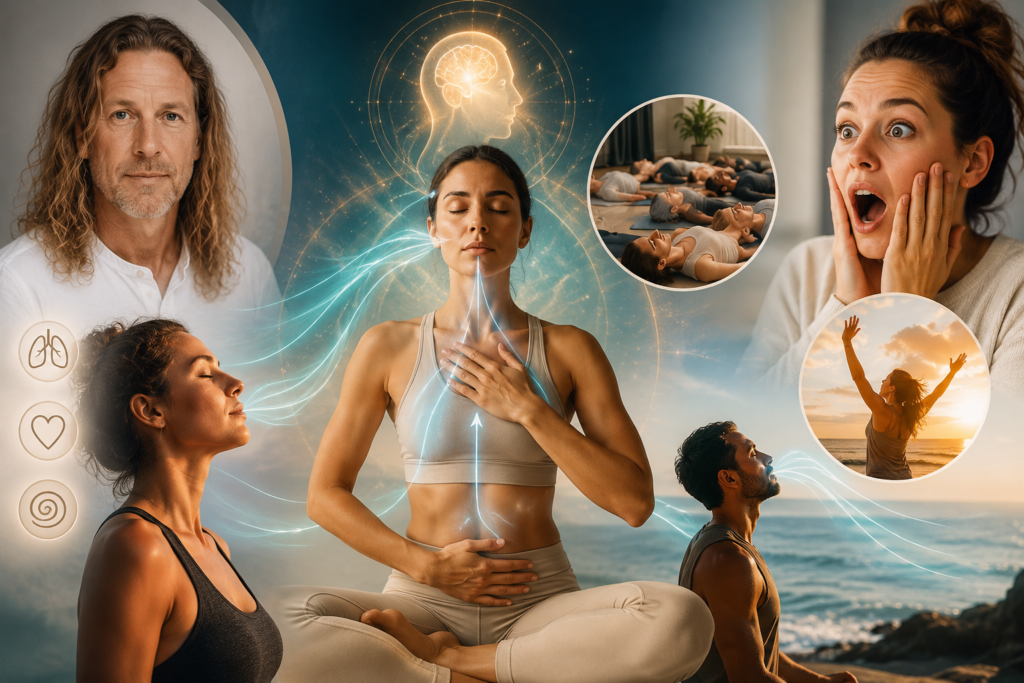
Neurodynamic Breathwork is a contemporary style that borrows from Holotropic and other cathartic breathing traditions. The goal: activate nervous system “plasticity” and spark emotional or psychological breakthroughs through intense breathing cycles, evocative music, and group facilitation.
Breath and nervous system activation
The core technique involves deep, rhythmic, often rapid breathing designed to push the nervous system out of its comfort zone. This “shock to the system” is meant to break habitual patterns and prompt new ways of responding, both physically and emotionally.
Emotional catharsis and body release
Like its predecessors, Neurodynamic Breathwork often triggers release: shivering, laughter, tears, or spontaneous body movement. Group settings amplify shared safety and support, creating space for collective healing and insight. Practitioners watch for individual tolerance, sometimes slowing or modifying breath patterns to honor trauma history.
Trauma-informed aspects
Contemporary facilitators emphasize safety, boundaries, and trauma awareness. Sessions often include “consent rounds,” pre-session screening, and post-session integration for those needing extra support. There’s heightened awareness now that deep states are not always healing if pushed too far, too fast.
Music and guided facilitation
Music is central; soundtracks mix world beats, nature sounds, and deep bass to prompt emotional and physical responses. Facilitators offer verbal cues—“Just breathe, let your body move”—helping participants feel safe to let go.
Typical session experiences
Expect a rollercoaster: energy build-up, strong sensations, emotional crests, and eventual settling into deep calm or afterglow. Some say, “It’s like therapy, gym, and meditation rolled into one—just with more sweat and fewer words.” Integration afterward is key to solidifying gains.
6. 9D Breathwork
9D Breathwork brings in immersive, high-tech elements for a multi-layered experience. It incorporates breath patterns, sound technology (like binaural beats), visualizations, evocative music, and even vibrational cues. The “9D” signals a simultaneous engagement of multiple senses—sound, sight, touch, inner imagery, and active breathing.[27]
Multi-sensory breathwork experiences
Sessions combine breath guidance with surround sound, colored lighting, and sometimes tactile feedback, aiming to envelop participants in a cocoon of sensation. The result? A richer, sometimes surreal entry into altered states, with emotions surfacing faster and memories popping into awareness.
Binaural beats and sound technology
Binaural beats—sounds pulsed at slightly different frequencies in each ear—are believed to influence brainwave states, promoting relaxation, creativity, or focus. In 9D Breathwork, these are layered under music and breath cues, turbocharging the sensory effect and urging the brain into less familiar territory.
Emotional release and subconscious work
Participants commonly report catharsis, emotional breakthroughs, or unshackling from long-held patterns. The sheer “immersion” invites surrender, sometimes propelling people beyond conscious resistance. Of course, some find the sensory overload distracting or overwhelming—support, boundaries, and aftercare are again essential.
Guided journeys and visualization
Many 9D sessions layer in guided visualizations: “Imagine stepping into light… Watch clouds move with your breath.” The blend of narrative, sound, and breath steers the mind out of rote thinking into creatively receptive space.
Why 9D Breathwork became popular
In an age of digital abundance, people want experiences that engage all the senses. 9D Breathwork answers the call, especially for groups or retreats aiming to create instant intimacy and impact. The method leans into high production value and multisensory collective ritual—reminiscent of ancient ceremonies with a modern twist.
7. The Wim Hof Method
The “Iceman” Wim Hof popularized a method that blends rapid, deep breathing with cold exposure and deliberate mindset training. The breathing involves forceful inhalation and relaxed exhalation in rapid succession (typically 30–40 cycles), followed by long breath holds. This routine acts as both a nervous system workout and a resilience booster.
Controlled hyperventilation and breath retention
Wim Hof breathing deliberately hyperventilates—oxygen in, CO2 out—creating an alkaline shift in blood pH and triggering a “buzz” of tingling or energy. The following breath retention extends the window before discomfort sets in, challenging nervous and metabolic systems alike. The technique is both energizing and, sometimes, startling in its effects.
Cold exposure and nervous system adaptation
Breathwork is paired with ice baths or cold showers, teaching practitioners to manage discomfort, fear, and the body’s urge to flee. The shock of cold, met with calm breathing, builds real-world resilience. Over time, this cross-training builds a reputation for “unbreakability”—or, at the very least, better tolerance of life’s ups and downs.
Energy and resilience effects
People practicing Wim Hof Method often report energy surges, deep calm, and a broader sense of possibility. Many claim improved immunity, reduced inflammation, and faster recovery—though research here lags behind anecdote. The attention to mental focus and commitment is what distinguishes Wim Hof from generic breathwork; the method is as much about mindset as mechanics.[28]
Scientific research on Wim Hof breathing
Clinical trials are beginning to dissect the effects: results point to changed immune markers, reduced inflammation, resistance to cold, and improved mood regulation. The caveat is that hyperventilation comes with psychological and cardiac risks; experts caution against unsupervised or extreme use, especially by those with epilepsy or pre-existing health conditions.
Safety precautions
Moving from the yoga mat to cold rivers is not for everyone. The key safety advice: avoid practicing breath holds or hyperventilation while in water or standing, to prevent fainting and drowning risk. Start slow, listen to the body, and consider professional guidance if tackling intense protocols or if vulnerabilities exist.
Somatic breathwork puts the body front and center. The focus? Using breath as a gentle, physical anchor to ground the nervous system, process emotion, and restore balance. While some methods can be practiced in solitude at home, others benefit from group or guided settings. Below, find a breakdown of the most widely practiced somatic breathwork exercises—each with unique effects, use cases, and cautions.
8. Diaphragmatic Breathwork
Belly breathing—also called diaphragmatic breathing—draws air deep into the lungs by intentionally expanding the abdomen as you inhale, then letting it fall during exhale. This technique uses the diaphragm muscle to maximize oxygen intake and minimize chest tension, making it the opposite of stress-induced shallow (chest) breathing. Here’s the sensory cue: as you inhale, picture the belly ballooning outward, hands rising; as you exhale, everything softens and contracts.
Relaxing the nervous system
By sending air low into the lungs, belly breathing encourages parasympathetic activation—the out-breath signals safety and releases tension held in the shoulders, neck, and chest. This is why therapists, yoga teachers, and athletic coaches reach for belly breathing as a “first aid” technique in moments of stress. In the real world, just five slow belly breaths can drop blood pressure and heart rate, shifting the entire internal state.[29]
Best situations to practice
Belly breathing works virtually everywhere: at home, the office, lying in bed, or standing in a checkout line. It’s the go-to for pre-interview nerves, bedtime calm, or even mid-argument cool-downs. For those new to breathwork, this exercise serves as the best introduction—a reliable, portable tool.
9. The 4-4-4-4 breathwork
Box breathing (sometimes called “square breathing”) follows a simple pattern: inhale for four counts, hold for four, exhale for four, hold for four—then repeat. The even pacing alone quiets mental chatter and anchors awareness, while the “pauses” teach tolerance for stillness in busy minds. It’s the favorite of Navy SEALS, public speakers, and anxious parents alike.
Stress reduction benefits
The second the breath pace slows, the stress response dials down. The deliberate holds give the system a reset—a literal pause between reactivity and response. Many people reach for box breathing in moments of high pressure, relying on its predictability to keep anxiety in check. Both research and lived experience support box breathing as a fast, accessible stress buster.[30]
Focus and mental clarity
Counting the breath has an almost hypnotic quality, crowding out intrusive thoughts and giving restless minds something to “do.” Executives, athletes, and students practicing box breathing before key events often mention sharper focus, clearer memory, and less jitters. In meetings, presentations, or competitions, this breathing pattern can be a secret weapon.
10. Alternate Nostril Breathing
Alternate Nostril Breathing (Nadi Shodhana) is, for many, the most balancing of all breathwork exercises. The act of breathing through one nostril at a time—blocking the other with a thumb or finger—trains the whole system to switch between hemispheres, rebalancing the mind-body axis. The method calls for a gentle but precise rhythm: inhale left, exhale right, inhale right, exhale left, repeat.
Traditional yogic origins
This breathing technique has its roots in ancient yogic traditions. In classical texts, it is said to clear “energy channels,” but in modern terms, it likely works by activating both sides of the autonomic nervous system, coordinating left and right brain activity. The lineage stretches back thousands of years and is still practiced in yoga studios and therapy rooms worldwide.
Relaxation and focus effects
The act of switching nostrils requires attention and precision—instantly bringing mindfulness to the present. Studies and anecdotal reports agree: alternate nostril breathing rapidly calms agitation, lifts brain fog, and centers awareness. The combined relaxation and focus effect makes this technique a favorite for afternoon resets or pre-sleep rituals.
11. Sigh of relief breathwork
Here’s a physiological secret: the exhale is the key to relaxation. Extended exhale breathing—lengthening the out-breath relative to the in-breath—directly stimulates the parasympathetic nervous system, slowing heart rate and dampening anxiety. It’s the “sigh of relief” amplified and repeated on purpose.
Parasympathetic activation
When the out-breath is longer than the in-breath (for example, inhale for four, exhale for six), vagal activation soothes the body, grounds the mind, and invites muscles to release without conscious effort. The effect is impossible to ignore—warmth, heaviness, and a gentle feeling of “letting go” ripple from the chest out into the limbs and fingers.
Anxiety reduction benefits
For acute anxiety or even panic attacks, extended exhale breathing often works more reliably than any quick fix on the market. Because it uses the body’s built-in regulation mechanisms, it never triggers dependence or side effects. In therapy settings, this technique is front and center for managing strong emotion.[31]
The science behind Breathwork
Continuous breathing without pauses
Circular breathing brings the breath full circle—no pauses, just smooth, flowing cycles of inhale and exhale. While often associated with wind instrument musicians (who use it to sustain long notes), the technique forms the backbone of many breathwork protocols, from Rebirthing to Holotropic sessions.
Emotional activation and release
The uninterrupted cycle stimulates not just physical sensation—tingling, warmth, lightness—but also emotional overflow. As the minutes pass, many describe bubbling emotions or sensory changes, as if the breath had cleared stuck “debris” from mind and body.
CO2 tolerance training
Breath retention pushes the envelope for both mind and body. Holding the breath after inhalation (or, less commonly, after exhalation) gradually increases the blood’s CO2 level, training the respiratory system to tolerate more without panicking. Over weeks, this builds resilience and makes high-stress scenarios (athletic, emotional, even environmental) more manageable.
Focus and nervous system adaptation
There’s a mental benefit, too: the tug-of-war with discomfort teaches focus, determination, and trust in the body’s recovery. Retention exercises can boost confidence, helping practitioners face “stretch moments” in life more steadily.
Safety considerations
Caution is the keyword here. Intense breath-holding can trigger dizziness, blackout, or—in risky situations—fainting. Never practice retention in water, while driving, or standing. Start slow, and respect your body’s signals; there’s no trophy for pushing past real limits.[32]
Physical sensations during sessions
Most people expect calm, but what unfolds in breathwork often catches even seasoned practitioners off guard. Popular descriptions include tingling hands and feet, warmth flushing up the spine, heaviness (as if the body anchors to the ground), or lightness bordering on floating. There’s a palpable charge in the air—the body rings like a bell struck just so.
Emotional release experiences
On the emotional front, breathwork can feel like a loosening of old knots. Tears may appear suddenly, laughter erupt unexpectedly, or grief surface as images or memories. Sometimes it’s subtle—a slow unfolding, as if fog lifts from a long-lost landscape.
Tingling and body activation
Tingling (paresthesia) and even mild cramping (“tetany”) are common—especially in faster breathwork practices or during long sessions. These sensations result from shifts in blood gases, and while startling, they are usually harmless and fade after a few minutes of regular breathing.
Crying, laughter, and catharsis
Some sessions pass quietly. Others feel like an emotional “spring cleaning.” People may cycle through anger, joy, fear, and peace—sometimes all in a single session. The permission to release—crying, laughter, wild catharsis—can be profoundly healing, or, for some, a bit overwhelming.
Altered states and visual experiences
People sometimes report seeing shapes, colors, even memories, or feeling “outside of time.” These altered states are normal in longer or deeper breathwork practices, especially those involving music, darkness, or group energy.
Post-session integration
Afterward? There’s often a sense of clarity, vulnerability, and peace—like the body and mind have aligned in newfound harmony. Many choose to journal, walk quietly, or hug a friend, using these moments to weave session insights into everyday life.
How trauma affects breathing patterns
Trauma leaves its signature not only in memory but in the very rhythm of the breath. Startle responses, chronic hypervigilance, or shutdown states distort breathing—quick, shallow breaths, long pauses, or held air. Without conscious repair, these patterns persist, reinforcing the felt sense of danger or disconnection.
Somatic healing principles
Somatic approaches to trauma healing prioritize the body’s innate wisdom. Breathwork bridges top-down cognitive therapy with bottom-up body awareness, serving as an accessible “reset button” for jangled nerves. The principle? Safety comes first; the breath leads, not the intellect.
Emotional release through the body
Trauma healing isn’t about retelling old stories but letting the body complete a process left unfinished. Breathwork offers space for trembling, sobbing, or deep sighing—literal physical signals of release. In skilled hands, these moments restore a sense of control and agency.
Trauma-informed facilitation
Modern facilitators train in recognizing trauma reactions—dissociation, panic, freeze—and adjust protocols accordingly. Consent, clear boundaries, and rescue techniques (grounding, touch, eye contact) are standards, not options.
When breathwork may feel overwhelming
Not every experience is blissful. Sometimes, old pain floods in, and a practitioner needs to pause, shift technique, or end the session early. Tuning into internal signals is vital; breathwork should never be forced or pushed beyond the body’s limits.
Integration and grounding practices
Gentle grounding—touching objects, sipping water, feeling the feet on solid earth—helps the body lock in safety. Journaling, gentle movement, or connection with trusted people supports the “aftershock” period following deep sessions. Integration is an ongoing process, and, honestly, can matter more than what happened during the breathwork itself.
Who should avoid intense breathwork
Not everyone is a candidate for all breathwork methods. People with epilepsy, heart issues, severe asthma, uncontrolled high blood pressure, or psychiatric vulnerabilities should avoid intense practices (especially hyperventilation or prolonged breath retention) without medical input. Those who are pregnant or recovering from major surgery are typically advised to skip advanced techniques.[33]
Hyperventilation risks
Too much, too soon, or too intensely: hyperventilation can lower CO2 excessively, leading to dizziness, tingling, muscle cramping, even fainting. In extremely rare cases, especially in at-risk populations, more severe effects may arise. Respecting the body’s limits, modulating pace, and practicing under guidance decrease risk.
Contraindications and medical concerns
Medical contraindications for breathwork span cardiovascular disease, glaucoma, untreated psychiatric illness, and seizure disorders. It’s wise to consult a healthcare provider if there is any question of risk. Most practitioners screen participants, though DIY approaches sometimes bypass these checks (which is, in short, unwise).
Psychological safety considerations
The mind can “over-activate” in vulnerable populations—cases of anxiety, panic attacks, dissociation, or flashbacks are not uncommon in high-intensity sessions. Psychological safety means matching the technique to the individual’s resilience, not the other way round.
Importance of trained facilitators
Skilled facilitators make the difference between healing and harm. They monitor physical and emotional states, offer modifications, and provide aftercare. In group settings, support “sitters” anchor people through intense waves. Breathwork is not inherently therapeutic unless provided with understanding, boundaries, and compassionate presence.
How beginners can practice safely
Simple: start gently, build gradually, and heed the body’s feedback. Stick with beginner techniques (like belly or box breathing), avoid water or heights, and never practice intense protocols alone. If in doubt, professional support or structured group sessions provide safety and camaraderie.
Breathwork vs meditation
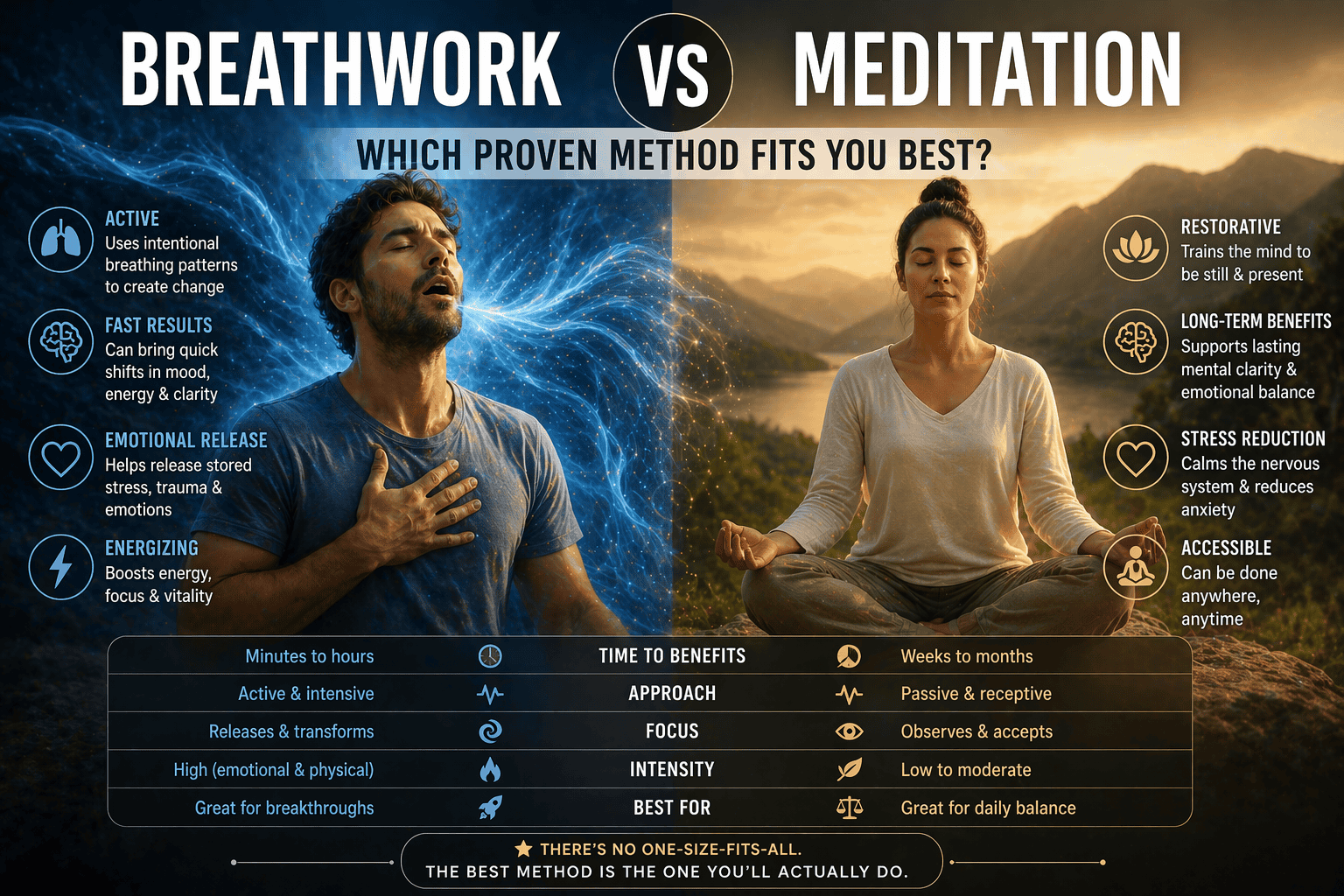
Meditation and breathwork share an emphasis on attention and non-reactivity, but breathwork adds an “active” element—consciously shaping breath to shape experience. Meditation can be passive (witnessing breath without altering it); breathwork is deliberate change. Many combine both for a synergy of calm and insight.
Breathwork vs yoga
Yoga includes physical postures, meditation, and breathwork (pranayama). But stand-alone breathwork focuses exclusively on the breath, sidestepping the athleticism or balance challenges of yoga asana. Yoga practitioners often use breathwork to deepen poses or open emotional blocks; non-yogis access similar benefits without a mat.
Breathwork vs psychedelic therapy
Psychedelic-assisted therapy uses compounds to induce mental openness or neural “plasticity.” Some claim breathwork—especially intense, rapid, or circular methods—can create similar non-ordinary states, sometimes described as “psychedelic without drugs.” The big plus? More control, fewer legal risks, and easier integration for many. The flipside: not everyone achieves the same depth, and risks of overwhelm still exist.
Breathwork vs somatic therapy
Somatic therapy works with body sensations, movement, and awareness to resolve trauma and emotional blocks. Breathwork offers a direct, accessible entry-point to somatic wisdom—often unlocking or complementing talk therapy and other body-based modalities.
Breathwork vs cold exposure
Cold exposure (ice baths, cold showers) conditions the nervous system to cope with physical stress. When combined with breathwork (as in the Wim Hof Method), the effects amplify, teaching the body new boundaries of endurance and control. Alone, each is helpful; together, they multiply impact.
Breathwork vs float tanks
Float (sensory deprivation) tanks use silence, darkness, and suspension in salt water to dissolve boundaries and relax the body. Breathwork, by contrast, uses rhythmic engagement to unlock similar states—a sense of “weightlessness,” deep calm, or introspection. The overlap? Both highlight how changing external and internal environments shape consciousness.
Breathwork Pricing: What Does Breathwork Actually Cost?
Breathwork sessions receive different price tags because of their session types and the practitioner experience level and the time duration of the session and the location of practice whether it happens online or face-to-face or during retreats. People can join basic online group breathwork sessions for prices between $15 and $40 but they need to pay from hundreds to thousands of dollars for private sessions and extended retreat programs. The worldwide market for luxurious breathwork experiences has expanded because people now show more interest in nervous system healing and somatic wellness practices.
The most cost-effective method for beginners to start breathwork practice involves joining online group sessions. The sessions take place through Zoom while wellness platforms serve as their hosts and their duration falls between 60 and 120 minutes. Online sessions about conscious connected breathwork and Soma Breath and nervous system regulation become accessible to people through various facilitators who maintain reasonable pricing. People can select subscription-based breathwork apps and membership programs which cost between $10 and $50 each month based on their access to different levels of guided content.
The cost of in-person group sessions becomes higher because they require physical locations and live instructor presence and music equipment and emotional care and complete environmental involvement. The price for one live breathwork session depends on city location and facilitator reputation and can range from $40 to $150 for each participant. The wellness destinations of Bali and Koh Phangan and Tulum and Los Angeles and Costa Rica set their prices high because these areas attract many tourists and their retreat facilities generate substantial revenue.
The market shows private breathwork sessions as its most costly segment. The process of one-on-one facilitation provides people with direct emotional backing through tailor-made trauma-based support and breathing technique development and advanced integration work. The cost of private sessions falls between $100 and $500+ per session based on the facilitator’s professional abilities and their focus areas and worldwide recognition status. The practice of advanced therapists who combine breathwork with somatic therapy and coaching and cold exposure and meditation and sound healing and psychedelic integration treatments leads to rising treatment expenses.
The highest cost structure for breathwork retreats emerges because they provide lodging and meals and group activities and learning experiences and emotional processing and social connections and lengthy stays. Weekend retreats tend to start at $300 to $800 but luxury multi-day retreats in Bali and Costa Rica and Mexico and Thailand push their prices above $2,000 to $5,000. The wellness programs which include advanced treatment methods like 9D Breathwork and trauma-release work and ice baths and transformational coaching present themselves as high-end wellness programs.
Training programs for breathwork facilitators show different price ranges between their various offerings. The price for short online certification programs stays at several hundred dollars but the cost of international facilitator training programs reaches between $2,000 and $10,000 and beyond based on mentorship availability and retreat duration and certification advancement and business coaching services. The educational programs at different schools dedicate their resources to teach trauma-based teaching methods and nervous system biology while other institutions focus on spiritual development and emotional release and athletic performance enhancement. The selection process for appropriate programs depends on facilitator qualities which include their ethical standards and their teaching methods and their professional background more than the cost of programs.
Choosing the right breathwork style
The best way to start? Match breathwork methods to intent and sensitivity. For relaxation and stress management, gentle techniques like belly or box breathing are the safest bets. For deeper emotional processing or altered states, explore advanced styles in supervised settings.
Beginner-friendly techniques
- Belly breathing
- Box breathing (4-4-4-4 pattern)
- Alternate nostril breathing
- Gentle breath retentions (short holds)
Stick with short sessions and build comfort before progressing.
Online vs in-person sessions
Online breathwork classes and apps make practice accessible anytime, anywhere. In-person sessions (private or group) provide real-time support, feedback, and energy. The right choice depends on need: safety and emotional support favor in-person, while convenience and experimentation lean digital.
Group sessions vs private facilitation
Group dynamics offer community, shared guidance, and often a sense of connection that’s hard to find solo. Private sessions allow for personalization, trauma-informed pacing, and tailored support. The ideal pathway starts with groups, transitions to private if deeper work (or specific issues) arise.
How often to practice
“Little and often” trumps “rare and intense.” Many people benefit from 5–10 minutes daily, with longer or more powerful sessions reserved for weekends or special events. Consistency matters more than intensity—results accrue over weeks, not hours.
What to expect after sessions
After breathwork, people describe a mix of clarity, calm, emotional “hangover,” or new energy. Mild fatigue, extra thirst, or vivid dreams sometimes appear. It’s wise to plan downtime—quiet music, a walk, journaling, or conversation with trusted friends or facilitators.
What happens at a breathwork retreat
Retreats immerse participants in intensive practice—multiple daily sessions, supportive group sharing, and lots of integration time. Think of it as bootcamp for the respiratory system, with added doses of insight and community. Common features include group meals, nature, and post-session sharing circles.
Benefits of immersive retreats
The shared energy of retreat settings amplifies breakthroughs. Away from daily stressors, people tend to relax control, face old wounds, and soak up the safety of group intention. It’s not all intensity—there’s laughter, new friendships, and the simple joy of breathing together.
How to choose a facilitator training
Look for programs with trauma-informed curriculum, strong faculty, and substantial hands-on practice. Reputable trainings insist on rigorous personal practice, peer feedback, and time spent “sitting” for others as well as leading sessions. Continuing mentorship is a sign of integrity.
Breathwork certifications explained
Certifications vary by organization, with some recognized internationally and others local or method-specific. A certificate signals basic proficiency, but experience, supervision, and ethical commitment matter most. Always check that facilitators belong to credible networks and maintain up-to-date skills.
Online vs in-person training programs
Online certifications grew rapidly after 2020, making advanced courses accessible globally. In-person training still dominates for deep work—practice, feedback, role-play, and group support simply carry more weight when embodied rather than virtual.
Finding trustworthy facilitators
Choose facilitators who are open about credentials, experience, and scope of practice. Look for trauma sensitivity, reviews from diverse communities, and a “feel” of professionalism mixed with warmth. If something feels off, trust your gut—breathwork is intimate work, and the container matters as much as the method.
Choosing the right breathwork path
The best style is the one that matches the moment—sometimes gentle, sometimes intense, always attuned to individual needs and intentions. Trends come and go, but breath remains the original reset button.
Consistency vs intensity
Small, steady efforts have deeper impact than occasional heroic efforts. Like building muscle, breathwork strengthens “regulation muscles” with practice, not drama.
Combining breathwork with other healing practices
Integrating breathwork with yoga, meditation, talk therapy, or athletic training multiplies benefits. The breath is a bridge—linking mind, body, and emotion—so it adapts to whatever healing path you follow.
Building a long-term breathwork practice
Start where you are. Experiment, reflect, and stay gentle with yourself. Over the months, watch how the simple act of noticing and shaping breath brings more freedom, healing, and possibility—one inhale and exhale at a time. That’s not hype; it’s the shared reality of countless communities and cultures, past and present.
FAQ
Is breathwork safe?
With proper technique and reasonable pacing, most breathwork techniques are safe for healthy individuals. Risks rise with intense methods (hyperventilation, long retentions) and vulnerability (health conditions, trauma). Always listen to the body and consult professionals if unsure.[34]
Can breathwork release trauma?
Many trauma survivors benefit from breathwork as a complement to talk therapy. Techniques that gradually restore safe, rhythmic breathing help the body “unlearn” distress signals. Deep emotional release is possible, especially with skilled, trauma-informed facilitation.[35]
How often should you practice breathwork?
Aim for brief daily sessions (5–15 minutes) with occasional longer or special practices. Consistency, not intensity, creates the biggest gains—think months, not days, for lasting change.
Can breathwork feel psychedelic?
Some advanced breathwork sessions (Holotropic, Rebirthing, Neurodynamic) can trigger altered states similar to those in psychedelic therapy—vivid visuals, deep emotion, or ego “dissolving.” The experience depends on technique, intention, and environment.
Is breathwork scientifically proven?
Science supports breathwork practices for stress reduction, anxiety relief, and nervous system regulation. Although evidence for more dramatic claims or altered states is still accumulating, hundreds of peer-reviewed studies highlight breathwork’s benefits for mood, sleep, and quality of life.
Which breathwork technique is best for beginners?
Belly breathing, box breathing, and alternate nostril breathing are safest and easiest starting points. These methods soothe nerves, steady thought, and build confidence for exploring more advanced techniques in future.
Can breathwork help anxiety and stress?
Absolutely—breathwork is among the most accessible, evidence-based tools for immediate anxiety relief and long-term stress management. It’s often recommended by therapists and medical doctors alike.
How long does a breathwork session last?
Daily exercises usually last 5–20 minutes. Group or deep-dive sessions (Holotropic, Rebirthing) can span 60–120 minutes. Integration time—gentle unwinding and reflection afterward—is equally important.
References
- Young JS, Cashwell CS, Giordano AL. “Breathwork as a therapeutic modality: an overview for counselors”. Counseling and Values. 2010;55(1):113.
- Harvard Medical School: “Relaxation techniques: Breath control helps quell errant stress response.” January 26, 2015.
- Fincham GW, Strauss C, Montero-Marin J, Cavanagh K. “Effect of breathwork on stress and mental health: A meta-analysis of randomised-controlled trials”. Scientific Reports. 2023;13(1):432.
- WebMD: “Breathwork: What Is it and How Does it Work?”, July 01, 2023.
- Brewerton, T.D.; Eyerman, J.E.; Cappetta, P. “Long-Term Abstinence Following Holotropic Breathwork as Adjunctive Treatment of Substance Use Disorders and Related Psychiatric Comorbidity”. International Journal of Mental Health and Addiction. 2012;10(3):453–459.
- Cleveland Clinic: “Breathwork for Beginners: What To Know and How To Get Started,” May 19, 2023.
- Johnson, W. Breathing as Spiritual Practice: Experiencing the Presence of God. Inner Traditions/Bear. 2019.
- Zaccaro A, Piarulli A, Laurino M, et al. “How Breath-Control Can Change Your Life: A Systematic Review on Psycho-Physiological Correlates of Slow Breathing”. Frontiers in Human Neuroscience. 2018;12:353.
- Farhi, D. The Breathing Book: Good Health and Vitality Through Essential Breath Work. Henry Holt and Company. 1996.
- Minett, G. Breath & Spirit: Rebirthing as a Healing Technique. Thorsons. 1994.
- Ades TB, ed. “Breathwork.” In: American Cancer Society Complete Guide to Complementary and Alternative Cancer Therapies (2nd ed.). American Cancer Society; 2009:72–74.
- Bray, P. “Holotropic Breathwork as a Therapeutic Intervention for Survivors of Trauma: An Autoethnographic Case Study.” At the Interface / Probing the Boundaries. 2018;113:187–218.
- Rock AJ, et al. “Exploring Holotropic Breathwork: An Empirical Evaluation of Altered States of Awareness and Patterns of Phenomenological Subsystems with Reference to Transliminality”. Journal of Transpersonal Psychology. 2015;47(1):3–24.
- Fincham, Guy William; Strauss, Clara; Montero-Marin, Jesus; Cavanagh, Kate (2023). “Effect of breathwork on stress and mental health: A meta-analysis of randomised-controlled trials”. Scientific Reports. 13 (1): 432.
- Cleveland Clinic, “Health Essentials: Breathwork for Beginners.” 2023.
- Willis, D. Rebirthing: A Personal Empowerment Revolution. Green Hill Publishing. 2021.
- Farhi D. The Breathing Book: Good Health and Vitality Through Essential Breath Work. Henry Holt and Company. 1996.
- Nestor, J. Breath: The New Science of a Lost Art. Penguin Publishing Group. 2020.
- Breathe: The Art of Conscious Breathing. The Art of Living Foundation.
- Smart, A. Breathwork: How to Use Your Breath to Change Your Life. Chronicle Books. 2020.
- Albery, N. How to feel reborn: varieties of rebirthing experience. London: Regeneration Press. 1985.
- Carroll, RT. “Psychotherapies, New Age.” The Skeptic’s Dictionary, Wiley & Sons. 2011:317.
- Radford B. “New Age ‘Rebirthing’ Treatment Kills Girl.” Skeptical Inquirer. 2000;24(5):6.
- Cortright, Brant. Psychotherapy and Spirit: Theory and Practice in Transpersonal Psychotherapy. SUNY Press. 1997:100.
- Castro, Stephen J. Hypocrisy and Dissent Within the Findhorn Foundation: Towards a Sociology of a New Age Community. New Media Books. 1996.
- Naik, Niraj. The Science & Art of Soma Breath. SOMA Breath Academy. 2022.
- “What is 9D Breathwork?” 9D Breathwork Institute. Accessed 2026.
- “Wim Hof Method: Science”. Wim Hof Method Official Website. 2026.
- Health Library: Diaphragmatic Breathing Overview. Cleveland Clinic.
- Cleveland Clinic: “Box Breathing for Relaxation.” 2026.
- Cleveland Clinic: “Extended Exhale Breathing for Anxiety.” 2026.
- Cleveland Clinic: “Circular Breathing: How and Why to Try It.” 2025.
- “Who should avoid breathwork? Cleveland Clinic FAQ. 2026.
- Cleveland Clinic: “Breathwork Safety and Contraindications.” 2025.
- editor-verified: empirical synthesis of research content and clinical practice reviews.