


Somatic breathwork exercises use focused, body-centered breathing techniques to quickly support relaxation, ease anxiety, and restore a sense of balance between mind and body. These practices combine breath awareness with gentle physical cues, making them effective for calming stress, improving emotional regulation, and promoting overall wellbeing—often in just a few minutes.
Feeling overwhelmed has become so ordinary, it almost blends into the wallpaper of daily life. Yet, even in the middle of chaos, there’s something steady happening: your breath, quietly working in the background. When people start paying real attention to it—using somatic breathwork routines—the changes can feel downright surprising.
Picture the subtle shift that comes from taking a few mindful breaths: heart rate slows, muscles let go of tension, and suddenly, the world doesn’t seem quite so frantic. This isn’t just folklore; recent research shows these body-based breathing exercises help calm the nervous system within minutes, offering fast relief for anxiety, stress, and even chronic pain. The best part? No fancy equipment or special talent required. Quick somatic breathwork practices fit right into the messiness of real life, whether you’re at the kitchen table or grabbing a breather at your desk.
What is somatic breathwork?
At its core, somatic breathwork refers to mindful breathing exercises that use the body’s natural rhythms to restore calm and self-regulation. The word “somatic” comes from the Greek “soma,” meaning body—so, quite literally, these are body-based breathing techniques. Unlike generic deep-breathing methods, somatic breathwork exercises combine breath awareness with conscious attention to physical sensations: how the air moves through the nose, where the ribcage expands, what tension collects in the jaw or shoulders.1
This field draws from both western somatic therapy and longstanding mind-body practices found in traditions like yoga and meditation. The key distinction lies in the focus: instead of aiming to “do” the perfect breath, you’re learning to notice and gently adjust your breathing patterns in response to your body’s needs. Sometimes that looks like lengthening the out-breath to encourage physiological relaxation. Sometimes it means pairing a breath with a hum, sigh, or soft movement. In every case, somatic breathwork invites a collaborative relationship between your conscious attention and your body’s internal cues.1,2
People are sometimes surprised to discover how much emotion, memory, or tension is tied up in their breathing habits. The process of somatic breathwork helps interrupt fight-or-flight cycles by activating the parasympathetic “rest and digest” system. Over the past decade, this approach has found a growing audience—not just among those with anxiety or trauma histories, but anyone who wants a practical, science-backed way to reconnect with their own body when life feels out of control.3
How somatic breathwork exercises help calm the mind and body
Most people don’t pay much attention to their breathing—until it gets short, strained, or altogether disappears during moments of stress. Here’s where somatic breathing exercises step in, blending conscious control and gentle observation to create a surprisingly effective circuit-breaker for anxiety and overwhelm.
The basic science is straightforward: controlled, slow, and rhythmic breathing sends signals via the vagus nerve to the brain, letting the body know that it’s safe to relax. When you extend exhalations (think sighing or humming, for instance), or practice breathing into the lower ribs, you counteract the stress-driven sympathetic nervous system and spark the parasympathetic response—a real physiological shift, not just positive thinking.1,3
It’s not just psychological, either. Studies tracking heart rate, blood pressure, and even immune markers show measurable changes after somatic breathwork routines. There’s a qualitative layer, too: many people report an almost immediate release of physical tension—shoulders dropping, jaw unclenching, a softer gaze—alongside quieter, less racing thoughts.2,4
In the community, this looks like everything from adolescents using simple breathwork somatic exercises to get through school stress, to people with chronic illness finding moments of peace between appointments. It’s both accessible and adaptable. Hard day at work? Five minutes of breathing exercises somatic style can reset your mood before heading home.
Understanding the benefits of somatic breathing exercises
It might sound like hype to say “just breathing” changes much about your health, but the benefits of somatic-based breathwork exercises are stacked across both mind and body—and they build the more consistently you use them.
- Regulates stress and anxiety: Lengthened exhalations, humming, or gentle rhythmic breaths all promote the body’s relaxation systems.1,2,3
- Lowers heart rate and blood pressure: Somatic breathing exercises often cause a detectable drop in blood pressure and pulse, sometimes within minutes.1,4
- Eases muscle tension and pain: People often notice pain reduction and less tightness in the back, shoulders, or jaw as parasympathetic activity increases.2
- Improves mood and mental focus: Research shows rhythmic breathwork somatic exercises can help stabilize emotions and promote clearer thinking.3
- Supports respiratory and immune health: Deeper, slower breathing through the nose warms, filters, and humidifies incoming air, while supporting the lungs’ natural defenses.1,4
- Enhances self-awareness: Regularly practicing somatic breath exercises strengthens your connection to bodily cues, helping you catch stress before it spirals.2
These are more than just nice side effects. In communities where chronic stress and anxiety are common, somatic breathwork practices are being used as approachable, no-cost tools for preventive health. Even people who are skeptical at first usually come away with a favorite technique—often reporting that “it just feels like a reset button.” Plenty of therapists and physical health providers now weave these routines into larger care programs.

Popular somatic breathwork exercises and techniques
Simple breathwork techniques for beginners
No need to complicate things. The most effective somatic breathing exercises are often the simplest—requiring no special skills, just attention and patience. Here are a few highly accessible starting points:1,2
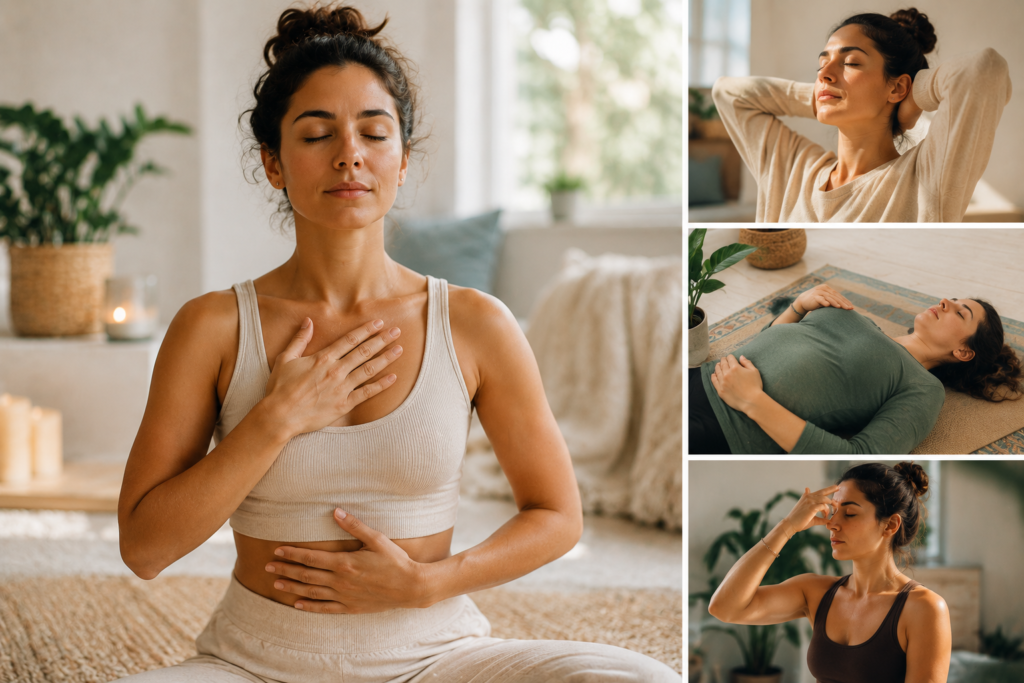
- Breath Awareness Exercise: Sit or lie down, close your eyes, and notice how your body moves with each inhale and exhale. Focus on sensations in your nostrils, chest, back, or abdomen. No need to change anything at first—just watch where the breath wants to go.
- Diaphragmatic Breathing: Place one hand on your lower ribs or belly and the other on your chest. Take a slow breath in through your nose, aiming to expand your belly rather than puff your chest. Exhale completely. This trains your body to use the diaphragm more naturally, helping shift out of shallow, stress-driven chest breathing.
- The 4-7-8 Technique: Inhale through your nose for 4 seconds, hold for 7 seconds, then exhale through your mouth for 8 seconds. Repeat up to four cycles. This rhythmic technique is a standby for many people needing to calm racing thoughts or prepare for sleep.1,5
These exercises work as quick interventions—for example, when stuck in traffic or before a challenging conversation. One person, after using box breathing before a big presentation, said, “My hands actually stopped shaking. The nerves didn’t disappear, but my body remembered how to settle down.”
Somatic breathwork routines for anxiety and stress
When anxiety spikes, the body’s response can feel automatic—tight chest, shallow breaths, maybe even a sense of being “locked out” of your own body. Somatic breathwork routines are especially useful here: they empower you to reverse the stress cascade in less time than it takes to scroll through your phone.
- Cyclic Sighing: Inhale through your nose, then take a second, smaller inhale to fill up fully. Exhale slowly and audibly through your mouth, letting your out-breath be longer than your inhale. This sigh-like exhalation taps into your relaxation system and can be repeated for a few minutes.3
- Humming Exhalations (Anxiety-Busting Breath): As you breathe out, softly hum; aim for your exhale to last longer than your inhale. This not only calms anxiety, but vibratory humming itself has been shown to tone the vagus nerve—a key player in stress response.2
- Bilateral Breathing with Movement: Try a “snap, snap, clap” pattern: alternate gentle snaps or taps on each hip, then bring your hands together in a soft clap. Pair this with slow breaths in and out. Bilateral stimulation helps interrupt overactive thinking, a real gift when anxiety runs rampant.3
Over time, people get creative—pairing breathwork with walking (inhaling for two steps, exhaling for three) or even gentle stretches. It’s less about finding the perfect exercise and more about discovering what makes your mind and body click together into a state of calm.
Step-by-step guide: how to do somatic breathwork exercises
Feeling unsure where to start? Most exercises for somatic breathwork follow a familiar pattern, allowing even beginners to settle in quickly. The process is flexible, but here’s a reliable roadmap:
- Pick a quiet, comfortable spot: This could be a chair, bedroom, or patch of carpet. Comfort helps your body drop its guard.
- Settle into your posture: Sit upright with both feet on the floor (or lie down), letting hands rest lightly on your belly or ribcage.
- Bring attention to your breath: Notice the rhythm, depth, and location of your natural breath. No judgment—just observation.
- Start your chosen exercise: For example, try the 4-7-8 rhythm or diaphragmatic breathing as outlined earlier.
- Use physical or sound cues if needed: Humming, gentle swaying, or tapping your ribcage can help reinforce relaxation.
- Continue for 2–5 minutes: Most benefits arise quickly but don’t rush. Notice shifts in sensation, mind, or mood.
- Finish with reflection: Scan your body for any changes. Are you more at ease? Is your mind quieter?
If you’re feeling extra tense or struggle to find the breath, adding a simple focus—like a wave soundscape or gentle music—can help. Practicing somatic breathing exercises for anxiety works best when used regularly, not just during a crisis. Many find it helpful to pair a breath practice with daily routines like waking up, commuting, or winding down before sleep.1,2,3
Somatic breathwork exercises at home
The beautiful thing about somatic breathwork routines is adaptability—they fit into the flow of home life without requiring anything but a willingness to pause. Beyond the basic steps, try these tips to deepen your experience:
- Set reminders: Place sticky notes or use phone alarms to prompt mindful breathing breaks during daily transitions (before meals, after meetings).
- Pair breathwork with movement: Gentle stretching, walking, or even folding laundry. Tying breath to physical activity reinforces somatic awareness.
- Experiment: Some days you’ll prefer quiet, seated breathing. Other times, lying down or standing with soft swaying feels more grounding.
With practice, these techniques become automatic. Over time, homes where breathwork is a regular habit tend to feel more peaceful—and resilience grows, even during life’s messier chapters.
Somatic breathwork exercises for asthma and respiratory health
Breathing well can feel like a pipe dream for people with asthma or chronic respiratory tension. Yet, somatic-based breathwork exercises are actually recommended by pulmonary therapists as gentle, non-straining ways to foster healthier breathing patterns.1,4
- Diaphragmatic breathing: Encourages full use of the lungs, teaching the body to avoid shallow, upper-chest breathing that worsens asthma symptoms.
- Nostril opening exercises: Practice nose breathing and light stretches to help unblock congestion and promote more natural airflow.
- Lengthened exhalations: Especially key for those who struggle to “empty out” their lungs, supporting better carbon dioxide exchange and less air trapping.
It’s important to use these exercises gently—never force a breath, and stop if you feel dizzy or short of breath. Many people see improvements over several weeks, but the progress might feel almost imperceptible at first. Then, one morning, a deeper breath just comes unbidden—proof that neuroplasticity isn’t just academic jargon, but a lived experience.
Looking for a retreat? Check out: 8+ Best Breathwork Retreats Worldwide: Exclusive & Verified
Somatic breathwork practices: safety and considerations
While breathwork sounds low-risk, safety still matters—especially for those with medical conditions, past trauma, or a tendency toward hyperventilation. The general advice: gentle curiosity is safer than aggressive effort. You’re not “doing it wrong” if something doesn’t feel right.
What helps? Sticking with exercises that feel calming, not overwhelming. Most somatic breathwork practices focus on slow, soft, non-strenuous breath. If feelings of anxiety or discomfort increase, it’s helpful to stop and check in with a trained professional, such as a therapist or healthcare provider with experience in body-based therapies. This is especially true for anyone with untreated PTSD, panic disorders, or complex trauma, as occasionally deep work with breath can trigger strong emotions.2,3
Somatic breathing exercises are never about force. If you catch yourself holding your breath unconsciously—a surprisingly common habit during concentration or stress—gently releasing the breath is more productive than trying to “fix” it. Sound familiar? Nearly everyone has caught themselves tensed up and breathless during a challenging day.
Is somatic breathwork dangerous?
The vast majority of somatic breathwork exercises, when practiced attentively and without strain, are overwhelmingly safe—sometimes even safer than traditional “big breathing” or hyperventilation techniques. Side effects are rare, and when they happen, it’s usually from pushing too hard or ignoring discomfort.1,2
Those with serious respiratory, cardiac, or psychological conditions should check with a healthcare provider before starting new breath routines. And if you ever feel lightheaded, nauseated, or emotionally overwhelmed, that’s your body’s cue to pause and check in.
Somatic breathwork for different health concerns
Somatic breathing exercises are gaining traction in unexpected places—pain rehab, trauma therapy, even classrooms. Some therapists now use these techniques to help with everything from tension headaches and sleep troubles to chronic pain, anxiety, and even blood pressure regulation.3,4,5
- Chronic pain or tension: Slow, diaphragmatic breathing often lessens the body’s “threat response,” reducing both pain and muscle tightness.
- Blood pressure management: Exercises like 4-7-8 breathing have shown reductions in both blood pressure and heart rate in small studies.5
- Postural orthostatic tachycardia syndrome (POTS): Breathwork, especially those that tone the vagus nerve (such as lengthened exhalation with humming or sighing), have anecdotal reports of symptom relief, particularly for lightheadedness and periods of rapid heartbeat.3
It’s no magic bullet, but it is a handy tool in a bigger toolbox for managing stress-related and chronic health concerns.
Finding resources: somatic breathwork exercises PDF, YouTube, and local classes
People learn best in different ways—some prefer a guided class, others want quick demos, and plenty are hunting for handy somatic breathwork exercises PDFs they can tape to their wall. Fortunately, at-home options are multiplying, and the search for a “somatic breathwork near me” almost always turns up more than a few options, even in smaller communities.
Somatic breathwork exercises YouTube channels
YouTube has become a treasure trove for those looking to watch and follow along with breathing exercises. Type in “somatic breathwork exercises YouTube” and you’ll find channels run by somatic movement therapists, yoga instructors, and healthcare professionals offering step-by-step instructions—from breath awareness and humming practices to body scans and guided relaxation routines.
When choosing a guide, look for those who emphasize gentle, non-straining movement and include clear safety notes. Check comments for feedback—some channels build a real sense of community, with viewers swapping tips and experiences in the threads.
Printable somatic breathwork exercises PDF
For those who prefer written guides, downloadable somatic breathing exercises PDFs often feature illustrations and simple instructions. These handouts can be taped to a computer monitor, fridge, or bedside table as gentle reminders to pause and breathe. Many reputable therapy, physical wellness, or yoga sites provide free worksheets covering basics like diaphragmatic breathing, humming exhalations, and body scans.
Keeping a printout handy lowers the “activation energy” needed to actually use the exercises—no need to open your phone or remember steps in a tense moment. It’s a practical, low-tech approach many people swear by.
Somatic breathwork near me
While there’s plenty to do solo, in-person classes or workshops offer a different kind of support—especially for those wanting to deepen their somatic breathwork practices or troubleshoot with a pro. Searching “somatic breathwork near me” will often turn up yoga studios, wellness clinics, or holistic therapy centers. Many cities also host drop-in sessions or weekend workshops, and some therapy practices integrate breathwork somatic exercises into group programs.
Word-of-mouth recommendation remains a powerful filter. Friends or community groups can often point you toward practitioners who match your personality and experience level—which is especially important if you’re dealing with specific health concerns.
Frequently asked questions about somatic breathwork exercises
How do you do somatic breathwork?
To do somatic breathwork, start by finding a comfortable position (sitting or lying down works). Bring gentle attention to your breath, noticing sensations in the body. Choose a technique—like diaphragmatic breathing or lengthened exhalations—and pair breath with physical cues if desired (such as putting hands on the ribs or humming softly). The focus is on curious observation and ease, not performance.1,2
Can breathwork help with pots?
Somatic breathing exercises are increasingly used alongside medical care for people with postural orthostatic tachycardia syndrome (POTS). Practices like slow nasal breathing, humming, and lengthened exhalations target the vagus nerve, which plays a role in heart rate and blood vessel regulation. While not a cure, many people report improvement in symptoms like dizziness and rapid heartbeat, especially when paired with guidance from a physical therapist or clinician.3
Can breathing exercises lower BP?
Yes, specific somatic breathwork routines—especially those emphasizing longer exhalations and slow diaphragmatic breaths—have been shown to help lower blood pressure (BP) and resting heart rate, at least temporarily. Techniques like 4-7-8 breathing or alternate-nostril breathing can prompt short-term reductions by activating the body’s relaxation response. These effects are best seen with consistent practice.1,5
What is the 4 7 8 rule for breathing?
The 4-7-8 rule refers to a simple pattern: inhale through the nose for 4 seconds, hold the breath for 7 seconds, then exhale through the mouth for 8 seconds. This method is often used to calm nerves, ease anxiety, or support falling asleep, as it encourages a longer, controlled exhalation.5
Conclusion: embracing somatic breathwork for fast calm and wellbeing
Somatic breathwork isn’t about mastering a complicated system or striving for perfection—it’s about returning to something as basic as the breath and discovering unexpected power in the ordinary. These exercises quickly interrupt stress loops, support mood and focus, and restore both physical and emotional balance. In an era where overwhelm seems to be a community-wide experience, practical tools like somatic breathwork make a meaningful difference.
Tips for getting started with somatic breathwork
- Start small. Even one or two minutes of breath awareness can have a calming effect.
- Practice when calm, not just in crisis. Over time, your body learns these habits as go-to coping strategies.
- Don’t force it. Let your breath change at its own pace; strain only brings more tension.
- Use reminders—a sticky note, phone alarm, or printable PDF.
- Be patient. Benefits often come gradually then suddenly, as deeper breathing becomes second nature.
Next steps and additional resources
The next move? Try out just one somatic breath exercise today—perhaps a simple body scan with a slow exhale. Curious minds can explore YouTube channels, download a printable somatic breathwork exercises PDF, or seek local classes for deeper support. For people managing specific health conditions, connecting with a qualified therapist, coach, or wellness professional ensures that somatic breathwork practices remain safe, effective, and tailored to individual needs. Sometimes, the fastest route to a calmer mind starts with the breath—one, gentle inhale at a time.
References
- Hinge Health. Somatic breathwork: what it is, benefits, exercises to try. Hinge Health Learning Center. Published Sep 17, 2025. https://www.hingehealth.com/resources/articles/somatic-breathwork/
- Original Body Wisdom. 8 Somatic Breathing Exercises to do today. Published 2025. https://originalbodywisdom.com/8-somatic-breathing-exercises-to-do-today/
- re-origin. Somatic Breathwork: A Guide to Nervous System Reset. Published May 6, 2024/Dec 2, 2025. https://www.re-origin.com/articles/somatic-breathwork
- Charlie Health. Somatic Breathwork: How somatic breathwork can help you chill out. Published Nov 10, 2023. https://www.charliehealth.com/post/somatic-breathwork
- Vierra J, Boonla O, Prasertsri P. Effects of sleep deprivation and 4‐7‐8 breathing control on heart rate variability, blood pressure, blood glucose, and endothelial function in healthy young adults. Physiological Reports. 2022;10(13). doi:10.14814/phy2.15389