


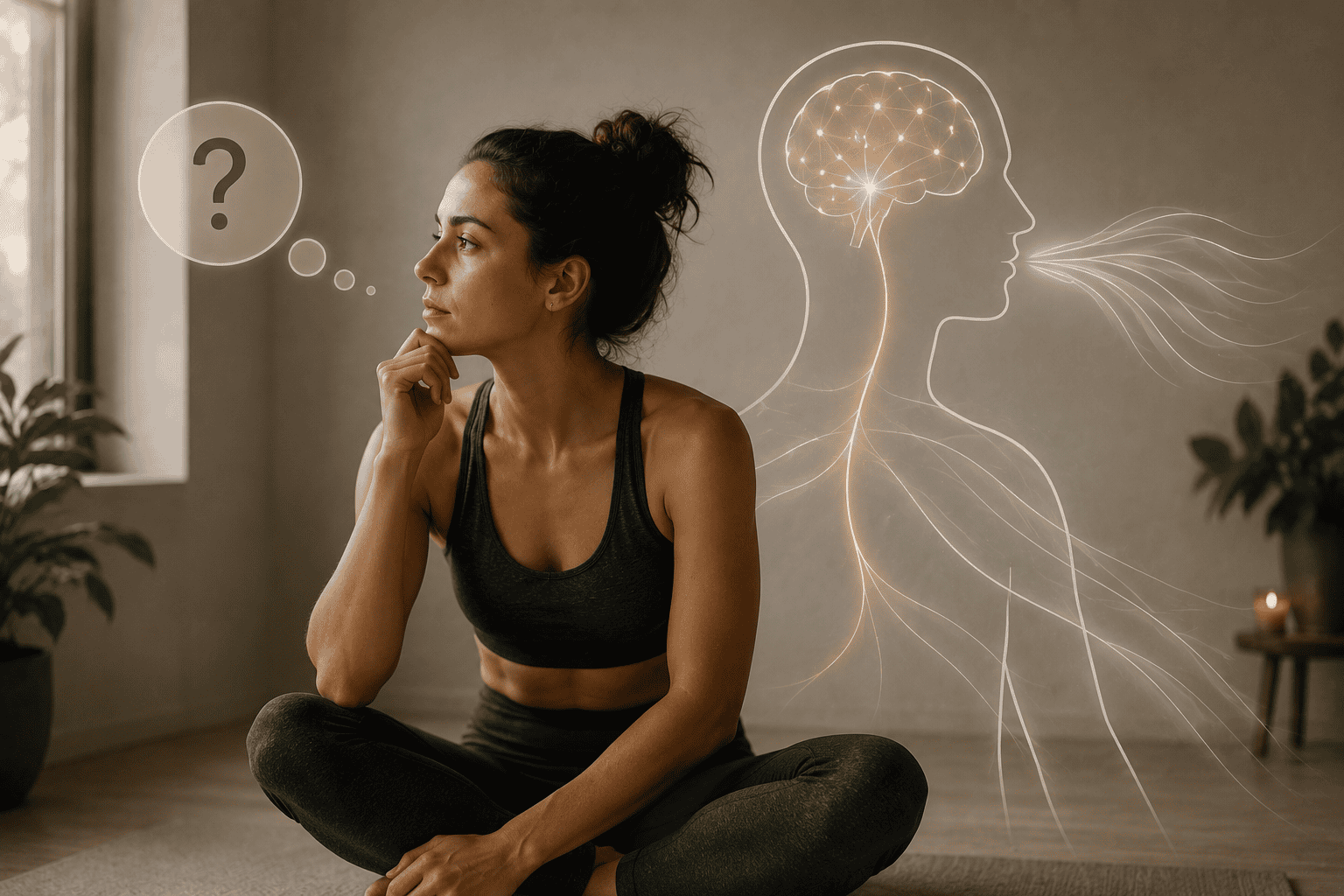
Neurodynamic Breathwork presents a new method which unites breathing exercises with neuroscientific knowledge to create a system that supports physical and emotional and spiritual wellness. This practice enables people to understand themselves better through its foundation which shows how breathing patterns affect our physical body and mental state.
Neurodynamic Breathwork serves as a powerful choice for people who want to build better self-awareness while they enhance their overall life quality through their rising interest in holistic health and alternative healing methods. This article will analyze the main concepts and advantages of Neurodynamic Breathwork together with its scientific evidence and personal user feedback and real-world applications to create an all-inclusive resource for beginners and experienced users.
If you’re interested in exploring more breathwork practices and transformational breathing methods, you can also check out our guides below:
Conscious Connected Breathwork: My New Obsession in 2026
The Truth About Rebirthing Breathwork: My Fearless Journey
The Truth About Soma Breath: How to Connect Mind & Spirit
Overview of Neurodynamic Breathwork
Neurodynamic Breathwork functions as a special method which unites controlled breathing with physical exercises and present-moment awareness to help people develop better perception while they discharge emotional blockages. The method emerges from different therapeutic approaches which include somatic therapy and traditional breathwork techniques but it introduces a new perspective which combines yoga with therapeutic practices and controlled breathing exercises. The breathwork movement started when its first followers dedicated themselves to developing lung function while learning to access the emotional treasures which our bodies hide.
Neurodynamic Breathwork shares breath work with Pranayama and Holotropic Breathwork but it separates itself through its approach which combines physical body work with brain system activation. The practice of Pranayama teaches people to control their breathing patterns but Holotropic Breathwork enables them to explore their psychological depths through unstructured breathing sessions. Neurodynamic functions as a friendly companion who brings a yoga mat and music selection to the party because it enables people to discover their inner selves through movement-based breathing exercises.
If you want to become a Breathwork Certified Coach, check out: 7+ Breathwork Facilitator Training: The Best Affordable Options
Key Principles and Techniques
The basic operation of Neurodynamic Breathwork depends on three fundamental principles which include connection and awareness and release. The book shows that breathing functions as more than physical sustenance because it enables people to reach their mental and emotional states. People who practice movement with breath release their hidden feelings which helps them establish strong connections with their body awareness because our physical sensations sometimes exceed our mental capacities.
Step-by-Step Guide to Practice
1. Find Your Space: Choose a quiet, comfortable area where you’re free to move around without fear of judgment—unless,of course, you enjoy an audience.
2. Warm-Up: Start with gentle stretches to loosen up. The exercise serves as an introductory section which will lead you to perform your breathwork routine.3. The practice of breath awareness requires you to close your eyes while you take deep breaths to understand your body’s sensing abilities. The body shows different signs which force me to notice those particular areas that need my attention.
The practice of deep breathing needs you to start moving your body when you begin taking deep breaths. You can choose to move your body through gentle swaying or powerful shaking based on what seems appropriate to you. After you finish your designated time block which lasts between 30 and 60 minutes you should enter a state of stillness. You should spend some time reflecting about your experience through writing in a journal or by enjoying the peaceful sensation which follows your breathwork session.
Benefits of Neurodynamic Breathwork
The practice of Neurodynamic Breathwork produces impressive physical advantages which include better lung function and improved blood flow and increased vitality. Who wouldn’t want to breathe easier and feel more vibrant? The method offers pain relief which makes it an ideal support system for people who need long-term pain management. The process transforms your body into a functional musical instrument which performs health through its active musical performance.
Neurodynamic Breathwork produces excellent benefits which help people develop their mental and emotional abilities. The participants experience decreased anxiety levels while their emotional state improves and their ability to manage their emotions becomes better. The practice enables people to handle their stored emotions through safe methods which help them decrease their stress and anxiety levels until their emotional state turns into mindful tranquility.
Neurodynamic Breathwork has become the final spiritual practice which many practitioners use to connect with their spiritual nature. The practice helps people develop self-awareness which leads to feelings of connecting with all existence that creates a common experience of transcendence. The method helps people discover their spiritual essence through breath control which also promotes self-awareness development.
Scientific Evidence and Research Findings
Research into breathwork techniques, including Neurodynamic Breathwork, has been steadily growing. A number of studies highlight its ability to reduce stress, improve cognitive function, and even enhance emotional resilience. The practice of breathwork has shown to reduce cortisol levels when people perform it regularly which results in a more peaceful state of being.
Neurodynamic Breathwork activates multiple brain areas which control emotions and help people handle stress according to neuroscientific knowledge. Brain imaging research shows breathwork practice leads to neuroplasticity which enables the brain to develop and transform itself. So, in a way, you’re not just breathing—you’re rewiring your brain for a more adaptable and resilient self. Who knew breathing could be such a brainy activity?
Learn more about the difference between Breathwork vs Meditation: Which Proven Method Fits You Best?
Case Studies of Transformative Journeys
Neurodynamic breathwork users have shared numerous powerful testimonials which show their personal transformative experiences. Sarah represents a teaching professional who reached age 32 while facing an ongoing battle with her anxiety condition. The patient experienced a complete transformation after her first treatment sessions because she explained, “I stopped rushing through my life to experience its real meaning.
I felt like my brain functioned as a high-speed computer which needed someone to activate its main control button.” The story includes Tom who works as a corporate executive but he struggles with stress management. Through his practice of this breathwork method he transformed from a boardroom fighter into a Zen master who practiced in his home space. The workplace staff members remain puzzled yet their blood pressure shows better results from my practice. These stories demonstrate how breathwork serves as an active force which drives people toward self-discovery.
Common Challenges and Success Stories
The practice of neurodynamic breathwork receives praise from many people yet it does not solve all health issues. Multiple elements come together to make participants feel uncomfortable during their sessions. Mia described her first session as an experience which opened Pandora’s box in an unexpected positive manner while she worked through her neglected grief.
Multiple people fail to maintain their practice because they tend to forget about breathwork until their next meltdown occurs. The present obstacles transform into success stories which appear in their final form. People who stay dedicated to their goals develop into more powerful individuals who remove their physical and mental stress from their bodies. The participant described their workout sessions as a process of transforming marble into an artistic masterpiece through each challenging training session.
Practical Applications and Use Cases
The process of including neurodynamic breathwork into regular activities needs only basic breathing skills because you already understand how to do it. Research indicates that spending 5-10 minutes daily on practice activities will create major advantages for you. Try starting your morning routine with deep rhythmic breaths, or take a breather during your lunch break to re-center. A large group of people who have worked with cats reported their ability to concentrate better while their stress levels decreased which brings happiness to all cat owners who experienced keyboard interruptions.
Therapists now use neurodynamic breathwork as an additional treatment method which they include in their therapy sessions. The practice serves three main purposes which include trauma healing and anxiety control and therapy session mindfulness development. The process of sitting with your therapist to share everything leads you to understand that deep breathing techniques enable you to access hidden emotions which your body holds. The process enables emotional healing while it creates stronger bonds between therapists and clients through their shared breathwork experience.
Safety Considerations and Contraindications
The advantages of neurodynamic breathwork appear attractive but this practice does not suit all people who need to start breathing exercises. Medical advice should be obtained by people who have asthma or epilepsy or heart problems before they participate in this activity. The process of intense emotional release might create difficulties for people who have experienced serious mental health problems in the past. You should get professional advice when you need to make decisions about things which concern you.
Tips for Safe Practice
Start your breathwork session with slow breathing to maintain safety standards. You should practice in an environment which provides you with comfort and peace while you feel relaxed because you have your favorite blankets and candles and your pet who offers silent support. You should pay attention to your body’s signals because any exercise that causes discomfort requires you to modify the technique or stop practicing. You need to drink water throughout the day because you should have water before your workout and after you finish your exercise session. The practice requires you to shift to basic breathing when things get too intense because you have mastered basic breathing techniques!
Conclusion and Future Directions
Summary of Key Takeaways
Neurodynamic breathwork functions as an effective method which supports people in their personal growth and emotional healing while providing access to those who need emotional support and self-exploration. The practice brings life-altering effects to people who practice it regularly but the path toward these benefits becomes difficult because of various obstacles. People need to recognize their safety boundaries because they must understand when to reach out for assistance. Your breath has been waiting for this moment so you should accept the entire experience of this journey.
Potential for Future Research and Development
The increasing public interest in neurodynamic breathwork has opened new paths for scientific studies about this practice. The scientific community together with field experts want to study every detail which this method creates in human physiology and mental processes. Clinical trials which study this treatment for PTSD and chronic pain patients could develop new methods to treat these health problems. Scientists predict that neurodynamic breathwork will develop into a powerful practice which will lead to new employment opportunities for breathing specialists.
The upcoming years will probably bring the establishment of “Chief Breath Officer” as an official career position!In conclusion, Neurodynamic Breathwork serves as an effective method which unites traditional knowledge with contemporary scientific research to help people achieve personal development and achieve healing. The practice enables people who want to explore their mental and physical state through holistic wellness methods. The self-care practice of Neurodynamic Breathwork helps people build better emotional strength while it supports their physical health and spiritual development. The practice of this method leads to deep discoveries which help people understand themselves better and create permanent transformations in their lives.
Frequently Asked Questions
What is the difference between Neurodynamic Breathwork and other types of breathwork?
Neurodynamic Breathwork combines neuroscientific principles with conventional breathing methods to study how breathing patterns affect emotional and mental states through the connection between body and mind. Different breathwork methods focus on various elements which include stress reduction and power discharge but they lack the scientific basis that Neurodynamic Breathwork provides.
The practice of Neurodynamic Breathwork exists as a safe method which people can perform.
The practice of Neurodynamic Breathwork remains safe for most people but doctors should avoid using this method with patients who have severe respiratory problems or heart conditions or who experienced traumatic events in their medical history. Any person who wants to practice new breath techniques needs to seek professional medical advice before they start.
How often should I practice Neurodynamic Breathwork to see benefits?
The frequency of practice depends on individual goals and their specific experiences. People should begin with several therapy sessions each week to see initial results before they increase their session count once they start understanding the methods better.
Can Neurodynamic Breathwork be combined with other therapeutic practices?
Yes, Neurodynamic Breathwork functions as a supportive method which works with yoga and meditation and psychotherapy and mindfulness practices. Different approaches work better together to create improved wellness results which deliver a more complete experience.