


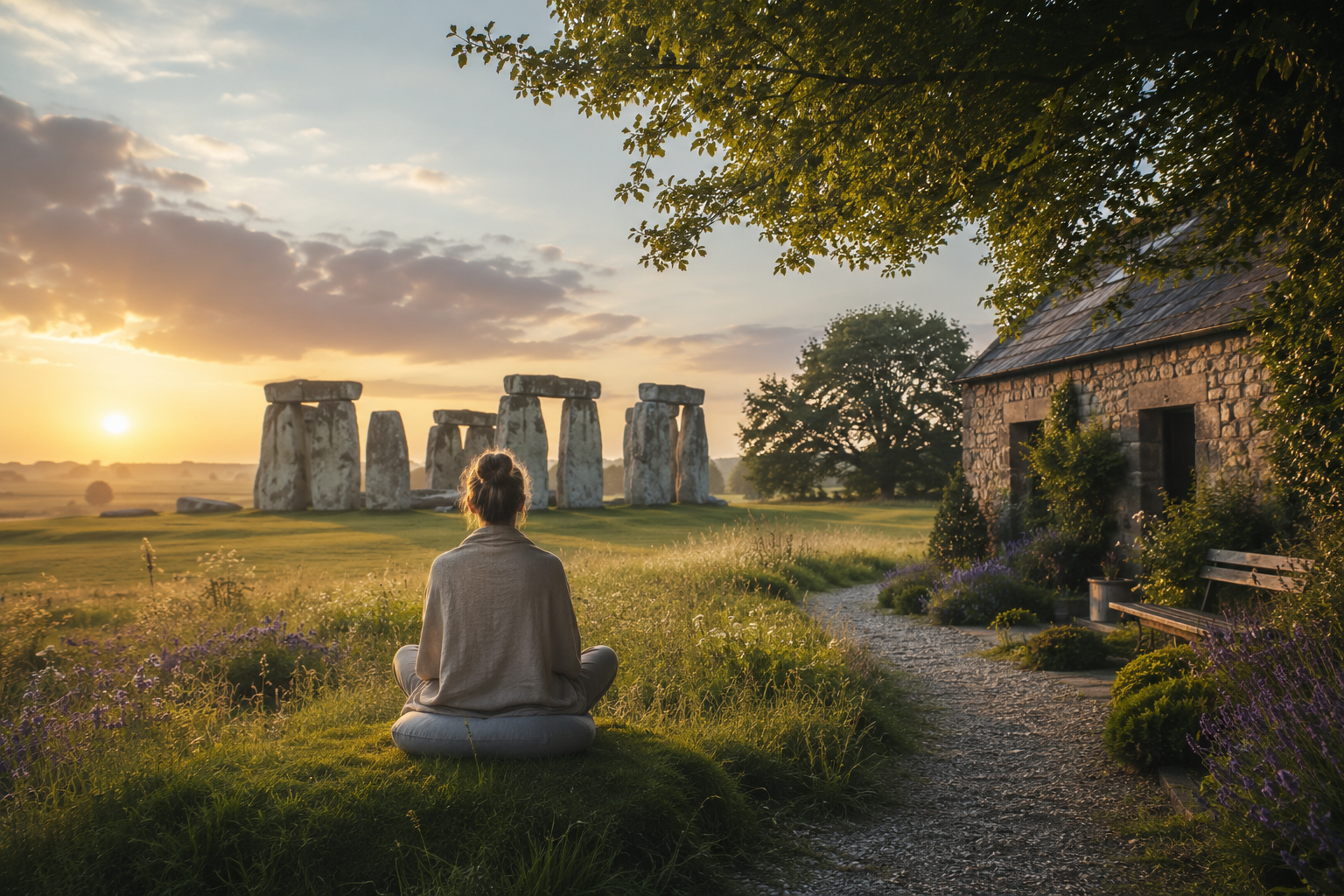
Silence tends to reveal what words often cloud. For anyone grappling with inner noise or longing for a complete mental reset, the best silent meditation retreats in the UK offer something striking: dedicated spaces to nurture stillness, presence, and profound self-reflection. These retreats, rooted in traditions from Vipassana to Zen, invite people from every walk of life to step away from digital chatter and daily demands.
They provide guided meditation in tranquil settings—think lush woodlands, quiet moors, or historic houses—where silence becomes not just an absence of sound but an active, transformative force. Sessions often blend sitting and walking meditation, wholesome meals, and mindful routines, letting you reconnect with your mind, body, and the world in a new way.
Silent meditation retreats in the UK are immersive programs where participants refrain from speaking and digital distractions, focusing instead on mindfulness, meditation practices, and inner reflection; these retreats help reduce stress, deepen self-awareness, and offer structured guidance—benefiting beginners and seasoned meditators alike.
Introduction to the Best Silent Meditation Retreats in the UK
Step into a British landscape of ancient woods and rolling green hills, where the drone of notifications and traffic fades into a memory. Here, UK silent meditation retreats have carved a quiet niche for all seeking a break from daily overdrive. 2026 marks a period when these retreats have moved beyond niche wellness to become a central part of the national conversation around wellbeing.
United Kingdom silent meditation retreats aren’t some far-flung fantasy reserved for ascetics on mountaintops. They exist within reach—Devon farmhouses, Welsh eco-lodges, even Victorian estates converted to havens for contemplation. Shapes and sizes vary, but their essence is shared: structured periods of silence (sometimes called noble silence), a focus on meditation, minimal external stimuli, and the kind of hospitality that prioritizes inner exploration over outward show.
These meditation retreats in the UK for silence differ from traditional holidays. Forget idle chatter by the pool; imagine meals eaten in a mindful hush, daily routines that ritualize every sensation, and days marked more by the opening and closing of meditation bells than clocks. There’s a deep sense that even in a bustling nation, pauses matter—and that silence, in the right setting, can realign the mind’s compass.
Silent meditation retreats United Kingdom style often draw on Buddhist, yogic, or mindfulness traditions, but you’ll also find Christian silent retreats, secular formats for the spiritually neutral, and more experimental takes that combine yoga with silent contemplation. What they all share: the courage to suggest that less talking, less digital noise, and more attentive observing is not just restorative, but essential for modern life.
Why Choose a Silent Meditation Retreat in the UK?
Why trek halfway across the world when the unique mix of history, culture, and breathtaking scenery in the UK can provide just the right backdrop for meaningful silence? The United Kingdom has embraced silent meditation retreats not only as wellness escapes but also as opportunities to reconnect with one’s deeper self, free from the distractions of routine life.
There’s a kind of magic to British locations: stone-walled cloisters, ancient forests heavy with birdsong, chilly Scottish mornings thick with mist. In these spaces, the subtle layers of thought and emotion seem to settle. The UK also brings a uniquely down-to-earth approach to silence—less about escaping reality, more about facing it quietly, with courage and patience. Cheaper flights, no jet lag, and a host of seasoned teachers who trained internationally but rooted here, have all launched silent retreats in the UK into a period of remarkable popularity.
Many retreat centers, from the renowned Gaia House in Devon to the eco-focused sanctuaries of Wales, make it possible to combine silence with communion with nature. Being able to step out into fresh air and wild beauty between meditation sessions gives the UK silent meditation retreat experience a particular kind of depth and accessibility. Some even say the ageless British weather—changeable, at times grey, always evocative—fits the contemplative mood: “It’s like the world is quietly holding its breath along with you,” as a past participant at Sharpham House once remarked.
Location aside, there’s also something deeply practical about choosing a UK-based retreat. Language isn’t a barrier, support is often close at hand if needed, and it’s easier for many to commit to silence when the logistics feel manageable. With the surge in interest since the pandemic era, even those new to meditation can find UK silent meditation retreats that are both welcoming and challenging, grounded in tradition yet adaptable for modern needs. All this makes these spiritual pit stops much more than a passing trend—they’ve become, for many, a lifeline.
Benefits of Silence: What to Expect From Silent Retreats
Silence isn’t just an absence of sound; it’s the presence of something potent. Those who sign up for silent retreats in the UK typically come with curiosity or fatigue—sometimes both. The appeal? The promise that a quiet period will cut through distraction and open new doors within.
Most people notice a kind of internal reset during long periods of silence. Anxiety often softens, sleep patterns recalibrate, and the incessant swirl of thoughts slows down. Participants tend to notice details they had overlooked before—an unexpected comfort in the taste of porridge, the snap of cold air on early walks, or the soft rhythm of birds at dusk. This sensory clarity, rooted in mindfulness, is a hallmark of meditation retreats in the UK for silence.
The deeper layer is less about sensory novelty, more about self-acceptance. When external chatter drops away, patterns of thinking, feeling, and reactivity become visible. Many describe breakthrough moments: a sudden sense of inner peace, unresolved grief rising without resistance, or a fresh perspective on long-held worries. Group silence (yes, it’s a thing) has its own energy—people report a gentle feeling of being supported by others in their inner work, all without a word exchanged.
Practically, silent meditation retreats in the UK also give the nervous system a much-needed break. Science now backs what ancient traditions have suggested for centuries: prolonged silence and meditation reduce cortisol levels, support immune function, and foster emotional resilience[1]. The result? People return home less reactive, more attentive, and often—ironically—better able to listen, speak, and connect in their regular lives.
Best Silent Meditation Retreats in the UK
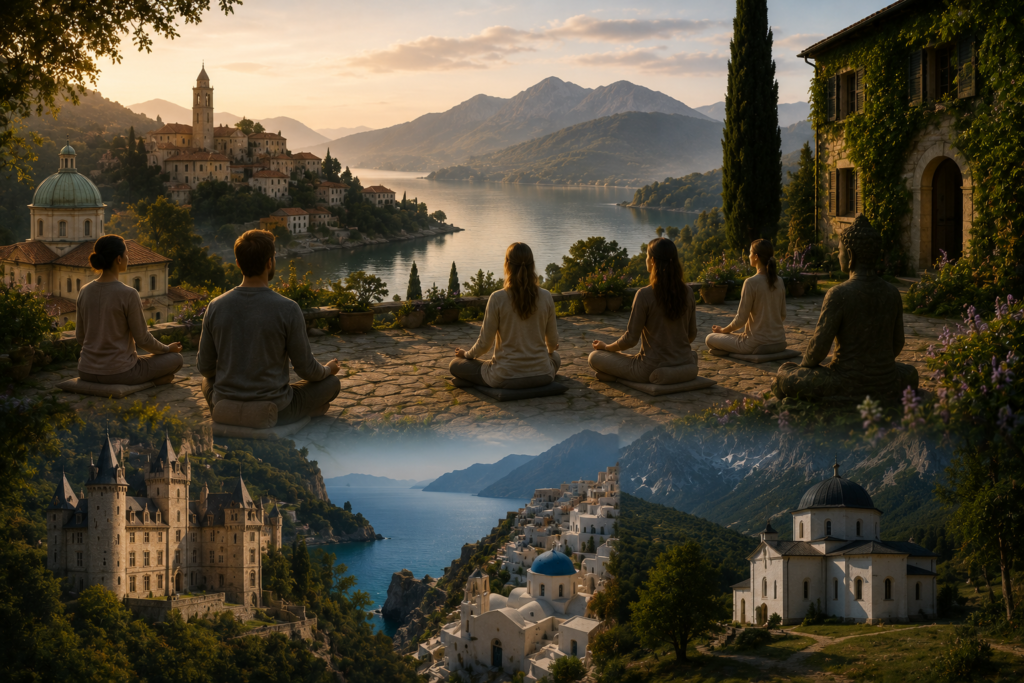
Here’s where things get practical. Not all UK silent meditation retreats are created equal. Some cater to seasoned practitioners, others throw open their doors to the absolute beginner. Each offers its own blend of tradition, hospitality, and practical details—from length and cost, to meditative style, amenities, and ethos. Below, you’ll find 15+ of the best silent retreats in the country—each with its distinct character, but all united by an invitation to reset through silence.
Gaia House
Location: West Ogwell, Devon
Best for: Insight Meditation (Vipassana and mindfulness), mixed experience levels
Standout aspect: Deeply rooted Dharma tradition, inclusive community, wide range of retreat lengths and formats
Gaia House sits at the heart of silent meditation in the UK. Imagine thick-stone walls, gardens designed for contemplative strolls, and a schedule shaped by ancient Buddhist insight meditation (‘Vipassana’), led by a roster of international teachers[2]. Both short weekend immersions and extended stays are on offer, plus personal retreats for those seeking complete solitude. Gaia House stands out for its embrace of diversity: people of all spiritual backgrounds (or none) mix easily, and there’s an ongoing commitment to accessibility. Days flow from early-morning group sits to mindful walks and work periods, punctuated by evening Dharma talks. Vegan and vegetarian meals are part of the package, blending nourishing simplicity with care.
What visitors most often remark on? The profound quiet weaves throughout every aspect of the experience—one participant described “hearing the rain on the roof as if for the first time.” Pricing is donation-based with a recommended sliding scale, so no one is turned away for financial reasons. Gaia House’s approach to silence: more open-hearted than rigid, trusting that stillness can honestly meet people wherever they are.
Vajraloka Meditation Retreat Centre
Location: Near Corwen, North Wales
Best for: Buddhist meditation in a rugged, natural landscape
Standout aspect: Triratna Buddhist tradition with immersive, structured schedules and deep group practice
Sitting tucked into the foothills of Snowdonia, Vajraloka brings both wild nature and deep silence to the fore. This centre is well-known for its Triratna Buddhist roots and a schedule that’s both gently demanding and supportive. Retreats here are almost always conducted in ‘noble silence’, with daily routines dedicated to sitting practice, walking meditation through lush, rambling fields, and talks from resident and visiting teachers.
Rooms are simple but comfortable, communal meals are vegetarian, and there’s a strong ethos of shared responsibility—think mindful kitchen work and organic gardening. Vajraloka is often favored by those looking to move beyond introductory techniques and steep themselves in continuous practice, though newcomers with genuine motivation are also welcome. Prices are moderate, often in the £350–£550 range for a week in 2026 (editor-verified). Many attendees describe the centre as “both challenging and radically kind,”—a testament to its supportive group energy and sense of belonging even in silence.
Satipanya Buddhist Retreat
Location: Mid-Wales, near Oswestry
Best for: Structured Vipassana, experienced practitioners
Standout aspect: Mahasi school of insight meditation, small groups, intensive teaching, strict silence
Those seeking a highly disciplined silent meditation retreat in the UK find Satipanya particularly compelling. Programs are primarily based around the Mahasi technique of Vipassana, expecting participants to maintain unbroken noble silence throughout. Retreats are typically residential and run by appointment or during scheduled group intensives. Satipanya’s rural setting is central to its appeal—picture endless views across the Cambrian hills, where the only interruptions are natural sounds.
Small group sizes mean participants get regular (if silent) guidance and support. Meal times are intentionally quiet, and all chores are shared. Satipanya is well-suited to people committed to deep personal practice; several retreats require prior experience. The centre is also not-for-profit and keeps costs modest to ensure accessibility. What you get is profound quiet, far from wifi and urban rhythm. As one Mahasi practitioner said: “After a while, the mind stops fighting and begins to settle—like a pond after the rain.”
Taraloka Retreat Centre
Location: Near Ellesmere, Shropshire
Best for: Women’s Buddhist retreats with an emphasis on silence and community
Standout aspect: Idyllic lakeside setting, strongly supportive group, Triratna Buddhist principles
Taraloka is a women-only retreat center renowned for its blend of structured meditation and supportive community. Lake views, ancient willows, and a cluster of converted farm buildings create a sense of enclosure and belonging. Retreats range from introductory mindfulness and compassion practices to in-depth silent periods—sometimes over several weeks.
While meditation is central, there’s also an intentional space created for sharing silence with others facing similar challenges. Group rituals, walks, and simple work periods help maintain a rhythm. Community meals are vegetarian, mostly organic, and prepared in silence as part of practice. Fees in 2026 are in the £320–£600 range for weeklong retreats (editor-verified). Many attendees highlight the warmth of the facilitators and the rare sense of acceptance that lingers long after words have faded.
Padmaloka Retreat Centre
Location: Norwich, Norfolk
Best for: Men’s Buddhist retreats, silent intensives
Standout aspect: Deep engagement with yogic and meditation practice, Triratna tradition, historic grounds
Padmaloka is the male counterpart to Taraloka—a meditation retreat steeped in Buddhist tradition for men at all practice stages. Set amid tranquil East Anglian fields, Padmaloka features silent retreats and structured study intensives, many with long periods of group and personal silence. Many programs weave together meditation, ritual, and practical guidance in self-understanding.
The regime can be disciplined, but there’s a strong emphasis on self-acceptance and collective wellbeing. The centre’s stone meditation hall, wild gardens, and communal vegetarian meals create an environment where focus comes naturally. Padmaloka also keeps costs accessible, with many bursary options in 2026. Those seeking substantial immersion without frills will find this retreat unusually grounding—many return year after year.
Rivendell Buddhist Retreat Centre
Location: East Sussex
Best for: Short silent mindfulness retreats, creative approaches, inclusive atmosphere
Standout aspect: Converted Victorian country house, eco-principles, beginner-friendly format
For those a little daunted by longer UK silent meditation retreats, Rivendell offers a soft landing. With its quirky Victorian charm and eco-friendly ethos, the centre runs frequent 3–5 day retreats focused on mindfulness, compassion, and creative silent exploration. Programs blend traditional Buddhist practice with contemporary psychology and gentle movement or art-based sessions.
Rivendell’s leafy grounds set the scene for reflective walks during breaks, and mealtimes stretch out in quiet shared company. Some shorter retreats serve as gentle introductions, while advanced options immerse you in deeper silence. Around £300–£500 for most multi-day experiences (editor-verified). The centre’s staff are famously supportive, demystifying meditation for newcomers with warmth and guided structure.
Sharpham House
Location: Totnes, Devon
Best for: Mindfulness silent retreats, nature immersion
Standout aspect: Historic Grade I listed mansion, organic gardens, mindfulness-in-nature experience
Sharpham House pairs noble silence with a splash of bucolic grandeur. The retreats focus strongly on secular mindfulness and awareness, often weaving in walks along the River Dart and periods of mindful gardening. The historic house and grounds provide a unique backdrop—old oaks, wild meadows, and vegetable patches cultivated for retreat meals.
Retreats range from long weekends to weeklong intensives, with silence as the golden thread. Group sharing is sometimes included at the opening and closing circles, but for the bulk of the stay, “eye contact and gestures only” is the rule. Prices typically fall between £370 and £790 for 2026, including full board[3]. Sharpham’s motto? “Rest. Reflect. Renew.”—a sentiment echoed long after guests have departed.
The Global Retreat Centre
Location: Nuneham Courtenay, Oxfordshire
Best for: Free silent meditation day retreats, introduction to Raja Yoga and mindfulness
Standout aspect: Grand Georgian campus, accessible single-day silent events, non-sectarian teaching
The Global Retreat Centre stands out for making silence accessible even for those with little time or zero experience. Regular free, donation-based silent days introduce Raja Yoga meditation and mindfulness, held amid elegant halls, expansive lawns, and views of the Thames Valley. While multi-day residential options are sometimes available, single-day drop-ins are the big draw here.
The approach is modern, diverse, and strictly inclusive—serene spaces where anyone can try on silence without pressure. Guided meditation, mindful walking, and simple meals structure the day. The Global Retreat Centre has become a bit of a local legend for people curious about silent retreats but not ready to dive into the deep end. Booking in advance is recommended, as these sessions often fill up quickly[4].
Tara International Kadampa Retreat Centre
Location: Etwall, Derbyshire
Best for: Kadampa Buddhist silent retreats
Standout aspect: Authentic Buddhist teachings, wide range of retreat lengths, peaceful parkland setting
Tara Centre is part of the global Kadampa tradition, offering silent meditation retreats in the heart of England. Participants join guided and self-directed periods of calm abiding (shiné) and Lamrim contemplation. Periods of noble silence are observed, especially during intensive courses and weekend retreats.
Programs welcome people at all levels of experience, with many programs aimed at both beginners and seasoned practitioners. Beautiful gardens, modern yet atmospheric facilities, and structured support from ordained teachers help create a supportive environment for going inward. Costs are usually very reasonable for what’s offered—a testament to the non-profit ethos that runs through this tradition. Tara’s inclusive atmosphere keeps people returning, especially for annual silent intensives.
International Meditation Centre
Location: Splatthayes, Devon
Best for: Traditional Buddhist (Sayagyi U Ba Khin) meditation, intensive silent retreats
Standout aspect: Teaching lineage, structured practice, affordable pricing
The International Meditation Centre in Devon is designed for serious practice. Rooted in the Sayagyi U Ba Khin school of Vipassana, programs are almost always conducted in silence over a period of 10 days. Structured meditation schedules start as early as 4:30 a.m., alternating periods of seated and walking meditation with breaks for vegetarian meals and rest. Absolute digital silence is strictly enforced.
While this can sound daunting, many participants remark that the unwavering routine and rural setting help silence become a friend rather than a foe. Costs here are almost always on a donation-only basis, ensuring access regardless of financial means. These silent meditation retreats are recommended for those prepared to commit, ready for the challenge and the reward that comes with it.
Samarpan Yog Centre for Meditation and Retreat
Location: Multiple sites—Woking, London suburbs, and rotating UK venues
Best for: Silent spiritual and yogic meditation, community-based stillness
Standout aspect: Indian yogic traditions, emphasis on Shree Shivkrupanand Swamiji’s teachings, accessible for first-timers
Samarpan Yog Centre weaves together silence and group energy, providing structured silent meditation retreats that blend classical yogic principles with a contemporary, friendly environment. Hosted in various locations throughout the year, these silent retreats range from day events to full weekends.
Instruction draws on the Samarpan lineage, with guided meditation sessions, spiritual discourses (often at the beginning and end), and support for those new to group silence. Emphasis is placed on inclusivity—whether you’re seasoned in yoga or entirely new to stillness, the intention is to invite everyone to “experience the vibration of silence.” Pricing is moderate and event-specific, with an active sliding-scale policy. Many attendees leave reporting not just stillness, but also a sense of joyful connection that lingers long after the retreat ends.
Zen Jungle Retreat
Location: Rural Sussex
Best for: Zen meditation, creative silent exploration, nature immersion
Standout aspect: Off-grid woodland setting, Zen sesshin format, experiential silent activities
Zen Jungle has quietly carved out a niche for experiential Zen meditation in the British countryside. The approach is both ancient and fresh—immersive periods of zazen (seated meditation), silent mindful walking, and gentle engagement with the natural world. Unlike traditional monastery-based Zen, Zen Jungle keeps things accessible, even playful: think silent forest walks, nature-based art sessions, and open-air tea ceremonies…with no talking allowed.
Accommodation is intentionally rustic, with eco-lodges and woodland cabins encouraging digital solitude (most retreats strictly ban phones). Sessions run from weekends to weeklong immersions, open to newcomers and seasoned Zen practitioners. Prices run between £375–£750 depending on length and accommodation. Participants describe the experience as “deliberately simple, beautifully awkward—in the best possible way.”
Samadhi Retreats
Location: North Wales, Oxfordshire, and rotating rural retreats in the UK
Best for: Blending yoga and silent meditation, nature-based mindfulness
Standout aspect: Integrated yoga and meditative practice, two beautiful locations, accessible for all levels
Samadhi Retreats stands at the intersection of yoga, silence, and deep relaxation. They run silent meditation retreats in both North and mid-Wales, as well as Oxfordshire and Lincolnshire, choosing sites that put nature at the fore: think forests, valleys, and open meadows. Programs combine structured silent meditation with gentle yoga, mindful movement, and time for reflection outdoors.
Sessions are highly supportive, welcoming both total beginners and more advanced meditators who want to return to foundational practices. The schedule typically includes meditation, twice-daily yoga, periods of noble silence, and inspired vegetarian meals. Prices usually hover in the mid-range, with options adjustments for accommodation type. Past attendees highlight the “deep calm that settles in when yoga and silence meet under the Welsh sky.”
Seeds of Silence
Location: Various rotating venues (Devon, Kent, online)
Best for: Mindfulness and contemplative silent retreats, creative and secular perspectives
Standout aspect: Flexible retreat lengths, practical guidance, creative silent activities
Seeds of Silence is a non-profit project that runs face-to-face and online silent meditation retreats across southern England. Their format is modern and secular, often blending classic mindfulness meditation with gentle yoga, creative art, and nature walks. Designed to feel both rigorous and gentle, programs often welcome first-time silent retreatants worried about strict protocols.
What makes Seeds of Silence memorable is its sense of inclusion and flexibility: shorter events (including “Micro-Retreats”) lower the barriers to entry. Prices vary but are always kept affordable, with scholarships available. These retreats are perfect for those drawn to silence but wary of intensive or overtly spiritual environments. As one attendee put it, “You can go as deep as you want—without feeling like you have to wear spiritual wallpaper.”
Goenka Vipassana Centres (UK)
Location: Dhamma Dipa (Herefordshire), Dhamma Sukhakari (Buckinghamshire), and pop-up venues across the UK
Best for: 10-day intensive Vipassana retreats, strict noble silence, authentic global tradition
Standout aspect: Rigorous schedule, donation-only model, global credibility
For many, Goenka-style Vipassana retreats are the gold standard in silent meditation. The UK’s two fixed centres—Dhamma Dipa and Dhamma Sukhakari—run the globally recognized 10-day programs where silence (noble silence) is absolute. From the opening evening, participants surrender all speech, digital devices, books, and even eye contact outside guided activities.
Days start at 4 a.m. and run through a meticulously crafted timetable: seated and walking meditation, breaks for vegetarian meals, rest, and short talks on Vipassana theory. The course is challenging—both physically and mentally—but free to attend, thanks to a donation-only funding model that keeps places open to anyone, regardless of means.
These retreats are not for the faint-hearted, but those who complete them speak of profound shifts: “It’s the kind of silence that tears you apart and puts you back together in a stronger way.” Booking well in advance is necessary, as demand now outstrips supply by a wide margin.
What Is a Silent Meditation Retreat?
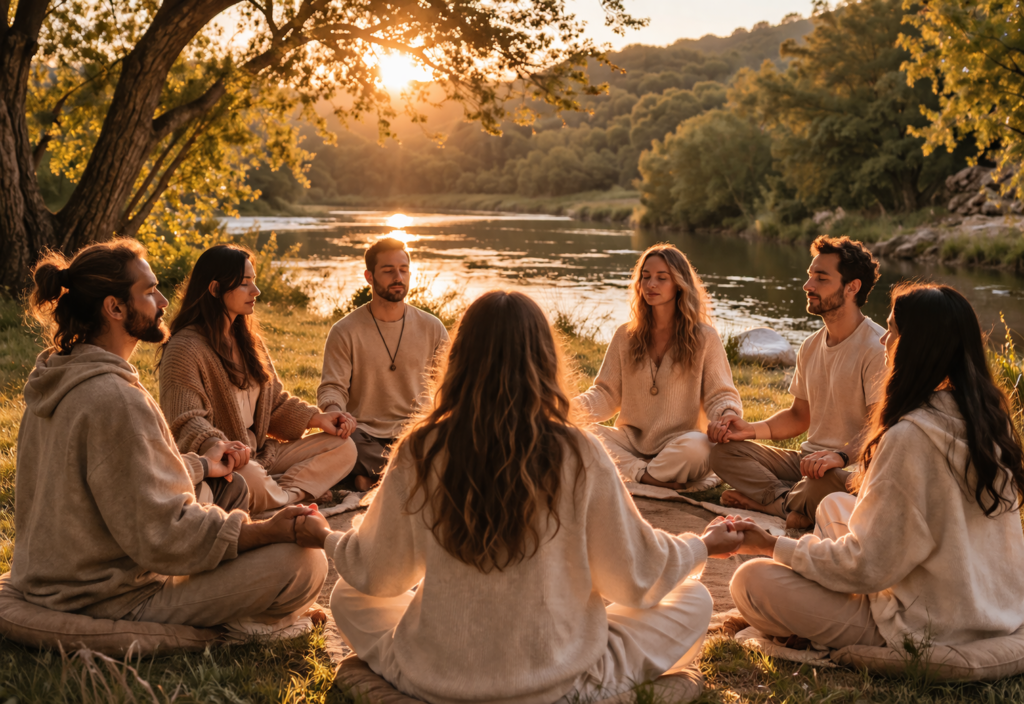
An innocent question for some, a loaded one for others. At its simplest, a silent meditation retreat is a structured period—usually a weekend to ten days—where participants agree to refrain from all speech and, often, nonverbal communication. But the silence is rarely just about not talking. It’s about creating the right conditions for inward observation and self-study.
Across the UK and globally, silent retreats typically interweave guided meditation sessions, mindful movement, shared meals (taken in silence), and blocks of time dedicated to both formal practice and solitary rest. Attendees are encouraged to step away from phones, books, and all outside inputs, focusing entirely on direct experience and the natural flow of thought and feeling.
Most centers, whether Buddhist, secular, or yogic, provide a framework: early wake-ups, daily routines, alternate periods of sitting and walking meditation, and supportive group structures (even if much of the interaction is silent). Teachers guide practice, answer urgent questions in brief check-ins, and create a safe “container” for participants to face themselves without the constant buffer of casual dialogue.
Notably, a silent meditation retreat is not a holiday or a therapeutic intervention—it’s a conscious pause, rooted in ancient practices, that works because it strips away distraction. The result? As one seasoned practitioner put it: “It’s the only place I know where you can hear both your worries and your wisdom, equally loud and clear.”
Benefits of a Silent Meditation Retreat
Ask any of the countless people who have left their first UK silent meditation retreat, and you’ll hear a similar story: it’s not always comfortable, but it’s usually transformative. Why do silence and meditation—especially combined over several days—seem to work so powerfully?
- Reduced mental clutter — Extended silence slows the drive to fill every gap with activity, letting thoughts and emotions come and go more gently. Many report sudden clarity or the unexpected surfacing of creative ideas after several days in silence[5].
- Heightened awareness — Sensory details pop, small pleasures matter more, and mundane routines become ritualistic. Eating a meal in silence, hearing distant birdcall, or noticing the feel of breath can feel almost revelatory after a few days.
- Emotional processing — Patterns of stress, grief, or old emotional wounds surface more readily when external distraction drops away. While this can be challenging, most retreats provide support structures—teacher check-ins, guided meditations, and a clear timeline to help process whatever comes up.
- Community… without words — There’s something counterintuitive about the way a silent group can feel so supportive. People often describe a sense of being “held” by the collective silence, knowing others are engaged in the same struggle and discovery.
- Physical benefits — Research points to lowered stress hormones, improved sleep, and even strengthened immune response following structured silent retreats[1].
Over the past decade, the popularity of silent meditation retreats has surged as more people grow interested in digital detox and face-to-face (or, more accurately, silent-side-by-side) presence. “I haven’t felt this clear in years,” is a common refrain on the final day. Silence, it turns out, can be far more than the absence of noise. It’s an invitation to live with greater attention, acceptance, and ease.
Who Is a Silent Meditation Retreat For?
It’s natural to wonder, “Am I the right fit for a UK silent meditation retreat?” There is no single mould to fit. These retreats appeal to a remarkable variety of people—burnt-out professionals, spiritual seekers, students, artists, retirees, and anyone simply seeking a break from the routine. The unifying trait? A willingness to be with oneself (and a few gentle strangers) without the usual distractions.
Beginners, especially those interested in mindfulness or secular meditation, can find programs tailored to their pace. Many retreat centres in the UK now offer special “Introduction to Silence” weekends or short mindfulness immersions where guidance is continuous and the group dynamic extra supportive. More experienced meditators, including those from Buddhist, yogic, or even Christian backgrounds, often return to silent retreats to deepen or reset their practice.
Those wrestling with big life decisions, in periods of grief, or simply feeling unsettled, frequently find silent retreats offer a kind of reset not possible in daily life. As one participant said after her first Goenka Vipassana, “It’s amazing what becomes clear when there is nobody to convince—least of all yourself.”
Who Should Avoid a Silent Meditation Retreat?
While almost anyone might benefit from silence, it’s important to acknowledge that silent meditation retreats in the UK—or anywhere—aren’t suitable for everyone. Those currently experiencing acute mental health crises, or anyone with a recent history of trauma where long periods of silence might be destabilizing, should consider caution (always consult a qualified mental health professional first).
People looking primarily for a social, wellness holiday may be surprised by how intense silence can get—expect no idle conversation, minimal external stimulation, and a degree of physical and emotional challenge. Also, most retreats involve periods of sitting meditation that can be physically demanding for those with chronic back, hip, or knee problems; accommodations can often be made, but it’s vital to ask ahead.
Finally, anyone unable or unwilling to disconnect from digital devices, outside communication, or constant entertainment may struggle to get the intended benefit. Silent retreats reward those ready (however nervously) to “meet themselves in stillness”—and that’s not always everyone, every season. A candid conversation with the centre staff beforehand can help clarify whether this is the right moment for such a strong prescription of quiet.
Different Types of Silent Meditation Retreats
The UK is nothing if not inventive, and this extends to the styles of silent retreats available nationwide. While the “no talking” element is standard, formats and philosophies differ widely—sometimes even at the same centre. Here’s a brief look at the most common silent retreat types you’ll encounter across the UK scene today:
Vipassana Retreats
Vipassana, the ‘insight’ meditation made globally famous by S.N. Goenka, is one of the most widely practiced types of silent retreat in the UK. Programs, usually 7–10 days long, feature strict noble silence (no speaking, no gestures, no reading or writing) and a rigorous daily meditation schedule that begins well before sunrise. This style is grounded in Buddhist traditions but does not require religious affiliation. Beginners are welcome, though the intensity of the schedule can be demanding.
Zen Retreats
Zen meditation (or ‘zazen’) brings a minimalist aesthetic to silence. Expect periods of sitting meditation interspersed with slow walking and, sometimes, work or communal chores performed mindfully and in silence. Sesshin—multi-day intensive Zen retreats—are now common in both rural and urban UK venues. These events often invite participants to engage with silence not just as absence, but as an active form of awareness. Vegetarian meals and simplicity are key; feedback often highlights both the physical intensity and the surprising warmth of these silent groups.
Mindfulness Retreats
Modern mindfulness retreats strip away most religious trappings, focusing on present-moment awareness through meditation, silent walks, gentle yoga, and mindful eating. Sessions may run from half-days to weeklong immersions, and silence is encouraged but not always absolute. Nature plays a prominent role here—most UK mindfulness silent retreats make creative use of wild settings to deepen the sense of awareness. These retreats are accessible, supportive, and especially popular among beginners or those coming from workplace-based mindfulness programs.
Buddhist Retreats
Buddhist silent retreats vary by tradition—Theravada, Mahayana, Tibetan, and Triratna centres each bring their own flavor. What they share: morning and evening meditation, periods of noble silence, opportunities for group chanting or ritual, and daily structure that supports both personal and collective inquiry. UK Buddhist retreats often balance strictness with a sense of gentleness; many include Q&A periods or quiet guidance from experienced teachers, even when most communication stays nonverbal.
Christian Silent Retreats
Lesser-known but increasingly visible, Christian houses across the UK now offer silent retreats grounded in prayer, scriptural reflection, and contemplative silence. Program lengths are flexible, and guidance is typically gentle—supporting those using silence as a way to “listen” rather than to “achieve.” These retreats are popular among those seeking spiritual reconnection free from organized activity or structured routine. The rhythm can be less intensive, with optional group prayer or communal worship woven into the silent intervals.
Yoga & Meditation Retreats
Blending ancient yoga wisdom with mindfulness, these silent meditation retreats often appeal to those wanting gentler entry points. Schedules alternate moving yoga practice with periods of silence—think sun salutations in the dawn light, followed by silent meditation or mindful breathing. The focus is on “union” of mind and body through both movement and stillness. UK offerings in this category, such as Samadhi and Tree Earth retreats, usually foster a warm, caring group dynamic, with nourishing vegetarian food and immersive nature settings as standard fare.
Secular Silent Retreats
Secular silent retreats have grown in popularity, especially among those seeking the benefits of silence minus any religious overlay. Techniques are often borrowed from mindfulness and cognitive science—think breathwork, mindful walking, and guided self-inquiry. Programs range from entry-level “silent days” to full weeklong intensives, with schedules designed to be accessible, trauma-sensitive, and flexible. The inclusive tone means people from all backgrounds (including atheists and the spiritually skeptical) feel at home here, finding value in pure awareness itself.
How Much Does a Silent Meditation Retreat in the UK Cost?
So, how much do silent meditation retreats cost? Prices for UK silent retreats for meditation in 2026 range from free (on the donation model, such as Goenka and the International Meditation Centre) to around £250–£950 for structured weeklong experiences, depending on location, accommodation type, and intensity (editor-verified).
Here’s a quick cost breakdown for popular retreat types:
| Retreat Centre/Type | Typical Length | Cost (2026, GBP) | Includes |
|---|---|---|---|
| Goenka Centres (Dhamma Dipa/Sukhakari) | 10 days | Donation-only | Accommodation, meals, instruction |
| Gaia House | 3–10+ days | £90–£550 (sliding/donation) | Accommodation, meals, teaching |
| The Tree (Yorkshire) | 5 days | £725–£895 | Room, vegan meals, yoga, guidance |
| Krishnamurti Centre | Weekend | £250–£320 | Board, ensuite room, all sessions |
| Sharpham Trust | 2–7 days | £370–£790 | Meals, room, workshops |
| Rivendell | 3–5 days | £300–£500 | Meals, teaching, basic accommodation |
| Samadhi Retreats | 7 days | £700–£1,000* | Yoga, meditation, meals, accommodation |
| Seeds of Silence | 1–5 days | £45–£300 (many scholarships) | Tuition, meals, creative activities |
*Premium options or single occupancy may increase price. Always check centre websites for up-to-date fees. Lower-income places, scholarships, or donation-based access is common, making silent meditation retreats in the UK surprisingly accessible to a broad demographic.
How Long Should Your First Silent Meditation Retreat Be?
Choosing the right retreat length is a bit like setting the pace for a long walk—the temptation to overcommit is real, but so is the benefit of starting steady. Most first-timers are best served by beginning with a weekend or 4–5 day retreat before considering a longer 7- or 10-day intensive. Different retreat types suit different needs, and jumping in at the deep end isn’t always wise. Here’s a snapshot:
Weekend Retreats (2–3 Days)
Perfect for the “silent curious,” weekend retreats function as tasters—just long enough to get a feel for silence and basic meditation. Meals, a gentle routine, and supportive teachers help first-timers acclimatize. These are widely offered by Rivendell, Sharpham, and Christian retreat houses. Expect to leave refreshed, with both enthusiasm and respect for the power of group quiet (most popular entry point).
4–5 Day Retreats
This is the sweet spot for those wanting to go a bit deeper. The change in mental weather that silence can spark usually starts to take hold by the third or fourth day. Most participants report that difficult periods (physical discomfort, boredom, restlessness) typically peak around day two, then give way to unexpected clarity. These are offered by Samadhi, The Tree, and many Buddhist centres.
7-Day Retreats
Seven days of silence is enough to produce real shifts in perception and habit. The schedule can become more intensive, but many describe a day four ‘shift’ as the moment where silence settles in as comfort rather than challenge. Seven-day options tend to include support for managing difficult emotions, periodic teacher check-ins, and opportunities for deep personal insight. Samadhi and Goenka-style centres often use this format.
10-Day Vipassana Retreats
This is the full immersion, usually offered through Goenka centres and the International Meditation Centre. It’s as close to a boot camp for the spirit as you’ll find: noble silence, no phones or outside reading, and a fiercely structured practice schedule. Beginners are technically welcome, but preparation, openness, and a willingness to meet discomfort are critical—those who persevere often say the benefits last long after the retreat has ended.
What Happens During a Silent Meditation Retreat?
Peek behind the curtain and you might be surprised by how varied, yet predictable, the rhythms of a silent meditation retreat can be. Most follow a daily timetable, carefully structured to nudge you toward stillness and presence.
Here’s a typical daily sequence:
- Early Morning Meditation — Before sunrise, group or solo sitting focuses attention and sets the day’s tone. The stillness outside usually matches the inner hush just starting to settle in.
- Silent Meals — Breakfast and other meals are eaten in group silence, with attention encouraged on taste, smell, and sensation—participants often say food tastes “strangely more alive.”
- Meditation Periods — Alternating blocks of sitting and walking meditation, structured by bells or a gently insistent teacher. Walking meditation, often in gardens or woods, helps break up periods of sitting.
- Mindful Chores or Rest — Many UK centres (Gaia House, Vajraloka) ask participants to join brief “service” periods—washing up, gardening, or sweeping, all done in group silence.
- Evening Reflection — Guided meditations, Dharma talks, or inspirational readings close out the day, sometimes with tea or mindful movement. Silence is usually total until the final “sharing” session at a retreat’s end.
Rules banning phone use, social media, and even written journaling are standard—most centres lock devices in a safe on arrival. Teacher check-ins are available for urgent issues or guidance, but otherwise, the unbroken field of silence becomes both the canvas and the content of the experience. By the last day, the pattern usually feels oddly natural—a new normal marked by present-moment awareness…and a quietly shared sense of accomplishment.
What Should You Bring?
Packing for a silent meditation retreat can feel like an existential question. How do you prepare for a week (or more) with nothing but your thoughts—and a suitcase? Here’s what most UK centers recommend:
- Loose, comfortable clothing (layers are helpful—UK temperatures are anything but predictable)
- Slip-on indoor shoes (for quiet movement around living spaces and meditation halls)
- Weather-appropriate outerwear (for walking meditation in gardens or woods—rain gear is never a mistake)
- Personal toiletries (fragrance-free preferred, both for shared spaces and sensory mindfulness)
- Any required medication (retreat teams will store emergency supplies if needed)
- Water bottle, thermos, snacks (most centres provide meals, but a familiar bite for special dietary needs can be a comfort—always ask first)
- Journal (if allowed) — Some retreats ban writing material; others encourage reflective notes (devices and books, however, are usually off-limits)
- Meditation cushion or bench — Some venues supply these; others ask you to bring your own. A light blanket or shawl can also be useful for warmth during stillness.
- Earplugs (if you’re sensitive to night-time sounds—a gentle snorer in the next room can feel much louder in silence!)
A final tip: intentionally resist the urge to overpack distractions. Silence is the only “entertainment” on the program, so settling into it is part of the training. Most centres provide a list—check their site or ask before arrival.
How to Prepare Before Your Retreat
The days before a silent retreat in the UK can bring more than a little anticipation—often tinged with anxiety about how you’ll handle the absence of conversation, technology, and routine comforts. Preparation needn’t be elaborate, but a little intentionality goes a long way:
- Start tapering off phone and screen time a few days before arrival. Let friends and family know you’ll be “off the grid” for the duration.
- Practice short periods of intentional silence at home—an hour or two, perhaps with simple meditation or mindful walking.
- Adjust sleep and meal patterns to align more closely with retreat routines (e.g., early lights out, lighter dinners).
- Clarify any mobility, dietary, or health needs with centre staff well in advance—UK silent retreats are usually very accommodating when given notice.
- Pack simply and consciously—bring what’s necessary, not what’s “just in case.”
- Set intentions, not expectations—“Show up and pay attention” is a common mantra among experienced facilitators. Leave room for both challenge and discovery.
A surprising number of regulars describe the pre-retreat nerves as part of the process—“The mind always wants a plan, but silence rewards those who just pay attention.” Walking in is the hardest part. What comes next tends to surprise in the best ways.
Silent Meditation Retreat vs Darkness Retreat
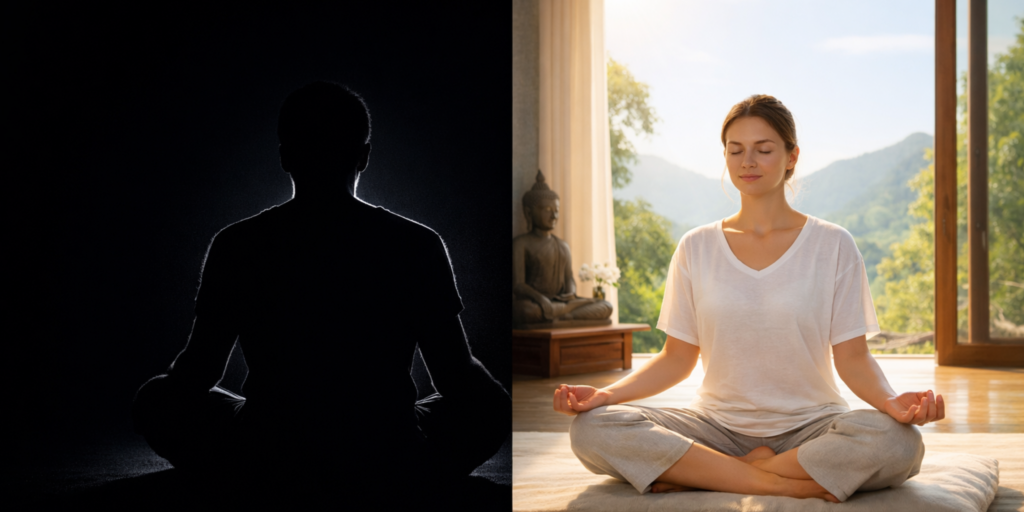
The lines between different contemplative practices can sometimes blur, but silent meditation retreats are distinct from darkness retreats in purpose, process, and popular appeal. Silent meditation retreats focus on cultivating awareness, presence, and emotional insight through intentional stillness and meditation, with minimal (if any) visual deprivation. The external world remains visible—nature, art, communal spaces all participate in the unfolding experience.
Darkness retreats, a rarer phenomenon in the UK, involve seclusion in complete darkness for days at a time. The intent is to intensify inward focus and sometimes to trigger altered states of consciousness by depriving the senses entirely. These are generally for seasoned practitioners seeking advanced spiritual experience—not recommended for beginners or those with claustrophobia, trauma history, or anxiety about sensory restriction. Silent meditation retreats, by contrast, offer a more accessible pathway for broad audiences while still delivering powerful insights into mind and self.
Silent Meditation Retreat vs Mindfulness Retreat
At first glance, silent meditation retreats and mindfulness retreats might sound identical, but key differences shape the participant experience.
Silent meditation retreats have silence as their defining feature—participants refrain from speaking for the entire stay (outside of emergencies or structured interviews), and daily routines are built around formal sitting and walking meditations. The underlying practices are often Buddhist, yogic, or derived from insight (Vipassana) traditions.
Mindfulness retreats, while frequently silent for long stretches, usually prioritize present-moment awareness as the main goal. There may be more interactive elements—mindful eating, gentle discussion, creative activities—all designed to train attention but not necessarily to enforce complete silence. In most UK mindfulness retreats, silence may be a guideline more than a rule, and schedules are often softer (with time for reflection, journaling, or socialized mindfulness). The two overlap in many ways, but those seeking total quiet should clarify policies and schedules before booking.
Silent Meditation Retreat vs Yoga Retreat
If the silent retreat scene has a less-quiet cousin, it’s the yoga retreat. The difference? Yoga retreats tend to center around daily movement and posture practices, group classes, and instruction in philosophy and bhakti (devotional) elements. Group conversation is usually allowed—sometimes celebrated at meal times or during group check-ins.
Silent meditation retreats, by contrast, hinge on the commitment to talk less (often not at all). Yoga may be included, but only as a supporting practice—emphasis remains squarely on sitting meditation and internal observation. Those drawn to deeper meditation practice, with little interest in socializing or physicality, usually gravitate to silent meditation retreats in the UK; those craving movement, shared community, and more relaxed routines may find yoga retreats a better fit. The recent trend, though, is for centers combining the best of both—a sign that modern seekers want both quiet reflection and somatic engagement.
Frequently Asked Questions
Are silent meditation retreats suitable for beginners?
Absolutely. Many UK silent meditation retreats now offer formats specifically suited to first-timers—including supportive guidance, tilt toward gentler routines, and teacher check-ins for clarifying practice. Weekend and short-stay retreats make for approachable introductions. If uncertain, choose a centre with a reputation for inclusivity (Gaia House, Seeds of Silence, Rivendell) and shorter formats to ease into the discipline of silence.
Can I leave a silent retreat early?
While it’s technically possible to leave early in case of emergency or distress, centres strongly encourage participants to stay the full course. Early departures can disrupt both individual and group processes. Most centres now ask for pre-arrival screening to help clarify whether you’re ready for the experience. If worried, speak with centre staff ahead of time—most are happy to discuss any concerns or special circumstances.
Are phones allowed?
Nearly all silent meditation retreats in the UK require participants to surrender phones and digital devices on arrival. These items are securely stored and returned only at the end. Exceptions are rare and typically only for those on emergency contact duty (such as family or work commitments). The point: to create a digital reset along with a verbal one, removing internal and external distraction.
Do I need meditation experience?
Prior meditation experience is helpful but not mandatory at most UK silent meditation retreats. Many centers design their introductory schedules to accommodate beginners, offering basic guidance and extra support during the first few days. For longer or more intensive retreats (especially 10-day Vipassana courses), some prior familiarity with basic meditation techniques—even guided mindfulness apps— can make the leap to silence gentler.
Are silent retreats religious?
Many, but not all, UK silent meditation retreats are hosted by Buddhist or spiritual organizations. However, there’s now a big movement toward secular silent retreats, rooted in mindfulness or psychological approaches rather than explicit religious teachings. Always check the centre’s philosophy—most are happy to welcome people of all backgrounds, and dogma is rarely enforced.
What do people eat during a silent retreat?
Meals at UK silent retreats are nearly always vegetarian, with vegan options increasingly standard. Food is simple, nourishing, and designed to support meditation rather than indulgence—think porridge, soups, grains, lots of fresh vegetables, herbal teas. Retreat centres pride themselves on sourcing locally and catering to dietary needs when notified in advance.
What is Noble Silence?
Noble Silence refers to disciplined quiet—no talking, texting, reading, writing, or communicating through gestures or eye contact. This tradition, central to Vipassana, aims to keep the mind focused inward and to prevent subtle distraction or comparison with others. Centres often provide guidance on how to maintain Noble Silence respectfully and supportively toward yourself and the group.
Are silent meditation retreats worth it?
The general consensus? Yes—those who attend silent retreats in the UK almost always report meaningful shifts, from reduced anxiety to greater clarity and renewed sense of purpose. Silence, far from being a void, is experienced as a potent doorway to deeper understanding of oneself and of life itself. As participants say: “The hardest part is arriving. The rest takes care of itself.”
References
- Pascoe MC, Thompson DR, Jenkins ZM, Ski CF. Mindfulness mediates the physiological markers of stress: Systematic review and meta-analysis. J Psychiatr Res. 2017;95:156-178.
- Gaia House Buddhist Meditation Retreat Centre. Retreat Programme, Teacher Roster, and Inclusion Policies. Gaia House. Available at: https://gaiahouse.co.uk/ Accessed 9 July 2026.
- Sharpham Trust. Retreats Programme and Pricing. Sharpham Trust. Available at: https://www.sharphamtrust.org/ Accessed 9 July 2026.
- The Global Retreat Centre. Silent Retreats: Booking and Participation Info. Global Retreat Centre, Oxfordshire. Available at: https://www.globalretreatcentre.org/ Accessed 9 July 2026.
- Sevinc G, Lazar SW, Britton WB, Jones R, Brewer JA, van Lutterveld R. Mindfulness and meditation-based interventions for mental health and wellbeing in children and adolescents: a systematic review and meta-analysis. Mindfulness. 2021;12(5):989-1003.

 Your personalized retreat result