


When someone you love dies, or life throws an unexpected loss your way, grief can pull you under with a force that’s both familiar and utterly destabilizing. In the fog of daily obligations, numbed by waves of pain and confusion, it’s common to wonder: is there a place to truly heal when the world expects you to just keep moving? This is where grief retreats come in. A grief retreat offers a structured, nurturing environment where you’re encouraged to process deep emotions, rest from daily pressures, and gently reconnect with life—often in the company of others walking a similar path.
Essentially, a grief retreat is a dedicated time and space—sometimes set in peaceful nature or sacred settings—designed for anyone mourning loss to step away from routine and focus fully on healing, with professional support and therapeutic activities that allow for genuine transformation.
Introduction
Why Grief Can Feel So Overwhelming
When loss hits, it doesn’t simply nudge at the edges of daily routine. It crashes through, changing the color of the landscape and the weight of even the smallest decisions. Grief isn’t just sadness; it’s a complicated web of emotions, physical sensations, intrusive thoughts, and questions that seem to have no easy answers. The unpredictability—one moment numb, the next flooded with sorrow—may leave you asking, “Am I ever going to be okay again?” Most people find themselves unprepared for how thoroughly loss can derail the mind and body. There’s a reason even seasoned therapists call grief one of life’s most destabilizing trials.
Why Traditional Support Isn’t Always Enough
Support groups and counseling have their merits, but busy schedules and the need to keep up appearances can mean those kinds of help fit awkwardly into a grieving person’s life. Sometimes, the well-meaning advice of friends or regular check-ins with a therapist barely scratch the surface. Grief, in its full shape, needs space—literal and figurative. A retreat allows for deep work, away from distractions and social scripts. There’s time to feel, reflect, and actually rest, rather than just push through the pain. “It’s not about fixing the grief,” as one retreat participant described, “it’s about learning to be with it, safely, for the first time in years.”
How Grief Retreats Can Help
Grief retreats take a more holistic approach, addressing not just psychological needs but also the emotional, physical, social, and even spiritual aspects of loss. People find that being in the presence of others who truly “get it” can untangle years of tightly-held pain. Professional facilitators use methods ranging from group sharing, creative expression, and movement, to nature immersion and rituals of remembrance. The setting—whether a serene monastery, cozy retreat house, or sun-drenched yoga center—provides needed distance from the everyday, which can be especially healing. For many, the greatest gift is simply being allowed to grieve fully, without interruption or judgment.
Who This Guide Is For
This resource is for anyone who’s lost a loved one—be it parent, child, spouse, friend, or pet. It’s also for people navigating trauma, significant life transitions, or years-old losses that still ring fresh. If you’re a caregiver facing exhaustion, or someone searching for more than what conventional support offers, this complete guide to grief retreats can help you decide if stepping away for focused healing is your next right step. Whether seeking a Christian grief retreat, women’s grief healing retreat, or community-based experience, you’ll find real answers, practical insights, and authentic guidance to support your journey ahead.
What Is Grief?
Grief isn’t a single feeling; it’s more like a storm system that moves through every part of a person’s life. At its core, grief is the natural response to loss—especially the loss of someone or something deeply important. It brings a flood of emotions, thoughts, and physical changes, often showing up in surprising ways. Some call it “a wound that’s invisible but heavy as stone.”
Most people expect sadness, but few anticipate the restless sleep, the sudden anger, or the deep sense of disconnection from the world that can emerge after loss. There’s no set timeline, and the process looks different for everyone. Some days bring tears, others bring numbness, while other moments carry a strange, aching gratitude for having loved so deeply.
Emotional Symptoms of Grief
- Deep, persistent sadness
- Sudden bursts of anger or irritability
- Feelings of emptiness, longing, or yearning
- Guilt, regret, or shame—often over things said or left unsaid
- Anxiety about the future, or a constant feeling of dread
- Periods of apathy and numbness (“feeling nothing at all”)
These emotions rarely arrive in a neat, predictable pattern. Many people talk about grief as a “rollercoaster” or even a “tidal wave”—unexpected and overwhelming, but also receding in its own unpredictable rhythm.
Physical Symptoms of Grief
- Trouble sleeping—either insomnia or sleeping too much
- Changes in appetite (loss or increase)
- Low energy, fatigue, or unexplained aches
- Frequent headaches or tension in the body
- Unusual heart racing, chest tightness, or stomach pains
- Weakened immune response (getting sick more easily)
The physical toll of grief can sometimes be overlooked, but it’s every bit as real as the emotional pain. As one retreat facilitator describes, “Grief lives in the body, not just the mind—so healing often means moving your body, not just talking about it.”
Mental and Cognitive Symptoms of Grief
- Difficulty focusing or making decisions
- Forgetfulness and absent-mindedness
- Intrusive memories, dreams, or flashbacks
- Ruminating—reliving the loss in your mind, stuck in “what if?”
- Feeling disconnected from reality, or like life is happening behind glass
People sometimes worry they’re “losing their mind,” but these symptoms are classic stress responses. The mind struggles to make sense of the loss, sometimes looping in circles.
Spiritual and Existential Symptoms of Grief
- Questioning faith or life’s meaning
- Anger at the universe, God, or fate
- Feeling disconnected from spiritual practices or communities
- An aching search for signs or messages from the lost loved one
- Moments of awe, wonder, or even a “thinner” sense of the veil between life and death
For many, loss raises questions that linger long after the funeral ends: Why did this happen? Who am I now? Some people find new faith, others struggle intensely—either is a valid response.
What Causes Grief?
Grief is most often linked with the death of a loved one, but loss can take dozens of shapes. What matters is the depth of attachment and the meaning the relationship or circumstance held.
Death of a Loved One
Perhaps the most universal cause of grief, the death of a partner, parent, child, sibling, or friend is a seismic event. It interrupts routines, changes family structures, and can shake a person’s sense of safety in the world. “Everything feels unfamiliar—like stepping into someone else’s life,” say many who’ve walked this road.
Loss of a Partner Through Separation or Divorce
Separation or divorce can bring complex grief, sometimes tinged with shame or anger, as well as nostalgia or longing. The grief is less public, but the loss of companionship and shared dreams can sting as acutely as bereavement.
Loss of a Parent
Losing a parent—no matter your age—can feel like the ground falling away beneath your feet. For some, it’s the end of childhood; for others, the severing of a deep source of wisdom, support, and unconditional love. This kind of grief often resurfaces at unexpected times, even years later.
Loss of a Child
The loss of a child is often described as one of the most intense and isolating forms of grief. Parents report feeling as though the natural order has been reversed. “No one knows what to say—it’s simply not supposed to happen,” echoes throughout parent support groups.
Loss of a Friend
The death of a close friend can be disorienting, especially when others may not recognize the depth of that bond. Adult friendship loss is frequently overlooked but carries its own deep ache—a missing confidant, a chapter of shared history unexpectedly closed.
Pet Loss
Losing a beloved pet can hit with surprising force. The daily routines, the unconditional affection, and the silent companionship leave a gaping hole. Many retreats now acknowledge pet loss as a genuine source of mourning worthy of focused care.
Miscarriage and Pregnancy Loss
Pregnancy loss sits in the shadows of public conversation, but for many, it leaves invisible wounds that linger and resurface. The dreams and hopes for a future suddenly end, and the grief often goes unacknowledged by others, deepening the loneliness.
Loss of Health
Life-altering diagnosis or physical decline—your body doesn’t look or act the same, daily confidence and sense of identity can evaporate. Many find themselves mourning the life they once had or the future that now feels uncertain.
Loss of Identity
Retirement, major career changes, moving, or losing community status can all spark profound grief. When a role—professional or personal—vanishes, people sometimes feel adrift, struggling to answer the question, “Who am I now?”
Career and Financial Loss
While not always recognized as ‘grief’ in the traditional sense, the loss of a job, business, or financial security can bring waves of fear, insecurity, and even mourning for the plans that now seem out of reach.
Anticipatory Grief
This form of grief occurs before a loss happens—often when someone faces a terminal diagnosis or as a loved one’s health declines. The pain arrives in advance, sometimes making the eventual loss feel even more complicated and prolonged.
Definition of a Grief Retreat
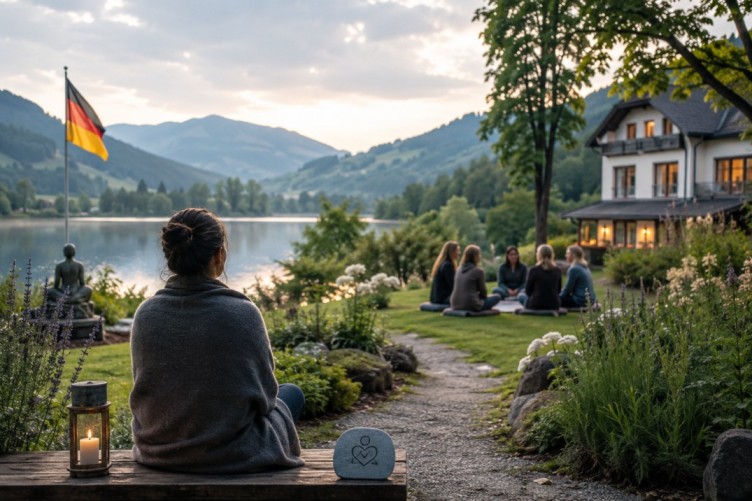
A grief retreat is a short-term event or program—usually lasting from a weekend to several weeks—created for those navigating loss, providing a supportive, often immersive environment to process grief with skilled guidance and peer connection. Unlike traditional therapy or drop-in support groups, grief retreats pull participants out of daily life and routine, offering space to rest, reflect, share, and rebuild.
They can take many forms, from silent meditation weekends in rural chapels to clinical programs led by therapists at wellness resorts. The common thread: a sense of sanctuary and permission to turn toward loss, rather than away from it. Many programs are designed around thoughtful rituals, group workshops, private reflection, and mind-body practices like yoga, breathwork, and guided journaling. Whether faith-based, secular, or nature-centered, grief retreats create a holding environment for sorrow, hope, and eventual renewal.
Individual Retreats
Individual grief retreats are customized, private experiences. Some take place in remote cabins or guest rooms with optional counseling sessions, offering true solitude. Often, these allow for scheduling sessions with a facilitator or spiritual director as needed, alongside ample time for personal rest, self-guided rituals, and reflective activities. For those who prefer privacy, or who feel overwhelmed by group dynamics, individual retreats can provide gentle space without social pressure—just quiet, healing time.
Group Retreats
Group grief retreats focus on shared experience. Participants—often between eight and thirty individuals—come together to explore loss in structured sessions, group activities, and communal meals. Group experiences create opportunities for storytelling, deep listening, and the surprising comfort of realizing that, while every grief is unique, the pain is universal. Real breakthroughs often happen in the presence of others who truly understand, stripping away the sense of isolation. Many group retreats are organized around a particular kind of loss (widow/widower, bereaved parents, or pet loss) or a shared faith background.
Silent Grief Retreats
Silence isn’t just golden at these retreats—it’s foundational. Silent grief retreats remove the distraction of small talk and surface chatter, giving space for inward attention, spiritual practices, and mindful presence. Sessions might include silent meditation, contemplative walks, creative expression, and time in nature. Participants are free—or gently encouraged—not to speak unless in guided sharing, which means emotions can surface without the pressure to explain or defend them. Silence, paired with supportive structure, allows for profound inner shifts.
Spiritual Grief Retreats
These retreats emphasize spiritual practices—prayer, meditation, ritual, or study—rooted in a specific tradition or open spirituality. Think retreats held at monasteries, abbeys, or spiritual centers. For many, spiritual grief retreats tap into a deeper need to reconnect with purpose, faith, or a sense of ‘something larger’ after loss. They may include labyrinth walks, candlelight ceremonies, communal prayers, and invitations to wrestle with the “big questions” stirred up by death and change. Not all spiritual retreats are religious—some simply help people reflect on meaning and connection beyond themselves.
Nature-Based Grief Retreats
Some retreats trade four walls for forests, gardens, or even desert landscapes. Nature-based grief healing retreats use the calming effect of the outdoors—birdsong at dawn, the slow rhythm of hiking, hands in the dirt—to ground grief in the physical world. The natural setting itself becomes a kind of co-facilitator, teaching lessons on cycles of loss and renewal. Activities often include walks, gardening, forest bathing, or simply sitting quietly in the landscape. For many, the quiet companionship of trees or water is as healing as anything else.
Trauma-Informed Grief Retreats
Some losses come wrapped in trauma—sudden deaths, violence, or multi-layered experiences of pain. Trauma-informed grief retreats are led by facilitators skilled in both grief and trauma-sensitive care. These programs operate at a slower pace, with clear boundaries and optional participation in group activities. Somatic practices, creative arts, and psychoeducation help people navigate triggers and re-establish safety. For those with complex grief or PTSD symptoms, these retreats can offer foundational steps towards healing that other settings might miss.
Luxury Healing Retreats
Luxury grief healing retreats blend deep emotional work with the comforts of spa treatments, gourmet meals, and lush accommodations. These experiences may take place at high-end resorts, with amenities like private massage, guided yoga, and quiet pools for reflection. While sometimes associated with wellness tourism, they meet a very real need: deep rest and beauty as part of the healing journey. As of 2025, some programs in the U.S. offer grief-focused weeks with professional counseling, bodywork, and memorial services, with packages ranging from $2000 to $6000 or more depending on offerings and duration [1].
Women’s Grief Retreats
Women’s grief retreats acknowledge that the experience of loss—and the pathway to renewal—can have uniquely feminine layers. These spaces bring together women for activities that encourage vulnerability, healing, and empowerment, sometimes highlighting rites of passage, shared caretaking burdens, or the compounded effects of loss in women’s lives. Offerings might include small-group sharing, creative arts, and special ceremonies to honor mothers, daughters, and female ancestors. Many describe these circles as transformative, marked by “being seen and held as only other women can.”
Men’s Grief Retreats
Men’s grief, often sidelined in mainstream support spaces, gets full permission and focus here. Men’s grief retreats invite healthy expression of emotion—anger, sorrow, confusion—that can be difficult to show elsewhere. Experiences may include movement, outdoor adventure, and straight-talking workshops alongside quieter rituals. These settings help dismantle cultural scripts about “toughing it out,” opening channels for both strength and vulnerability among men facing loss.
To Process Unresolved Emotions
People often arrive at grief retreats burdened by emotions they’ve never spoken aloud—anger at a parent, regret after a breakup, that strange mixture of love and resentment following a friend’s death. Regular life rarely leaves much room for these tangled feelings. In the focused setting of a retreat, participants can actually sit with these emotions, name them, and—sometimes—release them. Facilitators use specific tools such as story-sharing circles, process therapy, or guided journaling to bring the deeper layers of pain into view so that healing can begin.
To Find Community and Connection
The isolation of grief is well known—an aching sense of being on a deserted island while the rest of the world moves on. At a retreat, people meet others who “get it” without explanation, sometimes for the first time. This sense of instant community, built on shared sorrow but also on laughter and moments of hope, is a powerful catalyst for healing. “You realize, I’m not alone after all,” is a refrain heard in nearly every post-retreat reflection.
To Escape Daily Responsibilities
Emails, dinner plans, laundry piles—no matter how deep the grief, daily life keeps demanding attention. Leaving home for a retreat breaks this cycle, giving the rare luxury of time where the only job is to heal. No need to paste on a “brave face.” The sheer permission to rest is, for many, the most radical act of self-care imaginable.
To Honor a Loved One
Grief retreats often include ceremonies, rituals, or quiet spaces for remembrance. Some people bring photos, letters, or cherished objects, using the time to create memorials or simply sit in the presence of their love for the person (or pet) lost. Marking anniversaries, birthdays, or special dates in a supportive environment can bring needed closure or simply acknowledgment to a bond that persists beyond death.
To Find Meaning After Loss
Loss often sparks a search for meaning: Why did this happen? What does life look like now? In the protected environment of a retreat, participants examine the deeper questions that tend to surface following bereavement. Through workshops, group reflection, and sometimes spiritual exploration, many come away with new perspectives or renewed sense of purpose. Sometimes, just the act of dedicating time to mourning is a way of declaring, “This mattered. They mattered.”
To Learn Coping Tools
While most retreats aren’t about ‘fixing’ grief, many teach concrete skills for managing emotions, anxiety, or day-to-day overwhelm. Techniques might include breathwork, somatic movement, trauma release exercises, or even simple rituals to use at home. The goal isn’t to erase the pain but to strengthen the capacity to carry it.
To Reconnect With Life Again
In the first haze after loss, everything can feel empty. Many find themselves simply “going through the motions.” Grief retreats, if nothing else, shake up this numb routine. Time in community, connection with nature, and moments of laughter alongside tears remind people that joy and hope are possible—even as loss continues to shape daily experience.
Emotional Benefits
Reduced Feelings of Isolation
One striking feature of most grief support retreats is how quickly strangers become confidants. The simple act of being with people who “get it” dissolves the aloneness that often marks grief. After years of quietly enduring the ache, many leave a retreat with a sense of belonging—of no longer being on the outside looking in.
Emotional Release
Tears, anger, laughter, and unexpected moments of lightness—all of these are allowed and welcomed. Many facilitators structure activities specifically to help people let go of tightly-fisted pain. Guided sharing, expressive arts, or movement unlock emotions that may have been stuck for years. One participant put it like this: “It felt as if a pressure valve finally released.”
Increased Self-Compassion
Grief can bring on harsh self-critique—”I should be over this by now,” or “Why can’t I be stronger?” At a retreat, the message is different: kindness toward yourself is not just allowed, but necessary. Through mindfulness practices and gentle encouragement, people often discover unexpected reserves of self-forgiveness and patience.
Greater Emotional Resilience
Confronting grief in a held, structured setting builds muscles of emotional endurance. By the end of a retreat, many feel not only lighter but also better equipped to weather future storms, knowing they have the tools and support to face hard days head-on.
Mental Benefits
Reduced Anxiety
The constant fear, worry, and “hypervigilance” that sometimes follow a loss can settle during retreat. The absence of daily noise, plus the focus on the present moment, gives the nervous system a needed break. Practices such as guided meditation or mindful breathwork reduce anxiety not just in the moment but afterward—skills to carry home.
Improved Focus
With the mind no longer spinning through endless lists and “shoulds,” people report clearer thinking and renewed mental energy by the close of a retreat. For some, just learning they are not alone in their concentration struggles is a relief in itself.
Better Sleep
Many report the best rest in months—or even years—while at retreat. The combination of nature, structured downtime, and emotional release gives the body space to recalibrate. Anecdotally, people describe finally falling asleep without hours of racing thoughts or middle-of-the-night wakefulness.
Reduced Rumination
Grief has a way of looping painful memories and regrets over and over. In the retreat setting, with intentional reflection and group support, many find these loops slow—or at least, they become gentler companions rather than tormentors. Learning to observe, rather than be consumed by, one’s thoughts is a skill many carry home.
Physical Benefits
Nervous System Regulation
Escape from chronic stress is a tangible effect of many healing retreats. Therapies such as movement, yoga, breathwork, and even simple walks in nature help shift bodies away from “fight or flight” into calmer, restorative states.
Stress Reduction
It’s a simple equation: less pressure, more support, and time in soothing settings translate into lower stress. The body gets a break from the grind, rebalancing hormones and resetting stress pathways.
Improved Energy Levels
After long months—or years—of dragging through the days, participants often discover real shifts in fatigue, sometimes within a few sessions. As emotional and psychological burdens lift, physical vitality tends to return, even for just a few days at first.
Spiritual Benefits
Meaning-Making
Whether through prayer, meditation, creating ritual, or simply quiet reflection, retreats create space for making sense of loss. Many people discover surprising insights about life, love, and what matters most—even if big questions remain unanswered.
Personal Growth
Grief is change—painful, yes, but also transformative. Retreats invite people to see themselves not as broken but as capable of growth, even when changed by loss. The sense of possibility often returns, sometimes for the first time since the loss occurred.
Connection to Something Larger Than Yourself
For some, religious or spiritual practice is central; for others, it’s a sense of belonging to the flow of nature or the continuity of human experience. Time at a retreat restores feelings of connection—to the lost loved one, to community, or the wider web of life.
People Mourning a Recent Loss
Fresh loss can feel like wandering in a fog. Many people seek out a grief retreat in the first months—sometimes weeks—after a death, especially when regular routines feel impossible or meaningless. The greatest need at this stage is often permission to feel and heal; a retreat offers both.
People Struggling Years After a Loss
Grief is known for looping back months or even decades later. “Honestly, it never fully leaves, but it can get easier to carry,” is a common phrase among those living with what’s called chronic or complicated grief. For those still weighed down by loss long after others have “moved on,” a specialized retreat can finally open the gates on emotions that needed space and time to find voice.
Caregivers Experiencing Burnout
Caring for someone who is dying or managing long-term illness is exhausting—physically, emotionally, and spiritually. Grief retreats can be a lifeline for caregivers, offering vital self-care, rest, and the long-awaited chance to tend their own suffering after tending others for so long. Some retreats tailor programming for caregiver grief, integrating rest and restoration with support for ambiguous or anticipatory loss.
Individuals Facing Major Life Transitions
Retirement, empty-nesting, relocation, or unexpected life shifts all mark profound moments of grieving what was. While these losses often aren’t recognized by the world as “grief,” retreat spaces increasingly welcome people navigating big changes, holding space for the sadness and hope such transitions stir up.
People Seeking Community Support
Not everyone has a friend group, family, or faith community capable of holding the full complexity of grief. Retreats for grief create a ready-made, understanding community—one that can persist well beyond the weekend or week spent together. For anyone exhausted by the “you should be over it by now” crowd, there’s relief and renewal in finding your people.
Those Looking for a Deeper Healing Experience
Some simply sense that regular talk therapy, prayer, or reading has taken them as far as possible. When the yearning for deeper transformation sets in—when it’s not about talking through the pain, but living into a new relationship with it—a grief healing retreat can be a next powerful step.
Individuals in Acute Psychiatric Crisis
Those currently experiencing severe depression, psychosis, active suicidal thinking, or other psychiatric emergencies generally need immediate, one-on-one clinical intervention. Grief retreats, no matter how skilled the staff, aren’t emergency mental health facilities. Safety and stability must come first.
Those Seeking Immediate Emergency Mental Health Support
Anyone in need of round-the-clock supervision or urgent intervention will likely not find appropriate care at a grief retreat. While skilled facilitators may have mental health training, these programs aren’t substitutes for inpatient psychiatric services or emergency medical help.
People Unwilling to Engage Emotionally
While no one is forced to share or “go deep,” the benefits of a retreat are limited for participants who remain closed off or rigidly refuse to engage. Progress depends on at least a willingness to feel and reflect.
Individuals Looking for a Quick Fix
Grief isn’t solved in a matter of days. Retreats can catalyze healing, but expect ongoing work after returning home. If someone is hoping for a “miracle cure”—to be “fixed” overnight—they may leave disappointed. As the old saying goes, “Grief is not a problem to be solved; it’s an experience to move through.”
Cases Where One-on-One Therapy May Be More Appropriate
Some kinds of grief—especially when complicated by trauma, substance misuse, or personal history—may be best addressed in individualized clinical settings first. A seasoned retreat leader will often require a screening call to ensure a group format is safe and appropriate for each participant.
Opening Circle
The opening circle is no small thing—it’s the moment when nervous strangers, clutching travel mugs and folded handouts, become a community. At most retreats, the opening circle sets the tone with gentle introductions, some ground rules for privacy and safety, and usually, a little guidance on what to expect. This isn’t about forced sharing; it’s about lowering defenses and making room for real presence—often with a simple phrase like, “Whoever you are, you are welcome here.”
Guided Sharing Sessions
Story-sharing is foundational in grief retreats. With skilled facilitation, each voice is heard and no one is pressured to participate. These sessions invite participants to speak what often goes unsaid, whether that’s the shape of the loss, a favorite memory, or simply the hardest part about being here. For many, just hearing that others echo the same wild swings of feeling brings real comfort.
Group Therapy
Some retreats, especially those led by licensed therapists, include rounds of structured group therapy. Participants might examine family patterns, coping styles, or how past losses affect current grief. This format can be particularly helpful for learning new coping skills and gaining insight from shared experiences, though participation is never mandatory. A good group therapy session balances seriousness with the occasional—yes, rare but real—moments of levity.
Individual Reflection Time
Silent space is a key ingredient in any retreat. Ample time is set aside each day for private contemplation, journaling, nature walks, or simply “being.” This solo time is crucial for integrating what’s surfaced in group, and for listening to the quieter, inner currents of grief that rarely get airtime in everyday life.
Breathwork Sessions
The body holds grief. Breathwork—structured breathing techniques, sometimes paired with music or movement—helps release pent-up emotion and activate the body’s relaxation response. Some retreats use trauma-informed approaches; others lean into ancient yogic traditions. People report everything from tingling sensations to emotional release to a newfound ability to just exhale, finally.
Meditation Practices
Meditation in grief retreats might range from Buddhist mindfulness (observing thoughts without judgment) to guided visualizations designed for comfort or connection. Even for those new to meditation, simple practices can foster calm, connection, and insight about what sits beneath the “noise” of daily grief. For many, meditation is not about banishing pain but about finding a different relationship with it.
Yoga and Movement
Yoga at grief retreats is less about impressive poses and more about gentle stretching and breathing. Sessions are typically beginner-friendly, with a focus on listening to the body and “meeting yourself where you are.” For some, movement practices include dance therapy or simple embodied rituals—whatever allows the body to speak what words can’t always capture.
Nature Walks
Whether on a wooded trail, labyrinth, garden path, or simple outdoor patio, time in nature is a staple. Walking in quiet, among ancient trees, has a way of reminding people that change, loss, and renewal are part of a larger rhythm. For some, even noticing the warmth of sunlight or the crunch of gravel underfoot can feel like a reconnection to life’s basic goodness.
Journaling Exercises
Not everyone likes talking. Journaling—often guided by prompts—allows participants to clarify, externalize, and process their experiences in private. Many facilitators structure daily or session-specific writing time, with prompts ranging from “If you could speak to your loved one, what would you say?” to “What small act of kindness can you offer yourself now?” For many, the journal becomes a cherished companion long after the retreat ends.
Rituals and Memorial Ceremonies
Rituals matter—a candle-lit circle, memory boxes, burning symbolic letters, or walking a labyrinth with a prayer stone in hand. Memorials at grief retreats offer communal ways to honor loved ones, mark transitions, or acknowledge new beginnings. These moments can carry a sense of release, gratitude, or simply the relief of not holding mourning alone. As one facilitator notes, “When words fail, ritual speaks.”
Integration Sessions
Near the close, most grief and loss retreats include guided sessions to help participants reflect on key learnings, anticipate the return home, and make specific, concrete plans for continuing support. This might involve group discussion, practical worksheets, or creation of a personal ‘toolkit’ for navigating tough days ahead. The focus is always on how to bring the retreat’s safety and insight back into ordinary life.
Closing Ceremony
The final gathering is seldom rushed. Usually, there’s time for gratitude, wishes for one another’s ongoing healing, and often, a physical gesture—lighting candles, sharing stones, or exchanging meaningful words. The closing offers closure to the temporary community built during the retreat, while also leaving the door open for future connection and ongoing care.
Therapy-Based Grief Retreats
Led by licensed therapists or clinical social workers, therapy-based grief recovery retreats build their programs around evidence-based approaches such as Cognitive Behavioral Therapy (CBT), group process work, narrative therapy, or somatic experiencing. These retreats are especially useful for people whose grief is complicated by trauma, anxiety, or depression. Some include intensive workshops, practical psychoeducation, and private sessions alongside group work.
Spiritual Grief Retreats
These focus on meaning, faith, and spiritual resilience. Some are hosted in monasteries, abbeys, or spiritual centers, weaving in communal prayer, contemplation, ritual, and nature immersion. Participants are invited to explore the big existential questions in a safe, open environment, with or without affiliation to a particular tradition.
Religious Grief Retreats
Christian Grief Retreats
Christian grief retreats ground their structure in scripture, prayer, and Christian community. These may include worship, guided Bible study, pastoral counseling, and communal rituals for mourning and hope. Popular among churches and faith-based centers, these grief healing retreats provide a theologically grounded way to process both sorrow and faith struggles.
Buddhist Grief Retreats
Here, practices like mindfulness meditation, loving-kindness, and Dharma talks on impermanence are at the core. Buddhist-inspired retreats encourage nonjudgmental awareness of pain, teaching participants to meet grief with compassion rather than struggle. Some combine meditation with nature walks, teaching that suffering and change are integral to life’s fabric.
Interfaith Retreats
Interfaith settings draw from multiple traditions or create spiritual spaces without narrowly defined doctrine. These retreats may include prayer circles, silent meditation, ritual crafting, music, and support for meaning-making—all designed for participants from any (or no) faith background.
Silent Grief Retreats
Silence helps grief surface in ways that words alone can’t touch. These retreats structure most of the program in silence, with optional group guidance. Some include long periods of contemplative time interspersed with nature walks, journaling, and the gentle presence of others nearby—offering peace without the pressure to perform or share.
Wellness Grief Retreats
Wellness-centered retreats mix grief work with physical self-care: yoga, massage, spa treatments, nutrition guidance, and mindfulness practice. These often blur the line between retreat and wellness tourism but are especially helpful for those whose grief has become embodied in stress or health struggles.
Retreats for Bereaved Parents
The loss of a child is searing and, as many say, “incomprehensible except by those who’ve been there.” Parents’ grief retreats create a sanctuary for mothers and fathers to share what most of the world cannot hold. Programs might include small-group circles, creative arts, guided rituals, and storytelling, always with the unspoken understanding that no loss is comparable—or more isolating—than this.
Retreats for Widow and Widower Healing
Spousal loss shapes identity and upends decades of shared life. Widow and widower retreats offer both practical support (navigating finances, loneliness, new routines) and emotional connection. These programs often balance group sessions with time for individual grieving, ensuring widows and widowers know they aren’t walking this road alone.
Retreats for Pet Loss
Pet grief retreats are a newer but fast-growing segment, recognizing the legitimacy of mourning a dog, cat, or other animal companion. Sessions may focus on celebrating the bond, processing guilt or regret, and finding ways to carry cherished memories forward.
Trauma and Grief Recovery Retreats
Specialized for those whose loss was violent, sudden, or chronically traumatic, these programs focus on trauma-sensitive practices. Facilitators may mix body-based therapies, art expression, psychoeducation, and tightly held group sessions where safety is paramount. These are especially helpful when regular grief spaces don’t feel safe enough to address deeper wounds.
Budget Retreats
Typical Price Range
Budget retreats prioritize accessibility, often held at nonprofit centers, community venues, or on faith-based grounds. In 2025, expect prices from around $200 to $600 for 2–4 days, usually including lodging (often shared), meals, and programming [2]. Some organizations offer free grief retreats for select community members, particularly through churches or local support networks. Spots fill quickly—expect simple accommodations and a focus on group process over luxury.
Mid-Range Retreats
Typical Price Range
Most grief retreats in the U.S. fit this category, pricing between $800 and $2000 for weekend to four-day packages. These typically provide private or semi-private rooms, professionally facilitated activities (sometimes with licensed therapists), fresh meals, and occasional extras like yoga or art supplies. Payment plans and scholarships sometimes available; check individual retreat organizers for exact details [2,3].
Luxury Retreats
Typical Price Range
Luxury healing retreats at wellness resorts, spas, or dedicated retreat properties typically start at $2500 and can rise to $6000+ for multiday programs, especially when including spa services, premium meals, and top-tier accommodations. The Miraval “Grief Week” retreat, for example, combines world-class lodging with grief counseling and mind-body therapies, with rates as of 2025 ranging from $760/night plus $800 tuition on top [1]. These programs price for comfort, not just for content.
Factors That Affect Cost
Location
Retreats set in major cities or resort destinations (think Sonoma, Sedona, Charleston) price higher than those at rural monasteries, retreat houses, or local community centers. Travel expenses may add substantially; sometimes the setting itself is part of the healing, sometimes it’s simply geography.
Accommodation
Private rooms or luxury suites increase the bottom line; shared dorm rooms, tents, or simple cabins drop it. Most retreats explain on their websites what’s included, and whether upgrades are possible.
Length of Stay
A weekend retreat is less costly than a 5–7 day immersion, with multi-week programs or extended stays commanding rates at the upper end. Some individuals find longer programs more transformative, but even a single weekend can be life-changing.
Included Therapies
Programs that build in therapies like yoga, massage, acupuncture, private counseling, or art workshops usually charge more; bare-bones group process or silent retreats will trend toward the budget end.
Facilitator Expertise
Retreats led by nationally recognized grief therapists, authors, or clergy command higher prices—reflecting both demand and their greater ability to guide participants through varied forms of healing. As always, expertise matters, but so does fit: a big name isn’t always the best pick for every participant.

Weekend Retreats
Many people start with weekend retreats—running from Friday evening to Sunday morning. These are accessible, less of a time commitment, and can jumpstart deeper healing. Though short, the interruption to everyday life is often enough to spark meaningful shifts.
3-Day Retreats
Three-day formats—commonly Friday to Monday—offer a little more space for opening up, deepening group trust, and working through structured workshops or rituals. Most participants describe the experience as just long enough to ‘go deep’ but still manageable for those with work or childcare responsibilities.
5-Day Retreats
Five-day retreats allow for a full arc—arriving, settling in, moving through emotions, and creating concrete plans for life after the retreat. There’s more time for both group work and personal reflection, ideal for people with chronic or complicated grief seeking a reset. This format also allows for one-on-one sessions and extra wellness options.
7-Day Retreats
A week-long retreat takes participants out of “ordinary time,” often allowing for profound breakthroughs. By Day 3 or 4, defenses drop and emotions surface more freely, supported by new friendships and deep trust. The rhythm slows, making space for both deep emotional work and real rest.
Multi-Week Healing Programs
Occasionally, retreat centers or wellness resorts offer extended stays—two weeks, a month, or even ongoing ‘healing residencies.’ These rare programs support significant life transition, chronic sorrow, or trauma healing, and sometimes blend grief work with creative arts, physical health, or spiritual formation. Cost, time, and practical barriers are higher, but the gains can be lasting and profound for some.
Clarify Your Goals
Before booking, reflect honestly: Are you seeking emotional catharsis, spiritual support, community, or practical coping skills? The best grief retreat is the one that matches your deepest needs—not simply the most prestigious or most affordable. Consider whether you’re ready for group sharing or if you want private, individualized support. Write a shortlist of “must-haves” and “nice-to-haves” before choosing.
Check Facilitator Credentials
Who’s leading the retreat matters. Look for licensed therapists, experienced grief counselors, or spiritual directors with a background relevant to your type of loss. Not all grief is the same—a retreat for bereaved parents, for example, should be guided by someone with lived or clinical expertise in that area. If you’re unsure, ask for biographies or schedule a call before booking.
Understand the Retreat Format
Some people need gentle structure, others crave freedom. Review the daily schedule: Are there fixed group sessions, or lots of open time? How are meals handled—shared or solitary? Will you have privacy when needed? Each format works for a different personality.
Review Testimonials and Reviews
Anecdotes from real participants can reveal what marketing copy never does: Did attendees feel safe, supported, and changed? Were difficult emotions handled with care? Do reviews suggest the retreat genuinely delivered on its promises? Look for both glowing praise and hints about approach (gentle, intensive, spiritual, etc.).
Consider Group Size
Larger groups allow for rich diversity but may limit time for one-on-one interaction. Smaller retreats can feel safer and more intimate, but may not have as many perspectives. Decide which feels more comfortable—a close group of eight, or the dynamic energy of thirty?
Evaluate Aftercare and Integration Support
The best retreats offer continued connection—a follow-up Zoom call, private online group, or links to local counseling. Integration is everything: how will you bring new insights home, and how will support continue afterward? Don’t be afraid to ask organizers how they handle the “after.”
Assess Location and Environment
Atmosphere shapes healing. Some want solitude in the woods, others prefer a beach, a spiritual center, or a vibrant wellness resort. Consider accessibility, travel costs, and how the physical environment enhances (or detracts from) your comfort and openness. Sometimes, just the change of scenery is as healing as the program itself.
Who Facilitates the Retreat?
Find out not just names but also backgrounds, training, and what brings the facilitators to grief work. Are they therapists, clergy, peer supporters, or a mix? This impacts both the retreat’s tone and your level of trust in the process.
What Qualifications Do They Have?
Look for relevant licensure (LCSW, LMFT, LPCC), certifications in trauma or grief counseling, or deep personal experience with loss. If credentials seem thin, probe further: “What experience do you have hosting grief retreats, and how do you handle crisis situations if they arise?”
What Is Included?
Don’t assume. Ask about meals, accommodation, group size, materials (journals, yoga mats), optional therapies, and what’s extra. Some programs charge separate fees for private sessions, bodywork, or amenities. Clear expectations are key to a safe, healing retreat experience.
What Is the Cancellation Policy?
Life—and grief—are unpredictable. Read cancellation/refund policies closely. Some retreats provide partial refunds with notice; others are ‘no refunds’ beyond a certain window. Travel insurance may be wise for out-of-state or high-cost programs.
Is Individual Support Available?
Are there options for one-on-one counseling or spiritual direction during the retreat? How about afterhours support for difficult nights? Know what’s possible—especially if you expect to need extra care.
What Happens If I Become Emotionally Overwhelmed?
Grief unfolds in waves. Ask directly how facilitators handle strong emotional reactions: Are there quiet spaces to retreat? Can you opt out of sessions? What happens if you have a panic attack, flashback, or intense emotion? Experience varies, but a skilled facilitator always builds flexibility and care into the day.
What Research Says About Grief Support
Research on grief recovery retreats, while still growing, suggests they can meaningfully ease some of the most difficult aspects of mourning—especially loneliness, emotional stuckness, and difficulty reconnecting with life. In structured settings, participants report decreases in distress and increases in social support, with effects sometimes sustained for months after the retreat ends [4]. The presence of peer support, skilled facilitation, and rituals of remembrance are key contributors to these outcomes.
Benefits of Community-Based Healing
What makes a retreat notably different from typical support groups is the immersive, all-hands-on-deck support. The sudden switch from solitary suffering to collective understanding can itself prompt breakthrough moments. “There’s something about being in a room full of people who just get it, no explanations needed,” remarked one participant looking back. Community-based healing not only comforts but also strengthens the nervous system’s resilience, as social connection is one of the most reliable buffers against chronic distress.
The Importance of Integration
The retreat itself is just the first step. Ongoing integration—support groups, follow-up calls, or solo rituals—is critical for sustaining gains. Retreats give a jumpstart, but enduring change arises from continued work, new habits, and sometimes, deeper therapy. Many organizers offer post-retreat resources for finding local support or building on the skills learned while away.
Limitations of Retreat Experiences
Grief retreats are not magic wands, and not every participant leaves with “closure” or transformed pain. For some, returning home is its own challenge, as the safe space disappears and regular stressors resurface. Lasting change often requires commitment to personal and relational growth far beyond the closing circle. Still, even temporary respite can be invaluable—one step towards reclaiming hope and wholeness after loss.
Emotional Intensity
Grief retreats go beneath the surface, often stirring up emotions that have been suppressed or denied for a long time. This intensity may be unsettling—tears, anger, and deep fatigue are par for the course. It’s important to come prepared for a wide range of feelings, knowing that facilitators are trained to handle strong reactions safely.
Repressed Emotions Surfacing
Old memories or previously unnoticed regrets can emerge during the focused attention of a retreat. Sometimes, this is cathartic; other times, it can feel overwhelming. Ongoing integration and post-retreat support become vital, especially if trauma or depression lurk beneath the grief.
Unrealistic Expectations
‘Fixing’ grief in three days—tempting as it may sound—just isn’t realistic. A retreat can offer real breakthroughs, but healing is ongoing, often nonlinear. The most helpful expectation: some clarity, some rest, and tools for the road ahead—not a return to “how things used to be.”
Retreat Dependency
Though rare, some people search for the next powerful retreat experience, using it as a substitute for regular life or ongoing therapy. Retreats are best seen as part of a larger mosaic of healing, not the exclusive answer.
Returning to Everyday Life
The transition home can cause a “letdown”—the supportive cocoon gone, old stressors waiting. It’s wise to plan for this, establishing a concrete plan for ongoing support, daily self-care, and connection to either retreat peers or local resources.
Emotional Preparation
Expect emotion—the deep, abiding kind. Give yourself permission to cry, feel nothing, or laugh awkwardly. It helps to arrive with some idea of what you hope to address but with openness to whatever arises. Some facilitators suggest daily journaling or gentle self-inquiry in the weeks before, setting aside self-judgment and performance pressure.
Physical Preparation
Rest before travel if you can. Eat balanced meals, resist overburdening your schedule, and avoid alcohol or stimulants that could drive up anxiety. If you have health needs or medications, pack accordingly—most retreats provide basic accommodations but always clarify in advance.
What to Pack
- Comfy clothes, socks or slippers
- Weather-appropriate outerwear (most retreats include outdoor activities!)
- Favorite writing materials (notebook, pen, or sketchbook)
- Mementos—photos, letters, small objects for ritual or personal comfort
- Medications and toiletries (keep routines steady)
- Optional: travel mug, reusable water bottle, blanket or shawl for coziness
- Light reading, art supplies if part of the retreat, any personal wellness items
Retreats are rarely fashion shows—a well-loved sweatshirt is worth more than the fanciest shoes.
Setting Intentions
Intentions matter. Whether written out or kept close to the chest, many people arrive having reflected on what they hope to heal, remember, or let go. Setting intention doesn’t mean scripting every breakthrough, but it sets an internal compass for the time ahead.
Talking With Loved Ones Before You Go
Prepare friends or family for your absence, especially if leaving children or dependents behind. Explain gently why you need this space: “I’m taking time to process some things that have been weighing on me.” It helps prevent misunderstandings and garners supportive check-ins when you return.
The Integration Period
The days after a retreat can swing between relief and vulnerability. Many feel lighter, but also exposed—the old armor temporarily off. Plan for downtime if possible. Journaling, gentle movement, and quiet reflection carve pathways for insights to settle rather than getting lost in the immediate demands of life.
Continuing Therapy or Coaching
Retreat breakthroughs often spark a desire for deeper, ongoing healing. Continued therapy, grief counseling, or spiritual direction builds on what started at the retreat. Some facilitators encourage scheduling a few post-retreat sessions as an anchor for continued growth.
Building a Support Network
Stay in touch with retreat peers—many friendships forged in grief become lifelines later. Use online support groups, regional meetups, or local faith/spiritual communities to maintain connection, especially on hard days. Don’t underestimate the power of a single, steady confidant who truly “gets it.”
Maintaining New Practices
Keep up any rituals or routines that resonated—morning meditation, writing letters to your loved one, walks in nature, gentle yoga. New habits are easy to drop once immediate pain subsides, but even small practices can sustain healing momentum with time.
Navigating Emotional Ups and Downs
Expect to cycle through joy, sadness, anger, laughter—sometimes in a single day. This is healthy. Notice patterns but avoid harsh self-judgment. When hard days return (and they do), remember what helped at retreat, and—when needed—ask for help again.
Individual Therapy
One-on-one therapy remains the cornerstone for most grief journeys. Skilled therapists can work at your pace, help integrate trauma, and offer targeted interventions for depression, anxiety, or complex loss.
Grief Counseling
Unlike regular therapy, grief counseling is built around the specific challenges of bereavement and adjustment to life after loss. Some communities, hospitals, or faith organizations offer these at little or no cost.
Support Groups
Peer support is vital—free grief support groups connect people facing similar losses. The regularity of meeting, shared wisdom, and sometimes, just hearing others’ stories, normalizes your own rollercoaster.
Online Grief Programs
Digital courses and online retreats have exploded in recent years, providing grief education, mindfulness training, and supportive community from the comfort of home. Best for those unable to travel, or who prefer privacy. Efficacy varies, so research programs carefully and look for reviews.
Spiritual Communities
Local churches, synagogues, sanghas, or other spiritual groups often hold grief circles, remembrance ceremonies, or counseling with ministers or spiritual leaders. For those with existing religious roots, this can feel like ‘coming home.’
Wellness Retreats
Not all retreats center on grief, but many holistic wellness retreats welcome those processing loss. Mind-body practices, healthy meals, and scheduled downtime can help set a foundation before or after more focused grief work.
Silent Retreats
Classic silent retreats—often based in Buddhist or contemplative Christian tradition—create extended time for inward focus. While not grief-specific, these settings are helpful for those processing loss privately or seeking spiritual insight.
Are Grief Retreats Worth It?
For many, the answer is “absolutely.” The cost, travel, and time investment yield clarity, support, and healing that regular life rarely permits. Still, no retreat is a cure-all. Value comes from showing up as you are, trusting the process, and allowing space for both pain and possibility. As one participant noted: “I would have spent twice as much for the sense of peace I got.”
How Soon After a Loss Can I Attend?
Many facilitators recommend waiting at least a few months, especially after traumatic loss, to ensure you’re stable enough for intensive work. Others accept participants within weeks—especially for community-based, short retreats. Always disclose recent trauma or crisis; organizers will help assess readiness case by case.
Will I Have to Share My Story?
No one is forced to share. While most retreats for grieving include opportunities for storytelling, privacy and autonomy are respected. Each person chooses what and when to share, or whether to write or speak at all. The mantra: “Share as much or as little as feels safe.”
Can I Attend Alone?
Most people attend grief retreats solo, even if close friends or family join the same event. Attending alone is encouraged and sometimes even preferred, as it allows for uninhibited expression and focus on personal healing without concern for others’ reactions.
What If I Cry Throughout the Retreat?
“It’s normal,” say facilitators, “to cry all the way through.” Tears, anger, numbing, laughter—all are seen as natural expressions of healing. The setting is designed for raw emotion, and tissues are never in short supply. “The tears are not a problem; not feeling is the greater worry,” one retreat leader remarked.
Are Grief Retreats Religious?
Not all. Some are explicitly religious (Christian, Buddhist, Jewish); others are spiritual or secular. Always check program descriptions: if religious ritual is unwelcome or essential for you, choose accordingly. Interfaith or open retreats can offer broader approaches for those with mixed beliefs or uncertain spiritual footing.
How Much Do Grief Retreats Cost?
Retreat costs vary widely—from free and donation-based events, to budget weekends ($200–$600), to luxury immersive programs ($2500–$6000+ for all-inclusive experiences). Scholarships and sliding scales appear in some non-profit or church-based programs. (See above for detailed breakdown.)
Do Grief Retreats Actually Work?
Effectiveness depends on fit (program to participant), facilitator skill, and follow-up care. Most attendees describe feeling less alone, more hopeful, and better equipped for ongoing healing after a grief support retreat. Measurable gains—such as reduced distress, greater self-compassion, and improved connection—show up in both research and personal testimony.
What Is the Best Type of Grief Retreat?
The best retreat matches your needs: therapy-based for deep trauma, spiritual for those seeking meaning, community-based for connection, or silent for inward healing. Group size, gender focus, location, and activities should all fit your comfort level and goals. Review program details and, when possible, talk to past participants before booking.
Best Grief Retreats in the USA
- Golden Willow Retreat (New Mexico). Non-profit, multiple formats from individual to small group, trauma-aware focus, strong integration support [3].
- Mission San Luis Rey (California). Franciscan hospitality, spirituality-neutral programs, renowned for gentle, supportive settings; weekend format [2].
- Claire Bidwell Smith’s Conscious Grieving Retreat (California). Therapist-led, group experience, robust aftercare, focus on personal transformation; 3-night format [3].
- Carefarm (MISS Foundation) (Arizona). Specialized in traumatic grief and child loss; animal-assisted therapies.
- Miraval Grief Week (Arizona). Luxury wellness retreat, spa and therapy combined, structured programming [1].
Best Grief Retreats in Europe
- The Bridge Retreat (Somerset, UK). British grief and loss retreats with trauma-informed staff; celebrated for nature immersion and ritual; 4–5 day format.
- Good Grief Retreat (Scotland). Focus on walking, poetry, nature, and peer support—especially stirring in the Scottish Highlands.
Best Grief Retreats for Parents
- MISS Foundation’s Bereaved Parents’ Retreats. U.S.-based, intensive trauma and peer support, practical guidance for coping day-to-day.
- Faith’s Lodge (Wisconsin, USA). Specialized for parents who’ve experienced the death of a child; peaceful woodland setting with whole-family focus.
Best Grief Retreats for Widow and Widower Support
- Hope Edelman’s Motherless Daughters Retreats (U.S. locations). Famed author offers mother loss and widow retreats, therapist-led, strong community focus.
- Camp Widow (Multiple U.S. cities). Large, supportive community for widowed people; a mix of workshops, keynotes, and peer activities.
Best Luxury Grief Retreats
- Miraval Arizona Resort & Spa. Integrative mind-body approach with grief-centered programming, premium amenities, spa, and seasoned therapists on staff [1].
- Omega Institute (New York, USA). Multiple grief workshops with top-tier facilitators, spa amenities, and natural beauty.
Best Nature-Based Grief Retreats
- Wild Grief (California and Northwest USA). Outdoor walking and forest immersion; sometimes includes camping or “forest bathing” for holistic healing.
- The Bridge Retreat (UK). Woodlands, rituals, silence, and open fires; strong reviews for nature’s role in gentle transformation.
For a full list of Grief Retreat Worldwide, check out: 18+ Best Grief Retreats for Healing & Emotional Recovery
Healing Doesn’t Mean Forgetting
Some people worry that moving forward dishonors a loved one’s memory, or that they’re “letting go” too quickly. In reality, healing expands the heart’s capacity—not by forgetting, but by integrating the memory into a fuller, compassionate life. “Grief is simply love that has nowhere to go,” as the saying goes—healing lets the love remain, even as pain gradually softens its grip.
Why Grief Has No Timeline
The old myth: time fixes all wounds. The reality is much messier. Grief doesn’t follow a neat, linear calendar, and neither do the healing effects of a grief retreat. People grieve in circles, spirals, or zigzags—each pace valid, each outcome their own. In the end, the goal isn’t closure, but connection—to what was, what is, and what’s possible next.
Finding Hope After Loss
Hope, after loss, isn’t the naïve belief that everything will return to normal. It’s the powerful recognition that life, though changed, is still worth living and remembering well. Grief retreats don’t erase the pain, but they do shine a bit of light on the path ahead—showing that even on the darkest nights, communal support, honest feeling, and rest can bring comfort, meaning, and the first spark of hope again.
Taking the Next Step Toward Healing
If you’re standing at the edge of what feels like an impossible mountain, know you don’t have to climb it alone. Whether at a budget-friendly local event, a luxurious wellness resort, or a small circle in your favorite spiritual community, the right grief retreat exists. Healing starts with permission—to feel, to rest, to connect—and to keep walking forward, at your own pace, toward a life changed but still deeply meaningful. Take the step; you might be surprised by what, and who, meets you there.
References
- Leal S. What Is a Grief Retreat Really Like? What to Expect & How It Changed Me. OprahDaily.com. Published October 8, 2025. https://www.oprahdaily.com/life/wholeness/a68152948/what-is-grief-retreat-like/
- Mission San Luis Rey Retreat Center. Grief Retreats in California. SanLuisRey.org. Accessed July 7, 2026. https://sanluisrey.org/grief-retreats-california/
- Bidwell Smith C. Conscious Grieving Retreat. ClaireBidwellSmith.com. Accessed July 7, 2026. https://clairebidwellsmith.com/conscious-grieving-retreat/
- BookRetreats.com. THE 10 BEST Grief Retreats in Pennsylvania for 2026/2027. BookRetreats.com. Accessed July 7, 2026. https://bookretreats.com/s/wellness-retreats/grief-retreats/pennsylvania






 Your personalized retreat result