

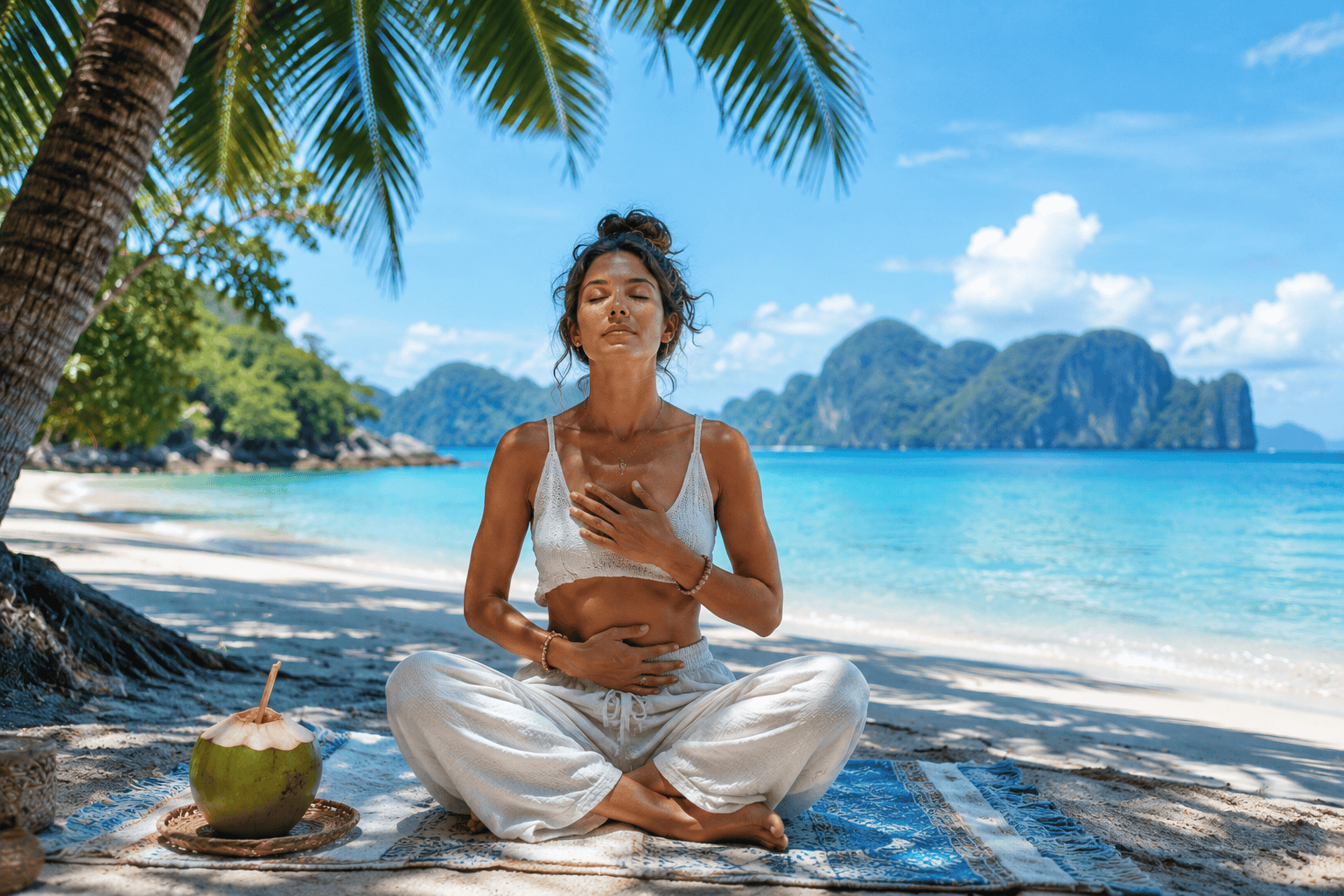
Breathe in the humid, jasmine-scented air of Koh Phangan and you’ll catch more than just the fragrance of tropical flowers. This island has quietly evolved into a leading global haven for conscious breathwork—a place where ancient wisdom, modern science, and diverse healing communities spark change, sometimes within a single hour, sometimes over weeks of deep practice. Breathwork in Koh Phangan involves guided conscious breathing practices designed to release emotional blockages, reduce stress, and unlock a profound sense of clarity and wellbeing. With its supportive community, expert facilitators, and wide variety of styles, Koh Phangan offers some of the most transformative breathwork experiences found anywhere.
Introduction to Breathwork in Koh Phangan
Those curious about the rise of breathwork in Koh Phangan might wonder what sets this island apart from so many other wellness hotspots in Southeast Asia. In short, it’s the rare convergence of seasoned facilitators, diverse techniques, and a deeply rooted community vibe that elevates each session beyond just a series of breathing exercises. Here, breathwork is not relegated to a dusty corner of the wellness world. Think of it as “island magic meets inner work”—there’s communal energy, a feeling of safety, and perhaps an openness that invites transformation you can’t fake or force.
Practices range from Rebirthing and Holotropic breathwork to more somatic and shamanic methods, all of which focus on using conscious breathing patterns to alter physical, emotional, and spiritual states. Those who step onto the sands of Koh Phangan in search of healing, stress relief, or clarity often find the experience unexpectedly profound. As one regular island traveler put it, “You come for the beaches, but you stay for what happens inside.”
Why Koh Phangan is a Global Breathwork Hub
There are a handful of places in the world where certain practices just seem to thrive—the kind of places where, if enough people gather with similar intentions, something rare and vibrant takes root. Koh Phangan is one of those places for breathwork, and it’s not just an accident of geography. A key reason why breathwork in koh phangan has such a loyal following is the unique blend of seasoned local and international teachers, readily available retreat facilities, and a resident community who actively prioritizes wellness and healing.
Over the past decade, the island has attracted people looking for deeper experiences than what the average retreat circuit offers. As word spread, specialized centers began popping up—think beachside yoga shalas, lush jungle domes echoing with soft gongs and guided breath, and even therapeutic warm water pools built just for breathwork. Drop-in sessions, weeklong immersions, retreats built around conscious breath—there’s a kind of ecosystem for growth and exploration that feels remarkably safe and inclusive.
In practical terms, this means you’ll find styles not just from Thailand but from across Europe, Russia, the Americas, and Oceania, all taught by people who walk the talk. It’s not uncommon to see facilitators with decades of training leading sessions side by side with newcomers exploring new edges and fresh approaches. Breathwork in Koh Phangan, at its best, becomes less about techniques and more about human connection, transparency, and the sense that change is possible.
Types of Breathwork Practices in Koh Phangan
With such a rich landscape, it helps to understand the main threads you’ll find in Koh Phangan breathwork sessions. Each carries its own history, focus, and distinctive energy—yet all share the goal of using breath to access altered, healing states of consciousness.
Rebirthing Breathwork in Koh Phangan
Rebirthing breathwork, pioneered by Leonard Orr in the 1970s, is a mainstay on the island. The practice revolves around circular, connected breathing—a technique where the inhalation and exhalation flow into each other with no real pause. Sessions are usually guided, often lying down on a mat, with music and gentle cues from a facilitator to help participants move through layers of resistance, letting suppressed emotions surface and integrate.
Many describe this as an “emotional spring cleaning.” Memories and feelings, sometimes forgotten for years, can bubble up with surprising intensity. The method is especially valued for its impact on trauma, anxiety, and long-standing negative patterns. Some practitioners even speak of physical shifts—tingling in the hands or face, warmth spreading through the body—as the autonomic nervous system recalibrates. The science agrees, at least in part: connected breathing can alter oxygen and CO₂ levels, impacting stress response, mood, and even pain perception [1]. Anyone considering rebirthing breathwork in Koh Phangan will find both gentle, nurturing facilitators and some who specialize in “going deep”—ask around to match the experience to your needs.
Holotropic and DMT Breathwork in Koh Phangan
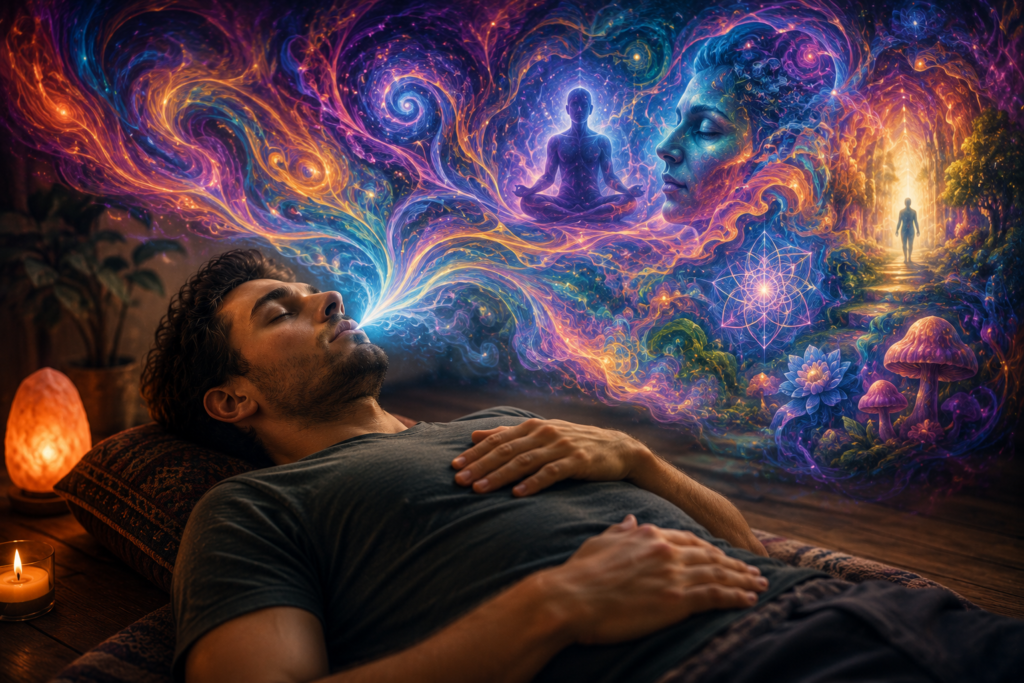
On the more intense end of the spectrum, you’ll hear about holotropic breathwork and so-called “DMT breathwork.” Holotropic breathwork, created by Stanislav Grof, is a powerful technique using deep, rapid breathing in a carefully guided setting, often with evocative music and skilled sitters present. The goal is to reach a non-ordinary state of consciousness, giving access to the subconscious much like certain psychedelic therapies—but through natural means only. The experience can be visionary, emotional, and physically demanding, so integration and aftercare matter.
“DMT breathwork” isn’t about ingesting anything—rather, it’s a style designed to stimulate the body’s own subtle chemistry, sometimes described as reaching peak states that feel “psychedelic.” Both holotropic and DMT-inspired breathwork attract those seeking radical emotional release or spiritual breakthroughs. While these techniques can be immensely healing, Koh Phangan facilitators consistently urge caution—such states aren’t for everyone, particularly those with heart conditions, severe mental health struggles, or recent major surgeries [2].
Somatic and Shamanic Breathwork Methods
Therapists and facilitators on Koh Phangan integrate somatic awareness into many breathwork sessions. This means paying close attention to how sensations, emotions, and memories manifest in the body—essentially, letting the body’s intelligence “speak.” Techniques from somatic experiencing, body scan meditations, and mindfulness may be paired with breath for greater emotional processing. Sensations—a tightening in the chest, a sudden burst of energy in the arms—become cues for where attention is needed.
Shamanic breathwork, meanwhile, weaves in indigenous wisdom, rhythmic drumming, and symbolic journeying. It’s as much art as science, with facilitators drawing from ritual practice and archetypal imagery. Many participants describe experiences of journeying, animal guides, or profound connection to nature—not surprising, given the backdrop of crashing waves, bird calls, and the rustle of palms. The island invites this kind of deep, mythic exploration, where every breath becomes a step into the unknown.
Learn more about different types of breathwork:
Conscious Connected Breathwork: My New Obsession in 2026
Neurodynamic Breathwork: My First Unscrupulous Perspective
The Truth About Soma Breath: How to Connect Mind & Spirit
The Truth About Rebirthing Breathwork: My Fearless Journey
Breathwork Retreats and Courses in Koh Phangan
The real magic of Koh Phangan breathwork often unfolds not in a single session, but across immersive retreats and structured training programs. These aren’t just “vacations with breathing”—they’re invitations to reset, learn, and actually live new insights day by day.
Choosing a Breathwork Retreat Koh Phangan
With dozens of retreat options, from beachfront bungalows to dense jungle hideaways, the trick is finding the blend that matches your readiness and intention. Some retreats are highly focused—think dedicated Rebirthing Breathwork camps or Holotropic intensives. Others offer a blend: breathwork in the morning, yoga or dance at midday, counseling or sharing circles in the evening.
- Retreat duration. Some run 3–5 days, others span two weeks or longer. Short stays are more like samplers; longer immersions allow real change to take hold.
- Facilitator pedigree. Check who is leading the sessions: Are they experienced? Do they have clear trauma-sensitive ethics?
- Integration support. Retreats worth their salt build in time and methods for “integration”—turning insight into daily practice, not just a peak experience.
- Setting and amenities. Pay attention to the setting, as a serene environment (cool breeze, birdsong, ocean backdrop) can reinforce the work done on the mat.
Some of the most respected retreats in Koh Phangan, like the programs at Samma Karuna or Shakti Koh Phangan, are famous for creating supportive, judgment-free spaces. People come away talking not only about breakthroughs in breathing, but also about lifelong friendships and—yes—the “post-retreat glow.”
Breathwork Courses and Training Opportunities
For those wanting to go deeper or become facilitators themselves, the island is a surprising hotspot for thorough breathwork training. Courses range from casual “Introduction to Breathwork” workshops to comprehensive, months-long facilitator certification programs. Expect a mix of science—oxygen physiology, trauma awareness—and experience-based learning: co-facilitation, supervised sessions, case studies. The better courses include modules on ethics, holding space for trauma, and the nuances of online vs. in-person breathwork, reflecting the practice’s evolution.
Shamanic breathwork training, breathwork coach certifications, and advanced somatic methods—the variety is impressive. Many of these trainings attract people from all over Asia, Europe, and North America, creating a truly international cohort. If you’re thinking about breathwork as more than a personal practice, Koh Phangan may well set you up with the knowledge, peer network, and lived experience to support others.
Top Koh Phangan Breathwork Experiences and Facilitators
The talent pool for breathwork in Koh Phangan sessions is, frankly, outstanding. Certain names have become fixtures on the island’s wellness circuit, drawing followers from well beyond Thailand. Here are a few who stand out for skill, safety, and a knack for catalyzing genuine change.
Edward Breathwork in Koh Phangan
Ask around for “Edward breathwork Koh Phangan” and you’ll catch a ripple of trust and respect among the regulars. Known for weaving heart-based guidance with rigorous understanding of anatomy and trauma, Edward’s sessions cut through jargon and pretense. Participants often speak about the clarity and safety of his approach—no performative mystique, just expertise and embodied care. Some credit Edward’s breathwork sessions for pivotal personal breakthroughs, often after years in therapy or on the self-help treadmill. While details about his background vary, what’s consistent is the high level of safety and personalized support—qualities crucial in this field [1, editor-verified].
Patricia Breathwork in Koh Phangan
Patricia’s breathwork offerings are consistently mentioned in the same sentence as “healing” and “deep presence.” Her technique blends clinical precision with intuitive understanding. Those described as “nervous system whisperers,” Patricia tends to create a container where emotions are felt deeply but held gently—an atmosphere newcomers in particular find approachable. She is known, especially, for slow integration, making sure emotional breakthroughs don’t hang in the air unsupported. Multiple longer-term travelers credit Patricia’s guidance for a sense of lifelong grounding.
Shakti Koh Phangan and Unique Practices
Shakti Koh Phangan isn’t just another retreat center—think of it as a crossroads for innovation in breathwork practices. Known for immersive Rebirthing Breathwork retreats, Shakti’s approach blends guided breathing with elements of tantra, meditation, and group rituals. Sessions might take place in open-air shalas, echoing with chimes or the laughter of birds, or occasionally move into warm water for aquatic breathwork—a sensation many call “womb-like.” The focus here is on deep transformation: uncovering patterns, moving unresolved emotions, and using conscious connected breath as the vehicle for real change [2].
While attending a retreat at Shakti, expect sessions guided by experienced facilitators like Alexander and a structure that supports both catharsis and calm. The center’s willingness to blend traditions, pair breathwork with sound therapy, or support spontaneous themed workshops gives it an edge in the ever-evolving Koh Phangan wellness landscape.
How to Prepare for Breathwork Sessions in Koh Phangan
Anyone exploring breathwork sessions Koh Phangan style will want to show up ready physically, emotionally, and, yes, even sartorially. A little preparation can make the difference between a pleasant experience and a downright transformative one.
- Stay hydrated. The island is humid, sessions can be intense, and dehydration magnifies fatigue.
- Dress for comfort and breathability—loose, lightweight fabrics work best.
- Avoid alcohol or heavy meals before a session; digestion (and clarity) both thank you later.
- Allow time before and after for integration—don’t book tightly back-to-back activities. Emotional peaks and valleys are normal.
- Tell your facilitator about health conditions, medications, or any anxiety about the process—nothing good comes from pushing too hard, too soon.
- Last but not least: come with an open mind. Even longtime practitioners admit sessions can move in surprising directions.
One common saying on Koh Phangan circles: “The breath will take you where you’re ready to go.” For some, that’s release; for others, insight. “You can’t force an ocean tide—just let it carry you a little way and see where you land.”
Volunteer and Community Opportunities for Breathwork
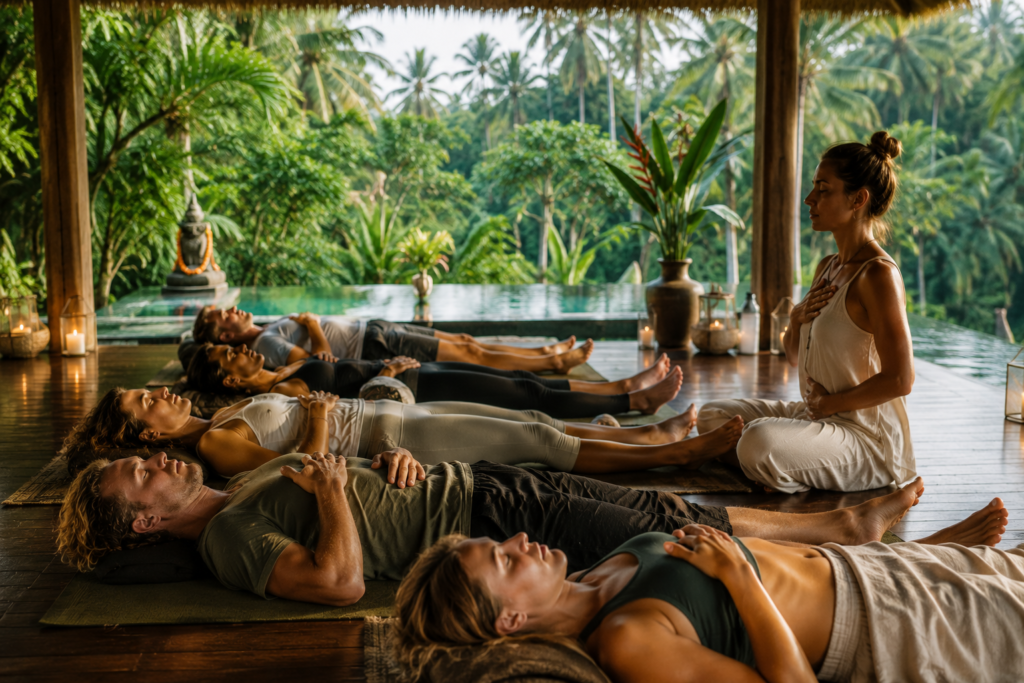
Koh Phangan breathwork practices don’t just stay inside yoga domes or shalas; they seep into the wider island community. The volunteer scene is thriving, thanks to the collaborative, non-hierarchical spirit among many centers. Think assistant opportunities during group sessions, or supporting admin and communication during retreats, often in exchange for training, classes, or even accommodation.
Getting involved as a volunteer is one of the best ways to deepen your practice, meet facilitators, and, quite literally, “breathe in” the local wisdom. Newcomers typically find doors open if they arrive willing to learn and support others. Whether assisting with logistics or guiding simple breath awareness for beginners, volunteering also means joining a web of connections that endures well past any one retreat.
Koh Phangan Versus Other Thai Breathwork Destinations
There’s a certain friendly rivalry in Thailand when it comes to “best places” for conscious practice, and breathwork is no exception. Koh Phangan is usually pitted against its neighbor, Koh Samui, or set in the broader context of Thailand’s burgeoning breathwork culture.
Breathwork Koh Samui
Koh Samui offers wellness infrastructure, upscale resorts, and a growing number of breathwork facilitators. It’s polished, convenient, and appeals to those seeking a wellness “bubble.” That said, most people find Koh Phangan’s rawer, more community-driven breathwork scene more authentic. Facilitators and participants alike often say they feel less like consumers and more like cocreators—“You’re never just a guest here, you belong,” is a sentiment heard often. For those looking for deep dives, Koh Phangan still gets the nod.
Breathwork Training Thailand
Step outside the islands and the “breathwork training Thailand” picture opens even wider: yoga hubs in Chiang Mai, shamanic programs sprouting in Bangkok, and occasional mini-retreats in health resorts further north. The difference? Koh Phangan remains refreshingly grassroots and experimental, while other Thai destinations sometimes follow more traditional wellness scripts. Those looking for adventure, community, and unfiltered teachings often gravitate back to Koh Phangan after sampling the other scenes.
FAQ: Breathwork and Koh Phangan Travel Insights
When to avoid Koh Phangan?
Most travelers avoid Koh Phangan during the peak monsoon season, typically from October to mid-December. Roads can become muddy and some classes or retreats close temporarily due to weather-related disruptions. The Full Moon Party crowd spikes at various times, so visitors seeking a tranquil breathwork experience often sidestep those periods as well. Plan accordingly to enjoy the island’s calmer, more healing energy.
Who should not do Holotropic Breathwork?
Holotropic breathwork is powerful but not for everyone. Those with significant cardiovascular problems, recent surgeries, pregnancy, severe mental health disorders like psychosis, or certain seizure conditions should avoid this practice. Always consult with a qualified health provider before participating, and communicate openly with facilitators about any health history [2].
Is Koh Phangan nicer than Koh Samui?
Nicer is subjective, but Koh Phangan is known for its laid-back atmosphere, community-driven wellness scene, and untouched nature compared to Koh Samui’s more developed, tourist-centered vibe. If seeking connection, authenticity, and a relaxed pace, most agree Koh Phangan wins. For resort living or convenience, some prefer Samui. Both have their charms; for breathwork, Koh Phangan is often considered the standout [editor-verified].
What is Bali breathwork?
Bali breathwork refers to the spectrum of conscious breathing practices offered in Bali, Indonesia—often a blend of modern techniques like Holotropic and Rebirthing, mixed with local spiritual traditions. The ethos is similar to Koh Phangan’s: a melting pot of influences tailored by international facilitators and local wisdom. While Bali has its own energy and magic, many say Koh Phangan retains a special blend of intimacy and authenticity in its breathwork scene.
Conclusion: Finding Your Ideal Breathwork Experience in Koh Phangan
Breathwork Koh Phangan stands out for its depth, diversity, and authentic sense of community. From transformative sessions in open-air shalas to immersive retreats and world-class facilitators, the range is as broad as it is welcoming. Whether arriving as a curious newcomer or a seasoned practitioner, the island makes space for every story, every breath, every step toward healing.
The practical takeaway? Match your needs to the right method and facilitator, prioritize integration and support, and allow ample time on the island for both practice and reflection. The best breathwork experiences here are rooted in presence, honesty, and a certain island magic—and that’s not marketing; it’s what people keep returning for. So, if your next “big step” looks a lot like a breath in and a breath out, Koh Phangan is ready and waiting. The air, after all, is already charged with possibility.
References
- Samma Karuna. Breathwork Koh Phangan: Drop-In Classes and Community. Samma Karuna School of Awakening & Healing. Accessed 2026 May 12. https://www.sammakaruna.org/breathwork-koh-phangan-classes/
- Shakti Flow Yoga. Rebirthing Breathwork Practice at Shakti Awakening Retreats. Accessed 2026 May 12. https://shaktiflow.yoga/rebirthing-breathwork/
- BookRetreats.com. The 10 Best Breathwork Retreats in Koh Phangan for 2026. Accessed 2026 May 12. https://bookretreats.com/s/wellness-retreats/breathwork-retreats/koh-phangan