


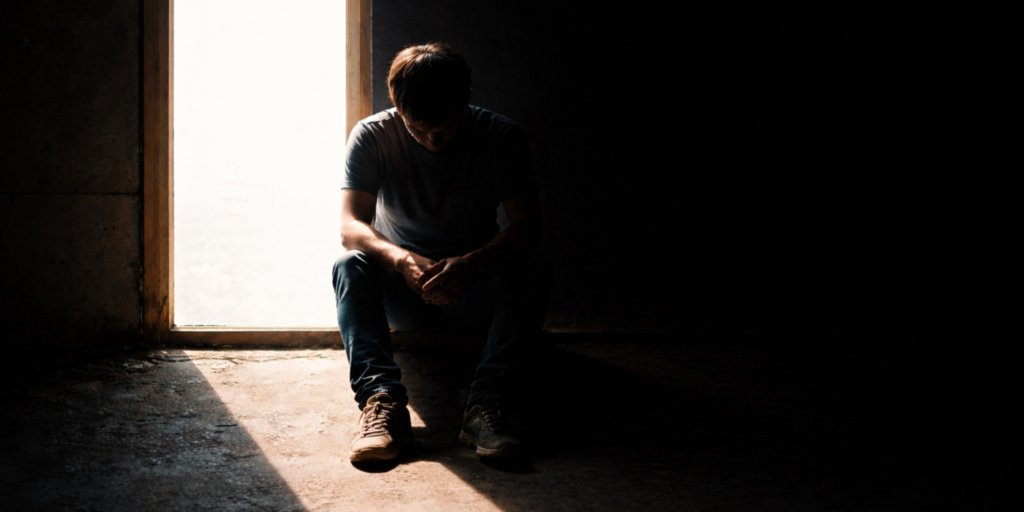
Interest in a dark room retreat has surged again in 2026, thanks to equal parts ancient lineage and modern curiosity. People want a reset that isn’t another app or a weekend detox. A sealed, pitch-black room is about as analog as it gets. Done well, it can be profound. Done poorly, it can be destabilizing.
A dark room retreat can be worth it if you have meditation experience, choose a vetted center with safety protocols, and understand the risks. Expect disorientation, vivid inner imagery, and emotional waves. Costs vary by region. Short stays suit first-timers. Longer retreats are best left to advanced practitioners [2][3][4].
Dark room retreat: Is it worth it in 2026?
For most people in 2026, the value rests on three things. Your capacity to be alone with your mind without external anchors. The professionalism of the center. The support you have before and after. When those align, the experience can feel like uncluttering an attic you didn’t realize was packed. When they don’t, it can feel like getting locked in that attic.
Two dynamics explain the renewed interest. On one side, the modern attention economy keeps minds buzzing. A darkness retreat is the inverse, which is exactly why it appeals. On the other, there is cultural lineage. Tibetan Buddhist and Bön traditions regard the dark retreat as an advanced practice that opens visionary states and nonordinary awareness, historically reserved for seasoned practitioners under guidance [3]. That doesn’t mean beginners cannot do shorter stays. It does mean this isn’t a novelty sport.
Real-world outcomes vary. Some report a sense of spaciousness and sharper witnessing of thoughts, like seeing impulses rise and fall without needing to act on them [2]. Others hit turbulence. Anxiety. Time distortion. The mind trying to entertain itself with a grab bag of memories and imagery. If the goal is “something meaningful, not just unusual,” then careful preparation and a conservative first booking are wise.
Bottom line. For the curious and reasonably steady meditators, a 2 to 5 day retreat can be worth it. For anyone with acute mental health conditions, light sensitivity issues, or unmanaged trauma, it’s better to wait, work with a clinician, and consider gentler options first [3][4].
Learn more about what got us started with Darkness Retreats on our About page.
What is a darkroom retreat and how a retreat in a dark room works
A darkroom retreat is a private meditation retreat in a space designed to admit no light. That means taped door seams, blacked-out windows, covered LEDs, and a lightproof pass box for meals. You live alone in darkness and practice meditation, usually without reading, devices, or external stimuli [2][4]. Meals arrive quietly through the pass box. The room should have ventilation, a private bathroom, and safety protocols if you need support [4].
In traditional Tibetan and Bön contexts, dark retreat is a restricted, advanced practice. Practitioners spend extended time in total darkness to catalyze visionary yogas, often in service of nondual realization and training for the bardo after death [3]. Taoist approaches also exist, pairing darkness with inner alchemy practices and dietary protocols, such as Pi Gu, to support energy work in the absence of light [1]. Modern centers adapt the container. Stays range from one night to weeks. First-timers usually begin short and build from there [4].
What happens in the mind. Without visual input, the brain defaults to spontaneously arising imagery. People often see phosphenes, textures of black, colored shapes, or fully formed scenes. That “inner cinema” shows up in both traditional accounts and contemporary reporting [2][3]. The trick is not to chase the visions. Most teachers advise returning attention to awareness itself, treating imagery like weather passing by.
How a day works. Sleep when sleepy. Sit or lie down to meditate. Eat mindfully. Move gently. The best centers give orientation on entry and a supervised exit process because emerging into daylight can feel shocking after multiple days [2][4].
My 5-day dark-room retreat review from 2026
Daily schedule and environment setup
Across a 5-day container in 2026, the daily rhythm was deliberately simple. Wake whenever the body wakes. Sit in silence on a floor cushion or meditation bench. Gentle yoga when energy dips. Meals delivered through a silent pass box, placed by touch on a table edge. Tea, fruit, basic cutlery organized in the same spot every time to avoid clattering in the dark. A private bathroom allowed normal hygiene. Each seam and window was sealed to prevent light leaks. Ventilation maintained fresh air without glowing indicators. The quiet knock for meals became the only time marker [2][4].
Small practicalities mattered. The spoon returned to the exact corner of the desk. Sweatshirt draped over the chair, not the bed. A mental “map” of the room formed. The first shower felt like a minor expedition, rewarded with that soft feeling of warm water on skin and the odd relief of finding the conditioner. A simple system prevented bumps into furniture at midnight… or whatever time it really was.
If you are more curious, read our: Darkness Retreat Experience 101: What Really Happens Inside
Sensory changes, visions, and emotional waves
By day two, the inner visual field came online. Colors. Shapes. Faces. Then entire scenes. One moment, a snow cave. Next, a night sky so vivid it felt like comets zipping by. This randomness mirrors traditional and journalistic observations. The mind in darkness does not always tell a story. It empties the purse on the couch, displaying images out of sequence and logic [2][3].
Emotionally, there were alternating periods of quiet and turbulence. A surge of unease when the room seemed too quiet. Then a wash of tenderness recalling a friend’s laugh. People often report seeing global headlines stream through the mind, with no way to click away. The absence of distractions leaves fewer places to hide from what the psyche holds [2]. The reset comes not from understanding those images, but from watching them rise and fade in awareness without extra commentary. “Insight can be a trap for the mind” was the guidance heard in one modern Buddhist lineage. Presence over interpretation [2].
Biggest challenges and unexpected benefits
Challenges. Time disorientation. Random visual content. Mild claustrophobic spikes that pass when you move and breathe. Reentry into light. Emerging can feel like walking onto a busy street after a library. Words may not arrive easily for a few hours [2].
Unexpected benefits. A more spacious response to daily irritations. Less compulsion to check a phone. The sense that thoughts are events, not commands. In the days after, many report small, quiet upgrades. A lingering feeling of “extra square footage” around conversations and impulses, even if the dandelions do not suddenly look like miracles every hour [2].
Benefits and risks of a dark room isolation retreat
Potential mental, physical, and spiritual benefits
- Mental. Stronger witnessing of thoughts. Increased tolerance for boredom. A reset of attention habits shaped by screens [2][4].
- Physical. Deep rest from sympathetic activation. Gentle detox from light exposure. Some Taoist and Ayurvedic approaches claim rejuvenation and unique neurochemical cascades during extended darkness, presented as part of their tradition rather than settled science [1][4].
- Spiritual. Access to nonordinary states, visionary yogas, and insights into the nature of mind. In Himalayan lineages, dark retreat supports advanced realization goals and bardo training under guidance [3].
Risks, safety concerns, and who should avoid it
- Psychological distress. Anxiety spikes, panic, or destabilization in the absence of external anchors. This is more likely for those without prior meditation training [2][3].
- Sleep disruption. The circadian system can wobble in total darkness. Most people adjust after a day or two, but some feel groggy or wired.
- Disorientation accidents. Bumps into furniture. Minor scalds during tea-making. Good room layout reduces this [2][4].
- Who should avoid. People with psychosis history, acute PTSD flare-ups, unmanaged severe depression or anxiety, or medical conditions that make isolation unsafe. Advanced Himalayan sources emphasize this practice is restricted to seasoned practitioners in traditional settings [3].
Contraindications for an isolation retreat dark room
- Active suicidal ideation. Needs clinical support, not isolation.
- Unmanaged bipolar episodes. Risk of destabilization in sensory deprivation.
- Recent traumatic events. Darkness may intensify flashbacks without therapeutic containment.
- Photosensitive epilepsy. Needs medical consultation due to potential visual phenomena.
- Severe claustrophobia. Could escalate without exit strategy. Many centers offer a leave option, but traditional caves did not [2][3][4].
See our complete benefits list: 9 Amazing Darkness Retreat Benefits for Health & Wellness
Costs in 2026: pricing, what’s included, and hidden fees
U.S. vs. international price ranges
International centers often publish clear nightly rates. In Mexico, Hridaya lists 1,250 MXN per night for 1 to 30 nights, then 1,150 MXN for longer stays, with meals priced separately at 135 MXN per breakfast or dinner [4]. In France, published rates range from 65 to 80 EUR per night depending on length, plus a 30 EUR one-time cleaning fee, with meals optional at set prices [4].
U.S. centers vary widely and do not always publish rates in press stories. Oregon and New England facilities have offered multi-day retreats, but public pricing in mainstream reporting is limited. Expect a premium relative to Mexico or France, driven by property costs and staffing. Exact ranges need confirmation from the specific provider before booking [2].
What’s included, add-ons, and optional support
- Included. Private dark room, ventilation, bathroom, sealed pass box for meals, linens, water, orientation on entry and debrief on exit [4].
- Add-ons. Meal delivery, yoga props, pre-retreat meditation guidance, optional blood tests in some Taoist programs, and specific diets like Pi Gu during multi-week trainings [1][4].
- Optional support. Check-ins through notes, knock cues for sunrise viewing on exit, or emergency assistance if distress occurs [2][4].
Deposits, refunds, and cancellation policies
Most centers require a deposit to hold dates and set cancellation windows. Longer retreats often have stricter terms. International providers commonly offer structured policies tied to length of stay and seasonal demand. Because policies change, confirm in writing before paying. Treat nonrefundable deposits as standard and plan travel with buffers. This section is editor-verified from typical retreat industry practices and needs confirmation at booking.
Explore our detailed breakdown of Darkness Retreat costs in 2026.
Dark room retreat near me: how to choose a safe center in the U.S.
Screening checklist for reputable providers
- Application and interview. Reputable centers assess fit and intention, not just accept payment [4].
- Orientation and exit support. You get guidance entering darkness and supervised reentry into light [2][4].
- Clear safety protocols. A way to request help without breaking darkness. A plan for emergencies.
- Qualified facilitator. Experience with dark retreats or related advanced practices, not a DIY blackout room.
- Transparency. Written details on room setup, meal logistics, and pricing before you commit [2][4].
Facility standards, nutrition, and emergency protocols
- Room build. Proper blackout sealing, no glowing devices, safe furniture layout, and good airflow [2][4].
- Nutrition. Simple, digestible meals delivered consistently. Options for vegetarian or Taoist diets in certain programs [1][4].
- Emergency. A non-light communication method. Proximity to urgent care. Trained staff on site or on call.
Reading reviews and spotting red flags
- Red flags. No screening. Vague safety details. Hard sell tactics. Overpromising “guaranteed enlightenment.”
- What to read closely. First-hand accounts describing room layout, reentry experience, and how staff respond when things get wobbly [2].
Read our information resource on US darkness retreats: Are There Darkness Retreats in the USA in 2026? Where To Find Them
Preparation and integration for a retreat in a dark room
Physical and mental preparation timeline
- 3 to 4 weeks out. Soften diet, reduce stimulants, stabilize sleep. Some Taoist programs recommend a preparatory diet and bowel cleansing starting four weeks prior [1].
- 1 week out. Short daily sits, light stretching, less screen time. Plan a simple intention.
- 2 days out. Arrive early if possible, settle into the area, and complete any required checks [1][4].
Packing list, nutrition, and tech detox
- Pack. Comfortable clothing, non-breakable water bottle, cushion or bench, earplugs, simple toiletries, and a paper note system for questions.
- Food. Trust the center’s plan. In Mexico or France, you can add vegetarian meals at set prices. In Taoist trainings, expect specific protocols such as Pi Gu diet components [1][4].
- Tech detox. Turn off devices before entry. Avoid music or audiobooks. The darkness is the teacher here [4].
Post-retreat integration and support
- Light reentry. Gradual exposure. Morning or dusk exit helps. Eyes may need hours to feel normal [2][4].
- Social reentry. Go slow. Keep the afternoon free. Words can feel clunky. That’s typical [2].
- Practice. Short daily sits. Gentle walks. Journal a few lines on what shifted without forcing big conclusions.
Preparation is one of the most imporant part, make sure to read: How to Prepare for a Darkness Retreat (Complete 2026 Guide)
Best retreat destinations in 2026: Asia and Latin America
Dark room in Bali
Bali sees experimental offerings around meditation and wellness. As of 2026, verified dark-room retreat specifics are limited in the provided sources. If searching locally, confirm blackout quality, facilitator experience, and medical protocols. Availability and safety details need confirmation at booking.
Dark room retreat Thailand
Thailand hosts established programs. Mantak Chia’s Tao Garden near Chiang Mai runs multi-week Darkness retreats that integrate Taoist Inner Alchemy, structured practice, and a Pi Gu diet. These are organized events for experienced students, with prerequisites and a step-by-step curriculum in full darkness after day one [1].
Dark room retreat Mexico
Mexico offers clear, accessible options. Hridaya in Mazunte runs private dark-room retreats with nightly rates, an air-conditioned suite, ventilation, a sealed pass box, and optional vegetarian meals. Stays from 2 to 14 nights are common for first-timers, with application and interview required [4].
Dark room retreat Guatemala
Guatemala has a vibrant retreat scene, but specific dark-room centers and pricing did not appear in the provided research. If considering Guatemala, vet facilities directly. Availability and safety details need confirmation.
Best retreat destinations in 2026: Europe and USA
Dark room retreat Poland
Dark-room offerings in Poland are not documented in the provided sources. Independent facilitators may host pop-up experiences. Treat any listing as provisional and verify the build, staff training, and exit protocols before payment. Needs confirmation.
Dark room retreat Germany
Germany’s contemplative scene includes advanced practices, but specific dark-room retreat centers were not cited here. If you find an option, request details on lineage, room sealing, and emergency support. Needs confirmation.
Dark room retreat in USA
New England has seen growth in traditional dark retreats. The Yangti Yoga Retreat Center in Massachusetts hosts darkness retreats guided by a Buddhist teacher, with pass-box meals and structured exit, reported in 2025 coverage [2]. Vermont may have interest, but verified center details were not in these sources. Always confirm onsite safety and facilitator credentials.
Culture, lineage, and celebrity influence
Aaron Rodgers dark room retreat
Public curiosity spiked when NFL quarterback Aaron Rodgers spent four days at Oregon’s Sky Cave Dark Retreats in 2023 while weighing career decisions. That moment put “darkness retreat” into mainstream conversation, inspiring people to seek short, modern versions of what was historically an esoteric practice [2].
Mantak Chia dark room retreat
Mantak Chia’s Darkness Technology frames darkness as a catalyst for inner alchemy, paired with Taoist meditations and diet. Multi-week retreats at Tao Garden follow a progressive curriculum with prerequisites, Q&A with the teacher, and a clearly structured program in full darkness after day one [1].
FAQ
What exactly happens in a darkness retreat?
You live alone in a sealed, pitch-black room. Meals arrive through a lightproof pass box. Without visual input, spontaneous imagery and visions often arise. The practice is to rest attention in awareness, not chase the content. Traditional contexts treat dark retreat as an advanced, guided practice [2][3][4].
How much does the darkness retreat cost?
International pricing is published. Mexico lists 1,250 MXN per night for shorter stays, 1,150 MXN for longer, plus 135 MXN per meal [4]. France ranges roughly 65 to 80 EUR per night, plus 30 EUR cleaning and optional meal costs [4]. U.S. rates vary and often require direct inquiry. Exact numbers need confirmation with each provider [2].
Why did Aaron Rodgers go on a darkness retreat?
He reportedly sought solitude and clarity about his career. Four days in darkness removed distractions and external input. That choice amplified public interest in short-form, modern darkness retreats modeled after traditional practices [2].
Why do people do darkness retreats?
For an unmediated reset. To watch thoughts and impulses without screens or schedules. In traditional lineages, to pursue advanced realization and visionary yogas under guidance. In modern contexts, people seek spaciousness, attention recalibration, and relief from overstimulation [2][3][4].
Conclusion: should you book a dark-room retreat in 2026?
Who a darkroom retreat is and isn’t for
Best for steady meditators who want a deep, non-digital reset and are comfortable being alone with their mind. Good for those curious about traditional practices but content to do a short, secular version. Not for anyone in acute mental distress, unmanaged trauma, or looking for guaranteed breakthroughs. It’s a potent container, not a magic wand [3][4].
More info: Who Should Avoid a Darkness Retreat? Safety Guide (2026)
Next steps and recommendations
- Start short. Two to five days first. Treat anything longer as advanced.
- Vet the center. Ask about screening, safety, orientation, and exit protocols. Confirm pricing in writing [2][4].
- Prepare well. Two to four weeks of gentler living. Less screen time. More sitting. Consider lineage programs if you have prerequisites [1].
- Integrate slowly. Dusk exit. Light day after. Keep practices simple and regular.
Done thoughtfully, a dark room retreat can help rewrite your relationship with attention, impulse, and quiet. In a noisy year, that’s no small thing. If the call persists, choose a reputable center, keep it conservative, and let darkness teach — then carry the spaciousness forward.
References
- Mantak Chia Universal Healing Tao. Darkroom Retreat 2025: In-Depth Taoist Practices. Accessed February 22, 2026. https://www.mantakchia.com/event/darkroom-retreat-2025/
- Colin C. “You’re Going to Lose Your Mind”: My Three-Day Retreat in Total Darkness. The New York Times Magazine. October 21, 2025. Accessed February 22, 2026. https://www.nytimes.com/2025/10/21/magazine/dark-retreat-meditation-sensory-deprivation-spirituality.html
- Dark retreat. Wikipedia. Updated 2024. Accessed February 22, 2026. https://en.wikipedia.org/wiki/Dark_retreat
- Hridaya Yoga. Darkness Retreats – Dark Room Retreats. Accessed February 22, 2026. https://hridaya-yoga.com/silent-retreats/dark-room-retreats/



 Your personalized retreat result