


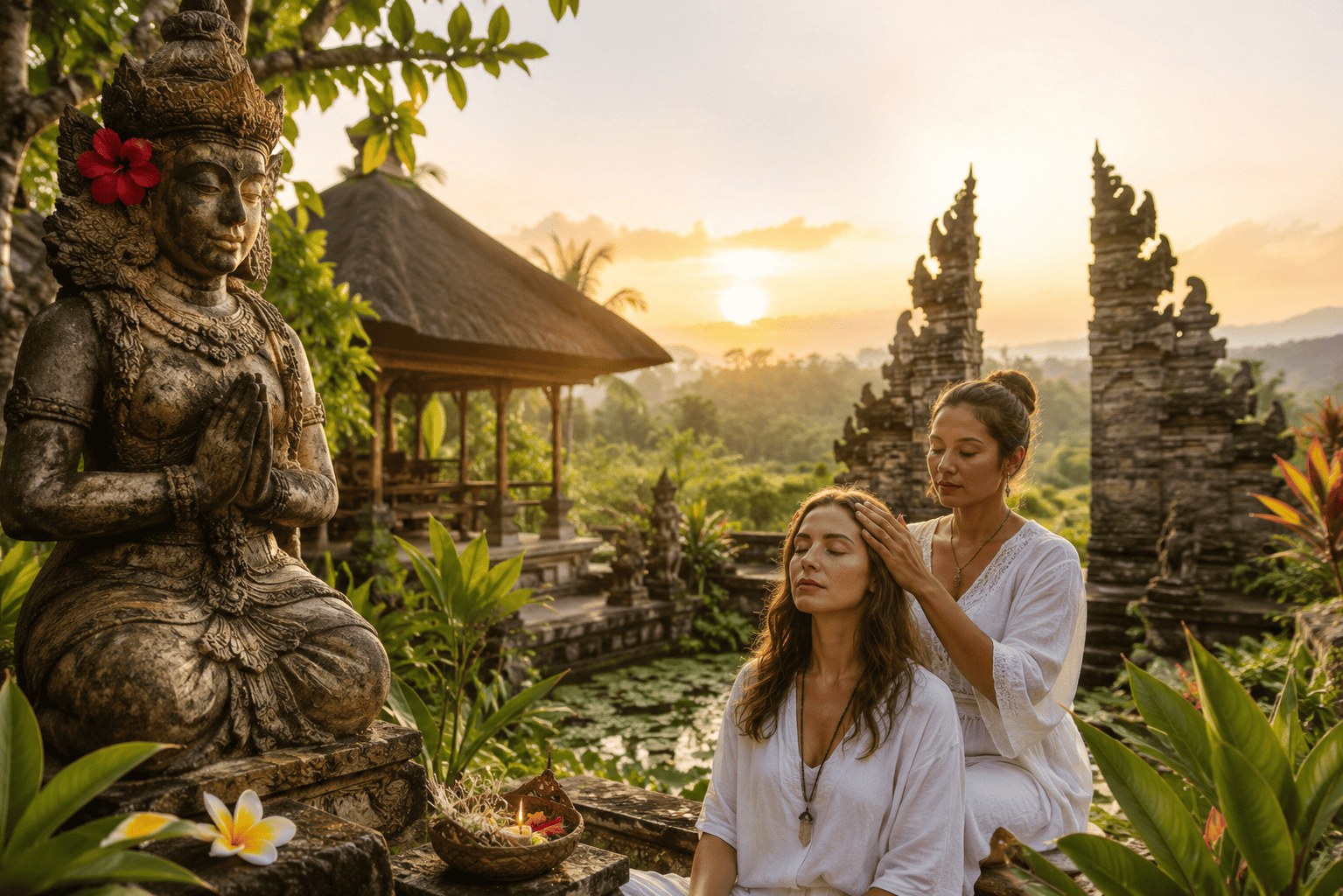
A Bali healing experience explained in plain terms: it’s a structured blend of traditional Balinese, Hindu-influenced rituals and modern holistic wellness practices designed to restore physical, emotional, and spiritual balance. Sessions may involve spiritual cleansing, energy healing, yoga, or guided ceremonies—each providing pathways to renewal that draw visitors worldwide.
There’s something about Bali that draws people in, and it isn’t just the lush green rice paddies or idyllic beaches—although those certainly help set the stage. Ask around among travelers and locals, and you’ll hear stories of profound changes sparked by Balinese healing rituals. There’s no denying the global buzz around this “spiritual playground,” yet plenty of mystery lingers.
Questions like, “Is this just wellness tourism?” or “Can local traditions have an impact in a world obsessed with quick fixes?” pop up all the time. Here’s where the actual explanation of a Bali healing experience becomes essential—not as a fleeting Instagrammable moment, but as a living tradition with deep roots.
What Is a Bali Healing Experience?
Definition
At its core, a Bali healing experience refers to an immersive process where visitors or locals engage in a series of practices intended to promote wellbeing in body, mind, and spirit, all set against the island’s unique cultural and natural backdrop. You’re not just getting a massage or taking part in yoga—you’re stepping into a delicate dance between tradition and transformation.
Whether through energy healing, water purification, Balinese bodywork, or modern wellness retreats, the journey is tailored to help people find relief, renewal, or even deep self-discovery. This isn’t about a single treatment; it’s the sum of interconnected rituals, philosophies, and personal reflection.
The Philosophy Behind Balinese Healing
The Bali healing experience often revolves around the local philosophy called Tri Hita Karana—literally “three causes of well-being.” The elements: harmony with God (parhyangan), harmony with other people (pawongan), and harmony with nature (palemahan). Balinese healers don’t treat symptoms in isolation. Instead, there’s an emphasis on restoring lost balance on every level.
Picture a healing session: a priest chants prayers, flower offerings smolder in the air, and sacred water runs over your head. You aren’t just trying to relax—you’re reconnecting to a web of relationships spanning the spiritual, communal, and environmental.
This philosophy has a ripple effect you can feel, not just at the big ceremonies, but in the everyday interactions—from village support networks to the way locals care for the land. As many visitors discover, healing in Bali isn’t simply about feeling calm during a session. It’s recognizing that, as one Balinese healer put it, “Peace inside brings peace outside.” The process is communal, spiritually infused, and surprisingly practical.1
Traditional vs Modern Healing Experiences
Bali healing experience overview reveals two distinct but intertwining strands. Traditional experiences include rituals like melukat (water purification), consultation with a balian (traditional healer), or massage using local herbs. These practices are centuries old, held together by oral tradition and local wisdom.
On the flip side, modern healing experiences often blend these traditions with global wellness trends—think sound healing, meditation retreats, or integrative yoga led by both locals and international practitioners. The line isn’t always clear. Plenty of retreats offer a fusion: a day might start with ancient chants and end floating in a sound bath. The dance between old and new often proves to be where the magic happens.
Why People Travel to Bali for Healing
Here’s an explanation of Bali healing experience appeal: Bali has earned a reputation as the “Island of the Gods” not just for its temples and ceremonies, but because of how it treats healing as an integrated part of daily life. It attracts folks from burned-out urbanites to those grieving a loss, to spiritual seekers, to people simply wanting a reset.
The allure? Deeply rooted practices, natural beauty, and a culture that doesn’t view healing as something separate from life. People talk about arriving frazzled—then noticing stress lift in waves, usually after a water purification or a potent session with a balian. Over the past decade, this trend has snowballed, with travelers seeking not just spa-like relaxation, but true transformation.2
The History of Healing in Bali
Traditional Balinese Medicine
Traditional Balinese medicine, sometimes called “Usada Bali,” weaves together herbalism, massage, spiritual treatment, and ritual practices that have evolved over centuries. It incorporates not only physical healing methods, such as plant-based infusions and topical poultices, but also prayers, offerings, and guidance from ancestors or spiritual entities. Even today, it’s common for a Balinese person to visit a traditional healer for problems that are physical, emotional, or believed to be caused by spiritual imbalance. There’s a strong emphasis on the psychosomatic connection: unaddressed emotions or disrupted spiritual harmony are seen as potential sources of physical illness.
Balinese Shamans (Balian)
Ask anyone who’s had Bali healing experiences explained to them, and the role of the balian (traditional healer or shaman) comes up quickly. Balian are respected members of the community—sometimes chosen through dreams, sometimes through family lineage, and always through rigorous spiritual discipline. Their work covers everything from herbal remedies to soul retrieval. In a typical session, you might find yourself getting an herbal compress, going through a diagnostic conversation, or being guided through ritual prayers. A quote you might hear: “People come with pain in the body or pain in the heart—the answer is sometimes the same.” Their toolkit is comprehensive by any standard, and every healing experience with a balian feels intensely personal.
Hindu Influence on Healing
Hinduism isn’t just a religion in Bali. It’s the framework for daily life and informs everything from food to family dynamics. Many healing practices draw on Hindu teachings—especially through connection with deities, karma, and purification rituals. The symbolism of water, for example, comes straight from Hindu beliefs about its purifying powers, while ceremonies invoke names like Saraswati for wisdom or Shiva for transformation. Balinese healers often use mantras or offerings to invite spiritual guidance, blending local animist traditions with imported Hindu ideas. This “layered” spirituality tends to give Balinese healing its signature complexity.
Spiritual Traditions and Rituals
Daily offerings made from flowers, rice, and incense fill the air with sweet fragrances—a sensory detail impossible to ignore once you’re in Bali. Rituals mark not only big transitions like birth or death but almost every day, forming a backdrop to more formalized healing sessions. Water purification (melukat), temple ceremonies, and birth or death rites often double as opportunities for collective healing. There’s a rhythm to life here that balances celebrations and solemn moments, with healing running through them all. Most strikingly, many of these rituals are open to guests willing to approach with respect—an invitation that turns healing into an act of cross-cultural exchange.
How Healing Has Evolved Over Time
Fast-forward to today, and you’ll find Balinese healing looks slightly different on the surface but carries the same underlying principles. Modern wellness centers blend local wisdom with international modalities, and young healers often train in both traditional Balinese methods and Western somatic techniques. While some worry about the commodification of tradition, plenty of practitioners are fiercely protective of authenticity—and many travelers find the blend refreshingly accessible. The modern Bali healing experience draws from the past but adapts with the times, making it possible to find everything from ancient purification ceremonies to state-of-the-art breathwork, often in the same space.
How Does a Bali Healing Experience Work?
The Initial Consultation
A typical Bali healing process explained from start to finish always begins with a conversation—sometimes formal, sometimes as simple as sharing herbal tea. The practitioner asks about your current struggles, what brought you to healing, and any recent physical or emotional events. Sometimes, the healer uses observational skills—reading your pulse, examining your eyes, or tuning into your energy—to tailor the approach. There’s a sense that every session is as unique as the person sitting across the mat.
Setting an Intention
Before anything begins, the healer or facilitator will usually ask you to clarify what you’re hoping to address. Is it stress? Trauma? Grief? Or a desire for greater clarity or connection? This step is surprisingly powerful. Setting an intention creates a thread for the session to follow, turning passive relaxation into purposeful transformation. Many say the act of naming “what needs healing” is half the experience.
Types of Healing Sessions
There’s no one-size-fits-all answer. Healing sessions can involve:
- Water purification ceremonies (melukat)
- Traditional massage or bodywork
- Herbal compresses or baths
- Energy healing (Reiki, prana, chakra balancing)
- Sound baths and guided meditation
- Yoga therapy and breathwork
- Personal reflection with journaling or creative practices
Some retreats offer multi-day programs where guests may experience several of these—sometimes in a sequence, sometimes interwoven. The combination is tailored, not prescribed.
Emotional and Physical Healing
During the session, you might feel heat, tingling, or waves of emotion. Traditional bodywork can release physical knots, while energy healing is known for triggering tears, laughter, or unexpected insights. The real story? Most people report an odd combination of deep relaxation and sudden emotional clarity, like a knot coming loose inside the chest or a heaviness lifting from the mind.3
Spiritual Practices
Most experiences include a spiritual component, even if you aren’t particularly religious. This might be as formal as prayers and offerings, or as subtle as a silent blessing at the end. Balinese culture assumes the spiritual world is as real as the physical. As a result, practices feel sincere and grounded, not showy. The sound of sacred chanting, the smell of incense, and the cool touch of holy water impart a sensory richness few other wellness experiences can match.
Integration After the Session
A competent facilitator always discusses how to bring the session’s insight back into “regular life.” This might involve a grounding meditation, journaling, breathwork you can practice at home, or simple rituals for everyday peace. It’s considered disrespectful—and ineffective—to treat healing as a one-off event. The best practitioners care about what happens after you leave.
Types of Bali Healing Experiences
Traditional Balinese Healing
When people seek an explained Bali healing experience, traditional methods stand out. Seeing a balian isn’t just about getting physically treated—it’s often about chatting through life’s problems, uncovering energy blockages, or navigating family dynamics. Rituals, local herbal remedies, and diagnostic readings form a rounded, holistic approach.
Energy Healing
Drawing from both local and imported practices, energy healing sessions address the unseen forces believed to influence health. Practitioners channel or rebalance the “prana” or life force, working with chakras or other subtle energy systems. Reiki is a common inclusion, alongside traditional Balinese modalities.
Breathwork
Breathwork in Bali goes beyond typical yoga classes. Healers often use ancient breathing techniques that have been handed down through families. Sessions may be gentle or cathartic—sometimes people report feeling their emotions surface in waves. It’s not uncommon for sessions to finish with a sense of lightness, almost as if the body has let go of hidden burdens.2
Sound Healing
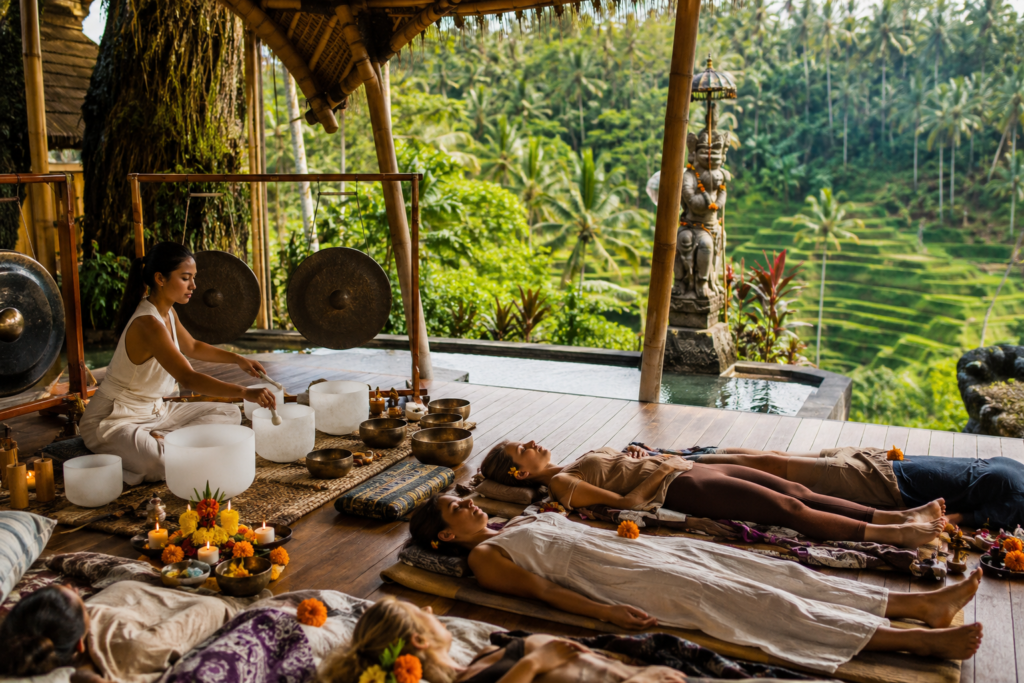
From gamelan orchestras to Tibetan singing bowls, sound in Bali is more than background noise—it’s a primary healing tool. Lying in a sound bath, most people feel vibrations reverberate through their bones, practically shaking loose tension. Many sessions use gongs, chimes, and voice for a full-body reset.
Yoga Therapy
Unlike vacation yoga, therapy-based sessions in Bali are individualized, drawing on both ancient philosophies and the island’s blend of somatic wisdom. Expect movement, meditation, and breath, often tailored to trauma release or specific emotional needs.
Meditation Retreats
From silent Vipassana-style programs to group mindfulness classes with Balinese priests, meditation retreats are part of the landscape. What sets Bali apart is the ritual and context—meditation often begins with purification, music, or a blessing, making stillness deeply anchored in local spirituality.
Water Purification Ceremonies (Melukat)
Perhaps the signature healing ritual, melukat, involves immersion or washing in sacred waters, guided by a priest or healer. Participants often describe “feeling years of heaviness wash away with the current.” The most famous sites like Tirta Empul attract crowds, but smaller, local springs offer a less-touristy (and sometimes more impactful) experience.4
Chakra Healing
Chakra-focused healing is woven into both traditional and modern practitioner offerings. With roots in Hindu philosophy and global wellness trends, sessions aim to diagnose which “energy centers” are underactive or blocked. Expect a mix of guided meditation, visualization, hand placements, and sometimes crystals or sound.
Reiki
Reiki has firmly established itself in Bali’s healing ecosystem. While imported in name, the practice aligns neatly with Balinese principles of channeling universal energy and offering hands-on healing. A Reiki session is known for subtle shifts, deep relaxation, and unexpected emotional releases.
Somatic Healing
Modern fields of body and trauma therapy are making their way into Bali, coexisting with traditional practices. Sessions help people “listen to the body,” process trauma held in tissues, or reconnect mind-body awareness. The local take often blends Balinese rituals with Western somatic wisdom.
Massage and Bodywork
Balinese massage isn’t just deep tissue—there’s an intentional rhythm, paired with stretches and acupressure, designed to move energy as much as to release muscle knots. Some practitioners combine urut (traditional massage) with aromatherapy, creating an atmosphere that feels at once ancient and refreshingly modern.1
Herbal Healing
Herbal compresses, tonics, and infused oils are commonly used, often drawn from family recipes. Even the famed jamu drinks—a potent combination of turmeric, ginger, honey, and local herbs—are part of these healing experiences, offered to balance internal health from the inside out.
Spiritual Guidance
Healers frequently serve as counselors—consulted for life’s big questions, not just health issues. Expect everything from palm reading and numerology to more intuitive spiritual advice, always delivered with an air of grounded tradition.
Wellness Retreats
Entire wellness retreats in Bali now curate multi-day packages combining yoga, workshops, healthy food, ritual ceremonies, and meditation. What stands out is the attention to both structure and flexibility—allowing guests to move between guided sessions and personal reflection. Some focus on women only, while others are open to everyone.
What Happens During a Bali Healing Experience?
Arrival and Welcome
Arriving at a Bali retreat or healer’s home, you’re usually greeted with a calm, quiet atmosphere. The familiar scent of frangipani blossoms, sounds of soft chanting or running water, and a warm cup of herbal tea set the tone. Hospitality isn’t just politeness here. In Balinese culture, making someone feel safe and welcomed is considered the gateway to healing.
Opening Ceremony
Most healing experiences begin with an opening ritual: a short prayer, lighting incense, or offering flowers. This isn’t for show. Balinese ceremonies invite spiritual guidance, signal respect, and mark the literal “opening” of space for transformation. Participants are encouraged to let go of outside worries and enter softly into the process.
Healing Sessions
Once “opened,” healing can look like meditation, bodywork, sound baths, or breathwork. Some programs involve sacred water rituals guided by priests; others use structured yoga or guided visualization. The sequence changes, but there’s always an attention to “following what is present”—adapting to the needs that arise.
Meditation and Breathwork
Almost every Bali healing journey explained in detail features guided meditation or breathwork. These practices encourage participants to witness their thoughts, deepen awareness, and tap into the nervous system’s natural capacity for regulation. In a group, the atmosphere turns almost electric. Silent moments are broken only by the sound of breath or distant temple bells.
Journaling and Reflection
Reflection is built-in. Some retreats provide time for journaling or creative practices, while traditional healers may prompt you to “name what feels lighter” after ritual. It’s not uncommon for insights to land only after the session ends. Participants are encouraged to listen for subtle shifts—more patience, deeper sleep, less anxiety in the days that follow.
Closing Circle
The end of a session or retreat often involves a closing circle, where participants acknowledge what’s changed and anchor their intention for “life after Bali.” Some centers end with blessings or the tying of a symbolic string—reminders that the effects aren’t meant to be left behind, but carried home.
Returning Home
Here’s where the experience stands or falls: integration matters. Quality Bali healing retreats teach guests how to weave new insights into daily life—through simple rituals, breathwork, meditation, or connecting with nature back home. The goal: make healing ongoing, not confined to the island.
Benefits of a Bali Healing Experience
Stress Relief
It’s no secret: stress, whether from work or personal life, can build up and lead to burnout. Bali healing sessions are known for lowering stress levels—sometimes dramatically. The combination of nature, stillness, ritual, and practical techniques (like breathwork or sound healing) works well to signal the nervous system that it’s safe to relax.1
Emotional Healing
Traditional and modern modalities alike help participants access buried emotions—grief, anger, or sadness that may not find a place in daily life. Many people describe tears flowing during a water ceremony and laughter bubbling up after bodywork. It’s emotional release with a safety net.
Trauma Recovery
Healing experiences explained Bali-style often serve trauma survivors: gently unlocking stuck memories or responses in a space that feels culturally attuned to support. Trauma is never just about memory, but the way it stays etched in body and mind. Skilled facilitators recognize this, providing stepwise support as emotions surface.
Burnout Recovery
Stories abound of high achievers—corporate professionals, parents, teachers—walking into a retreat at the end of their rope, and walking out sleeping better and feeling more grounded. It’s not magic, but the cumulative effect of structured rest, community, and ancient wisdom that seeps in over the days.2
Increased Self-Awareness
Every healing journey is, in essence, a process of coming home to yourself. Reflection, journaling, and intentional conversation spark moments of self-recognition. People report understanding patterns that have held them back or internal narratives ready to be released.
Spiritual Growth
You don’t need to convert or ascribe to specific beliefs. Simply participating in rituals can open doors to spaciousness, calm, and a sense of belonging to something larger. As one practitioner explained, “You cannot fake the stillness that comes from sacred space.” Many travelers return home with new spiritual tools—prayer, gratitude rituals, a sense of awe.
Better Mental Clarity
After a solid Bali healing experience, people often speak of clearer thinking and more focus. Whether from unburdening emotional stresses or through meditation and breathwork, the mind becomes less cluttered and more receptive. Sometimes decision-making gets easier, or creativity flows more freely.
Improved Relationships
As self-awareness grows and stress drops, many notice relationships at home shift. Less reactivity, more patience, and healthy boundaries tend to appear not just as “nice side benefits” but as logical outcomes. Communal healing practices in Bali underscore the interconnectedness of personal and collective well-being.
Greater Emotional Balance
Rather than overpowering emotions or long-term emotional numbness, the goal is greater equilibrium—feeling what arises, then letting it go. The best explanation of Bali healing experience revolves around this state: being emotionally present without becoming overwhelmed.
Nervous System Regulation
Modern research echoes what Balinese culture has practiced for generations: healing rituals regulate the parasympathetic nervous system (the body’s “rest and digest” mode). Whether through music, prayer, touch, or guided breathwork, the physiological foundation for calm and health is quietly, gently restored.
What Does a Bali Healing Experience Feel Like?
Physical Sensations
Most sessions trigger tangible physical reactions. Warmth spreading from touch or energy work, a gentle tingling after sound baths, or the refreshing shock of cool spring water over skin—these real sensations anchor the experience firmly in the body.
Emotional Release
Bali healing journey explained simply: it’s common for old emotions to surface—even ones you didn’t know were lurking beneath the surface. Some describe a “weight rolling off,” others an eruption of tears followed by laughter. The emotional landscape can shift session by session, always guided by a sense of safety.
Spiritual Experiences
Even the most skeptical participants sometimes report “strange clarity” or moments of unexplainable peace. Not everyone sees visions or hears guidance, but the collective effect of sacred rituals, music, and shared intention can make the atmosphere feel charged—almost thick with meaning.
Deep Relaxation
If nothing else, most leave feeling more relaxed than they’ve been in years. People sometimes fall asleep mid-session, waking with a feeling of “waking up on another planet,” to quote one recent visitor. Even people with chronic insomnia or anxiety note dramatic short-term improvement.
Why Every Experience Is Different
No two healing journeys are identical. The same ritual on a second visit can feel wildly different from the first. Personal history, openness, group energy, and the specific practitioners involved all shape what happens. The only universal: if you arrive with curiosity, something shifts—though not always in the way you expect.
Who Is a Bali Healing Experience For?
Beginners
Never tried meditation or healing before? You’ll fit right in. Most programs carve out time and space for those just starting out, and authentic practitioners are skilled at demystifying what might seem foreign. Curiosity is the only prerequisite.
Spiritual Seekers
Bali’s been on the “spiritual travel” map for decades, and with good reason. If you’re looking to deepen a practice or just explore spiritual tools in community, the island is brimming with structured programs and ad-hoc opportunities alike.
People Feeling Stuck
Whether stuck in grief, indecision, burnout, or patterns that no longer serve, many people arrive in Bali wanting “something to shift.” The openness to conversation and genuine attention paid to each guest create opportunities for movement—in body, mind, and life.
Burnout Recovery
Healers and retreat leaders are highly familiar with burnout, especially among urban professionals visiting Bali. Sessions focused on nervous system recovery, emotional release, and sleep restoration can set the foundation for sustainable change.
Grief and Loss
Grieving? Ritual and communal healing offer a safe place to honor loss, mark transitions, or simply share space with others undergoing similar experiences. Water ceremonies and closing circles, in particular, carry unique cathartic value for the bereaved.
Personal Growth
You don’t need to be in crisis to benefit. Even those feeling “generally OK” often find personal growth and surprising self-understanding surfacing after a week immersed in Bali’s healing scene.
Couples
Joint sessions—especially those integrating touch, communication, or guided shared ritual—can deepen understanding between partners. The space for honest conversation and gentle presence makes Bali a popular spot for relationship “resets.”
Solo Travelers
Whether seeking alone time, spiritual adventure, or connection in a group setting, solo travelers are warmly welcomed. Many healing retreats actually encourage individual transformation within a supportive, communal framework.
Who Should Avoid a Bali Healing Experience?
Medical Considerations
While healing in Bali is well known for its gentle atmosphere, there are real medical considerations. People with ongoing severe medical conditions—especially those needing immediate or specialized care—should consult their doctor before traveling. Healing experiences are complementary, not substitutes for urgent or chronic care.
Mental Health Conditions
Bali healing can stir intense emotions. Those with severe, untreated mental health issues (such as acute psychosis or addiction) may find the unstructured atmosphere overwhelming. It’s best to discuss options with a health professional at home before booking a retreat, and to inform facilitators of any diagnoses.
Pregnancy
Pregnant guests are often welcomed, but should discuss all healing modalities in advance. Certain herbal compresses, strong massage, or breathwork sessions aren’t recommended during pregnancy, while meditation and gentle energy work are often safe alternatives.
Choosing the Right Program
Not all retreats are created equal. Quality, focus, and practitioner experience vary widely. It’s worth researching reviews, facilitator backgrounds, and program intentions to find a fit that feels both safe and meaningful for your needs.2
Most Popular Healing Practices in Bali
Balinese Healing
Local wisdom executed by practicing balian—rooted in generations, and fundamentally tied to daily village life.
Breathwork
Ancient and modern breath techniques, tailored for clearing emotional and physical blockages.
Sound Healing
From gongs and Tibetan bowls to local gamelan, these sessions are all about using sonic vibration to reset the nervous system and quiet the mind.
Reiki
Gentle, hands-on (or hands-over) energy work, often used to “recharge” depleted guests and support nervous system balance.
Yoga
Yoga in Bali is less about the perfect handstand, and more about tuning into the body’s stories—especially through mindful movement and breath.
Meditation
Guided by Balinese priests, contemporary facilitators, or simply the peace found in lush nature.
Cacao Ceremonies
A modern spiritual ritual with ancient roots, cacao ceremonies in Bali foster heart-opening and gentle communal connection.
Ecstatic Dance
A staple of the new Bali healing scene, these gatherings turn movement into a cathartic, ecstatic release.
Cold Therapy
Plunges into chilly springs or ice baths, used to regulate physical and mental states, often followed by warming rituals and gentle integration.
Forest and Nature Healing
Walks, meditations, and open-air sessions that leverage Bali’s stunning natural beauty as a healing force in itself.
Bali Healing Experience vs Other Retreats
Healing Retreat vs Wellness Retreat
Wellness retreats tend to focus on general holistic health—nutrition, movement, mental reset—while a Bali healing retreat zeroes in on transformation by addressing root causes of imbalance (emotional, spiritual, or physical). The difference? Wellness may offer feel-good rejuvenation; healing aims for lasting transformation and often involves more “inner” work.
Healing Retreat vs Yoga Retreat
Yoga retreats usually center the daily practice of asanas, meditation, and community connection. Healing retreats are more likely to include rituals, consultations with balian, or emotional release tools. Yoga is a method; healing is the goal.
Healing Retreat vs Meditation Retreat
Meditation retreats (including silent Vipassana or guided mindfulness) focus on training the mind, sometimes without reference to Bali’s ceremonial or cultural context. Healing retreats layer in ritual, spirituality, and somatic work for a multi-dimensional experience.
Healing Retreat vs Breathwork Retreat
Breathwork-focused retreats are popular in Bali, catering to those seeking dramatic emotional release or nervous system reset. Healing retreats include breathwork but integrate it with other modalities—making them broader and more adaptable to individual needs.
Healing Retreat vs Plant Medicine Retreat
Plant medicine retreats (using ayahuasca, psilocybin, etc.) are technically not traditional to Bali and come with legal, cultural, and safety questions. Bali healing retreats avoid psychoactive substances, focusing instead on ancient ritual, physical bodywork, and subtle energy methods. For those wanting transformation without plant medicines, these retreats are a safe and reputable alternative.
Healing Retreat vs Darkness Retreat
Darkness retreats—where participants spend days in sensory isolation—aren’t common in Bali, although they exist globally. Bali healing experiences focus on connection, community, and ceremonial light rather than deliberate withdrawal from the senses.
Best Places in Bali for Healing Experiences
Ubud
Often described as the “spiritual heart” of Bali, Ubud is dense with retreats, temples, and healing practitioners—grounded in lush jungles, rice paddies, and sacred springs. The energy here feels almost scripted for transformation.
Canggu
A rising star on the healing map. Known for its hip vibe, yoga studios, and surf culture, Canggu attracts younger seekers and those interested in blending tradition with contemporary wellness.
Uluwatu
Famed for dramatic cliffs and sweeping ocean views, Uluwatu is home to high-end retreats and sea temple rituals. The sound of waves crashing below the clifftop temples has its own brand of healing.
Sidemen
Hidden away in east Bali, Sidemen offers panoramic valley views and a much quieter pace. Traditional healing here feels more “insider” and less touristed, perfect for those seeking solitude or authenticity.
North Bali
The farther north you go, the fewer tourists you’ll see. North Bali’s healing retreats make good use of jungle, waterfalls, and “old Bali” charm—ideal for travelers seeking transformation closer to nature.
East Bali
East Bali is scattered with spiritual sites, local healers, and lesser-known springs. The slower pace and focus on local ritual practices draw those interested in depth over novelty.
How Long Should a Bali Healing Experience Be?
One-Day Experiences
Perfect for those with limited time or a desire to “try before committing.” Even a single water purification or bodywork session can create noticeable shifts, but deeper change usually calls for longer immersion.
Weekend Retreats
Two- or three-day retreats offer enough time to settle in, meet facilitators, and feel the impact of multiple modalities without getting overwhelmed. Great for work-weary travelers needing a quick reset.
5-Day Retreats
A sweet spot for many—a few days to move beyond surface relaxation and into the heart of personal transformation. This length allows for multiple rituals, group integration, and sufficient “digestion time” for new insights.
7-Day Retreats
A full week is often recommended for those seeking deeper work around trauma, grief, or major life changes. Seven days gives participants the chance to loosen the knots, rest, reflect, and reorient with healthy daily rhythm.
10-Day Retreats
For long-term change or those arriving at a mental crossroads, extended programs provide structure, greater depth, and comprehensive support. Common for those integrating multiple healing approaches or undergoing big transitions.
Two-Week Healing Journeys
Sometimes healing can’t be rushed. Two weeks or longer offers an immersive reset—unwinding habits, anchoring new ones, and, in many cases, building community connections that keep helping long after returning home.
How Much Does a Bali Healing Experience Cost?
Budget Options
Bali healing doesn’t have to break the bank. Local healer sessions or group water purification can cost as little as $30-$60 USD (as of 2025, *editor-verified*). Expect simple facilities and local ceremony. Always tip your healer—gratitude matters.
Mid-Range Retreats
Mid-range multi-day retreats start around $150-$300 USD per day (*editor-verified*), usually including group sessions, shared rooms, and healthy meals (vegan or vegetarian common). Many boutique options offer flexible length and mixed modalities.
Luxury Retreats
High-end retreats run $500 USD per day and up, with private rooms or villas, personalized healing plans, spa treatments, and often exclusive access to renowned practitioners. These are typically “all-in,” designed for deep rest, privacy, and pampering alongside intensive healing.
What Is Usually Included
Most programs, regardless of price, include:
- Initial consultation
- Multi-modality healing sessions
- Healthy meals and snacks
- Access to nature or meditation spaces
- Guided integration/support sessions
- Transport to temples or springs (sometimes)
Details can vary—always check what’s included to avoid surprise charges.
Additional Costs
Out-of-pocket extras include private healing sessions, spa upgrades, personalized coaching, longer stays, or transportation outside standard locations. Temple attire rental (sarong, sash), tips, and supplementary meals may also add up.
For an in-depth breakdown, check out: Bali Healing Experience Price Guide: What To Expect In 2026
How to Choose the Right Bali Healing Experience
Clarify Your Intention
Before searching online, spend a few minutes getting honest about what you want—whether that’s stress relief, grief support, spiritual exploration, or simply curiosity. Naming your intention will help narrow the right fit and guide facilitators in supporting your journey.
Choose the Right Healing Modality
If spiritual ritual calls to you, look for water ceremonies or priest-led experiences. For emotional release or trauma work, consider programs featuring somatic therapy, breathwork, or group integration. It’s worth reading program outlines closely to match their specialty with your goal.
Research the Facilitators
Asking, “Who leads the sessions?” is non-negotiable. Check their experience (not just glossy marketing), philosophy, and—if possible—testimonials. Authentic balian will often be rooted locally; international facilitators should have years of Bali experience and strong community ties. Avoid “healing shops” offering everything for everyone.
Read Reviews
Search for unbiased, detailed reviews mentioning the facilitators, quality of support, and atmosphere. Look beyond generic praise for specific anecdotes (e.g., “The healer took time to listen and explain”) and watch for repeated themes around authenticity, safety, and transformation.
Compare Retreat Programs
Not all Bali healing journeys are created equal. Compare what’s included, program intensity, available support, and actual length of healing experiences. Some retreats are “digital detox” immersion; others offer more flexibility for independent time.
Questions to Ask Before Booking
- What’s the daily schedule—tight or flexible?
- How much personal vs group healing?
- Are sessions led by local practitioners, international teachers, or a blend?
- What support exists for emotional or physical challenges?
- Who else usually attends—solo travelers, couples, first-timers?
How to Prepare Before Your Healing Experience
Mental Preparation
Ease up on the “need for results.” Take a few quiet moments in the days before departure to ground yourself. Meditation, journaling, or simply walking in nature helps get your mind open for fresh perspectives.
Physical Preparation
Aim for light meals, gentle movement, and plenty of hydration in the week before. Those sensitive to jet lag or sudden environmental changes may benefit from adjusting their sleeping schedule or practicing gentle yoga before arrival.
What to Pack
- Loose, comfortable clothing
- Swimsuit (for purification or spa rituals)
- Sarong and sash (often provided or rented on site)
- Journal and pen
- Natural bug repellent
- Sun hat, sunscreen, and reusable water bottle
- Any required medications
Foods to Avoid
Most centers recommend cutting down on processed foods, alcohol, heavy caffeine, and meat (especially ahead of water purification ceremonies). The aim: arrive as “clear” as practical for your body.
Setting Intentions
This step is simple but deeply impactful. Write down a word, phrase, or question you want to focus on. It could be as basic as “ease” or as layered as “letting go of old grief.” Referring back to this intention day by day helps anchor your experience and deepen its effects.
What to Do After a Healing Experience
Integration Practices
Post-healing, the real work begins. Facilitators often recommend simple rituals—daily gratitude, breathwork, regular journaling, or conscious walking in nature—to anchor new insights at home.
Rest and Recovery
Try not to rush back into old routines. Give your system a few days, if possible, to rest, sleep, and let healing “settle in.” Gentle exercise, nature time, and minimized screen exposure work wonders for ongoing balance.
Journaling
Write about not only what happened, but how you feel now. Looking for themes or regular challenges, as well as moments of unexpected gratitude or clarity. Many travelers report that the weeks after Bali bring some of the most critical shifts.
Meditation
Keep it simple—a few minutes of mindful breathing or reflection daily. This is less about elaborate ritual, more about making space for continued calm and clarity in regular life.
Maintaining Long-Term Benefits
Lasting change takes practice. The Bali healing process explained isn’t a one-off fix. Sustainable transformation comes from layering small practices—whether that’s morning breathwork, monthly nature immersions, or support groups—until new habits become second nature.
Common Myths About Bali Healing Experiences
Is It Only for Spiritual People?
Not at all. Participation, not pre-existing belief, is what matters. The core value of Bali healing practices is openness—the more curiosity, the more profound the impact, regardless of spiritual background.
Do You Need Previous Experience?
No prior exposure to yoga, meditation, or energy work is necessary. Facilitators are well-used to working with first-timers and adapt each session to meet participants right where they are.
Is It Religious?
Balinese healing practices often involve Hindu prayers, rituals, or symbolism—but participation doesn’t require conversion or religious commitment. Most guests describe the effect as “spiritually resonant” rather than overtly religious.
Is It a Scam?
Sadly, some touristy centers do prioritize profit over authenticity. However, authentic Bali healing exists—and is often safeguarded by local communities and practitioners with long histories. The key: research, reviews, and trusting your intuition.
Can One Session Change Your Life?
Life change is possible, but instant miracles are rare. Most genuine transformation comes after several sessions and with thoughtful integration. One session may spark a shift, but the true power lies in ongoing participation—both in Bali and back home.
Scientific Perspective on Healing Experiences
Stress Reduction
Evidence supports that holistic practices like guided breathwork, meditation, and sound healing reduce markers of stress (lowered cortisol, improved heart variability). These results align with what many visitors subjectively report: feeling calmer and more resilient, even after returning home.5
Mindfulness Research
Multiple clinical studies now link mindfulness meditation—common in Bali healing—to better emotional regulation, improved immune responses, and reduced mental “noise.” These effects compound over time, especially when paired with group practice or nature immersion.
Breathwork Evidence
Breathwork is shown to influence the autonomic nervous system, easing anxiety and sharpening mental clarity. People routinely report increased oxygenation, calmer moods, and—in long-term practice—a reduction in panic or negative spirals.
Somatic Healing
Somatic-based therapies, many of which now feature in progressive Bali healing retreats, rest on science showing trauma is held in the body as much as the mind. Techniques that release muscular “armor” or tension correlate with improved mental health outcomes.
Nervous System Regulation
Ritual, sensory immersion, and collective intention—hallmarks of Balinese healing—all support parasympathetic nervous system tone. This lowers chronic fight-or-flight responses, making space for deeper rest, healing, and emotional openness.
Current Limitations of Research
Most scientific studies focus on generic meditation or bodywork; few measure the unique effects of Balinese ceremonies or cultural healing in situ. Still, mounting qualitative reports and growing academic curiosity hint that future research may illuminate what those who’ve experienced it are already saying: something about “the Bali effect” simply works.
Frequently Asked Questions
What is a Bali healing experience?
A Bali healing experience comprises traditional and modern practices—such as water purification rituals, massage, meditation, and energy healing—designed to create balance and wellbeing in mind, body, and spirit, all within Bali’s unique cultural and spiritual context.
Are Bali healing experiences worth it?
Most participants report noticeable benefits—stress relief, increased self-awareness, emotional release, and spiritual renewal. While not a cure-all, the cumulative impact, especially in authentic settings, tends to linger long after leaving the island.1
How much does a Bali healing experience cost?
As of 2025 (*editor-verified*), costs range from $30–$60 per local healer session to $150–$300 per day for mid-range retreats, and upwards of $500/day for luxury, all-inclusive programs.
What should I expect during a healing session?
Expect a blend of ritual, conversation, guided practice, and emotional release. Sessions are customized and usually non-invasive, emphasizing gentleness, safety, and respect for personal boundaries.
Do I need to be spiritual?
No prior belief is required. Openness and curiosity are more important than any spiritual orientation. Balinese practices welcome anyone willing to participate respectfully.
Are healing experiences safe?
Most are very safe, provided you book with reputable facilitators and disclose relevant health history. Check for experienced staff, clear boundaries, and thoughtful support for aftercare.
Which part of Bali is best for healing?
Ubud is the most popular, but many find deep healing in quieter corners—Sidemen, North Bali, or East Bali—where ceremonies feel more intimate and nature is always close at hand.
How many days should I stay?
Three to seven days is a sweet spot for most travelers. Extended stays (10–14 days) offer deeper results for trauma, burnout, or seekers wanting major transformation.
Can beginners join?
Absolutely. Many healing retreats are designed to welcome people with zero experience. Facilitators guide you step by step, and group support is part of the process.
What should I bring?
Loose clothes, a journal, swimwear, natural bug repellent, sun protection, and an open mind. Most inputs (food, mats, ritual attire) are provided on-site.
The Bali healing experience explained in detail is more than a temporary escape; it’s a living tradition reinvented for the complexities of modern life. Whether you’re seeking relief from stress, healing from grief, or a shot at newfound clarity, Bali offers a rare invitation: step out of the ordinary, enter sacred space, and discover what changes when you say “yes” to real transformation. Anyone curious enough to try will find, as generations before have found, that this island tends to work on people in mysterious—and lasting—ways. The next step? Decide if now is your time to experience the magic firsthand.
References
- Balipalms.com. How My Bali Healing Experience Transformed Years of Wall Street Stress. Published September 22, 2025. Accessed July 24, 2026.
- Goddess Retreats. Healing Ceremony Bali | Bali Spiritual Retreat. Accessed July 24, 2026.
- Research in the Journal of Education and Learning (2023) as referenced in BaliPalms.com blog.
- Belitung Nursing Journal (2018), as discussed in BaliPalms.com blog: Balinese people and traditional healers.
- Goddess Retreats. Mindfulness and physiological benefits of meditation and sound healing at Bali retreats. Accessed July 24, 2026.



 Your personalized retreat result