

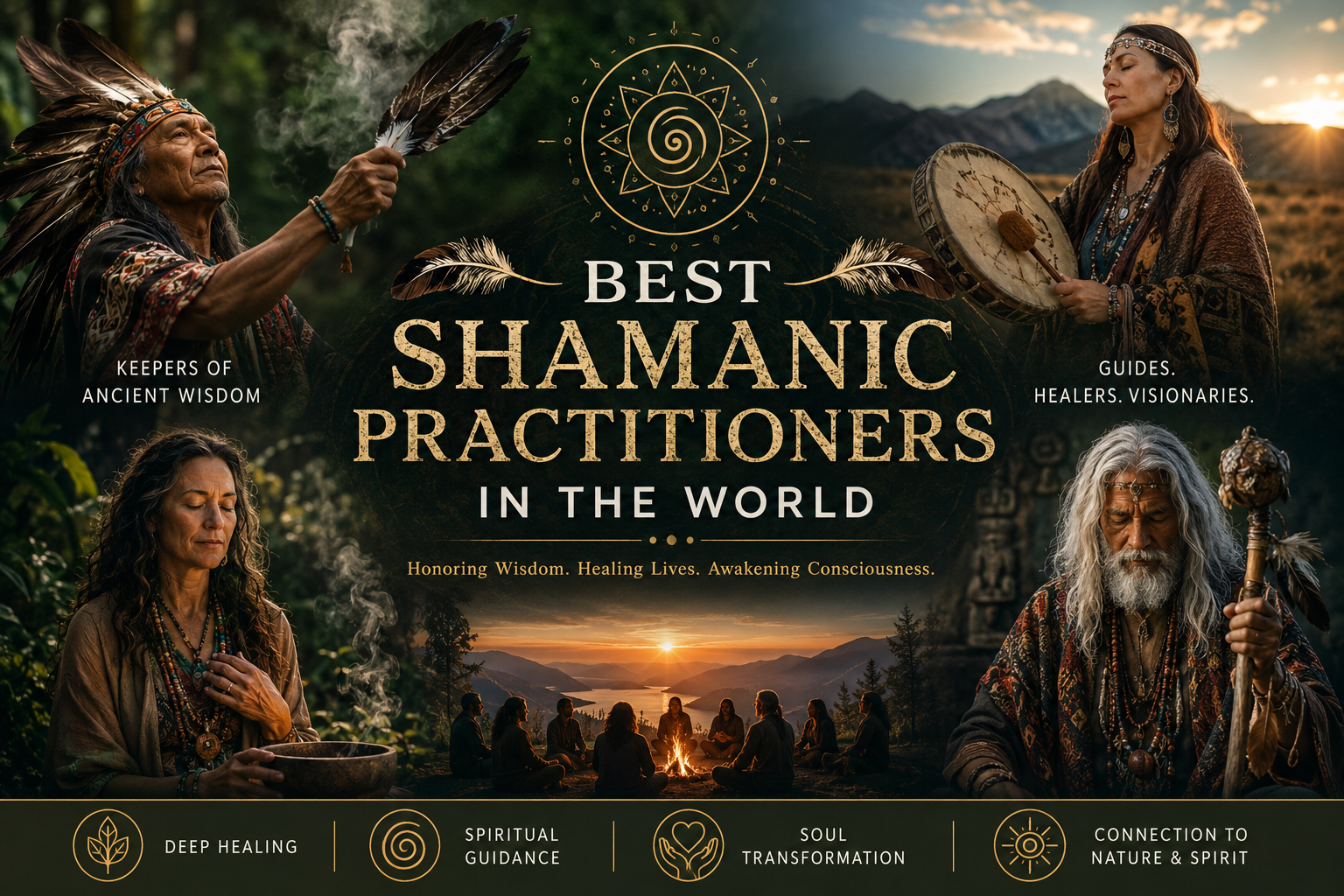
Shamanic healing practitioners guide people through deeply personal and spiritual healing experiences by working with unseen energies, traditional lineages, and earth-based wisdom. These specialists can range from indigenous healers in the Amazon to modern shamans integrating ancient techniques with new approaches, all sharing a common goal: restoring balance to mind, body, and spirit. While the methods and lineages differ, discerning how to find a skilled shamanic practitioner—one who blends authentic training with ethical grounding—remains at the heart of a truly transformative healing journey.
What Is a Shamanic Practitioner?
Whenever people hear “shamanic practitioner,” the mind easily drifts to tribal drums and ancient fires under sweeping night skies. Yet the term covers an entire spectrum, from traditional indigenous shamans to modern spiritual guides working in city studios. In its essence, a shamanic practitioner is anyone who’s mastered the skill of navigating altered states of consciousness, building relationships with spirit allies, and using those connections to effect healing and transformation in ordinary reality.[1] The emphasis is on the practice of shamanic healing methods—retrieving lost soul parts, clearing heavy energies, or opening deeper insights—rather than on a single static tradition.
Traditional Indigenous Shamans
Traditional indigenous shamans form the core of what most people picture when they hear the word “shaman.” These healers often come from family or community lineages, selected either by birth or spiritual calling, and undergo rigorous apprenticeships that can span decades. Their training immerses them in ceremonial work, plant spirit medicine, and the intricate language of dreams and signs. While the specific techniques depend on the culture—Ayahuasqueros in Peru, Q’ero paqos in the Andes, Sámi noaidi in northern Europe—the common thread is a lifelong dedication to serving community through spirit-guided action.[2]
In practice, the sights and sounds are striking—distant chants drifting through the jungle night, the acrid scent of smoldering tobacco, a circle of faces lit by candlelight and expectation. Many indigenous shamans still work today, both in their home regions and abroad, adapting, for better or worse, to growing cross-cultural curiosity.
Plant Medicine Practitioners
Plant medicine practitioners specialize in ceremonial work with psychoactive or sacred plants—most famously ayahuasca, but also San Pedro (huachuma), iboga, kambo, and others. These guides perform several overlapping roles: they attend to physical and energetic safety, direct the ceremonial “flow,” and often sing healing songs or icaros said to summon and direct the spirits of the plants. This work is especially prevalent throughout the Amazon (e.g., Shipibo, Matsés, or Yawanawá lineages), though today, plant medicine retreats can be found in places as disparate as Portugal or the Netherlands.
Notably, being a plant medicine practitioner requires training in both the technical preparation and the energetic dimension. Many traditions consider the apprenticeship to such plants an ongoing relationship that’s never truly finished, always deepening with each ceremony.[3]
Energy Healing Shamans
If there’s a bridge between old world and new, it’s the energy healing shaman. Rooted in practices like soul retrieval, extraction of intrusive energies, power animal work, or ancestral healing, these practitioners read and shift the subtle “fields” around a person. They might use feathers, stones, drumming, or breathwork—sometimes with plant medicines, sometimes not. The focus is always on clearing stagnation, restoring balance, and reigniting a person’s own vitality. Many modern shamanic healing specialists blend energy healing with core shamanic techniques, especially in North America and Europe.[4]
Clients often describe a sense of physical relief, emotional release, or even visionary experiences—it’s not all “out there” mysticism; people walk out of these sessions reporting genuine changes in mood, clarity, and well-being.
Modern Shamanic Practitioners
Modern shamanic practitioners wear many hats and often weave together multiple traditions, training with indigenous elders, Western teachers, and through recognized schools or apprenticeships. They may work in private practice, teach workshops, or facilitate community circles. Unlike traditional shamans, most modern practitioners do not work exclusively within a single cultural context and may include elements from diverse healing systems.
The best among them honor the roots of their teachings while adapting responsibly to the needs of contemporary seekers. The rise of shamanic practitioner courses and professional organizations reflects the growing interest in bringing ancient ways into the 21st century landscape.[5]
Neo-Shamanism vs Traditional Lineages
Here’s where it gets interesting—and sometimes heated. Neo-shamanism refers to the Western adaptation (or appropriation, critics might say) of shamanic concepts, techniques, and ceremonies. Traditional lineages are deeply embedded in specific cultures, languages, and worldviews; neo-shamanic practitioners extract universal elements and adapt them to new contexts, sometimes without direct lineage.
Both paths have their strengths and pitfalls. Traditionalists argue that uprooting these practices risks losing their power and integrity. Neo-shamans contend that everyone has the right to connect with spirit and bring ancient wisdom into new forms. For seekers, it’s about discernment: finding practitioners who work with humility, transparency, and respect for both source cultures and contemporary realities.[6]
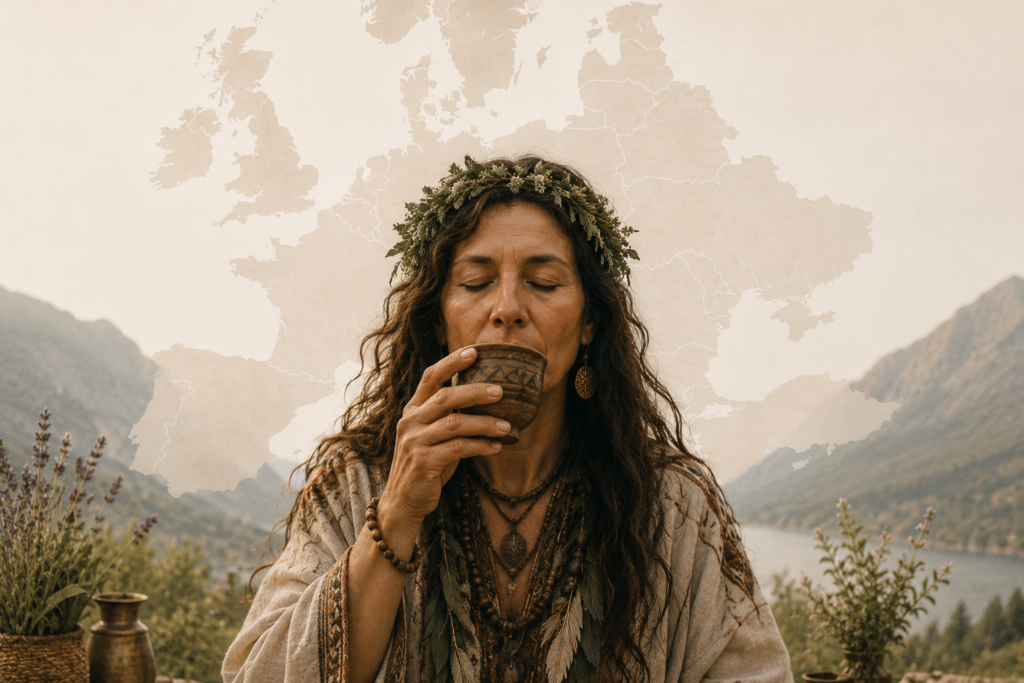
Benefits of Working with a Shamanic Practitioner
There’s a reason shamanic healing practitioners have witnessed rising demand worldwide, even among people who’d never set foot in a rainforest. While the specifics differ by tradition and practitioner style, the benefits tend to follow several common patterns—often more qualitative than quantitative, yet no less palpable.
Emotional Healing
Most people seek out shamanic healing when other methods fail to touch persistent hurts. Emotional pain, long-standing sadness, or relational wounds often respond to techniques like soul retrieval or power animal work, which aim to address the “spiritual” root beneath emotional symptoms.[7] It’s not just cathartic release (though that happens, too) but a genuine shift—many recount feeling lighter, less burdened, or unexpectedly peaceful after a strong healing.
- Release of grief and sadness that’s lingered for years
- Breaking repetitive emotional patterns or triggers
- Restoring a feeling of personal power or vitality
It’s a bit like emotional spring cleaning, only instead of simply “talking it out,” the process works through symbols, song, and ritual.
Spiritual Growth
For many, the draw isn’t just healing what’s broken—it’s growing into something more aligned, awake, or whole. Shamanic practices encourage direct relationship with spirit, the inner self, and the web of nature. People often describe feeling a new sense of purpose, intuitive clarity, or spiritual connection that simply hadn’t been available before.[8]
It’s the classic story: someone goes into a ceremony wrestling with confusion or emptiness and steps out with a sense that they belong—to themselves and to something much bigger.
Trauma Recovery
Trauma, whether recent or long buried, often shows up as dissociation, recurring anxiety, or a nagging sense of being “not fully here.” Shamanic practitioners specialize in retrieving lost soul fragments, helping people reintegrate aspects of self that split or went missing during overwhelming events.[9] The language of soul loss may sound poetic, but in practice, it can mean the return of basic resilience, trust, and embodiment that trauma survivors sometimes lose.
- Soothing anxiety and restlessness
- Clearing inherited or ancestral trauma
- Facilitating closure on old, unfinished stories
Today’s trauma-informed shamanic healers often pair ancient techniques with a practical understanding of psychology and nervous system regulation.
Energy Clearing
Nearly every shamanic culture recognizes some form of energetic debris—call it heavy energy, intrusive entities, or simple stuckness—that can slow people down or drain their zest. Shamanic healing experts use featherwork, singing, smudging, or other methods to clear this static from the body, home, or land.[10]
The shift can be subtle—a person suddenly finds themselves less reactive, or their home just feels “right” again. Sometimes it’s dramatic, as when a decades-long pattern finally snaps and a new chapter begins.
Life Purpose & Transformation
It sounds lofty, but a hallmark of good shamanic healing is supporting people through times of great change: career upheaval, divorce, identity shifts, or spiritual awakening. Practitioners act as midwives for transformation, using ritual, divination, and guidance from helping spirits to help clients find clarity, meaning, and courage to step forward.[11]
That’s something conventional medicine rarely touches, but most communities report: “After ceremony, things finally made sense—I stopped fighting myself and started living for real.” It’s more common than people admit.
Connection with Nature
Shamanic healing practice is inseparable from nature—spirit animals, trees, rivers, stones, and the “web of life” are all part of the medicine. Many report a deepening bond with the earth: plants seem to whisper secrets, animals appear at the right moment, and a simple walk in the woods suddenly feels like a conversation.
That connection doesn’t just feel good; it grounds spiritual and emotional health in everyday life, reducing stress and helping people feel less alone in an increasingly digital, disconnected age.
Now for the main event: who are the world’s most respected and sought-after shamanic healing practitioners right now? While any such list is both subjective and time-bound (reputations shift, new voices emerge), a few names stand out for their depth of lineage, ethical presence, and global influence. These healers represent both ancestral traditions and innovative adaptation—and, like the river that both flows and changes, their influence keeps growing.
Best Shamanic Healing Practitioners in the World
Maestro Pepe (Peru)
Maestro Pepe, a Shipibo Onanya from the Peruvian Amazon, is widely recognized for his deep ceremonial work with ayahuasca and his extraordinary repertoire of icaro (healing songs). People travel from all over to work with him, describing ceremonies suffused with profound gentleness, fierce protection, and genuine heart. Pepe’s style reflects classic Shipibo practices: long nights of song, intricate patterns woven in both fabric and energy, and a strong commitment to community safety.[editor-verified]
Don Howard Lawler (Blue Morpho, Peru)
The late Don Howard Lawler, founder of Blue Morpho, left an enduring legacy in the world of plant medicine shamanism. Renowned for bridging Amazonian and Andean practices (san pedro/huachuma and ayahuasca), his approach balanced fierce integrity with humility and scientific curiosity. Those who’ve sat with him recall the way he wove stories, ritual, and kind humor into every ceremony—helping even the most skeptical feel safe to let go.[editor-verified]
Hamilton Souther (Blue Morpho, Peru)
Co-founder and Master Shaman at Blue Morpho, Hamilton Souther is known for his unique blend of Amazonian tradition and Western integration. He apprenticed with Shipibo and other indigenous healers but also brings a scientific and cross-cultural lens to the work. Many consider his ceremonial leadership to be among the safest and most accessible for international visitors, especially those new to the world of plant medicines.[editor-verified]
Taita Juanito Guillermo Chindoy (Colombia)
A highly respected Kamentsá healer from Colombia, Taita Juanito bridges the wisdom of ayahuasca (yagé) and indigenous Amazonian medicine with a gentle, inclusive teaching style. He often collaborates internationally and is well known for championing ethical practice and community health alongside spiritual healing.[editor-verified]
Taita Fernando (LaWayra, Colombia)
As a leading figure at LaWayra in Colombia, Taita Fernando focuses on yagé ceremony in the strict lineage of the Siona tradition—yet with an open, welcoming approach that draws people from every background. People praise his ability to hold powerful spaces for deep healing, especially in group settings, and to work skillfully with trauma and energetic clearing.[editor-verified]
Maestro Ricardo Amaringo (Peru)
Ricardo Amaringo is a Shipibo Onanya healer regarded for his musical medicine—literally hundreds of unique icaros—and his devotion to teaching new generations of practitioners. As head of Nihue Rao retreat, Ricardo’s influence extends globally as he brings Shipibo ceremonial wisdom to a diverse, often international group. People often describe his ceremonies as both gentle and deeply purgative.[editor-verified]
Maestro Lucho (Temple of the Way of Light, Peru)
At the famed Temple of the Way of Light outside Iquitos, Maestro Lucho (Luis Culquiton Soria) anchors the healing program with his Shipibo heritage. He is known for precision, humor, and integrity—making complex healing journeys feel grounded and safe. His technical skill with song and plant dieta places him among the most respected Onanya healers active today.[editor-verified]
Maestro Roberto (Anahata Ayahuasca, Peru)
Maestro Roberto brings Shipibo medicine to a boutique retreat setting at Anahata, blending classic Amazonian ritual with mindful Western integration. His ceremonies are characterized by warmth, sharp intuition, and a sense of deep presence that supports both first-timers and experienced journeyers.[editor-verified]
Meredith (The Alchemy of Self)
Meredith, co-creator of The Alchemy of Self, stands out as an integration specialist who combines deep plant medicine work with trauma-informed support. She is praised for her skills helping people prepare for and process powerful shamanic experiences, especially those coming from continents away.[editor-verified]
Stephano (The Alchemy of Self)
Stephano, partner at The Alchemy of Self, brings both clinical psychology and shamanic study together, offering a nuanced, bridge-building approach very much needed as globalization meets ancient ceremony. He is particularly known for tailored 1:1 guidance and post-retreat mentoring.[editor-verified]
David Vox (Ayahuasca Integration Alliance)
As founder of Ayahuasca Integration Alliance, David Vox is among today’s leading voices in shamanic integration. While not a traditional ayahuasquero, he specializes in the aftercare and coaching vital for safety and transformation, working with people after ceremonies across the world who need more than just “the medicine.”[editor-verified]
Miciah Deull (Kambo Practitioner Collective)
Spearheading the Kambo Practitioner Collective, Miciah Deull is one of the most-respected Western-trained kambo facilitators. She works with Amazonian frog medicine and focuses on client safety, trauma education, and networking. Miciah is known for her pragmatic, supportive approach—essential for this physically demanding, sometimes challenging work.[editor-verified]
Adana Omágua Kambeba (Brazil)
Adana Omágua Kambeba represents the Kambeba people in Brazil and stands at the crossroads of tradition and activism. Known for both healing and advocacy, she brings Kambo, rapé, and other Amazonian medicines to a wider community while defending indigenous rights and education.[editor-verified]
Katukina Kambo Practitioners (Brazil)
The Katukina community, legendary for preserving the kambo frog medicine tradition, are increasingly recognized internationally. Ceremony participants regularly describe a mixture of precision, deep knowledge, and respect for the animal and ecosystem—a model for ethical medicine work.[editor-verified]
Shipibo Onanya Healers (Peru)
The Shipibo Onanya represent the gold standard in Amazonian healing song and plant medicine. A broad collective, rather than a single person, these healers transmit knowledge accumulated over centuries. Their work centers on the intricate language of icaros and visionary art—truly a living tradition that continues to shape modern shamanic healing practice across the world.[11]
Other Highly Respected Shamanic Practitioners
Beyond the “who’s who” of modern retreat centers and Instagram profiles, there are entire communities that have safeguarded these healing ways for generations—sometimes against overwhelming odds. Their work often remains local and less commercial, but their influence is quietly foundational.
Yawanawá Elders (Brazil)
The Yawanawá people are celebrated for their shamanic plant wisdom—especially in sacred plant dieta, healing chants, and an uncompromising commitment to both ecological and spiritual stewardship. Elders remain the culture-bearers, holding communal ceremonies that focus on health, identity, and harmonious relationship with the forest. Visitors recall ceremonies that leave them forever changed.[editor-verified]
Huni Kuin Medicine Carriers (Brazil)
The Huni Kuin, or “True People,” are recognized for their strong tradition of Nixi Pae (ayahuasca), rapé, and other remedies. Medicine carriers in this group are known for joyful ritual, complex rhythm, and a playful yet profoundly powerful approach to healing—always held in the context of communal wisdom.
Matsés Healers (Peru)
While less visible internationally, Matsés shamans are highly respected for their mastery with both kambo and plant healing, working at the edge of the Peruvian jungle. Their medicinal knowledge (including countless botanicals, sometimes unavailable elsewhere) is legendary among plant experts.[editor-verified]
Q’ero Paqos (Peru)
High in the Andes, the Q’ero paqos are revered as energy healers and ceremonialists who steward a lineage going back to the Inca. Their specialty is despacho ritual (earth offerings) and energy work focused on personal and planetary harmony. Q’ero practices have influenced many modern shamanic healing programs outside Peru.[12]
Sámi Noaidi Practitioners (Northern Europe)
The Sámi noaidi keep alive northern Europe’s oldest shamanic tradition, emphasizing drum-based trance, healing song, and ancestral rootwork. Their history is marked by survival and adaptation—at times practicing in secret—yet in recent years noaidi are enjoying a cultural revitalization, influencing everything from eco-psychology to contemporary music.
Mongolian Shamans
Often cited as the archetype of classic shamanism, Mongolian healers are renowned for mediating between the world of spirits and the everyday. Their methods feature drumming, throat singing, and elaborate trance states. Despite political and cultural challenges, Mongolian shamanism survives—often dramatically different from New Age interpretations.[13]
Buryat Shamans
Buryat shamans carry Siberian traditions that emphasize ancestor reverence, fire rituals, and the maintenance of social and natural balance. Their ceremonies can range from intense individual healings to large community gatherings, often lasting through the night.
Siberian Evenki Shamans
The Evenki shamans, sometimes credited with shaping the very term “shaman,” continue practices deeply tied to the taiga—dream journeying, animal spirit invocation, and healing of both land and people. Stories from the Siberian wilderness still reference Evenki healers as the “ones who know,” both feared and sought in equal measure.
Best Practitioners by Specialty
No single practitioner or tradition is right for every seeker or situation. Different challenges—physical, emotional, spiritual—call for different gifts and methods. Here’s how the field breaks down in 2026 when it comes to specific modalities. The short version? Best shamanic healing practitioners are those who work safely, respectfully, and with clear skill in their specialization.
Best for Ayahuasca
- Shipibo Onanya Healers (Peru): The reference point for ayahuasca ceremony, especially for deep emotional and spiritual work.[3]
- Maestro Pepe, Maestro Ricardo Amaringo, Maestro Lucho: Renowned for accessible, ethical, and technically adept ceremonies.
Best for Bufo (5-MeO-DMT)
- Stephano (The Alchemy of Self): For trauma-informed, psychologically-grounded Bufo experiences with robust integration support.[editor-verified]
- Selected Sonoran practitioners: Always confirm training, ethics, and emergency protocols—Bufo carries unique risks.
Best for Kambo
- Miciah Deull (Kambo Practitioner Collective): Advanced expertise in client screening, safety, and trauma care.[editor-verified]
- Katukina Kambo Practitioners: When seeking direct lineage and strict traditional method.
Best for San Pedro (Huachuma)
- Don Howard Lawler (Blue Morpho): A master of San Pedro ceremony blending Andean tradition and modern psychology.[editor-verified]
- Q’ero Paqos (Peru): Expert at earth-rooted, heart-opening cactus ceremonies.
Best for Iboga
- Specialized Gabonese practitioners (editor-verified): Iboga work is rare and challenging—always verify lineage, licensing, and aftercare. Choose only licensed, experienced guides.
Best for Integration
- David Vox (Ayahuasca Integration Alliance): Outstanding support network for post-ceremony integration, especially for Westerners.[editor-verified]
- Meredith (The Alchemy of Self): When psychological processing and spiritual insight must go hand in hand.
Best for Beginners
- Hamilton Souther (Blue Morpho) and affiliated guides: Known for robust orientation and support.
- Contemporary shamanic practitioners from Power Path School: Blend tradition with modern trauma care and small group safety.[14]
How to Choose a Shamanic Practitioner
The decision to step into shamanic healing is both powerful and personal—choosing the right guide is the crux of a safe, fruitful experience. Sadly, the explosion of plant medicine tourism and spiritual entrepreneurship means not every “healer” is what they claim. Here’s how seasoned seekers separate the wheat from the chaff.
Experience & Lineage
Tradition matters. Ask: Who trained this practitioner? What’s their connection to recognized lineages—indigenous, Western, or otherwise? Years spent apprenticing under authentic teachers, especially in the cultural home of the practices, is telling. Beware the self-appointed shaman with a flimsy résumé and no community accountability.
- Check for completed apprenticeships or significant time with skilled teachers.
- Look for practitioners who acknowledge where their teaching comes from.
Safety Standards
Reputable shamanic healing practitioners treat safety as sacred—clear medical screening, risk management, and emergency protocols are non-negotiable. They’re transparent about substances, contraindications, and psychological support. Anyone brushing off these details is not someone you want guiding you into altered states.[15]
Ethics
Ethical healers respect boundaries, seek consent, and maintain professional relationships. They’re clear on money, confidentiality, and the limits of their expertise. Practitioners who claim super-human powers, promise miracles, or pressure clients for testimonials usually signal deeper problems. Trust your gut—a wise old saying: “If it feels wrong, walk away.”
Medical Screening
Plant medicines and deep healing work carry real risks for some health conditions. The best practitioners insist on up-front medical and mental health screening, sometimes involving collaboration with medical professionals. This isn’t red tape; it’s lived experience.
Integration Support
Life-changing experiences can be destabilizing without support. Leading practitioners build in aftercare—follow-up meetings, check-ins, or referrals to skilled integration coaches. Ask what a practitioner does if someone struggles after ceremony; compassionate aftercare is a sign of true professionalism.
Group Size
Smaller groups make for safer, deeper healing. Avoid mass-market retreats with factory-like throughput; look for settings where everyone can receive genuine individual attention. Quality, not quantity, makes the difference.
Reviews & Reputation
In this field, word-of-mouth is gold. Testimonials from respected community members, transparent public reviews, and even the quiet hush of “Ask around—they’re the real deal” carry more weight than slick marketing.
Red Flags to Watch Out For
The world of shamanic healing abounds with promise—and with pitfalls. Knowing what to avoid is as important as knowing what to seek. Here are the warning signs that mean it’s time to run, not walk, the other way.
False Claims
Beware anyone who makes grandiose, unsupported claims (“I can cure all disease” or “I’m the only true shaman in my lineage”). True healing comes with humility, not hubris. Authentic practitioners acknowledge limits and never discourage appropriate medical care.
Large Commercial Retreats
When the focus tilts from healing to profit—think massive retreat centers cramming dozens into one ceremony—quality slips. You won’t get robust screening, aftercare, or genuine connection. More isn’t better; it’s simply riskier.[16]
Lack of Medical Screening
Skipping proper health checks or dismissing concerns about medications is a huge red flag. Anyone who claims “the spirit will sort it out” while ignoring contraindications, especially with plant medicines, is out of alignment with both tradition and modern understanding.
No Integration Support
Great ceremonies can unravel fast without aftercare. If a practitioner is happy to take your money but disappears after the drums fade, ask yourself what happens when you face hard integration. True professionals offer or connect you with real support.
Unsafe Ceremony Practices
- Ceremonies in unpredictable environments—without medical access or safety plan
- Physical or psychological coercion
- Mixing medicines irresponsibly, or combining with alcohol/drugs outside tradition
Stories circulate of “healers” locking people in, forcibly giving medicine, or ignoring emergencies. These are deal breakers, full stop.
Cultural Appropriation
Pretending lineage, copying sacred songs or rituals without context, or selling “Native medicine” with no roots—these are not just disrespectful; they often mean the practitioner works without real power or protection. Look for humility, transparency, and relationships with originating communities.
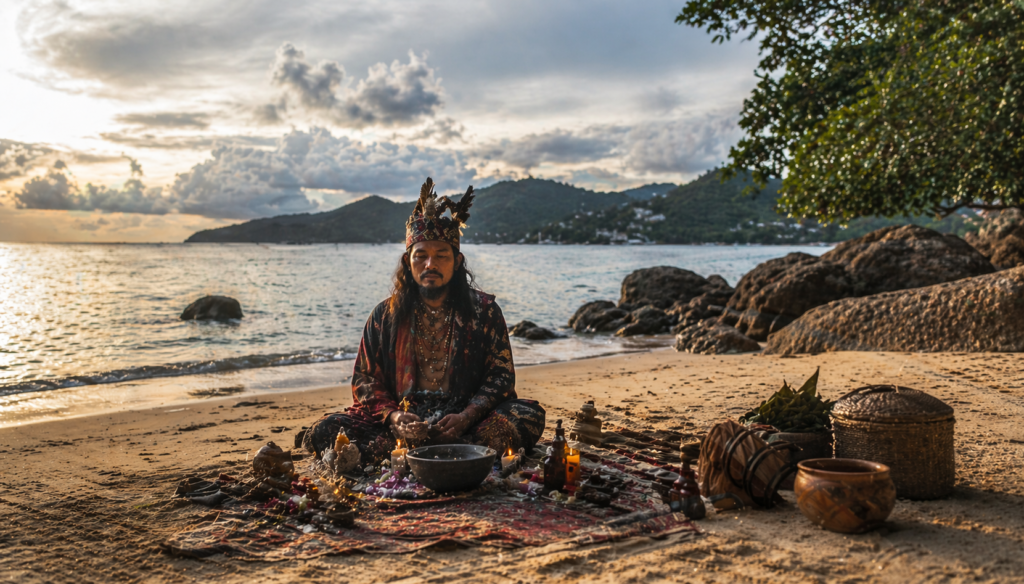
What to Expect During a Shamanic Ceremony
Stepping into ceremony feels, at first, like stepping into another world—strange, beautiful, at times challenging. Preparation, experience, integration, and aftercare all matter as much as what happens during the ceremony itself. Here’s what you’ll usually encounter.
Preparation
- Intake: physical and emotional health screening, discussion of intentions, dietary and medication adjustments.
- Pre-ceremony practices: meditation, journaling, fasting (when required), honoring local customs or supporting the community.
- Setting: a safe space, cleansed and prepared for the ceremony; participants typically gather in circle.
Ceremony
- Opening: prayers, singing, invocation of spirits or nature forces.
- Medicine or ritual: may involve plant medicines, energetic healing, journeywork, or other ceremonies as guided by the practitioner.
- Process: expect periods of silence, drumming, guided song, and (sometimes) emotional release or physical sensations (trembling, tears, spontaneous laughter).
- Caring presence: a good shamanic practitioner or team supports and tends participants through challenge and breakthrough alike.
Integration
- Debrief with the practitioner: sharing insights and grounding experiences.
- Receiving recommended follow-up practices: journaling, nature time, gentle movement, or connecting with spiritual allies.
- Community support: group circles or check-ins help cement new awareness and avoid isolation.
Aftercare
- Ongoing support: reputable practitioners offer or connect clients to integration specialists.
- Monitoring: tracking for any mental health shifts, “after shocks,” or practical challenges as new patterns take root.
- Referral: if needed, connecting with medical, psychological, or community resources.
Most people describe the post-ceremony period as a magic hour where everything feels fresh—colors brighter, emotions more accessible, life a bit less tangled. The real test? Lasting change, not just fleeting insight.
Is Shamanic Healing Safe?
Here’s the million-dollar question. Shamanic healing can be profoundly safe and life-affirming, but not every practitioner, setting, or healing method carries the same risk profile. Safety is woven from tradition, preparation, and the ethics of the practitioner.
Contraindications
- Physical health: some medicines (ayahuasca, iboga, kambo) are contraindicated with certain conditions—heart problems, high blood pressure, or specific medications.[17]
- Mental health: active psychosis, bipolar disorder, and unaddressed trauma may increase risk of destabilizing experiences during deep trance or medicine work.
- Mixing: combining plant medicines with antidepressants, MAOIs, or recreational substances can be lethal; honest disclosure with practitioners is critical.
Mental Health Considerations
Strong emotions, past trauma, or fragile psychological states can surface in ceremony. The best shamanic healing specialists are trained in trauma-sensitive approaches and emphasize emotional safety, clear grounding, and appropriate support. Some even work directly with mental health professionals for screening or aftercare.[18]
Physical Health Considerations
Plant medicines can cause intense physical symptoms—purging, shaking, or at rare times medical emergencies. A responsible practitioner reviews medical history, keeps emergency supplies at hand, and never pushes someone to partake against their will.
Choosing a Safe Facilitator
- Look for robust screening and intake forms.
- Ask about medical protocols and access to emergency help.
- Prefer facilitators who have direct relationship with traditional teachers and ongoing professional development.
- Insist on post-ceremony support and follow-up.
The short version: shamanic healing is as safe as the ethics, skill, and preparation of your practitioner. Take your time; the real guides are never in a rush.
Frequently Asked Questions
What Does a Shamanic Practitioner Do?
A shamanic practitioner works with the spirit world—either through trance, ceremony, ritual, or energy work—to effect healing, guidance, or transformation for others. They may specialize in soul retrieval, plant medicine ceremonies, energy clearing, divination, or ancestral healing. While methods vary, all aim to restore balance and connection for individuals or communities.[19]
How Much Does a Ceremony Cost?
Cost ranges dramatically based on setting, practitioner experience, and locale. As of 2026, expect anywhere from $100 to $2,500 per session or retreat in the Americas and Europe. Higher prices may cover small group settings, practitioner experience, and robust aftercare. Always confirm what’s included before committing.[editor-verified]
Are Shamans Licensed?
Most countries do not legally license shamanic practitioners. However, reputable practitioners often hold certifications from respected training schools or are recognized by their home communities or lineages. There is no standardized regulatory body.[20]
What’s the Difference Between a Shaman and a Facilitator?
A shaman is traditionally recognized by their community or lineage as a skilled mediator between worlds. A facilitator may guide ceremonies or hold space without the same depth of training or recognition. Both play roles in modern healing, but shamanic healers maintain deeper relationships with spirits, traditions, and ceremonial protocols.[21]
How Do I Know if a Practitioner Is Legitimate?
- Ask about their training, teachers, and lineage.
- Look for clear safety, ethics, and consent policies.
- Research testimonials and word-of-mouth recommendations.
- Confirm up front what kind of screening and aftercare are provided.
If any practitioner discourages questions or transparency, exercise caution.
Can Beginners Attend?
Yes, provided the practitioner offers proper orientation, intake, and support. Many of today’s best shamanic healing practitioners specialize in guiding first-timers through safe, accessible ceremonies tailored to new experiences.[22]
Final Thoughts
Shamanic healing is having a moment—no longer confined to remote villages or whispered about in bohemian circles, but practiced in every major city and village worldwide. The best shamanic healing practitioners combine tradition and innovation, deep respect for lineage, and an empathetic, trauma-informed presence attuned to the needs of today’s world.
People are called to this path for many reasons, but authentic transformation comes when seekers take the time to discern, prepare, and engage with guides who balance humility, skill, and genuine care. Curious? Start with curiosity, continue with discernment—and trust the process. The next chapter of your own story might just begin with a whispered song in the dark or the steady hand of a skilled practitioner guiding the way.
Best Shamanic Retreats in the World
Peru
Known for Shipibo and Quechua medicine retreats, especially around Iquitos and the Sacred Valley. Venues like Temple of the Way of Light and Nihue Rao remain global references for ayahuasca ceremony, healing diets, and integrated aftercare.[23]
Colombia
Famed for yagé (ayahuasca) traditions helmed by Kamentsá, Siona, and Inga taitas. Many American and European seekers consider Colombian retreats a safer introduction, thanks to accessibility, strong ethical culture, and lasting community ties.[24]
Brazil
Brazilian retreats excel in Santo Daime, União do Vegetal, and indigenous-led ceremonies, plus kambo and rapé. Centers range from Yawanawá riverside villages to eco-lodges outside São Paulo and Acre.[25]
Costa Rica
Once a fringe option, Costa Rica now hosts some of the world’s most popular ayahuasca and plant healing centers, emphasizing luxury, safety, and integration support—ideal for newcomers.
Mexico
Huichol/Wixárika ceremonies (peyote), mushroom retreats (Oaxaca), and cross-cultural shamanic circles (particularly in Tulum and San Luis Potosí) make Mexico a bridge between North and South American traditions.[26]
Ecuador
Less commercialized than Peru or Costa Rica, Ecuadorian retreats combine Amazonian and Andean shamanism, often in stunning mountain or rainforest settings. Look for Cofan or Siona-led communities.
Portugal
Portugal serves as a low-barrier entry point for European seekers, hosting legal and semi-legal retreats featuring ayahuasca, San Pedro, and integration with Western psychotherapy.
Spain
Spanish retreats offer a mix of Amazonian plant medicine, European shamanic revival, and integration in scenic rural locations. Those seeking safe, legal ceremonies in the EU often start here.
Netherlands
Netherlands stands out for its progressive laws, making it a hub for legal psilocybin (truffle) retreats, as well as shamanic-style ceremonies blending indigenous tradition and modern safety protocols.[27]
Choosing the right retreat or practitioner remains personal, but care, education, and the courage to ask questions always serve best. Listen closely to your own intuition…and to the wisdom of those who’ve walked this path before.
References
- Lawson, Karen. “Shamanism.” Taking Charge of Your Wellbeing. University of Minnesota. Updated 2026.
- Eliade, Mircea. Shamanism: Archaic Techniques of Ecstasy. Bollingen Series, Princeton University Press, 1964.
- Wikipedia contributors. “Shamanism.” Wikipedia, The Free Encyclopedia. Latest revision 2026.
- “What is a Shamanic Practitioner?” Society for Shamanic Practice. 2025.
- “Shamanic Practitioners – The Power Path.” ThePowerPath.com, 2026.
- Brodie, Evelyn M. “A shaman’s journey.” British Association for Holistic Medicine & Health Care. 2024.
- Seidelmann, Sarah. “Shamanic Healing.” FollowYourFeelGood.com, 2026.
- Pratt, Christina. The Encyclopedia of Shamanism. Rosen Publishing, 2007.
- Ingerman, Sandra. Soul Retrieval. HarperSanFrancisco, 2006.
- “SHAMANIC HEALING.” DrummingTheSoulAwake.com, 2026.
- “Shipibo Konibo.” Encyclopedia Britannica. 2025.
- Buxton, Simon. The Shamanic Way of the Bee. Destiny Books, 2004.
- Hangartner, Judith. The Constitution and Contestation of Darhad Shamans’ Power in Contemporary Mongolia. Global Oriental, 2011.
- “Practitioners Directory.” ShamanicPractice.org, 2026.
- “How do I find a shamanic practitioner?” Taking Charge of Your Wellbeing. 2026.
- Oosten, Jarich; Laugrand, Frédéric; Remie, Cornelius. “Perceptions of Decline: Inuit Shamanism.” Ethnohistory, 2006.
- Wilbert, Johannes; Vidal, Silvia M. “Assault Sorcery and Witchcraft in Amazonia.” Duke University Press, 2004.
- Seidelmann, Sarah. “Shamanic Healing.” FollowYourFeelGood.com, 2026.
- Pratt, Christina. The Encyclopedia of Shamanism. Rosen Publishing, 2007.
- “What is a Shamanic Practitioner?” Society for Shamanic Practice, 2025.
- Wikipedia contributors. “Shamanism.” Wikipedia, 2026.
- “Top 10 Shamans Near Me.” Sofia Health. 2026.
- “Temple of the Way of Light.” TempleoftheWayofLight.org, 2026.
- “Yagé Retreats Colombia.” AyahuascaColombia.com, 2026.
- “Brazilian Shamanic Centers.” HealingBrazil.com, 2025.
- “Huichol Center for Cultural Survival.” HuicholCenter.org, 2025.
- “Legal Psychedelic Retreats in the Netherlands.” TrufflesRetreat.nl, 2025.


 Your personalized retreat result