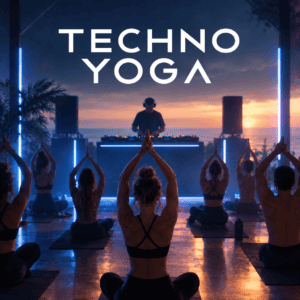



Psychedelic breathwork refers to intentional breathing techniques that induce altered states of consciousness—often echoing the emotional depth, insights, and vivid experiences linked to psychedelics. Using only the breath, practitioners access visionary states, emotional release, and deep calm, with effects shaped by method, intention, and setting.
Introduction to Psychedelic Breathwork
There’s a curious rhythm to the way people seek deep meaning and self-understanding. For centuries, cultures have turned to altered states—sometimes with the help of plant medicines or ritual, and sometimes using nothing more than air and intention. Psychedelic breathwork stands at this intersection, blending ancient wisdom and modern curiosity to create non-ordinary states of consciousness, all through controlled breathing. Whether people call it “breathwork psychedelic,” “psychedelic breathing,” or simply “a wild ride on your own breath,” this practice has quietly become both a wellness trend and a serious therapeutic tool.
Settle in. This review untangles what makes psychedelic breathwork feel so unique, how it compares to classic psychedelics, and what actually goes down when you commit to a session—trance states, integration, safety checks, and all. In a world where every wellness trend promises a shortcut to feeling better, breathwork’s staying power hints at something more authentic: a return to the power of internal resources, guided by little more than the breath flowing in and out.
If you’re interested in exploring more breathwork practices and transformational breathing methods, you can also check out our guides below:
Conscious Connected Breathwork: My New Obsession in 2026
Neurodynamic Breathwork: My First Unscrupulous Perspective
The Truth About Soma Breath: How to Connect Mind & Spirit
What Is Psychedelic Breathwork?
Simply put, psychedelic breathwork is a collection of conscious breathing techniques designed to catalyze altered states, from visions and emotional catharsis to waves of energy and profound calm. Unlike breathwork with psychedelics (where substances are involved), psychedelic breathwork relies solely on the body’s own mechanisms.
The experience itself lands somewhere between intense meditation and a mindful freefall. Participants commonly report:
- Heightened emotions—releasing joy, grief, anger, or even spontaneous laughter
- Vivid somatic sensations—tingling, buzzing, warmth, or chilliness as adrenaline surges and subsides
- Visually rich, dreamlike imagery—flashes of color, memory recalls, and, occasionally, symbolic or archetypal visions
Many liken the practice to “therapy without words” or “a skydive in your own psyche,” echoing the feeling that something deep and self-renewing is happening, no external substance needed1.
Historically, roots of psychedelic breathing trace back to yogic pranayama, Buddhist meditation, and shamanic rituals. The modern wave began in the 1960s and ’70s, particularly with the development of holotropic breathwork by Stanislav and Christina Grof. Since then, dozens of methods have flourished, each with its signature approach, soundtrack, and outcome.
How to Do Psychedelic Breathwork: Techniques and Practice
Guided Psychedelic Breathwork Sessions
There’s comfort in being guided—most people find the safest entry through a facilitator or live group. Guided psychedelic breathwork sessions usually start in a dim room (sometimes bathed in candlelight), with participants lying down and ambient music swelling. A facilitator uses cues, curated music, and compassionate presence to keep people anchored as they move through peaks of intensity and emotional release.
Sessions typically include:
- Preparation—a short intention-setting, basic explanation, and reminders about bodily autonomy
- Active breathing—often 30 minutes or more of accelerated, connected breathing (no pause between inhale and exhale)
- Emotional crest—waves of sensation, release, or stillness, which each person navigates in their own way
- Integration—quiet time for journaling, sharing observations, sometimes even drawing images to anchor insights
Many who try guided sessions mention how subtle details—like a facilitator’s reassuring voice or tailored playlist—turn daunting inner experiences into moments of revelation or relief. In-person workshops are common in cities with active “psychedelic society” scenes, and online offerings have made guided sessions widely accessible2.
Solo Psychedelic Breathwork Practice
For those with some experience, solo practice offers a flexible, deeply personal entry point. The essentials are simple, but never to be underestimated:
- Choose a safe, comfortable spot where interruptions are unlikely—lying on a mat or bed is best.
- Queue up instrumental music that rises and falls; create an environment that cocoons your senses (an eye mask often helps).
- Set an intention—maybe something as basic as “stay curious.”
- Start breathing deeply through the mouth, drawing air into the belly, then the chest, exhaling in a seamless wave (no pause between breaths).
- Keep the breath just faster than normal, but don’t force it. Remain mindful of sensations—tingling, emotions, even tears or laughter
- After 15–30 minutes (or when a strong shift is felt), slow the breath, rest, and allow thoughts, feelings, and bodily sensations to settle.
The most important solo tip? Listen to the body’s signals. If dizziness, anxiety, or distress spike, it’s wise to pause and return to regular breathing. The point isn’t to “win” at intensity, but to invite exploration at a pace that feels responsible and kind2.
Popular Psychedelic Breathwork Methods and Modalities
Holotropic Breathwork and Its Variations
Holotropic breathwork, pioneered by Stanislav and Christina Grof in the 1970s, sits atop this field as the most widely recognized method1. It combines accelerated, connected breathing with pulsing, evocative music and amplifies the experience through group energy and art-based integration. Sessions often last two to three hours and can be emotionally intense, bordering on visionary. Over the years, spinoffs have emerged: Neurodynamic Breathwork, Rebirthing (connected to birth trauma healing), and Shamanic variations that borrow ritual and drumming from indigenous contexts.
The shared recipe? Uninterrupted, fast, circular breathing, emotional catharsis, and the transformative power of music. Some communities even pair movement, voice work, or somatic elements to deepen the experience—a nod to how flexible, and creative, these modalities can be.
Satori and Transpersonal Breathwork
While holotropic breathwork gets much of the attention, satori and transpersonal modalities carve out a more explicitly spiritual lane. Satori breathwork, drawing on Zen Buddhist ideas of “sudden awakening,” nudges participants toward ego dissolution or moments of clarity through tailored breathing rhythms.
Transpersonal breathwork, as its name implies, leans into the possibility of consciousness stretching beyond the limits of individual experience. Visions of archetypes, cosmic insight, and deep encounters with the self—these are common themes. For some, these methods offer a kind of shortcut to peak spiritual moments that might otherwise require years of meditation.
Wim Hof and Modern Approaches
Then there’s the Wim Hof Method, which straddles the line between physiological feat and mystical adventure. By combining cycles of deep, rapid breathing with cold immersion and extended breath holds, the method triggers a hormonal and neurological “reset” that supporters say improves mood, resilience, and pain tolerance3.
What stands out about modern approaches? Adaptability. Over the past decade, urban “breathwork studios” have sprung up, music festivals have quietly added guided breathwork to their lineups, and apps like Psychedelic Breath® invite anyone with headphones to join in. Public interest reaches everywhere from Reddit threads to Somerville artists’ collectives, making psychedelic breathwork as much a social phenomenon as a personal practice.
My Psychedelic Breathwork Journey: Personal Experience
Preparation and Setting
Most people don’t walk into a session expecting fireworks—curiosity, anxiety, even skepticism are more common companions at the door. Setting matters: a quiet space, supportive facilitators, music that ebbs and flows. A common saying among facilitators? “The setting holds the session.” Small details make a difference, from a favorite blanket to the light pattern flickering through the window.
Before beginning, there’s usually an intention—a thread to come back to when things get emotionally intense. Some participants want emotional catharsis, others clarity or creative spark. All too often, the first few minutes are spent wondering if anything will happen at all.
Breathwork Session Reflections
Here’s where psychedelic breathwork earns its reputation for surprise. The sensations arrive in unpredictable waves: tingling in the fingers or around the mouth, warmth racing up the spine, a rush of energy that feels both unsettling and electric. Some people describe seeing swirling colors behind closed eyes; others recall childhood scenes, intense emotions bubbling up, or laughter swelling out of nowhere. The mind goes quiet, like the hush after a storm.
It’s common for participants to hit an edge—sometimes called a “release point”—where tears flow or a breakthrough insight lands sharply, like a line drawn across the sand. Many leave sessions describing a sense of floating disconnection or, for a few fleeting moments, connection to something bigger and inexplicable.
Integration and Aftereffects
The minutes (and days) after a breathwork session can feel oddly tender. There’s often a deep need to process—through journaling, art, talking, or walking. Some people report a bright afterglow: calm, creativity, gratitude, even ecstatic relief. Others feel emotionally raw, perhaps tired, or a little wobbly as buried memories reshape understanding.
Integration isn’t just a box to tick—it’s how the intensity of psychedelic breathing transitions from a fleeting experience to actual change. In the best cases, insights uncovered on the mat ripple out into daily life: more self-compassion, a new angle on stuck emotional patterns, or simple ease with discomfort. Communities and facilitators recommend giving yourself time, being gentle, and returning to intentional breath when needed.
Psychedelic Breathwork Training and Finding Sessions Near You
Psychedelic Breathwork in Somerville and NYC
As breathwork psychedelic practices gain traction, cities like Somerville and New York City are emerging as hot spots for guided sessions. Local studios, wellness collectives, even art spaces like the Museum of Modern Renaissance have started hosting events that range from intimate circles to large, immersive workshops. The mix is quite something: veteran facilitators, newcomers, seasoned psychonauts, and skeptical first-timers, all lying shoulder-to-shoulder, united by the rhythmic soundtrack and their own breath.
From hands-on satori breathwork in Somerville to holotropic breathwork training in midtown NYC, these events tap into both community and individual transformation. For those hunting “psychedelic breathwork near me,” lists and local directories fill up fast, especially after word-of-mouth spreads about transformative sessions2.
Online and In-Person Resources
The digital age has done wonders for accessibility. You’ll find everything from on-demand guided psychedelic breathwork (with options to “breathe with Sandy” or join app-based sessions) to live video masterclasses led by seasoned facilitators. Some platforms (like Psychedelic Breath®) even offer teacher training, so enthusiasts can pass on what they’ve learned to local communities or tap into the growing “breathwork society.”
For those craving in-person energy, meetup groups and wellness centers in most metro areas now offer holiday events, drop-in circles, or weekend immersions. Each session brings a unique flavor—some focus on deeply spiritual outcomes, others lean into emotional healing or simply stress relief. The variety means there’s something for most preferences, even for those who just want to test the waters.
Community Perspectives: Psychedelic Society and Reddit Insights
If you want to know what’s really happening out there, skip the marketing and head to community boards or local “psychedelic society” gatherings. Reddit, especially, reads as an unfiltered stream of wins, doubts, and “wait, what just happened?” moments. Newcomers ask about breathwork’s safety or what to expect; old hands swap tips on everything from the best playlists to kitchen-table integration tricks.
One frequent observation? No two sessions ever land the same way. Some people describe their first psychedelic breathwork as life-changing, a few are unconvinced, and most land somewhere in between—reporting incremental clarity, reduced anxiety, or new compassion for themselves and others4. The takeaway is clear: psychedelic breathing flourishes, not as a one-off trend, but as a community-powered exploration of what it means to heal and grow from within.
Psychedelic Breathwork Safety: Risks and Considerations
Is Breathwork Dangerous?
This is the elephant in the room. Psychedelic breathwork looks natural, but the altered states it induces are real. Physical risks are rare in healthy participants, largely limited to dizziness, brief muscle tingling (“tetany”), or emotional overwhelm1. However, rare cases of fainting or adverse psychological responses in unsupervised or inappropriate settings have been noted. Formal studies—including a multi-year review with thousands of inpatient psychiatric participants—found negative outcomes are extremely uncommon when experienced facilitators and careful screening are present3.
The biggest risk? Treating the practice as a casual stress-buster without respecting its depths, especially if there’s a history of significant mental health conditions.
Precautions and Who Should Avoid It
Certain health conditions should prompt careful consideration or outright avoidance. Those with cardiovascular challenges, seizure histories, pregnancy, or severe psychiatric diagnoses (like bipolar or schizophrenia) are generally advised to skip intense breathwork, or at least consult a physician before jumping in5. And, of course, no one should attempt these states while driving or near water.
- Always screen for current medications and active health conditions
- Start with experienced guides, especially for emotionally intense methods
- Have a trusted person nearby if practicing at home
- Honor boundaries—pause or stop if physical or emotional distress ramps up
Responsible practitioners often say: “The breath will take you where you’re ready to go. But it’s your job to stay safe.” Sage advice, especially as more people swing from gentle relaxation to full-throttle transcendence in a single session.
FAQ: Psychedelic Breathwork Questions Answered
What is the psychedelic breathing technique?
The psychedelic breathing technique usually refers to continuous, connected rapid breathing—expanding into the belly and chest, exhaling with no pause at the top or bottom. This hyper-oxygenation, especially when combined with music and intention, shifts blood chemistry and neurological processes, unlocking altered perceptions, emotional release, and sometimes vivid visuals1.
Is psychedelic breathing safe?
In healthy people under proper supervision, psychedelic breathing is generally considered safe, but it can trigger intense physical and emotional reactions. Medical screening and skilled facilitators lower risk. Those with heart conditions, severe psychiatric history, epilepsy, or pregnancy should approach with caution and consult healthcare professionals first2,5.
Does breathwork actually release DMT?
While some believe psychedelic breathwork “releases DMT” (a naturally occurring psychedelic compound), research does not confirm significant endogenous DMT release from breathwork alone. The vivid visions and altered states likely result from changes in oxygen and CO2 levels, brain wave shifts, and endorphin surges—not DMT spikes1,3.
Can you hallucinate from breathwork?
Yes, temporary visualizations—colors, shapes, even detailed mental imagery—can occur during deep breathwork. These experiences are closer to waking dreams (hypnagogic imagery) than true hallucinations from chemicals. Most people experience visuals as part of a broader tapestry of physical sensations and emotional release, not as external, tactile hallucinations1,3.
Conclusion: Reflections and Recommendations on Psychedelic Breathwork
Key Takeaways from My Experience
Psychedelic breathwork has a way of catching people off guard—it’s simple on the surface, wild and meaningful underneath. For those seeking ways to process old emotions, kindle insight, or spark a sense of connection, psychedelic breathwork offers both an accessible practice and a deep well of experience. The keys to a truly beneficial session? Thoughtful preparation, safe setting, skilled guidance, and the courage to let go when the breath does its work. The journey is rarely linear, but the afterglow—a blend of peace, vivid recollection, and renewed curiosity—lingers well past the session’s end.
Next Steps for Interested Practitioners
Anyone intrigued by psychedelic breathwork finds plenty of entry points: local workshops, online masterclasses, small circles, and community meetups. The best approach is to start gently, respect personal limits, and seek guidance from facilitators with real experience and a commitment to safety. Integration matters—so carve out time for reflection, journaling, or creative expression post-session. Above all, treat the practice with the same awe usually reserved for much bigger adventures: the outcomes can surprise in the best way. Breath by breath, the landscapes inside can shift.
With informed curiosity, attention to safety, and authentic motivation, psychedelic breathwork stands poised to deepen self-understanding, strengthen communities, and remind people of just how much is possible through the simple act of conscious breathing.
References
- Soul Dimension. Psychedelic Breathwork: A Comprehensive Guide. 2025. https://souldimension.org/psychedelic-breathwork/
- Psychedelic Breath. Breathwork | Psychedelic Breath | Berlin. 2026. https://www.psychedelicbreath.co/
- Breathwrk. Can Breathwork Really Cause Psychedelic Experiences? 2022. https://www.breathwrk.com/post/can-breathwork-really-cause-psychedelic-experiences
- Reddit. What are your first experiences with holotropic breathwork? 2024. https://www.reddit.com/r/breathwork/comments/138bp1q/what_are_your_first_experiences_with_holotropic/
- Verywell Mind. Holotropic Breathwork Benefits and Risks. 2024. https://www.verywellmind.com/holotropic-breathwork-4175431