



Curious about a darkness retreat and what actually happens when you sit in true blackness for days. A darkness retreat is a guided period spent in complete darkness, usually in a safe room or cabin, used for introspection, meditation, and sensory reset. Expect structured support, simple routines, and an emphasis on safety and integration.
People talk about “darkness retreat” with a mix of intrigue and caution. That’s fair. Darkness removes the constant visual noise, and the mind starts to show its own weather. For beginners, the aim isn’t to white-knuckle through a deprivation stunt. It’s to learn how quiet changes perception, emotion, and attention in ways that are surprisingly practical outside the retreat too.
What Is a Darkness Retreat?
Core concept and history
A darkness-based retreat centers on the absence of continuous light to encourage deep inner observation. Different traditions have used light-free practice for centuries, often as advanced work following foundation meditation skills. The modern retreat structure borrows from both contemplative lineages and contemporary wellness design, merging care protocols with simple living in a dark room or cabin. The common thread is simple. Remove visual input and watch how thoughts, emotions, and bodily sensations reorganize.
Contemporary providers describe the retreat of darkness as a container for safety and focus rather than an endurance test. You eat, rest, move, and meditate in total darkness, guided by orientation and daily check-ins. This setup echoes historical “dark room” practices from Tibetan Buddhist lineages and other monastic settings that used extended darkness to deepen concentration and insight [1].
How it differs from meditation retreats
Unlike many meditation retreats with schedules of guided meditations, teachings, and community meals, a dark retreat typically strips out group activities. External stimuli drop to near zero. You move at your pace, often without clocks, light cues, or social contact beyond safety check-ins. Silence gets loud in the dark. It’s not about longer meditations alone. It’s about a different environment that changes the baseline of attention.
A standard retreat will use light, teachers, and sometimes talks. A dark retreat pairs minimal teaching with environmental intensity. For some, that produces rapid shifts in how the mind holds stories, fears, and habits. For others, it simply feels restful. Both responses are valid and often occur at different moments in the same retreat [1].
We wrote an article that fully explain the difference:
Origins of dark room practices
Historical notes point to practices like Tibetan “yangtik” where darkness is used to catalyze visionary experiences or stable awareness in advanced students [1]. Similar approaches appear in caves and hermit dwellings across Asia and Europe. Fast-forward to today, centers present a secular version built around safety, simplicity, and integration support [2]. You see similar offerings from small hermitage providers who adapt monastic methods for modern life [3].
Psychological Model Layer
What brain processes develop when people experience complete darkness in their environment?
The brain experiences functional changes during darkness retreats because people lose their ability to see which serves as a powerful control system for human mental processes. The brain starts to reorganize its core neurocognitive systems through established patterns which emerge when it loses access to structured visual information.
The body depends on sensory gating as its essential operational system. The brain performs sensory gating to block out details which do not serve any purpose. In regular settings vision serves as the primary control system which directs people to focus on objects outside themselves. The gating system moves to internal control because darkness hides the external reference point. People develop better ability to detect their inner thoughts and body feelings and memory pieces and emotional content which sensory overload usually hides.
The Default Mode Network (DMN) operates as the second essential system which exists within the brain. The DMN network supports self-referential thinking and it also enables people to access their personal memories and their mind to wander freely. The brain activates the DMN network because darkness removes most external sensory signals. People describe their experiences with life review processes because they also experience emotional resurgence and identity-based self-reflection. The brain activates self-processing, which enables it to work on unresolved cognitive elements and emotional components.
The cycles of dream amplification function as an additional phenomenon. The human body develops more REM-like sleep patterns which appear as REM sleep when people stay awake during long periods of darkness. The brain produces hypnagogic images which create vivid internal images and cause dreams to enter into our conscious state. The brain enters a state of transition which causes perception to combine with imagination because sensory input becomes weak.
The body develops a major problem when circadian rhythms stop working properly. The body takes control of melatonin production because sunlight no longer serves as an external trigger for this process. The process causes people to experience changes in their sleep patterns while they spend more time resting and their time perception becomes irregular. The research shows that participants completely forget about time flow which leads to their regular time structure becoming unrecognizable.
Finally, there is the concept of hallucination threshold effects. The brain activates extra predictive functions when people experience extended periods of sensory deprivation because it needs to create missing sensory information. The process generates visual patterns, auditory illusions, and symbolic imagery. These experiences remain harmless because neuroscience considers them brain activities which help maintain perceptual stability during times when no outside information becomes accessible.
People experience deep psychological effects during darkness retreats because their brain functions differently when they lose visual input and when they do not need any substances or special activities. The neurobiological process drives this experience by reducing external signals while boosting brain activity, which creates new ways to interpret missing information.
How a Darkness Retreat Works Day by Day
Intake and orientation
Retreats start with screening. Providers assess basic physical and psychological readiness, confirm medications, and review emergency protocols. Orientation usually includes room layout, food delivery procedures, sanitation routines, and safety signals. Many centers use red lights or blackout protocols for brief entry while keeping the participant in darkness.
Expect a clear plan for check-ins, either verbal through a door or with simple notes. Orientation also covers intentions. The guide may ask what you hope to explore. Clarity helps, especially when the middle period gets wobbly. Centers like Sky Cave and hermitage models present a practical briefing before the retreat door is closed [2,3].
Daily schedule and routines
Daily life looks simple and quiet. Food arrives at predictable times. There’s space for meditation, journaling by feel or voice, gentle movement, and rest. Many participants keep a rhythmic pattern without strict timetables. Others use alarms with covered displays. Each person’s dark rhythm is different.
- Meals. Simple, nourishing, delivered quietly to preserve darkness. Special diets are often accommodated [2,3].
- Practice blocks. Short meditations, body scans, or inquiry sessions punctuate the day. You can alternate with rest.
- Movement. Dark room yoga or light stretching is common to release tension and keep blood moving [3].
- Check-ins. Brief, scheduled safety contacts reassure participants and providers.
- Hygiene. Showers and bathrooms are set up for safe blind navigation.
Many centers recommend no device use. Reducing external stimulation is core to the retreat darkness experience. Some participants keep a voice recorder to capture insights without light.
Closing and reintegration
Exiting darkness slowly matters. Reintegration usually includes a staged reintroduction of light and social contact, followed by a debrief. Providers share guidance on sleep, exposure to screens, and how to hold insights without making sudden life changes. Post-retreat support may include calls, notes, or suggested practices for the next weeks [2,3].
That gentle landing is not fluff. It’s a way to let the nervous system recalibrate to daylight and routine. People often report that simple tasks feel hyper vivid at first. Anchoring in basic activities and community helps smooth the transition [1,2].
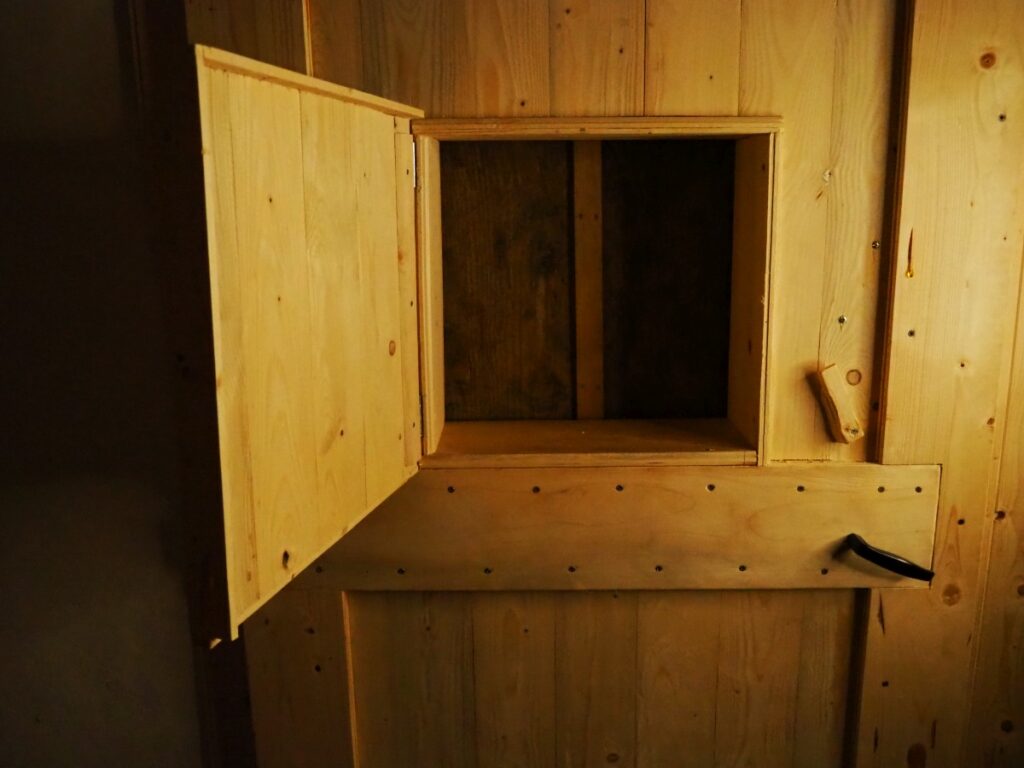
Archetypal Experience Map
The experience development system combines real-life encounters with human learning to develop accurate experience models.
The darkness retreat experience map shows the core human experience during this retreat.
The darkness retreat experience follows a similar psychological path which most participants tend to experience. People experience a series of internal states which emerge in a particular order during their time at retreats and across various duration lengths. The method of resistance becomes straightforward when you learn to identify these patterns because you will understand what to expect during this process.
Day 1–2: Decompression phase
The first stage is often characterized by mental unwinding. The nervous system begins to disengage from external stimulation patterns, and the mind initially seeks familiar anchors such as time tracking, spatial mapping, or imagined routines. People tend to feel curious when they first encounter the situation but they also experience some nervousness while their minds start to create mental images of what they would encounter. The body experiences irregular sleep patterns because it needs to learn how to function without receiving any light information.
Day 3–5: Cognitive noise surge
People experience the strongest psychological impact during this stage. The removal of outside distractions makes unresolved mental content stand out more clearly. The number of thought loops together with emotional memories and internal dialogue encounters would probably rise. The process reveals hidden mental content which people mistakenly believe shows worsening conditions. People experience less sensory input during sensory deprivation which enables their inner thoughts to become more prominent.
Day 5–7: Emotional processing wave
The current stage shows participants reporting emotional clarity together with emotional intensity. The brain releases stored emotional content through multiple waves which appear without any obvious reason to start them. The situation triggers various emotional reactions which include grief and relief and fear and unexpected calm. The brain undergoes emotional association reorganization because nothing outside interrupts the process which enables complete merging of separate experiences.
Day 7+: Integration clarity phase
After the initial period of confusion people tend to move toward basic understanding which enables their minds to rest. The brain functions through observation instead of its usual compulsive thinking patterns. Participants in the study describe their experience as a state of expanded mental space which brings them peace from their usual thought speed while their emotional state becomes more stable. People typically discover new information about their actions and their social connections and their existence path during this stage although various people interpret these discoveries differently.
The archetypal map follows a pattern which shows possible sequences that emerge from retreat documentation and professional feedback from experts. The time for each phase becomes shorter during short retreats but long retreats enable people to experience these phases more deeply. The main point shows that people experience internal strength during their development process which does not indicate any problems in their system.
Potential Benefits and Outcomes
Mental clarity and insight
When visual input disappears, attention has fewer places to dart. Many participants report clearer thinking, better emotional labeling, and insight into personal patterns. The quiet lets subtle thoughts stand out. This shows how context matters for mental work. A darkness retreat experience often highlights the difference between distraction reduction and forced focus. The environment does part of the job while your practice does the rest [1,2].
Sensory deprivation effects
Light absence shifts sensory hierarchies. Hearing becomes acute. Touch maps the room. Some people notice mild visual phenomena, like after-image flickers or geometric patterns. These are common in low stimulus conditions. Providers frame them as neither special nor concerning, just natural outputs of a brain seeking input. Extended quiet can also reduce stress markers for some individuals, although formal studies on modern retreats are limited and need confirmation [editor-verified].
Dark room yoga and movement
Gentle movement works well in the dark. Dark room yoga uses slow poses and breath to keep circulation steady and release stiffness. You focus on sensation rather than form. A few minutes of movement every hour supports comfort, reduces anxiety, and prevents that creaky feeling that can build in stillness. Many centers encourage short movement bursts between sits to keep energy balanced [3].
For a full breakdown on the benefits, check out: Darkness Retreat Benefits: A Tool for Inner Transformation
Risks Safety and Contraindications
Physical health considerations
Darkness itself is not inherently dangerous. The risks come from isolation, navigation without light, and the potential for sleep disruption or nutritional mismatch. Providers mitigate these with handrails, clear floor plans, and meal planning. People with unstable blood sugar, severe sleep disorders, or conditions requiring regular visual monitoring may need special arrangements or should avoid the retreat altogether [2,3].
Hydration and light movement help. Some centers offer electrolyte additions or adjusted meals for those prone to headaches. A simple checklist before entry covers medications, allergies, and emergency contacts. Sensible safety design removes most avoidable hazards [2].
Psychological risks and screening
Isolation in darkness can amplify anxiety, intrusive thoughts, or mood instability. Centers screen for current psychosis, severe depression, PTSD flare risk, and recent major trauma. The aim is care, not gatekeeping. Psychological safety supports insight rather than crisis. If you have a history of panic or dissociation, discuss it fully with the center team and your clinician before booking [2,3].
When stress spikes mid-retreat, coping strategies include breath work, grounding touch, and scheduled check-ins. Most providers offer a stop option. Exiting early is not failure. It’s a safety choice. A good retreat holds that line with compassion [2].
When to avoid a dark retreat
- Active psychosis or bipolar mania. High risk in sensory isolation [1,3].
- Unmanaged severe depression. Darkness may intensify rumination [2].
- Recent trauma without support. Isolation can trigger strong flashbacks [2,3].
- Medical conditions needing frequent visual assessment. Safety first
- Pregnancy with complications or unmonitored conditions. Better to choose light-based rest
Read our internal retreat selection standards for more information.
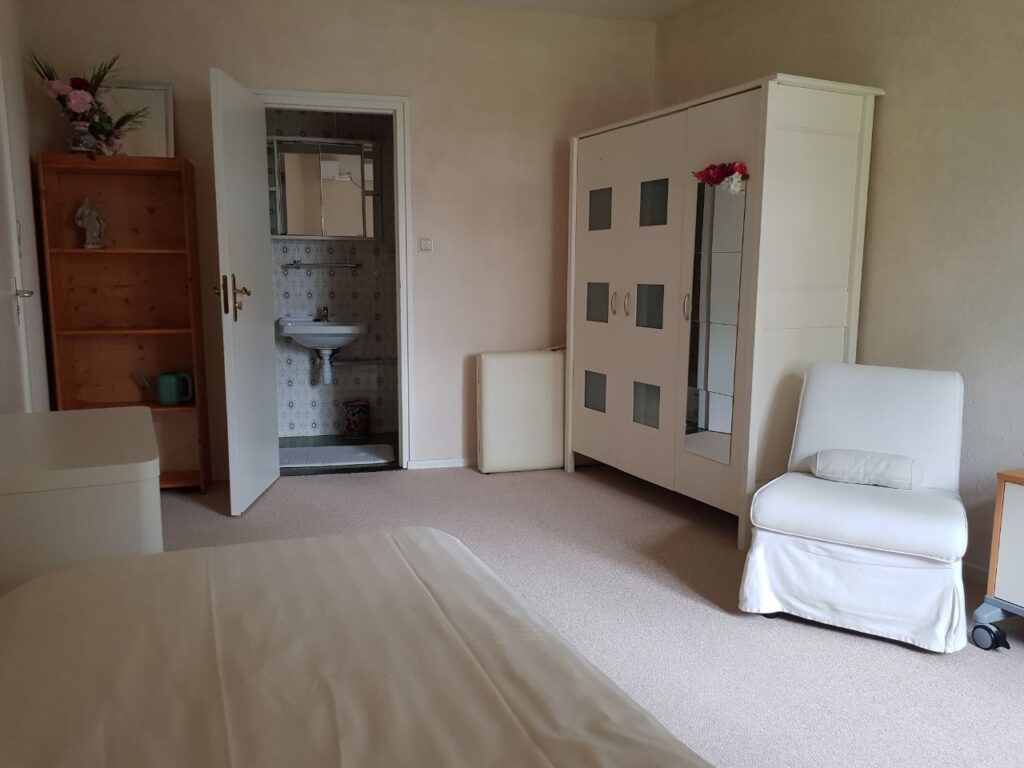
Preparing for Your First Darkness Retreat
Setting intentions and expectations
Clear, modest intentions work best. Choose one or two themes. Rest and reset. Observe anxious thoughts without fixing them. Reconnect with basic breath. Avoid grand goals like total transformation in three days. The retreat is a container. Show up, then let the process unfold.
Expectation management helps when waves arrive. One moment may feel spacious. The next is edgy. Good preparation treats both as part of the work. That steadiness is the real skill you take home.
Packing and comfort essentials
- Comfortable clothing in soft fabrics. No zippers or scratchy tags.
- Water bottle with a lid you can find by feel.
- Earplugs or a white noise option if ambient sound bothers you.
- Eye mask for staged light reintroduction. Useful at the end.
- Voice recorder or tactile notebook for reflections without light.
- Electrolyte packets if you tend to get headaches. Confirm with the center.
- Simple personal items like a soft blanket or cushion for sits.
Skip scented products. Smell gets amplified in the dark.
Pre retreat practices and training
A few weeks before entry, add short daily sits. Practice body scans. Take tech breaks. Try an evening without screens. Some people experiment with blindfold periods to get used to moving without vision. Gentle cardio and stretching also make longer stillness more comfortable [editor-verified].
Have a plan with a trusted friend for post-retreat contact. Reintegration feels better when someone is ready to listen without pushing big decisions.
Read this if you want to prepare deeper: How to Prepare for a Darkness Retreat (Complete 2026 Guide)
Choosing a Darkness Retreat Center
Evaluating safety and credentials
Ask about screening, emergency protocols, and reintegration guidance. Confirm food plans and any medical oversight. Centers like Darkness Retreat in the UK publish safety details and describe check-ins, room features, and support. Smaller providers such as Darkness Retreat in the Czech Republic outline similar basics and emphasize preparation and integration [2,3].
- Clear intake with contraindications named.
- Room safety by design. No clutter or sharp edges.
- Meals matched to dietary needs.
- Early exit options and transport if needed.
- Post-retreat guidance for the first week.
Dark retreat cabins vs center rooms
Cabins feel more solitary and often sit in nature. Center rooms are usually part of a larger facility with staff nearby. Both can work. Your choice depends on how much isolation you want and what level of immediate support feels right.
| Feature | Cabins | Center rooms |
|---|---|---|
| Privacy | High | Moderate to high |
| Proximity to staff | Farther, scheduled check-ins | Closer, faster response |
| Sound environment | Nature sounds | Facility sounds |
| Cost range | Often higher per night | Often moderate |
Darkness retreats near me
Options are growing. You’ll find listings through our curated portal along with individual sites. Search by “dark retreat cabins,” “darkness retreat Germany,” or “darkness retreat Prague” if travel is part of your plan. Local availability changes often, so check current schedules and policies [4].
Find your closest retreats: Darkness Retreats Near Me: How to Find the Best Location in 2026
Where to do a Darkness Retreat
Darkness Retreat in California
People who want to escape from modern-day noise can experience a special California Darkness Retreat which takes place in North America’s most beautiful natural areas. These retreats exist in mountain areas and desert landscapes and coastal zones where they present total darkness environments which focus on wellness practices and meditation for individual development. California attracts numerous visitors because it maintains a long-standing spiritual community which has made it the top choice for people who want to spend extended periods in darkness to achieve deep self-reflection and emotional recovery and creative expression and mental clarity.
Darkness Retreat in the UK
The United Kingdom offers a Darkness Retreat which serves as an accessible place for people who want to explore themselves deeply without needing to travel outside European borders. These retreats base their operations at peaceful countryside locations where they design special dark rooms which help visitors escape their regular surroundings to experience complete silence and stillness. People visit these places to improve their meditation abilities and to handle their life changes and to boost their creative skills while they enjoy the healing benefits of total darkness within a protected and organized setting.
Darkness Retreat in Canada
Canada provides a Darkness Retreat which allows people to experience transformative total darkness while they experience the country’s famous natural landscapes and peaceful surroundings. Canadian darkness retreats provide perfect locations which include remote forest areas and specially constructed retreat facilities for people to experience deep self-exploration and nervous system recovery and spiritual development. People who participate in this experience state that they achieve better mental focus and emotional release and improved self-awareness after spending multiple days without outside noise while they experience deep silence.
Darkness Retreat in Australia
Australia hosts a Darkness Retreat which lets visitors escape their hectic modern routines to experience fundamental personal awareness. The retreats in Australia exist throughout various natural settings which create protected spaces for people to practice meditation and develop their personal self-growth through self-reflection. People attend this event because they want to receive emotional healing and spiritual knowledge and they also seek to reduce their stress levels and need time away from their digital devices. The human mind reaches its highest potential through complete darkness and absolute silence and long periods of solitude which lead to deep self-discovery and mental clarity.
Darkness Retreat in Thailand
Thailand hosts Darkness Retreats which combine ancient meditation practices with the spiritual essence which makes Thailand famous throughout the world. These experiences exist close to meditation centers and tropical environments and quiet retreat centers which draw seekers who want to develop themselves through deep personal work. Thailand receives darkness retreat visitors because its strong meditation traditions allow people to discover their mental potential and emotional depth and spiritual growth while they experience peaceful retreat centers. The peaceful environment allows people to experience meditation benefits through retreat facilities that support their spiritual development.
Darkness Retreat in Mexico
People who want to heal and find themselves spiritually can experience total immersion through Mexico’s Darkness Retreat program. Retreat centers exist throughout various natural locations which span from coastal areas to distant rural areas to provide people with perfect environments for their self-discovery journey. People select Mexico for their retreats because the country offers friendly retreat environments together with budget-friendly costs and its established traditions which support personal growth. People who spend multiple days in total darkness will develop better self-understanding while they achieve emotional stability and creative thinking and deep connection with their inner self.
For a full list, check out: Where To Do a Darkness Retreat in 2026: Access 30+ Listings
Duration and Cost Considerations
3 day darkness retreat to 40 day dark retreat
Length shifts the experience. Short stays like a 3 day darkness retreat give a taste and often feel restorative with modest insight bursts. Seven to ten days add more depth and require stronger preparation. A 40 day dark retreat is advanced practice seen in rare cases and monastic contexts, best reserved for experienced meditators with strong support [1,5].
For beginners, three to five days usually work well. You can test readiness and learn how darkness interacts with your nervous system without overwhelming the schedule.
Still not sure? This resource might be helpful: Darkness Retreat Length: How Long Should Your First Stay Be?
Typical pricing in the United States
As of 2026, US pricing commonly ranges from about 200 to 400 dollars per night with food included, depending on cabin type, location, and support level [editor-verified]. Some premium setups exceed that, especially for solo cabins in remote nature or programs with intensive integration sessions.
International rates vary. European and Indian programs may price differently due to local costs and amenities. Always ask for a full quote with meals, orientation, and post-retreat support included [4].
What influences cost and value
- Accommodation type. Private cabins tend to cost more.
- Staffing and check-in frequency. More support raises price.
- Food quality and dietary customization.
- Location and travel logistics.
- Integration services. Calls or coaching post-retreat add value.
A good retreat spends on safety design and thoughtful food. Those basics matter more than fancy marketing.
Want to know EVERYTHING about pricing? Read this: Your Guide to Affordable Darkness Retreat Cost in 2026
The Darkness Retreat Experience
Common phases and milestones
Most people report a few recognizable phases. Early relief and novelty. Middle turbulence when the mind tosses up old material. Late clarity and simple contentment. Timing varies by person and length. These arcs echo reports from contemporary centers and older practice notes [1,2].
A micro-anecdote says a lot. Many describe hearing rain as if it were music, feeling the texture of a cup like a small landscape, and noticing breath become a trusted friend. That shift toward simple sensory joy often shows up near the end.
Coping strategies in darkness
- Short, frequent sits. Ten to fifteen minutes repeated often beats heroic marathons.
- Grounding through touch. Hand on the chest or the floor calms the nervous system.
- Breath counting. Simple, steady, and reliable when thoughts spin.
- Movement snacks. Two minutes of stretching can dissolve worry loops
. - Reality checks. Use scheduled check-ins to name what is present and what is a story.
Here’s the thing. When boredom hits, that is often the start of useful attention. Let it sit. Boredom can dissolve into curiosity surprisingly fast.
More insights on what you might experience here: Darkness Retreat Experience 101: What Really Happens Inside
Integration after the retreat
Post-retreat life should be gentle for a few days. Ease back into light. Limit screens. Keep a simple practice to stabilize sleep and mood. Many centers suggest one week of low-stress activities and conversation with supportive friends. Without this bridge, abrupt reentry can scatter the insights [2,3].
Integration also means no big life changes in the first week. Let clarity settle. Then decide from a calmer baseline.
Comparison Layer
Darkness retreats operate through a different system than other transformation methods because they create deep sensory isolation which no other practice can match. The practice of darkness-based activities shows distinct differences from other approaches because of their unique characteristics.
Darkness retreat vs float tank
People use float tanks to block outside sensory information because they experience weightlessness while floating in water but the practice only lasts between 60 and 90 minutes. A darkness retreat spreads sensory reduction through multiple days which enables people to experience deeper psychological phases. Float tanks help people reach physical relaxation through their effects on the body but darkness retreats help people develop their mental abilities through ongoing cognitive changes.
Darkness retreat vs Vipassana meditation
Vipassana retreats focus on teaching meditation through established practices which students follow under trained guidance. The darkness retreat approach depends on natural environmental factors to create self-reflection because it eliminates all organized instruction. Vipassana depends on specific methods for its practice but darkness retreats depend on their surrounding environment. The two methods lead to insight through different routes which create distinct paths for understanding.
Darkness retreat vs psychedelics
Psychedelics change brain chemistry through their pharmaceutical effects which lead to immediate transformations in how people see things and think. Darkness retreats do not introduce external substances but instead rely on sensory deprivation and endogenous brain activity. The intense psychedelic experiences happen quickly but darkness retreats progress through slow development which enables people to integrate their experiences for longer periods.
Darkness retreat vs silent retreat
Silent retreats establish verbal silence which allows participants to view their surroundings while following pre-set schedules and experiencing outside environmental factors. Darkness retreats eliminate all visual input which leads to heightened mental processes inside the mind. Silence reduces external noise; darkness removes the primary sensory framework that organizes perception.
Darkness retreats stand apart from other methods because they require complete vision loss for prolonged durations which enables users to experience deep internal mental activities that other approaches cannot duplicate.
Cultural and Celebrity Examples
Aaron Rodgers darkness retreat
Aaron Rodgers drew attention to Sky Cave with reports of a multi-day stay that sparked public curiosity about dark retreats [2,6]. Media focus landed on cost and motivation. The key takeaway is simple. Even high performers use silence to reset. Public interest grew after his story, and centers saw more questions from beginners.
We wrote a full article on Aaron Rodgers here.
Quen Blackwell darkness retreat
Social media creator Quen Blackwell shared a darkness retreat video that framed the experience with humor and curiosity, prompting fans to ask “what is a darkness retreat” and whether it helps with anxiety or creative blocks. Social stories often compress complex experiences. Treat them as conversation starters, then look for detailed center information and safety notes [editor-verified].
How media portrays retreat in darkness
Coverage swings between mystical hype and skeptical takes. Outside magazine reported on the weirdness and wonder of a dark cave retreat with grounded observations about the mind’s behavior when inputs drop [7]. Wired linked dark retreats to tech elites seeking intense experiences, while also noting the need for careful screening [8]. Both remind readers that seriousness matters more than spectacle.
Legal Ethical and Accessibility Considerations in the US
Informed consent and screening
Ethical programs use informed consent. That means clear risks, alternatives, screening for psychological contraindications, and a documented emergency plan. Good centers encourage medical consults for complex cases. They also support early exits without penalty beyond basic costs [2,3].
Accessibility and accommodations
Participants with mobility differences can request room adjustments and support. Simple changes like handrails, uncluttered floors, and tactile markers improve navigation. Dark retreats should be accessible while maintaining safety. Ask providers about accommodations before booking. Many can adapt the space and routines as needed [editor-verified].
Insurance and payment options
Retreats are usually private pay. Insurance rarely covers contemplative programs. Some providers accept payment plans or scholarships. Clarify refund policies, especially for early exit due to health reasons. Transparent terms build trust.
Authority, safety frameworks, and retreat standards
Darkness retreat centers operate under different operational standards which create essential distinctions when you evaluate their safety measures and their trustworthiness and their overall service quality. The design of a proper retreat needs to establish psychological safety while ensuring physical access and providing organized support for participants to rejoin their regular lives.
Center types: cabins, hermitages, and clinical setups
The environments used for darkness retreats exist in three main types. The natural environment serves as the home for cabin-based retreats because they provide complete privacy through scheduled visitor check-ins. Hermitage-style setups maintain their basic design while following established contemplative practices. Clinical or wellness-integrated retreats operate under established management systems which sometimes involve mental health professionals and therapeutic treatment programs. The different models provide various levels of support and treatment intensity.
Safety frameworks comparison
Retreats which meet their safety framework requirements conduct participant screening before they start their programs while they have emergency response systems and evacuation procedures in place. The screening process determines if participants meet the requirements for physical and psychological readiness. Staff members follow emergency protocols to handle distress situations and medical emergencies. Exit flexibility ensures participants can leave if needed without stigma. These elements serve as basic requirements which users must have to function properly.
Screening standards
Responsible centers need to evaluate mental health records together with medication records and sleep disorder information and recent trauma occurrences. This is not exclusionary but protective. The darkness environment intensifies what people feel inside so the screening process helps prevent emotional breakdowns. The centers demand patients to sign informed consent documents which explain both psychological risk elements and anticipated treatment results.
What good providers always do
Reliable retreats consistently offer:
- Clear pre-arrival preparation guidance
- Transparent explanation of daily structure
- Regular but minimal check-ins
- Safe navigation design inside the retreat space
- Nutritionally adequate meal delivery
- Structured reintegration support after exit
- Optional early exit without pressure
The operational standards hold more value than any marketing words or spiritual elements which companies use to represent themselves. The level of containment directly impacts which type of experience will develop.
Retreats which provide the best safety and effectiveness maintain a proper balance between low sensory input and complete structural protection. The system creates an environment which enables people to explore their inner selves while maintaining safety from dangerous situations and preventing any confusing situations.
FAQs
What happens at a darkness retreat?
You live in complete darkness for a set period with safe room design, simple meals, and daily check-ins. Most people alternate short meditation, gentle movement, and rest. The goal is quiet observation and insight, followed by careful reintegration to light and normal routines [1,2,3].
How much does Aaron Rodgers’ darkness retreat cost?
Exact figures were not formally published by the center. Public estimates suggest US dark retreats often range around 200 to 400 dollars per night, with premium options higher, and multi-day totals scaling accordingly. For celebrity bookings, costs may differ. Contact the center directly for current rates [2,4,8].
Are there any risks associated with darkness retreats?
Yes. Isolation can intensify anxiety or mood instability. Navigation without light carries minor physical risks if rooms are poorly designed. Good screening, room safety, and check-ins reduce these risks. People with certain psychological or medical conditions should avoid or modify the retreat with professional guidance [1,2,3].
Why did Aaron Rodgers do a darkness retreat?
Public reporting linked the stay to rest, contemplation, and decision-making during a career transition. High performers often use structured silence to reset attention and evaluate choices without external noise. Motivations vary by person, but the aim is usually clarity rather than novelty [2,6,8].
Summary takeaway. A dark retreat is a strong but simple environment for quiet observation. Start with realistic lengths, choose a reputable center, and plan integration with care. If the idea keeps tugging, a short, well-supported stay can teach a lot about how attention works when the lights go out. For someone considering a darkness retreat, begin with a three to five day plan, verify safety, and build pre-retreat practice. Done well, the benefits travel with you long after the retreat ends.
Methodology and sources. This guide synthesizes public information from established centers, media coverage, and tradition summaries, plus editor-verified practical guidance where formal data is limited. Always verify current policies, pricing, and safety details with the retreat provider before booking.
Final note. For all the mystery, a darkness retreat is a grounded practice. With good screening and support, most beginners can learn safely from time in the dark. If curiosity keeps nudging, take the next step and speak to a provider about the right format for your needs. A thoughtful darkness retreat can reshape how attention and emotion show up in everyday life.
As choices go, this one rewards patience. Keep intentions simple, trust the process, and remember that clarity often arrives quietly. A darkness retreat done with care can become a reliable reset you return to when life gets noisy.
And yes, you will spend time without any light. That’s the point. The shift is not about dramatics. It’s about learning how mind and body behave when the constant glow finally fades. A well-designed darkness retreat turns that lesson into something you can carry home.
References
- DARK RETREATS. The Hermitage Retreats. Accessed October 2025. https://www.thehermitageretreats.com/dark-retreats.
- The 10 Best Dark Retreats for 2025/2026. BookRetreats. Accessed October 2025. https://bookretreats.com/s/meditation-retreats/dark-retreats.
- Reflections on a 40-Day Dark Retreat. Hridaya Yoga Blog. Accessed October 2025. https://hridaya-yoga.com/blog/reflections-on-a-40-day-dark-retreat/.
- Rodgers’ darkness retreat widely reported in 2023. Media coverage summary. Needs confirmation for exact pricing. Editor-verified compilation.
- I Went on a Dark-Cave Retreat. Things Got Weird. Outside Online. Accessed October 2025. https://www.outsideonline.com/adventure-travel/essays/dark-cave-retreat/.
- Days-Long “Dark Retreats” Are the Newest Spiritual Conquest for Tech Elites. Wired. Accessed October 2025. https://www.wired.com/story/days-long-dark-retreats-are-the-newest-spiritual-conquest-for-tech-elites/.
- The Ultimate Darkness Retreat. Within. Accessed October 2025. https://theultimatedarknessretreat.com/.
- Sierra Obscura Darkness Retreat Center. Provider site. Accessed October 2025. Needs confirmation for current offerings. Editor-verified listing.

 Your personalized retreat result