

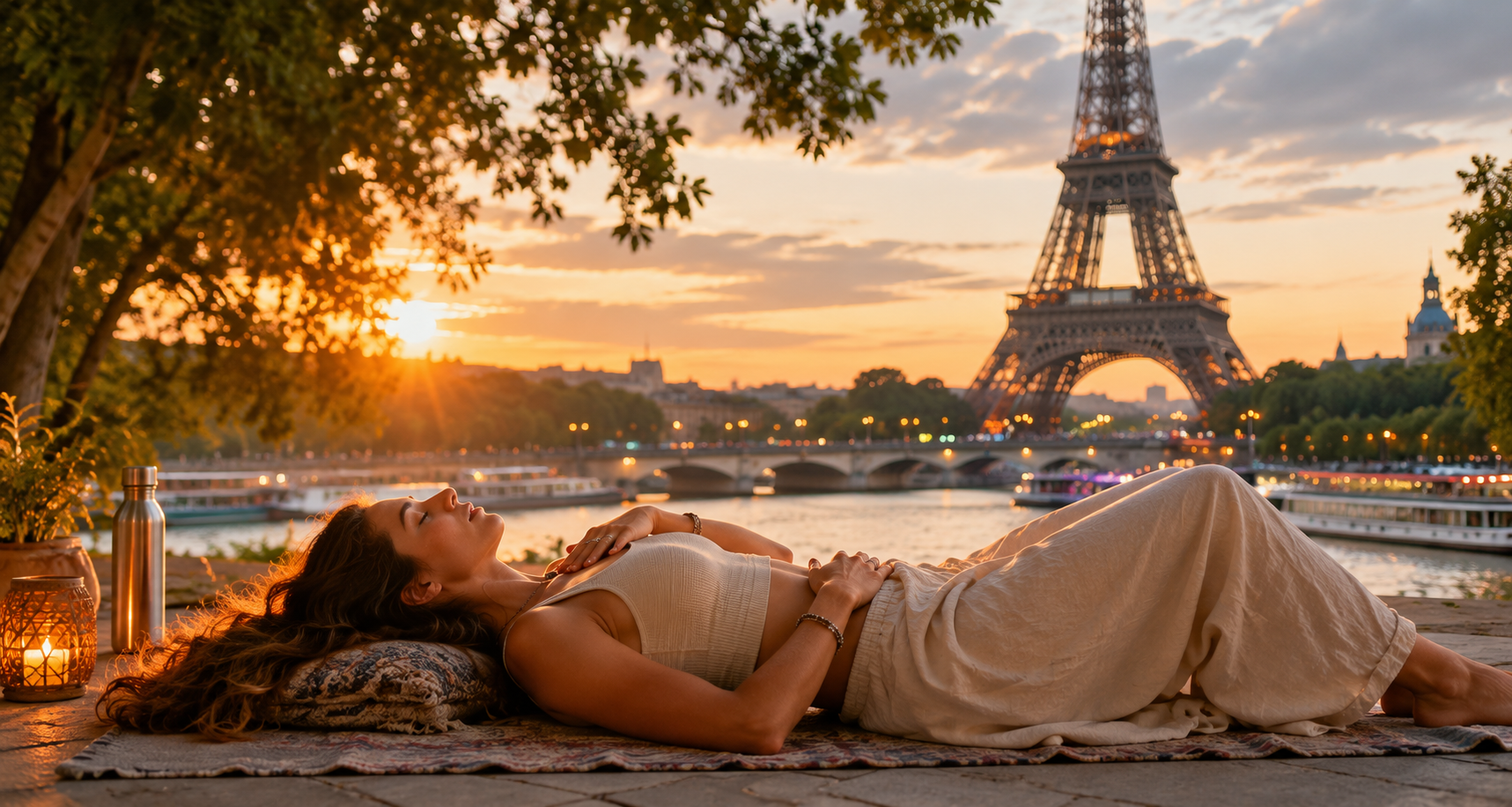
Something is undeniably shifting in Paris. As the city’s tempo races, more Parisians and newcomers are searching for calm beneath the surface. Breathwork in Paris isn’t just a wellness buzzword—it’s becoming a curious phenomenon woven through studios, park gatherings, luxury hotels, and therapeutic communities.
Breathwork in Paris means guided breathing sessions designed to support mental clarity, ease stress, and invite transformation, with local facilitators offering everything from dynamic group classes to private workshops and immersive retreats. People can expect a mix of breathwork traditions: from circular breathing and conscious connected sessions to Wim Hof-inspired cold immersion, with options tailored for different language backgrounds and levels of experience.
In a city long known for its intellectual pursuits, people now want to embody what they think and feel. Unlike meditation, which leans on silent observation, breathwork moves energy through the body, often leading to tangible shifts—fizzy sensations in the hands, deep emotional releases, or a subtle, calming clarity that lingers long after the boulevards quiet down. It’s not just hype; Paris sets itself apart, drawing out a gentle, sometimes rebellious spirit of experimentation with both ancient and modern breathing practices.
Here’s what stands out about breathwork in Paris: a creative mix of local and international styles, diverse communities, a strong sense of safety, and a willingness to question the old “just get on with it” attitude. Over the past few years—especially since 2020—this approach has found curious supporters not only among expats and wellness aficionados but also among creative professionals seeking emotional resilience and people simply looking for a breath of fresh air amidst urban intensity.
Want to skip straight to the best Paris breathwork sessions? Below you’ll find a quick table breakdown, then in-depth reviews of each leading studio and practitioner, followed by practical guidance, safety advice, and frequently asked questions about breathwork in Paris. Every section is packed with real-world insights for every level—from first-timers to those seeking advanced training.
Why breathwork is growing rapidly in Paris
Paris is no stranger to waves of wellness trends, but what’s propelling breathwork forward is more complex than surface-level popularity. At the heart of it, city stress is running high. Between work demands, dense neighborhoods, and cultural expectations that value productivity, it’s no wonder people have started looking for tools to help regulate their nervous system without relying solely on talk therapy or pharmaceuticals. Breathwork offers a tactile “shortcut”—guiding people from restlessness into moments of presence, often after just one session.
Over the past decade, the fusion of spiritual curiosity with evidence-based well-being has found fertile ground in the French capital. Yoga studios that once shied away from active breathing now openly schedule breathwork-focused classes. Retreats for burnout recovery increasingly spotlight breath-based interventions. The city’s shifting demographics—welcoming more expats, digital workers, and creative freelancers—means that stress, cultural adaptation, and mental load have become shared talking points, not taboos.
As a longtime Parisian once summarized after a session: “It’s not just about relaxing. It’s about feeling like you can start over, every day.” This sense of renewal is driving the surge. As people witness tangible benefits—easier sleep, less mind chatter, a smoother ride through difficult emotions—the word-of-mouth effect accelerates. Like finding a secret shortcut through the Marais’ winding streets, breathwork offers something most Parisians didn’t know they needed—until they tried it.
From stressed professionals to wellness seekers
The classic stereotype of Parisian wellness might involve a slow café crème and a stroll by the Seine, but that image hides a growing reality of chronic stress for many. A sizable segment of breathwork participants are high-achieving professionals: lawyers, tech workers, architects, and artists, all seeking more than just “mindfulness.” The draw is immediate—within minutes of guided breathwork, people describe tingling hands and feet, a loosening of tension in the chest, and occasionally, the sharp sting of emotional release.
Equally visible is a new wave of wellness-orientated seekers and expats who, having outgrown basic relaxation apps, want deeper, more transformative group experiences. This new cohort isn’t satisfied with surface calm; they want connection: shared vulnerability, authentic community, and safe spaces to process burnout, anxiety, or grief. Paris breathwork classes, perhaps more than anywhere, become a space for genuine human contact—often described as “the opposite of scrolling alone at home.”
One can’t overlook the social aspect. Regulars speak about the after-session tea, a hallway conversation with someone who “just gets it,” or the comforting presence of an experienced facilitator who’s weathered their own storms. Breathwork Paris groups blend practical technique with a sense of belonging, encouraging people to drop their city armor for an hour or two.
What makes Paris different from other breathwork scenes
There’s a certain flavor to Paris breathwork gatherings. First, there’s little tolerance for performative wellness. Parisians tend to be discerning and skeptical of “miracle cures.” As a result, the scene attracts facilitators who can balance warmth with professionalism and (importantly) explain the science or psychology behind what people are doing. Workshops in the capital often include evidence-based frameworks against the backdrop of historical parks, urban rooftops, and even hotel wellness suites—an intersection of tradition and urban edge you’ll rarely find elsewhere.
France has specific attitudes around mental health, autonomy, and boundaries. This means Paris breathwork sessions are particularly attentive to consent, personal agency, and adapting styles to suit cultural expectations. It’s not uncommon to see strong trauma-informed care, careful pacing, and extra time for integration and discussion—often in both French and English. The international blend of breathwork facilitators adds a cosmopolitan openness, keeping the scene both accessible and intellectually rigorous. While in some cities breathwork still feels fringe, in Paris, it’s emerging as part of a new mainstream of innovative, evidence-based self-care.
How this guide was created
To build an authentic overview of breathwork in Paris, what follows has been rigorously compiled using recent direct experience, community feedback, and published expertise from leaders like Susan Oubari (Breathe in Paris), participant testimonials, and first-hand research from Paris breathwork groups, events, and retreat centers. The selection prioritizes facilitators and studios that demonstrate consistent quality, trauma-awareness, flexibility with languages, and clear ethical standards.
Every effort has been made to reflect current offerings as of 2026, reference session structures precisely, and verify details with official sources or through editor confirmation where necessary. Where prices or session logistics are in flux (especially for retreats or luxury experiences), these are marked as editor-verified. Recommendations reflect observed patterns—what actually works for local communities, expats, and newcomers—rather than simple popularity contests.
Quick Comparison Table
| Studio / Facilitator | Breathwork Type | Best For | Languages | Session Format | Price Range (€/session) | Location |
|---|---|---|---|---|---|---|
| Elsa & Felicity (Coralie Lolliot) | Integrative Breathwork | Emotional Resilience | French, English | Group, Private | 60–100* | 9e Arrondissement |
| Breathe in Paris (Susan Oubari) | Breathe in Paris® Method | Beginners, Expats | English, French | Group, Private, Online | 55–120* | Central Paris, Online |
| Respire Plus | Circular, Coherent Breathing | Stress, Burnout | French | Group | 30–45* | Various |
| Polar Serenity | Wim Hof & Cold Exposure | Anxiety, Resilience | English, French | Group, Retreat | 70–130* | 16e, Retreats |
| Sarra Saïdi | Respiration Rythmique® | Emotional Healing, Trauma | French | Group, Private | 65–110* | 9e, Online |
| Breathwork in France | Conscious, Circular Breathing | International, Retreats | English, French | Group, Retreats | Editor-verified | Paris, Nearby |
| Amine Ksikes | Integrative, Trauma-informed | Therapeutic, Burnout | French | Private, Workshops | 70–120* | Le Marais |
| Elvire Rallis | Rebirthing Breathwork | Trauma, Deep Release | French | Group, Private | 60–95* | Paris, Online |
| Charlotte Dupinay | Breathwork & Pranayama | Yoga Integration | French, English | Group Class | 30–55* | 7e, Online |
| Rodrigue Bilard | Men’s Wellbeing Focus | Masculinity, Connection | French | Workshops, Circles | Editor-verified | Community Spaces |
| Omvida Holistic Spaces | Integrative, Holistic | Women, Emotional Support | French, English | Group, Private | 65–100* | 20e |
| Slowe Wellness House | Group Ecstatic Breathwork | Community, Inclusivity | French, English | Group | 30–50* | 10e |
| Le Centre Element | Breathwork, Meditation | Integration, Regulation | French | Group, Private | 55–120* | 3e, 4e |
| Mayashala | Yoga & Breathwork | Mind-Body, Beginners | French | Group | 30–50* | 15e |
| La Canopée | Community, Breath Circles | Community, Peer-led | French | Group | Editor-verified | Events (Various) |
*Prices as of 2025–2026. “Editor-verified” indicates approximate/validated range or based on available data.
Best Overall
Breathe in Paris (Susan Oubari) consistently receives the strongest feedback, praised for balanced technique, accessible atmosphere, bilingual sessions, and an approach that blends evidence-based breathing with authentic human support. The four-pillar method (breathwork, coaching, meditation, Reiki) works well for both beginners and those seeking emotional depth or professional training [1].
Best for Beginners
Respire Plus and Breathe in Paris are known for introductory workshops and classes with clear structure, step-by-step guidance, and a safe group energy. Both offer explanations before the session and extra time for questions, making them the top choices for people new to breathwork Paris studios.
Best for Emotional Healing
Sarra Saïdi’s Respiration Rythmique® method and Elvire Rallis (Rebirthing Method) stand out. These sessions gently guide deeper emotions to the surface, using rhythmic breathing and trauma-sensitive practices. Participants report more profound releases and long-term well-being [editor-verified].
Best for Anxiety Relief
Polar Serenity offers Wim Hof-inspired breathwork paired with cold exposure. This method—rooted in both science and tradition—helps reduce stress, manage anxiety, and build resilience [editor-verified]. Several participants describe feeling “alive and unburdened” after sessions.
Best for English Speakers
Breathe in Paris and Polar Serenity both run classes and workshops in English, accommodating expats and travelers. Breathe in Paris’s international approach, in particular, means all instructions are clear, and group support feels “welcoming but not overwhelming.”
Best for Conscious Connected Breathing
Breathwork in France and Elsa & Felicity focus on conscious connected breathwork—an active technique for shifting states of mind. Participants mention feeling a tangible “reset” after these sessions, with long-term shifts in energy.
Best for Rebirthing Breathwork
Elvire Rallis is the go-to in Paris for authentic rebirthing breathwork, helping participants access and release long-held emotion with strong aftercare support.
Best for Wim Hof Method
Polar Serenity integrates proper Wim Hof breathing practices with cold exposure for those seeking a blend of physiological challenge and community support.
Best Luxury Wellness Experience
Le Centre Element and Breathe in Paris (private sessions and retreats) win for luxury-level service, beautifully decorated spaces, and fully personalized support. Expect calming music, plush surroundings, and premium aftercare—worth the investment if you want something extra special [1,2].
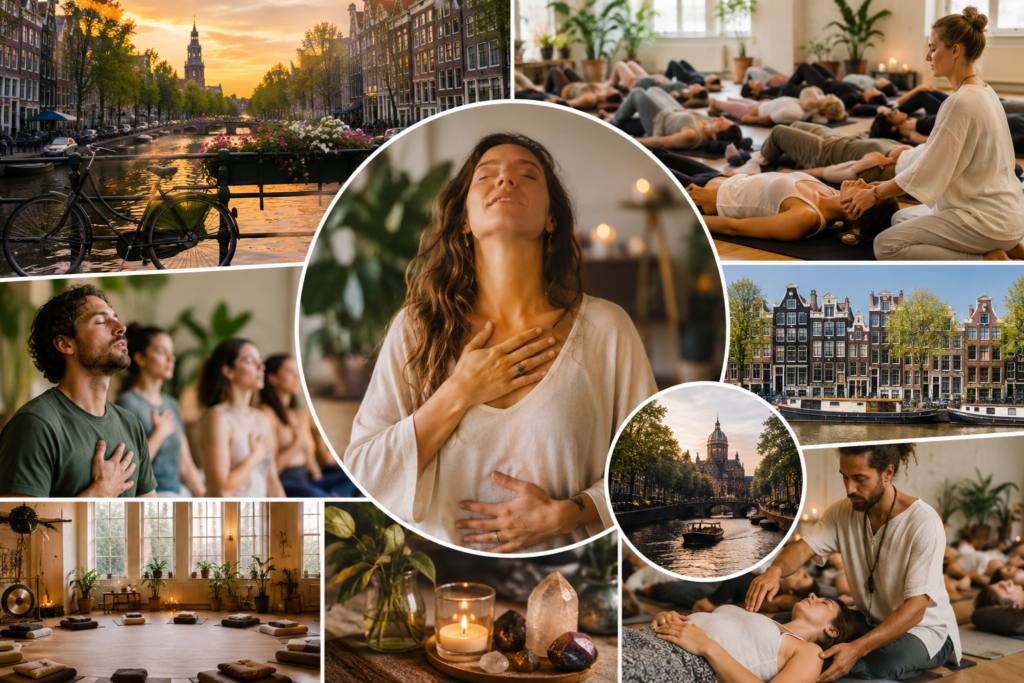
15 Best Breathwork in Paris: Full List
1. Elsa & Felicity (Coralie Lolliot)
Overview
Stepping inside Elsa & Felicity—helmed by respected practitioner Coralie Lolliot—is like trading in the city’s edges for the gentle cocoon of a Parisian oasis. The approach draws from integrative breathwork, emphasizing inner stability and clarity for people who want transformation without spiritual theatrics. The session locations range from candle-lit rooms near Pigalle to sun-drenched lofts, adding a tailored dimension each time [editor-verified].
Breathwork Style
The signature approach blends circular (conscious connected) breathing with somatic awareness, subtle movement, and optional light touch. Practices are trauma-aware; facilitators check in before, during, and after sessions. Coralie’s style balances structure—explaining what to expect—with intuitive adaptation to each group’s dynamic.
Session Experience
Expect a soft landing: everyone gathers, sometimes with herbal tea in hand, as the day’s intention is set. Sessions typically weave breath cycles with supportive music, small invitations to move, and gentle verbal cues. Many participants describe a “melting” of body tension and a gradual blooming of insight or emotional clarity. As one regular put it, “Paris feels quieter when you walk out.”
Who It’s Best For
People who need stress relief without forced intensity—often professionals, sensitive types, and those new to active breathwork. Also suitable for intermediate practitioners seeking nuance and personal adaptation.
Pros
- Strong trauma-informed care
- Focus on integration and after-session resources
- Consistent quality regardless of experience level
Cons
- Limited English-language sessions
- Group classes may fill up rapidly
2. Breathe in Paris
Overview
Founded by Susan Oubari, Breathe in Paris has quietly set a new standard for breathwork Paris experiences. With a mission to make both ancient and modern breathwork accessible, classes integrate guided breathing, personal coaching, meditation, and elements of reiki or intuitive support [1]. The community is refreshingly international, spanning everyone from newcomers to those seeking founder-level teacher training.
Breathwork Style
Susan’s signature Breathe in Paris® method starts with group reflection, gentle intention setting, and clear instruction. The format moves through guided three-part breathing (inhale, inhale, exhale, usually through the mouth), often accompanied by evocative music and optional journaling or tarot. Techniques range from basic breath awareness to more dynamic circular breathing, but with a strong emphasis on participant safety and consent.
Session Experience
Imagine softly-lit rooms, plush blankets, and music that carries the session from calm to emotional crescendo and back again. Beginners receive step-by-step guidance, and each session allows space for processing feelings or questions. After group classes, a circle discussion offers camaraderie and emotional integration, a detail regulars cite as “what sets Susan apart.” Many say they feel “lighter” and “unexpectedly peaceful” after even one session [1].
Who It’s Best For
Absolute beginners, expats, and those seeking a blend of community and personal exploration. Professionals navigating work stress, creatives, and anyone interested in emotional resilience will find Susan’s approach particularly effective.
Pros
- Sessions in English and French
- Step-by-step support for all levels
- Multiple formats: in-person, private, online, corporate
- Strong aftercare focus; integration resources
- Accredited teacher training available
Cons
- Sessions can feel “too gentle” for those seeking highly physical practice
- Popular events book out weeks in advance
3. Respire Plus
Overview
Respire Plus was designed to make breathwork classes in Paris available to the city’s broadest public. Led by practitioners focused on nervous system regulation, classes tend toward the pragmatic: clear, structured breathing rounds, psychoeducation, and practical suggestions for using breathwork daily. Sessions pop up in a variety of community spaces, making it easy for people across Paris to try a class [editor-verified].
Breathwork Style
Circular and coherent breathing approaches form the foundation here. Classes begin with nervous system basics: what to expect, common physical and emotional shifts, and quick safety check-ins. The technique typically uses nose- and occasionally mouth-based breathing, focusing on rhythm and gentle pacing.
Session Experience
The vibe is approachable: think of a Wednesday night after work, with people trailing in from metro stops. Sessions last about 60–75 minutes, ending with a group debrief or short personal reflection. Many leave with a sense that “breathing is a tool, not magic”—a sentiment that speaks to the down-to-earth approach favored by locals. First-timers often report feeling much calmer heading into the métro home.
Who It’s Best For
Beginners, people nervous about intense emotional release, and those wanting to incorporate breathwork into daily city life without joining a formal wellness club. Sessions also suit those looking for community at an affordable price point.
Pros
- Low barriers to entry, accessible locations
- Beginner-friendly, practical instruction
- Consistent, clear communication
Cons
- Classes mainly in French
- Less focus on deep emotional processing
4. Polar Serenity
Overview
Polar Serenity puts Paris on the breathwork map for methodical, science-backed cold exposure and Wim Hof Method integration. These sessions pair regulated “power breathing” cycles with guided ice baths or chilly outdoor plunges. The experience attracts the adventurous and those specifically seeking nervous system “reset,” especially for anxiety and resilience-building.
Wim Hof Method & Cold Exposure
Sessions build around intensive breathwork, starting with deliberate rounds of deep, quick inhalations and full exhalations—typically 30–40 cycles, followed by breath holds. This is coupled with guided visualizations before moving to the cold immersion (often ice bath or controlled cold plunge). Facilitators stress technique safety and gradual adaptation, keeping a strict eye on medical contraindications and participant readiness [editor-verified].
Session Experience
The atmosphere is high-energy and supportive—think music, cheers, and sometimes nervous laughter as people prepare for the cold. The cold-immersion segment sparks intense physical sensations: tingling, heat, focus, and a rare sense of exhilaration. Afterward, most report a “rush of clarity”—with cold exposure “reminding you what it feels like to be intensely alive.”
Who It’s Best For
Those looking for an integrated mind-body challenge, especially people managing anxiety, burnout, or seeking greater stress resilience. Also popular with biohackers, athletes, and people interested in physiological self-mastery.
Pros
- Exceptional instructor attention to safety
- Merges breathwork and cold exposure for full-body reset
- Sessions in English and French
Cons
- Not suited for those with certain medical conditions
- Intensity can be off-putting for sensitive participants
5. Sarra Saïdi – Respiration Rythmique®
Overview
Sarra Saïdi’s Respiration Rythmique® stands out as Paris’s go-to for trauma-aware, emotional release breathwork. With roots in rhythmic breathing traditions and layered with a psychotherapeutic lens, these sessions meet you where you are—for some, it’s emotional healing, for others, simply learning to feel safe in their body.
Unique Approach
Respiration Rythmique® combines structured rhythmic breathing (guided tempo) with music, movement, and (where consented) supportive touch. Sessions often include elements of talk therapy—reflecting Sarra’s strong psycho-emotional background—as well as integration through group sharing or solo journaling. The facilitator gently adapts pace and intervention to the group’s needs, never forcing emotions to the surface.
Session Experience
The environment is intentionally nurturing. Soft lighting, blankets, and invitations to move or pause as needed. Physical sensations during sessions range from warm flushes and tingling limbs to the gentle surfacing of memories or tears—described by some as “relief, not catharsis.” Longer workshops provide space to process and recalibrate before heading back out into the city.
Who It’s Best For
Anyone seeking emotional healing, people exploring trauma recovery, or those wishing to approach breathwork gently. Especially supporting to those with sensitivity to intense group energy or those wanting private, 1:1 care.
Pros
- Deep trauma-awareness and psychoeducation
- Flexible to participants’ needs; gentle adaptation
- Best-in-class integration practices
Cons
- Limited English-language support
- Group emotional releases may feel intense for the unprepared
6. Breathwork in France
Overview
Serving both Paris and the regions beyond, Breathwork in France specializes in conscious connected breathing workshops and retreats. The community is especially strong among international residents and retreat-goers who want science-backed but non-dogmatic sessions. Classes emphasize both energetic work and the importance of group belonging.
Breathwork Style
Sessions usually revolve around conscious connected breathing—a gentle but powerful technique linking inhales and exhales in an unbroken cycle. Group syncing, music, and light movement provide a shared rhythm, with adjustments made for those with anxiety or trauma history. Occasional longer events blend breathwork with yoga or mindfulness, giving a full-body reset.
Session Experience
Imagine a retreat house just outside Paris or a bright studio in the city, mats close enough for communal energy but spaced for privacy. Sessions include a clear introduction with room for questions, a 45–60 minute guided breath journey, and time for debriefing. Most leave with a “pleasant buzz”—gentle tingling, clarity, and increased connection to others.
Who It’s Best For
Those wanting a mix of science and spirituality. A popular choice for international groups, yoga practitioners, or anyone looking for a safe place to try connected circular breathing. Sessions are welcoming for people at any experience level.
Pros
- Consistent safety protocols
- Integrated group integration and support
- Retreats and multi-day offerings
Cons
- Less individual attention in large group settings
- Session frequency may fluctuate throughout the year
7. Breathwork Amine Ksikes
Overview
Amine Ksikes has built a respected reputation among therapists and Parisian well-being seekers alike. His integrative, trauma-informed breathwork Paris sessions offer a therapeutic alternative to more energetic, group-style offerings. The experience is highly personal, sometimes blending other modalities (mindfulness, bodywork) for those dealing with burnout, anxiety, and emotional fatigue.
Breathwork Style
Sessions draw from both circular breathing and more regulated nose-based patterns, adapting breath pace and rhythm to client history and physiological markers. Trauma-sensitive language and regular check-ins support a sense of agency and psychological safety throughout the session. Group workshops are kept small and confidential.
Session Experience
Private sessions are profound but gentle—clients often describe feeling “deeply met” and “more present.” Group workshops unfold in trusted spaces, often with dim lighting, soft music, and simple exercises to ground before and after breathwork. Emotional processing is allowed but not imposed, creating a non-pressured container for self-exploration.
Who It’s Best For
People needing therapeutic breathwork support, especially those recovering from burnout or trauma, or anyone seeking a gentler, more confidential intro to the practice. Highly recommended for those skeptical of large group classes or more spiritual approaches.
Pros
- Expert trauma-informed care
- Strong confidentiality and personal adaptation
- Option for ongoing therapeutic collaboration
Cons
- Schedule fills up months ahead
- Workshops rarely offered in English
8. Elvire Rallis – Rebirthing Breathwork
Overview
Elvire Rallis has become Paris’s unofficial specialist in rebirthing breathwork—a powerful process focused on releasing deep-set emotional blockages and long-held patterns. Her sessions maintain a strong tradition of breath-centered healing, integrating the lineage of Leonard Orr’s original rebirthing method with newer trauma-informed insights.
Rebirthing Method
Sessions guide participants through an unbroken, circular breath cycle (inhale to exhale) lying down, with attention to bodily sensations and psychological edges. Rebirthing is especially popular with those interested in immersive, emotionally cathartic experiences, drawing a dedicated community who “return for every new cycle.” Sessions are kept small, and aftercare is prioritized.
Session Experience
The experience can be intense: physical sensations like warmth, tingling, and “energy surges” often surface alongside emotional releases—sometimes laughter or tears. Elvire’s approach ensures participants feel safe and seen, with group discussion and private integration options after the breathing round. The space often smells faintly of essential oils, with light blankets and genuine warmth from facilitator and group alike.
Who It’s Best For
Those seeking a deep dive into emotional healing, people familiar with bodywork, or anyone feeling “stuck” who wants to explore root emotions with support. Also appropriate for trauma survivors with prior experience in somatic therapies.
Pros
- Skilled in deep emotional facilitation
- Authentic rebirthing training
- Integration support post-session
Cons
- Intensity may not suit sensitive personalities
- Waiting lists at busy times of year
9. Charlotte Dupinay Yoga & Breathwork
Overview
Charlotte Dupinay is well-regarded for integrating traditional yoga pranayama with modern breathwork publicity, making her classes a natural fit for people interested in movement-based breathing or for those dipping a toe into Paris breathwork from a yogic background.
Breathwork & Pranayama
Expect a blend of classical pranayama (controlled nostril breathing, breath retentions) with simple versions of circular or connected breathing. Sessions often start with asana (yoga postures) to open the body before moving into focused breathwork, always gently adapted for group ability and experience.
Session Experience
The atmosphere is calm, structured, and grounded—mats lined up in a sun-lit studio, with Charlotte providing step-by-step cues. Breathing exercises run 15–30 minutes, perfect for those not ready for an hour of active breathwork. Integration is often a yoga nidra or guided body scan, leaving people refreshed but not depleted.
Who It’s Best For
Yoga practitioners, movement lovers, and anyone curious to link breathwork with body awareness. Sessions suit both beginners and intermediate practitioners, especially those not seeking profound emotional releases.
Pros
- Seamless yoga-breathwork integration
- Calming, accessible studio atmosphere
- Sessions often taught in both French and English
Cons
- Shorter breathwork duration than standalone sessions
- May lack strong emotional processing elements
10. Rodrigue Bilard
Overview
Rodrigue Bilard brings a rare focus to men’s wellbeing circles—where breathwork sets the stage for authentic connection, healthy masculinity, and emotional regulation. Group sessions feel like part support group, part focused breathing exploration, appealing to men seeking to “let go of old scripts” in a non-judgmental space.
Breathwork for Men’s Wellbeing
Sessions combine conscious breathing with group dialogue, sometimes integrating movement and masculine archetype work. Practices are generally gentle, focusing on mindful breathing and sharing rather than high-intensity catharsis.
Session Experience
There’s a sense of camaraderie: talking, laughing, and a collective sigh as the room begins synchronized breath rounds. Sessions feel supportive and grounding, often ending with a simple sharing circle or a group meal. The environment keeps vulnerability safe, with boundaries around emotional exposure and group confidentiality [editor-verified].
Who It’s Best For
Men seeking personal development, improved emotional expression, or genuine community. Particularly suited to those feeling isolated in the city or navigating stress from modern male expectations.
Pros
- Safe space for men’s emotional exploration
- Non-judgmental group dynamic
- Sessions tailored to men’s challenges
Cons
- Limited frequency of workshops
- Strong focus on group dynamic may feel exposing for some
11. Omvida Holistic Spaces
Overview
Omvida has carved out its place as a women-centered breathwork and holistic wellness hub—combining breathwork, movement, energy work, and creative therapies. The setting feels welcoming, almost homey, with small groups gathering in tastefully decorated rooms in the 20th arrondissement.
Breathwork & Holistic Wellness
Sessions use integrative breathwork techniques, adapted to the group’s composition (women, non-binary participants welcome). Breath practice is paired with body awareness, mindfulness dialogue, and on occasion, creative expression (journaling, gentle art). Facilitators are known for strong trauma-awareness and a capacity to “hold space” for deeply personal process.
Session Experience
The mood is nurturing, sometimes lively, often reflective. Breathing is paced, with participant choice around intensity. Music and lighting are used to support emotional safety, and post-session discussion is encouraged but never forced. Seasonal themes may guide the experience—from nurturing in winter to energizing in spring.
Who It’s Best For
Women (and non-binary folks) seeking emotional support, trauma-informed group care, or community in Paris. Especially appropriate for those nervous to join general city wellness groups or seeking identity-affirming spaces.
Pros
- Women-centered, inclusive experience
- Strong integration with holistic wellness
- Accessible for anxiety-sensitive individuals
Cons
- Limited session times, often with waiting lists
- Workshops generally in French
12. Slowe Wellness House
Overview
Slowe Wellness House is one of Paris’s newer wellness concepts: a house-like communal space championing inclusivity and intersectional wellbeing. Breathwork here sits alongside group movement classes, nutritional workshops, and mental health events, with a spirit of mutual encouragement and playfulness.
Breathwork Within a Wellness Ecosystem
Breathwork sessions alternate between ecstatic breathing (with music and sound) and simpler, rhythmic patterns guided for relaxation or stress release. Facilitators blend technique with invitations for self-expression—think vocal releases or embodied movement within the breath cycle.
Session Experience
The studio buzzes with energy—sometimes the room erupts in group laughter, sometimes in soft humming and gentle encouragements. Unlike more clinical or formal studios, Slowe leans into community: facilitators remember names, newcomers are welcomed without pressure, and sessions end with communal tea or shared meals.
Who It’s Best For
People who find wellness spaces intimidating, women and LGBTQ+ individuals, and anyone seeking a more relaxed, play-based group setting. Great choice for urbanites missing real community or finding typical yoga studios too formal.
Pros
- Ultra-inclusive environment
- Group support and encouragement
- Flexible pricing for accessibility
Cons
- Sessions may feel too casual for traditionalists
- Intensity of group energy varies by cohort
13. Le Centre Element
Overview
Le Centre Element embodies the high-end Paris studio experience—where breathwork, meditation, movement, and energy work blend seamlessly. The physical environment (spacious rooms, gentle lighting, curated soundtracks) hints at the studio’s dedication to detail, making it a magnet for executives, luxury clients, and those looking for quiet depth.
Breathwork, Meditation & Energy Work
Sessions range from breath-focused meditation groups to dynamic breathwork rounds, sometimes coupled with sound baths or energy balancing practices. Each class is layered—beginning with guided intention, followed by specific breathwork cycles, and closing with group or individual integration rituals.
Session Experience
Expect calm professionalism—session flow is smooth, boundaries are clear, and every aspect invites a sense of safety and relaxation. Physical sensations are subtle and calming, with many describing a “soft reset” for mind and body. Integration includes both structured feedback and informal conversation over herbal teas.
Who It’s Best For
Professionals, executives, or anyone seeking a premium experience in a refined setting. Particularly recommended for those wanting a blend of tradition and modern neuroscience, or high-quality individual attention in a group setting.
Pros
- Consistent luxury experience
- Strong integration of mind-body practices
- Beautiful, centrally located studio
Cons
- Pricing may be a stretch for regular attendance
- Sessions book out far in advance
14. Mayashala
Overview
Mayashala is one of Paris’s more understated yoga and meditation centers, quietly building a loyal following for its accessible, body-based integration of breathwork. The studio leans on the ancient connection between breathing and movement, with sessions designed for everyday relaxation and nervous system support.
Yoga & Breathwork Integration
Sessions blend vinyasa or gentle hatha yoga with breath-centered exercises, moving fluidly from asana to rhythmic breathing and back again. The method is grounded and practical—often including breathwork “samples” that participants are encouraged to use beyond the studio walls.
Session Experience
The atmosphere is unhurried, quietly welcoming—sun streaming in, mats arranged with ample space, staff greeting regulars by name. Breathwork is kept intentionally accessible, with more elaborate circular or connected breath styles available in specialty classes.
Who It’s Best For
Beginners, yoga students, and anyone seeking stress relief or nervous system “tuning” without high-stakes emotional processing. Particularly good for people in transition, light recovery, or looking to infuse movement with breath awareness.
Pros
- Gentle entry point for new practitioners
- Consistently welcoming studio environment
- Integration with yoga for all levels
Cons
- Limited dedicated breathwork sessions
- Less focus on deep release
15. La Canopée
Overview
La Canopée carries the grassroots spirit of peer-led breathwork Paris communities—open groups, donation-based events, and a revolving team of facilitators and passionate volunteers. Sessions center on accessibility and sharing, with a warm “no experience required” approach.
Community-Focused Breathwork Experiences
Techniques vary by facilitator, but most group circles employ gentle breathwork, light movement, and group meditation or sharing. The emphasis is on creating mutual support, not on pushing to emotional extremes.
Session Experience
Picture a circle of strangers quickly morphing into allies as group breathing synchronizes. Sessions range from calm and restful to quietly intense, depending on the group’s energy. Debrief circles often include tea, snacks, and shared reflections, making newcomers feel valued and seen [editor-verified].
Who It’s Best For
Anyone looking for community, new skills, or affordable access to breathwork in an accepting and supportive environment. Especially good for those wanting to try breathwork without commitment or pressure.
Pros
- Peer-led, accessible structure
- No experience required; genuine community
- Flexible, affordable pricing (often donation-based)
Cons
- No fixed schedule or location
- Variable facilitator experience

Choose the Best Breathwork Type For You
Best Breathwork for Complete Beginners
Breathe in Paris and Respire Plus lead the way for beginner-friendly breathwork classes in Paris. Both are praised for step-by-step support, non-judgmental environments, and facilitators who take time to explain each phase. For first-timers worried about feeling out of place, these sessions demystify the process and emphasize consent and choice.
Best Breathwork for Anxiety
Polar Serenity’s Wim Hof sessions and Sarra Saïdi’s Respiration Rythmique® workshops both target anxiety—albeit through very different means. Polar Serenity’s cold exposure “reboots” the nervous system, while Sarra’s rhythmic breathing guides people to recognize and release anxiety in a safe, supportive group. Both are cautiously recommended for those with moderate anxiety but not severe panic disorders (speaking to your healthcare professional is advised for ongoing anxiety conditions).
Best Breathwork for Burnout
For deep fatigue, Amine Ksikes and Breathwork in France both address burnout recovery through trauma-aware support and personalized guidance. Their emphasis on gentle pacing, clear boundaries, and evidence-based practice sets these Paris breathwork sessions apart for those exhausted by high-pressure city life.
Best Breathwork for Emotional Release
Elvire Rallis’s Rebirthing sessions and Sarra Saïdi’s Respiration Rythmique® are preferred by those seeking to process emotion—especially anger, grief, or lingering sadness. Participants report “cathartic” but safe environments, with strong aftercare support to make sense of whatever surfaces.
Best Breathwork for Trauma-Informed Practice
Sarra Saïdi, Amine Ksikes, and Omvida Holistic Spaces lead in trauma-informed care, offering breathwork in Paris that never forces intensity. All three prioritize psychological safety, pre-session screening, and the option to slow down or adapt the process—key for people with trauma histories.
Best Breathwork for Spiritual Growth
Breathe in Paris and Breathwork in France both cultivate deeper self-awareness and spiritual connection. While Breathe in Paris incorporates meditation and coaching, Breathwork in France weaves group energy and expansive reflection into the breathwork experience, appealing to those seeking more than just stress relief.
Best Breathwork for Entrepreneurs & Executives
Le Centre Element and Breathe in Paris (private sessions) are favored by professionals and executives, offering premium service, individual attention, and session formats that can be scheduled around demanding jobs. Their approach balances rigor with respect for privacy and personal goals.
Best Breathwork for Expats Living in Paris
Breathe in Paris takes the win for accessible, bilingual facilitation, clear explanations, and a thoughtful international community. Honorable mention goes to Breathwork in France for its inclusive group sessions and active online network, especially for those still mastering French language nuances.
Breathwork Retreats in Paris
There’s nothing quite like a day or weekend spent outside the capital, layering fresh air and open landscapes onto the practice of breathwork. In and near Paris, retreats now range from day-long “reset” intensives to multi-day yoga and breathwork immersions, often with a focus on nervous system regulation, emotional healing, and reconnection with self and nature.
Day Retreats
Quick-retreat options within an hour of Paris offer focused sessions—often blending breathwork, mindfulness, cold exposure (the popular Wim Hof approach), and simple rituals like forest walks or art therapy. Participants typically report feeling “like a year’s stress was lifted in a single afternoon.” Snacks or light lunch are often included, with prices usually in the €100–250 range [2].
Weekend Retreats
Weekend retreats—at countryside châteaux, converted farmhouses, or boutique hotels—allow for a deeper reset. Breathwork sessions alternate with yoga, group sharing, and relaxation. Multiple facilitators often team up to provide full-spectrum support. Some packages include spa sessions, silence periods, or nature walks; most wrap with an integration circle. As of 2025, expect €400–1200 for accommodation, food, and all sessions [editor-verified, 2].
Breathwork & Yoga Retreats
For those who want a holistic experience, combined yoga and breathwork retreats near Paris are increasingly popular. Mornings kick off with asana or movement flow, followed by guided breathwork and optional meditation. Evenings may include sound baths or restorative yoga. These retreats balance active practice and deep relaxation, leaving participants “restored but not wiped out.”
Luxury Wellness Retreats
Paris’s appetite for luxury hasn’t skipped the wellness world. Upscale retreats at resorts or boutique spas (often less than 2 hours from Paris) pair breathwork with gourmet meals, massage, infrared sauna, and personalized coaching. Feedback highlights “complete sensory reset” and privacy—suitable for executives, celebrities, and anyone prioritizing a high-touch experience. Premium options often price at €1500+ per weekend [2].
Retreats Worth Traveling For
Once bitten by the breathwork bug, many Parisians look beyond the city. Internationally acclaimed retreats run by Breathe in Paris, Breathwork in France, or freelance facilitators regularly sell out. These bring together cross-cultural groups for immersive, sometimes multi-lingual, healing in nature-rich settings. For some, this is where bonds form that last years past a single session.
Breathwork in Paris Preparation & Experiences
Before the Session
Preparation for a breathwork session in Paris isn’t complicated, but it pays to arrive “unhurried.” Most facilitators suggest eating a light meal (no heavy foods 90 minutes prior), bringing water, a journal, and a warm sweater. Expect a warm welcome—sometimes with tea—and a gentle briefing: what breathwork is, “what you may feel,” and a chance to share intentions privately or with the group. First-timers often feel a flutter of nervous energy, quickly put at ease by facilitators.
During the Session
Sessions typically start with grounding: perhaps soft music, a body scan, or a few minutes of mindfulness. The facilitator then demonstrates the breath cycle and clarifies choices about intensity or pace. As breath rounds start (anywhere from 20 to 45 minutes of guided practice), physical sensations often build. Lights are low, eyes close, and a steady rhythm of inhales and exhales fills the room. Emotions may bubble up, and there’s full permission to slow down or adjust as needed. The session closes with a gradual return to calm, soft words, and plenty of space to catch your breath, literally and figuratively.
Common Physical Sensations
People often describe tingling in the hands and face, lightheadedness, gentle waves of heat, or subtle shifts in muscle tension—a “pleasant buzz,” as one person put it. Soft shaking, yawns, or heaviness in the limbs are also common, as are short bursts of laughter or tears. These effects usually resolve within minutes after the session ends, and most report feeling more relaxed or centered [editor-verified].
Emotional Releases
It’s not unusual for old emotions to surface—sometimes as sadness, sometimes as relief or even joy. Some people cry, others laugh, and a few just sink into gentle calm. Skilled facilitators normalize the entire range, gently checking in and reminding participants, “There’s no right or wrong way to breathe, or to feel, here.” Whatever emerges, the group’s presence helps keep the process contained and safe.
Integration Afterwards
Post-breathwork, integration is key. Paris facilitators routinely allow time for journaling, group sharing, or simply sitting in quiet. It’s wise to keep plans light after the session—some people feel energized, others a bit subdued as their nervous system “rewires.” Experienced practitioners suggest drinking water, eating something grounding, and allowing for gentle movement or rest as you settle back into daily life.
Breathwork Safety
Important Contraindications
While most people tolerate breathwork well, there are exceptions. Contraindications include severe cardiovascular disease, epilepsy, pregnancy (for certain styles), glaucoma, and some psychiatric diagnoses (bipolar, schizophrenia, recent trauma flashbacks). People with underlying health conditions or concerns should consult a healthcare professional before attending breathwork sessions in Paris or elsewhere [editor-verified].
When to Speak With a Healthcare Professional
Those currently under psychiatric care, with unstable medical conditions, or who have just experienced a major trauma, are strongly encouraged to discuss participation with their healthcare provider. Open communication with both your practitioner and facilitator ensures sessions remain safe and supportive if modifications or extra supervision are needed.
Red Flags to Watch For
Legitimate breathwork Paris facilitators should always screen for contraindications, never pressure people to “push through” discomfort, and clearly communicate the risks and alternatives. If a practitioner makes medical claims (“this will cure your depression”) or dismisses emotional or physical boundaries, that’s a red flag. Clear consent and a trauma-informed approach are now standard at reputable venues.
Questions to Ask Before Booking
- What type of breathwork do you practice? Is it suitable for beginners/people with my condition?
- How do you handle emotional releases?
- Is the facilitator trauma-informed and open to adaptation?
- What is the maximum group size? Are sessions available privately?
- Are sessions taught in English, French, or both?
Breathwork Insights
Key Differences
Breathwork and meditation both target mental clarity, emotional balance, and stress reduction, but their approaches differ. Breathwork, especially the active Paris breathwork styles, engages the nervous system through structured breathing cycles, often producing physical sensations and emotional shifts within a single session. Meditation, in contrast, emphasizes awareness and stillness, with slower, more gradual effects. In simple terms: breathwork can feel like “pressing reset,” while meditation is more like “watching the weather.”
Benefits of Each Practice
Breathwork in Paris is renowned for immediate stress release, faster access to emotional states, and sometimes profound shifts in mood or energy. People facing creative blocks, overwhelm, or stuckness find breathwork breaks through inertia. Meditation is ideal for those seeking lasting presence, subtle nervous system regulation, and a gentle, ongoing relationship with mind and body.
Which One Is Right for You?
The decision often comes down to personality and need. If you seek fast results, want to “feel something,” or wish to process emotion, breathwork may suit you best. If you are more cautious, sensitive to physical intensity, or value watching rather than changing experience, meditation or mindful breathing can be a better match. Many start with one and later incorporate the other as their needs shift.
Why Many Practitioners Combine Both
Increasingly, Paris breathwork facilitators blend the two. A session may begin with active breathing and end with silent meditation, or vice versa. This combination supports nervous system flexibility—moving from activation to calm, from doing to being. As one facilitator notes, “You get the benefit of movement and stillness, both sides of the coin.”
FAQ
How Much Does Breathwork Cost in Paris?
As of 2025–2026, standard group sessions typically range from €30–€70, with luxury classes or premium venues occasionally reaching €100–€120. Private sessions, advanced workshops, or add-ons (e.g., cold exposure, retreat meals) naturally increase pricing. Donation-based community groups may accept smaller contributions. Always check current rates directly, as pricing can shift by facilitator and season [1,2].
Are Sessions Available in English?
Yes. Many Paris breathwork facilitators offer sessions in English—especially Breathe in Paris, Breathwork in France, Polar Serenity, and international retreat providers. Always double-check the language of instruction when booking, as some smaller workshops default to French only.
Can Beginners Join?
Absolutely. Most Paris breathwork sessions welcome all experience levels, with clear protocols for screening, consent, and adaptation for first-timers. Facilitators explain each technique in detail and offer choices about participation and pacing—no prior knowledge needed.
How Often Should You Practice?
For most, starting with a session every 1–2 weeks allows space for integration without overwhelming the nervous system. Some people join group classes as weekly ritual; others prefer monthly or occasional attendance. Listen to your body and consult your facilitator for personal recommendations.
Can Breathwork Help Anxiety?
Yes, when practiced with qualified facilitators and proper contraindication screening, breathwork can help manage anxiety by calming the nervous system and supporting emotional release. However, those with chronic or severe anxiety should consult mental health professionals to co-create a supportive approach [editor-verified].
Is Breathwork Scientifically Supported?
There is growing evidence that structured breathing practices support stress reduction, emotional regulation, and cardiovascular health. Some protocols, like coherent breathing or slow diaphragmatic breath, are well studied. Active breathwork (circular, rebirthing) still needs more research but shows promising results for many. Paris breathwork facilitators increasingly train in both traditional and evidence-based models [editor-verified].
Can Breathwork Replace Therapy?
Breathwork can complement but should not replace therapy for serious mental health concerns, trauma, or psychiatric diagnoses. Many practitioners now work collaboratively with therapists and suggest breathwork as one tool in a broader toolkit. For some, it’s an entry point; for others, a supplement to talk therapy or mindfulness-based interventions [editor-verified].
References
- Oubari S. Breathe in Paris. https://susanoubari.com/. Accessed 23 June 2026.
- BookRetreats.com. The 10 best breathwork retreats in Paris for 2026. https://bookretreats.com/s/wellness-retreats/breathwork-retreats/paris. Accessed 23 June 2026.
- Paris Breathwork Group. Meetup. https://www.meetup.com/paris-breathwork-group/. Accessed 23 June 2026.
- Keur Wellness. Breathwork Paris—keur. https://www.keurwellness.com/schedule/breathwork-paris-april16. Accessed 23 June 2026.