

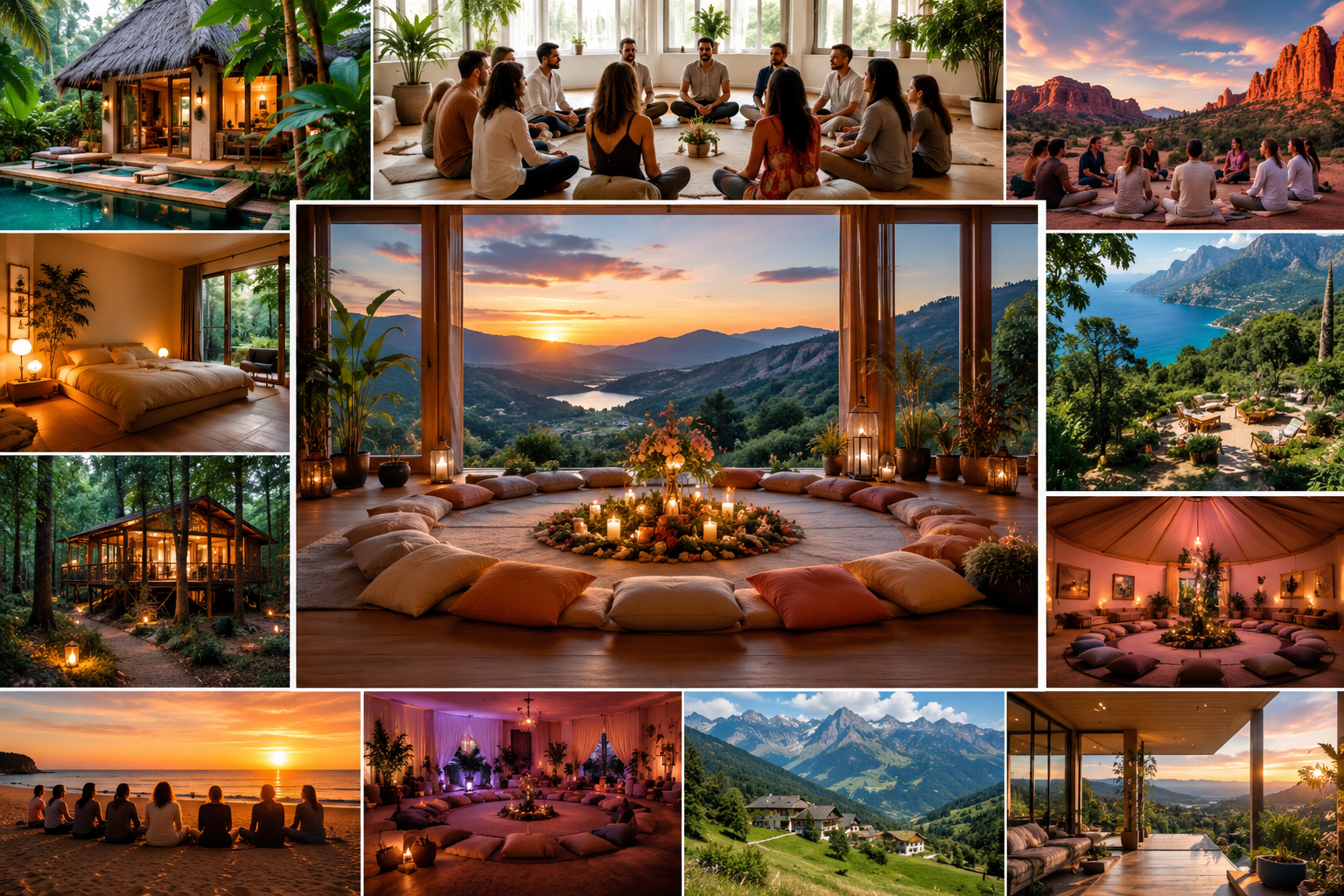
MDMA retreats provide structured, therapeutic environments where participants can experience guided MDMA-assisted sessions—typically under professional supervision—with a strong focus on preparation, safety, and post-retreat integration. Unlike casual or recreational use, these programs aim to foster lasting emotional growth, support trauma recovery, and facilitate personal insight through a combination of science-driven therapy and holistic care.
The phrase “best mdma retreats” gets tossed around in psychedelic circles—a dazzling promise, but rarely a simple answer. Over the past decade, the concept has shifted dramatically: what once sounded like a forbidden, fringe subculture is now beginning to enter mainstream mental health conversations. These days, the search for top mdma retreats isn’t just about chasing a unique experience; it’s often about real, lasting personal change. Whether someone seeks help for PTSD, relationship healing, or self-discovery, the best retreats for mdma lean heavily on safety, scientific therapies, and strong aftercare, not on raw spectacle.
Why Trust Our MDMA Retreat Guide?
How We Selected the Best MDMA Retreats
Trusting any retreat guide comes down to two things: expert knowledge and rigorous selection. To build this list, several markers separate the mdma retreats best suited for real growth from the rest: medical safety standards, therapist/facilitator credentials, robust pre-screening, transparent legal compliance, participant reviews, and program structure. Every top mdma retreat included here is referenced in peer, industry, or community reports, placing strong value on therapy frameworks rooted in current science—not hearsay or hype[1][2].
- Medical and psychological screening: Ensures participants’ safety and suitability.
- Integration support: Focuses on successful translation of insights into daily life.
- Facilitator training: Prioritizes programs where staff hold recognizable qualifications.
- Participant reviews: Preference for programs with authentic, positive feedback from real guests.
In other words, this isn’t just a popularity contest—it’s about real-world impact and evidence-backed outcomes.
Safety, Screening & Integration Standards
Safety isn’t just a box to tick in the world of psychedelic retreats—it’s the foundation. The leading mdma retreats require thorough medical screening, with clinicians looking for risk factors like cardiovascular conditions, medication contraindications, and psychiatric history. Programs use small group sizes or 1:1 settings and include structured pre-retreat preparation and post-retreat integration sessions, which are critical for managing challenging emotions and sustaining gains from the experience[1][3]. Programs with unclear screening or integration should raise red flags, as community forums often report negative outcomes from poorly managed settings.
Why MDMA Retreats Are Different From Recreational MDMA Use
It’s tempting to compare a retreat session to a night out, especially when people recall the bliss or connectedness of “rolling” at a music festival. Here’s the thing: clinical mdma best retreats are built on structure that recreational use lacks. Facilitated retreats—unlike club settings—involve intention setting, therapist presence, and psychological support before, during, and after the experience[2]. The aim is not just euphoria, but authentic healing.
Participants report a unique sense of emotional safety, allowing difficult feelings to surface in ways that rarely happen in casual settings. There’s an old saying among psychedelic therapists: “Set and setting isn’t just jargon—it’s everything.”
Understanding the Legal Landscape in 2026
The legal map for mdma top retreats remains a patchwork internationally. As of 2026, MDMA is still classified as a Schedule I substance in the US, meaning it is illegal outside approved clinical research, though recent FDA advisory meetings and ongoing research suggest this may change in coming years[2][4]. Australia has led the way in regulated psychiatric use, and the Netherlands is currently debating supervised, large-scale studies in clinical settings, as recommended in the “MDMA /// Beyond Ecstasy” report[2].
Some retreats in Europe, Central America, and select US clinical trial programs operate with explicit government oversight, while many others exist in regulatory gray zones. It is crucial to understand whether a program operates within legal boundaries, as this directly relates to participant safety.
What Is an MDMA Retreat?
An MDMA retreat is a structured therapeutic program, typically lasting several days, in which trained professional staff guide participants through one or more sessions involving MDMA—or legal alternatives with similar therapeutic intent—in a controlled, supportive environment. Unlike informal use, these retreats integrate psychotherapy and preparation with the goal of emotional or psychological growth.
What Happens During an MDMA-Assisted Retreat?
A typical day at one of the leading mdma retreats often starts with guided intention setting—sometimes over quietly shared tea, sometimes in a circle overlooking a view. Sessions involve careful dosing under observation, gentle music, supportive touch if requested, and moments of deep conversation. Throughout, participants are never left alone: therapists or trained facilitators monitor heart rate, emotional state, and provide reassurance. The main event—the MDMA session itself—can last up to eight hours, followed by integration work to help translate insights. Think less festival, more focused therapeutic container.
- Preparation: Psychological readiness and clarity of goals
- Guided session: MDMA taken under supervision in a safe setting
- Therapeutic support: Talk therapy, emotional coaching during the experience
- Integration: Follow-up sessions that help “make sense” of breakthroughs
The process is intentional and methodical from start to finish, shaped by decades of research and evolving ethical standards[3][5].
How MDMA Affects the Brain
On a technical level, MDMA primarily works by flooding the brain with serotonin, dopamine, and norepinephrine, while also dampening activity in the amygdala—the region tied to threat and fear responses. This biochemical shift isn’t just about feeling good; it changes how memories are accessed and processed[2][6]. Participants often describe a strange sense of warmth or “softness” around difficult emotions—a phenomenon researchers liken to “taking off heavy emotional armor.” This opens up a rare window for real psychological movement, especially when bolstered by professional support.
MDMA and Emotional Processing
Few experiences rival the emotional clarity people report during a therapeutic MDMA session. Old wounds come up, but with a sense of distance or safety, as if revisiting painful scenes through softened glass. One participant, reflecting on the process, shared: “It was the first time I could look at my trauma and not flinch.” This temporary state—called a “window of tolerance” in therapy circles—can help participants address trauma, untangle stuck patterns, and rebuild self-compassion[3][6].
MDMA for Trauma Recovery
The best retreats mdma options have become linchpins in trauma recovery for a simple reason: standard therapies don’t always reach the places trauma lives. In clinical research, MDMA-assisted programs have helped people access and release deeply buried pain with far less overwhelm than standard talk therapy. Emotional numbing, hypervigilance, and chronic fear can all shift in just a few sessions, when MDMA’s effects are paired with skilled therapeutic guidance[2][6]. The experience isn’t always easy, but it’s described often as a breakthrough after years—or decades—of being stuck.
MDMA for PTSD
Possibly the most compelling data for mdma recovery comes from studies on post-traumatic stress disorder. In phase 3 trials supported by the Multidisciplinary Association for Psychedelic Studies (MAPS), approximately 67% of participants no longer met the criteria for PTSD after MDMA-assisted therapy, compared to about 32% in the placebo group[3][6]. These outcomes have stirred hope but also intense debate in mental health circles—not because the numbers aren’t strong, but because the implications challenge old models of how healing unfolds. MDMA is not a cure-all, but in skilled hands, it’s quickly becoming one of the most promising tools for people stuck with persistent PTSD.
MDMA and Relationship Healing
It would be a mistake to focus entirely on trauma. Leading mdma retreats often attract couples looking to break through old patterns of conflict or disconnection. The properties of MDMA—empathy, reduced defensiveness, heightened emotional openness—set a foundation for authentic conversation without the usual armor. Sessions are typically supported by couples therapists specially trained in navigating these accelerated, intimate dialogues. Many people recall a sense of “falling in love all over again” or simply being able to say what’s needed, finally, without fear of repercussion. These transformations, while personal, are so consistent they’ve become a core thread in the reputation of mdma top retreats[3].
MDMA vs Psilocybin Retreats
It’s easy to get these terms muddled as more retreats spring up across the US and Europe. Psilocybin—the active ingredient in so-called magic mushrooms—offers a more visionary or at times unpredictable experience, often involving imagery, spiritual symbolism, and deeper immersion in the subconscious. MDMA-assisted therapy, by contrast, tends to be steadier and more emotionally navigable: there’s less likelihood of destabilizing hallucinations, and the focus remains squarely on emotional processing. Psilocybin retreats are legal in some countries, and have been adopted as alternatives where MDMA isn’t permitted, but the goals and effects are subtly but meaningfully different[2].
MDMA vs Ayahuasca Retreats
Now, Ayahuasca retreats have exploded in popularity among seekers looking for powerful catharsis. The visuals, rituals, and often physical purging that accompany Ayahuasca are a world apart from MDMA retreats, which cater to those seeking gentler, structured emotional healing. Many people who opt for mdma best retreats do so because the experience is less chaotic, more conversational, and—according to some—less likely to bring overwhelming, destabilizing experiences. Ayahuasca’s intensity can be transformative, but it isn’t for everyone.
MDMA vs Bufo Ceremonies
Bufo—referring to the toad-derived 5-MeO-DMT—has made waves in the world of shamanic retreat circles, due to its fast-acting, utterly consciousness-altering effects. MDMA, in contrast, is intentionally less mystical and more therapeutic, designed not to obliterate the ego but to gently soften its boundaries. Bufo ceremonies demand high preparation; for most seeking inner growth and emotional repair, the relative predictability and warmth of MDMA sessions prove far more accessible and less intimidating.
Best MDMA Retreats in the World
1. TripTherapie (Netherlands)
Overview
TripTherapie stands among the best retreats for mdma-like experiences in the Netherlands, with an open model combining legal psychedelics (psilocybin truffles) and, reportedly, gray-area MDMA services for small groups or individuals. The retreat frequently appears in community discussions about accessible, therapy-oriented programs.
MDMA-Assisted Sessions
Sessions are designed with high facilitator-to-guest ratios and focus on emotional safety, personalized intention-setting, and gentle exploration, using either psilocybin truffles—or, when legal standards allow, MDMA[2].
Therapeutic Approach
TripTherapie’s methods blend somatic therapy, talk therapy, and cognitive frameworks, always customized to the participant’s needs. Clients often comment on the “human” touch: it’s less about protocol, more about authentic support.
Preparation & Integration
Guests complete online (or in-person) screening for medical conditions and mental health history. After the main retreat day, attendees have optional group or 1:1 post-integration sessions to unpack the experience back at home.
Accommodation & Environment
The setting is as flexible as the program: sessions may occur in city apartments or countryside villas, prioritizing comfort, quiet, and privacy.
Pricing
As of late 2025, programs typically span per day, depending on group size and session type. This includes all meals and follow-ups.
Pros and Cons
- Pros: Personalized, small groups. Detailed screening. Strong facilitator reputation.
- Cons: Availability can be limited and legality is evolving. Not always MDMA per se; legal alternatives more common.
TripTherapie openly offers guided MDMA retreat experiences in the Netherlands with therapeutic support and small group sizes.
2. Behold Retreats (Portugal, Netherlands, Mexico & Costa Rica)
Overview
Behold Retreats has risen quickly as a global brand, often referenced as the mdma retreats best choice for international guests looking for a luxury-meets-science experience. The company openly operates in several countries, offering legal psychedelic programs focused on psilocybin and related compounds, with MDMA as an “on request” care path in select regions[2].
Psychedelic-Assisted Healing Programs
These programs begin with psychological profiling, intention mapping, and structured prep calls. Legal compliance, safety, and facilitator training sit at the top of the organization’s values.
Concierge Model
Clients work with a personal retreat coordinator to build a tailored program—ideal for executives, couples, or those seeking maximum privacy and comfort.
Medical Screening
Rigorous health screenings—reviewed by medical professionals—exclude those at medical or psychological risk, and each session is supervised by both a therapist and a licensed physician.
Integration Support
Post-retreat integration covers three weeks, including virtual coaching, mindfulness resources, and community check-ins so guests don’t “return to reality alone.”
Pricing
Pricing is firmly in the luxury tier, ranging from $6,000 to $12,000 for multi-day retreats (2025 data)*.
Pros and Cons
- Pros: High-end care, flexible location, robust medical oversight, integration emphasis.
- Cons: Price excludes many. MDMA support not always available due to varying legality by country.
Behold Retreats has become one of the most recognized international psychedelic retreat operators.
3. InwardBound (Netherlands & Costa Rica)
Overview
InwardBound blends psychotherapy, neuroscience, and psychedelic facilitation. Widely reviewed as a leading mdma best retreats organization (by reputation, though often focused on legal truffles), it hosts group and private retreats with a distinctly clinical flavor.
Clinical and Therapeutic Team
Run by therapists, psychiatrists, and neuroscientists with international credentials, the team brings both rigor and warmth.
Preparation Process
- Pre-retreat consultations (medical, psychological, practical)
- Explicit contraindications discussed (history of psychosis, medications, cardiac risk)
Integration Model
Integration is not an afterthought but a multi-phase process. Participants meet in structured small groups for weeks after the retreat, supported by peer and professional facilitators—this is often why InwardBound scores so well in reviews.
Retreat Structure
Most programs unfold in rural Dutch or Costa Rican villas, favoring nature, silence, and reflection, with one main ceremony and pre/post sessions.
Pricing
Retreats typically cost $2,000–$4,500 depending on duration, country, and accommodation (2025 pricing)*.
Pros and Cons
- Pros: Clinical rigor, strong aftercare, medical oversight, group/solo program flexibility.
- Cons: Wait lists and strict screening can be frustrating for those eager to get started. True MDMA programs very limited; most use legal truffles as a proxy.
InwardBound is known for combining psychotherapy, neuroscience and psychedelic facilitation.
4. Beckley Retreats (Jamaica & Netherlands)
Overview
Beckley Retreats is helmed by leaders in global psychedelic science, blending research, spirituality, and luxury travel. Their programs are structured for personal growth rather than explicit diagnosis or PTSD treatment.
Scientific Foundation
Founded by the well-known Beckley Foundation, every program embodies the latest psychedelic science, with ongoing partnerships and published studies.
Leadership Team
The leadership team includes researchers from top universities and some of the earliest MDMA research initiatives.
Luxury Experience
Retreat locations are premium, from restored Dutch villas to eco-chic Jamaican lodges. Guests are pampered with chef-prepared meals, yoga, and wellness classes in addition to therapy sessions.
Retreat Structure
Programs are multi-day, combining group ceremonies, private therapeutic support, and structured group integration meetings.
Pricing
Costs range from $3,000–$10,000+ depending on length, location, and room choice, as of mid-2025*.
Pros and Cons
- Pros: Science-led process, strong integration, luxury environment, high-end facilitation.
- Cons: Not trauma- or PTSD-specific; pricing reflects luxury market. MDMA options depend on regional laws.
Beckley Retreats was founded by leaders within psychedelic research and education.
5. Curacura (Netherlands)
Overview
Curacura is a boutique retreat with a reputation for blending somatic (body-focused) integration, trauma healing, and legal psychedelic experiences. Though MDMA is technically illegal here, retreat frameworks closely mirror MDMA therapy models with legal truffles.
Somatic Integration Approach
Curacura’s standout is its emphasis on nervous system regulation, using body-based techniques before, during, and after sessions to foster lasting change—a rare find in the industry.
Facilitator Qualifications
Staff hold credentials in psychotherapy, somatic therapy, and trauma-informed care. Many have over a decade’s experience, with formal training in psychedelic care.
Nervous System-Based Healing
- Breathwork and movement before ceremonies
- Body scan and movement for trauma release
Pricing
Pricing is mid-range—usually $1,500–$3,500 for weekend or multi-day retreats*.
Pros and Cons
- Pros: Emphasis on somatic work, trauma care, facilitator depth, personalized integration.
- Cons: Programs may book months in advance, English-language support only part-time.
Curacura combines psychedelic experiences with somatic therapy and integration practices.
6. Synthesis-Inspired Retreat Programs (Netherlands)
Overview
Synthesis was among the first organizations in Europe to adopt research-backed retreat structures—a model now emulated by new leaders in the field. While true MDMA is not offered (due to legalities), participants experience protocols parallel to clinical programs, using psilocybin truffles as a legal alternative.
Historical Significance
Originating from partnerships with leading neuroscientists and clinicians, the methodology became the basis for many retreat safety protocols in the EU.
Retreat Methodology
Sessions combine mindfulness, therapeutic group work, and deep integration support based on MAPS guidelines for MDMA therapy.
Integration Practices
Post-retreat, guests get access to virtual coaching, integration circles, and community support.
Pricing
Costs usually range from $4,000 to $7,000 for a one-week experience, depending on accommodation and session type (2025*).
Pros and Cons
- Pros: Structure modeled after clinical MDMA therapy, excellent aftercare, strong participant network.
- Cons: No MDMA due to legal status; closest parallels in structure, not substance.
7. Eleusinia Retreat (Mexico)
Overview
Eleusinia Retreat is a Mexican-based facility specializing in medically supervised psychedelic work. Legal constraints shape the offering, but its reputation as one of the most medically robust in North America is hard to miss.
Medical Supervision
Guests undergo clinical health screenings, ECGs, and medication reviews prior to being accepted.
Clinical Safety Standards
On-site medical staff monitor all sessions, making the environment feel as safe as a private clinic. Protocols are reviewed regularly against latest clinical guidelines.
Retreat Team
A core team of physicians, psychiatrists, psychotherapists, and facilitators guide ceremonies and integration work.
Integration Process
Integration is systematic: day-after “debriefing circles,” optional telehealth check-ins, and structured follow-up care.
Pricing
Pricing is upper mid-range, from $2,500–$5,500 for standard packages (2025 data)*.
Pros and Cons
- Pros: Medically supervised, trauma-aware, strong reputation for safety and professionalism.
- Cons: Not strictly MDMA, but the closest U.S.-border option with clinical rigor.
Eleusinia emphasizes medically supervised psychedelic retreat experiences.
8. New Moon Retreats (Netherlands)
Overview
New Moon Retreats focuses on the intersection of meditation, mindfulness, and legal truffle ceremonies—a favorite among those new to psychedelics and seeking a calm, meditative environment.
Meditation-Based Approach
Daily guided meditation, body scans, and breathing practices bracket the main ceremony, aiming to ground participants throughout.
Small Group Model
Groups are intimate (typically fewer than 8 people), which allows for personal attention from facilitators.
Retreat Structure
Programs are generally two to four days and encourage “retreat silence” outside of guided group activities.
Pricing
Typically $1,200–$2,200, all-inclusive (2025 figures)*.
Pros and Cons
- Pros: Gentle intro for first-timers, meditation/therapy blend, peaceful locale.
- Cons: Limited therapy for deep trauma work; language accessibility varies by group.
Community reviews frequently highlight meditation and facilitator support as key strengths.
9. Earth Awareness Retreats (Netherlands)
Overview
Earth Awareness runs private, highly customizable ceremonies, sometimes in ancient forests or hidden countryside estates. “Safe, quiet, and private”—that’s the most common review.
Private Ceremony Format
Unlike large group retreats, this option focuses on privacy, ideal for those seeking discretion.
Facilitator Experience
Facilitators bring years in therapeutic practice, psychedelic care, and spiritual counseling.
Integration Support
Guests receive tailored integration plans and virtual follow-ups weeks after return.
Pricing
Typically $1,800–$3,600, depending on package specifics.
Pros and Cons
- Pros: Discretion, individually tailored care, strong safety rep.
- Cons: Fewer group community opportunities; wait lists in peak season.
Referenced positively in community discussions regarding psychedelic retreats in Europe.
10. Private Psychedelic Therapy Programs in the Netherlands
Boutique Options
Boutique, one-client-at-a-time programs have emerged rapidly. These retreats cater to executives, artists, or those wanting the “executive experience” with total focus from therapists.
One-on-One Programs
Sessions are usually conducted in luxury apartments, countryside villas, or guest-oriented clinics. The therapeutic team customizes every step—from medical safety checks to integration planning.
Executive Retreats
Highest discretion, on-call medical staff, and full confidentiality are the norm.
Luxury Healing Experiences
Chef-prepared meals, spa services, and holistic aftercare often included. Expect prices well above $7,500 per package.
11. Costa Rica Psychedelic-Assisted Healing Retreats
Why Costa Rica Has Become a Global Hub
Costa Rica has become a serious contender in the mdma best retreats scene, largely thanks to relaxed laws, natural beauty, and an established wellness infrastructure. Programs here tend to blend medical oversight with Ayurvedic or yoga traditions, soaking up the rainforest air and sense of “escape.”
Nature-Based Healing
Picture morning bird songs, open-air yoga decks, tropical fruit, and attentive staff—the “retreat experience” in every sense.
Integration-Focused Programs
Retreats in Costa Rica extend integration beyond the mental, with art therapy, movement, group support, and ongoing community for months afterward.
Best Options
- Soltara Healing Center (ayahuasca, but models MDMA-style integration)
- Behold Retreats Costa Rica (psilocybin-based, luxury tier)
- Smaller private programs run by U.S. and Canadian therapists in legal partnership models
12. Portugal Psychedelic Retreat Experiences
Why Portugal Attracts International Guests
Portugal’s progressive drug policy has turned it into a magnet for international guests, especially those wary of prosecution at home.
Legal Considerations
While MDMA is not fully legal, Portugal actively decriminalizes personal use and hosts legal research or gray-area therapy programs with trained facilitators.
Best Retreat Operators
- Behold Retreats Portugal (strong medical oversight and English-language support)
- Local clinical programs run by licensed psychologists and medical doctors
Best MDMA Retreats by Goal
Best MDMA Retreat for Trauma Healing
For deep trauma healing, the mdma best retreats consistently referenced are InwardBound (EU/Costa Rica) and Eleusinia (Mexico). Both balance clinical rigor and expert support, with intensive pre- and post-care for trauma-specific issues[2][3].
Best MDMA Retreat for PTSD Recovery
Approved clinical trials in the United States (for example, through the MAPS Expanded Access Program until 2024) remain the gold standard, but InwardBound and select Costa Rican programs offer structured PTSD-focused sessions where legal.
Best MDMA Retreat for Couples
Behold Retreats and custom private Netherlands-based programs receive high community ratings for couples, emphasizing relationship repair, safe dialogue, and partners therapy frameworks.
Best Luxury MDMA Retreat
Behold Retreats (all locations) is the hands-down choice for luxury—from gourmet meals to plush private suites and personal therapists.
Best Budget-Friendly MDMA Retreat
TripTherapie and New Moon Retreats in the Netherlands, often ringing in under $2,000, are known for affordability without sacrificing core safety and integration.
Best MDMA Retreat in Europe
Synthesis-inspired programs and Beckley Retreats remain standouts, their scientific foundation and genuine care leading to consistent positive reports.
Best MDMA Retreat in Costa Rica
Costa Rica’s Soltara and Behold options, although more commonly facilitated with psilocybin or ayahuasca, replicate the best practices of mdma retreats and often host U.S. clinicians.
Best Retreat for First-Timers
New Moon Retreats, with their gentle pace, small groups, and mindfulness orientation, are highly recommended for those new to psychedelics.
Best Medically Supervised Program
Eleusinia, with its medical staff and comprehensive health protocol, wins among Latin American retreats for clinical safety standards.
How Much Does an MDMA Retreat Cost?
Budget Retreats ($1,000–$2,500)
Budget programs, mostly found in the Netherlands and Mexico, usually span two to three days. Expect basic but comfortable lodging, shared meals, group sessions, essential facilitator presence, and standard integration resources. Some may require guests to share rooms or bathrooms.
Mid-Range Retreats ($2,500–$5,000)
Mid-tier options typically include private or semi-private accommodations, in-depth intake consultations, highly credentialed therapists, and several integration meetings after return. These are often 4–7 day programs with daily wellness classes.
Luxury Retreats ($5,000+)
At this level, guests receive private suites, gourmet food, custom itinerary planning, transportation, even spa treatments—plus personalized medical supervision. The focus is on comfort, privacy, and seamless service, making the price more than just about the session substance.
What’s Usually Included?
- Private or group lodging and meals
- All therapy and group facilitation (pre-, during, and post-retreat)
- Medical screening (in programs with clinical care)
- Integration support for up to four weeks
- Wellness extras: yoga, meditation, massage, local excursions (varies)
Hidden Costs to Consider
- Travel expenses to/from retreat site (not usually included)
- Extra medical screenings (ECG, lab tests) if required
- Optional integration/coaching after the official program
- Premium for single-room upgrades or special dietary needs
How to Choose a Safe MDMA Retreat
Medical Screening Requirements
Medical screening isn’t negotiable in any program that makes the mdma retreats best lists. Look for retreats that review cardiovascular health, current medications, and mental health history. Staff should be equipped to address possible emergencies or disqualify at-risk guests[2].
Facilitator Qualifications
Check for clear, transparent information on facilitator backgrounds—degrees, clinical experience, trauma training. As in all health-related fields, credentials matter more than charisma.
Therapist-to-Participant Ratios
Small ratios (1:2 or 1:4) are ideal—anything larger is a red flag. The best retreats for mdma never compromise on this ratio, often limiting group sizes to maintain safety and give each participant enough support.
Integration Support
Post-retreat integration sessions, both therapist-led and community-supported, drastically reduce the risk of negative outcomes and help translate insights into lasting change. Retreats with “bye and good luck” endings should be approached with skepticism.
Red Flags to Watch For
- Poor or non-existent medical screening
- Lack of real-world integration (just a single debrief session)
- Exaggerated claims (“guaranteed healing in a weekend”)
- Underqualified or unknown staff backgrounds
- Groups larger than 12 attendees
Questions to Ask Before Booking
- Is MDMA or an alternative substance used, and what is its legal status?
- Who are your facilitators and what are their clinical qualifications?
- What specific medical and psychological screenings are done?
- What sort of integration support is offered after the retreat?
- What does the preparation process look like?
Community discussions repeatedly identify poor screening, lack of integration, exaggerated healing claims, and inadequate staffing as major red flags.
Potential Benefits of MDMA-Assisted Retreats
Emotional Processing
MDMA sessions make it possible to revisit painful memories with less emotional charge, increasing clarity and compassion for oneself. People often talk about a “lightness” that follows, a sense that old burdens have lifted or at least softened.
Trauma Resolution
Under skilled guidance, even deeply held trauma can become accessible. The breakthrough moments—when a participant tentatively reaches toward a memory long avoided, yet is able to face it—are among the most powerful reported in clinical trials.
Reduced Fear Response
By calming the amygdala, MDMA reaches fear at its root. Participants often report the ability to discuss traumatic experiences for the first time without being overtaken by panic[2][6].
Improved Self-Compassion
MDMA tends to dissolve the inner critic—at least temporarily. This creates fertile ground for new self-understanding and a far gentler relationship with oneself.
Relationship Healing
Empathy is often amplified, making space for real connection and honest dialogue—whether between couples or within families.
Increased Emotional Openness
The “armor around pain” softens, letting tears and laughter flow more easily. Participants gain fresh perspectives on long-held beliefs.
Personal Growth
Over the past decade, thousands have found that the best retreats mdma provide jump-starts for lasting transformation—from career clarity to letting go of long-held resentment. Integration is key to maintaining these changes.
Risks and Contraindications
Who Should Avoid MDMA Retreats?
Anyone with significant cardiovascular issues (arrhythmia, hypertension), history of psychosis or mania, or those currently on psychiatric medications that interact negatively with MDMA (like MAOIs or SSRIs), should not participate. It’s not about exclusion, but about responsible safety.
Medication Interactions
Selective serotonin reuptake inhibitors (SSRIs), monoamine oxidase inhibitors (MAOIs), and certain cardiac/blood pressure medications can lead to severe health risks if taken with MDMA. Honest, thorough disclosure of all current meds to the retreat is vital.
Mental Health Considerations
Current psychosis, unstable mood disorders, or untreated schizophrenia are clear contraindications. The best retreats for mdma will disqualify participants based on these factors for everyone’s safety.
Physical Health Risks
Rarely, adverse events include dehydration, hyperthermia, or cardiac events. Programs with tight clinical protocols and on-site medical care (like Eleusinia or certain private European clinics) mitigate these risks.
Why Professional Support Matters
“Bad trips” can be dangerous, not just for psychological well-being but occasionally for physical health. All evidence supports the need for medical, psychological, and social support throughout the process. Peer support and “trip sitting” are not substitutes for professional oversight, especially with potent substances[6].
Frequently Asked Questions
Are MDMA Retreats Legal?
Most MDMA retreats outside Australia’s clinical pilot program and regulated research trials exist in legal gray zones. In the US, only approved research studies (MAPS Expanded Access, university clinical trials) are legal. In the Netherlands and Portugal, personal use is decriminalized but not fully legal. Psilocybin and truffle retreats serve as legal, structured alternatives[2][5]. Always verify legality directly with the provider.
Can MDMA Help PTSD?
Yes, in research settings MDMA-assisted therapy has demonstrated a strong, lasting impact on treatment-resistant PTSD. In recent clinical trials, about two-thirds of participants no longer qualified for PTSD after MDMA-assisted therapy[3][6]. Results can vary—but the findings are encouraging.
How Long Does an MDMA Retreat Last?
Most retreats run from 2 to 7 days, depending on the provider, depth of preparation, integration needs, and whether the program is private or group-based. Clinical programs (such as those run by MAPS) involve up to three MDMA-assisted sessions over several months.
What Happens During an MDMA Session?
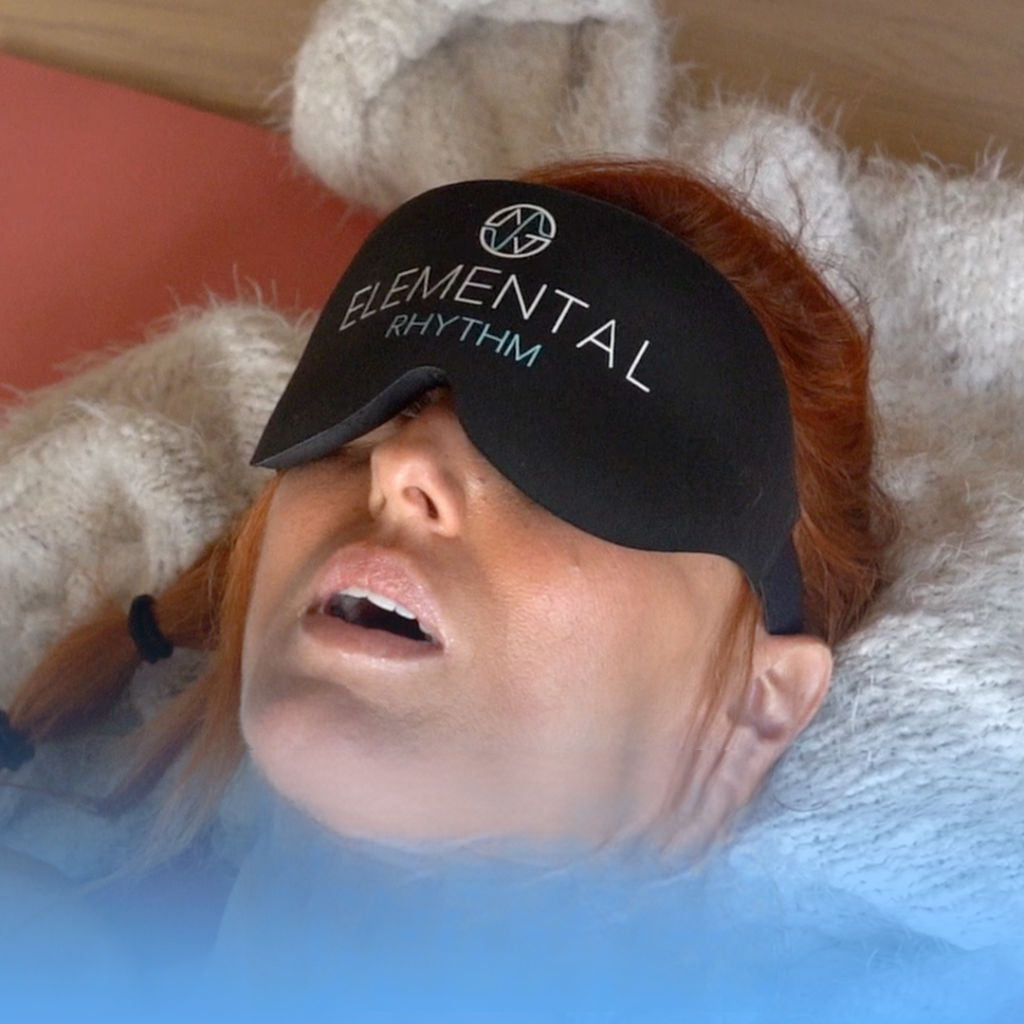
Sessions unfold in private rooms or small group settings. After initial intention setting, MDMA (or a legal alternative) is administered under supervision. Music, eye masks, and supportive talk are common. Sessions last up to eight hours, followed by quiet reflection and clinical check-ins[3][6].
Is MDMA Therapy Different From Recreational Use?
Yes—clinical therapy and recreational use have almost nothing in common except the molecule itself. The therapeutic setting involves screening, professional support, intention, and long-term integration, while recreational use is spontaneous and lacks safety protocols.
How Much Does an MDMA Retreat Cost?
Prices range from about $1,000 for simple programs to $12,000+ for luxury, multi-day experiences. See the ‘How Much Does an MDMA Retreat Cost?’ section for detailed breakdowns.
What Is the Best MDMA Retreat in the World?
There’s no single champion, but InwardBound, Behold Retreats, and Eleusinia regularly top lists for their blend of safety, medical expertise, and participant satisfaction.
References
- Beckley Retreats. MDMA Therapy Retreats: Science, Legality & Pathways to Healing. https://www.beckleyretreats.com/blog/mdma-therapy-retreats. 2025.
- Retreat Guru. 87+ Best MDMA Retreats | 2026 Prices & Reviews. https://retreat.guru/be/mdma-retreats. 2026.
- The Pearl Psychedelic Institute. MDMA Assisted Psychotherapy. https://www.pearlpsychedelicinstitute.org/mdma-assisted-therapy. 2026.
- Food and Drug Administration. FDA briefing document: NDA/BLA# 215455 midomafetamine – Psychopharmacologic Drugs Advisory Committee meeting June 4, 2024. U.S. Department of Health and Human Services. 2024.
- Recovery First Treatment Center. Psychedelic Retreats: A Therapeutic Journey or Risky Trip? https://recoveryfirst.org/blog/about-addiction/psychedelic-retreats/. 2024.
- Mithoefer MC, Mithoefer AT, Jerome L, Ruse J, Doblin R, Gibson E, Ot’alora G, Sola E. MDMA-assisted psychotherapy treatment manual (Version 8.1). Multidisciplinary Association for Psychedelic Studies. 2017. https://maps.org/wp-content/uploads/2022/05/MDMA-Assisted-Psychotherapy-Treatment-Manual-V8.1-22AUG2017.pdf


 Your personalized retreat result