

Introduction
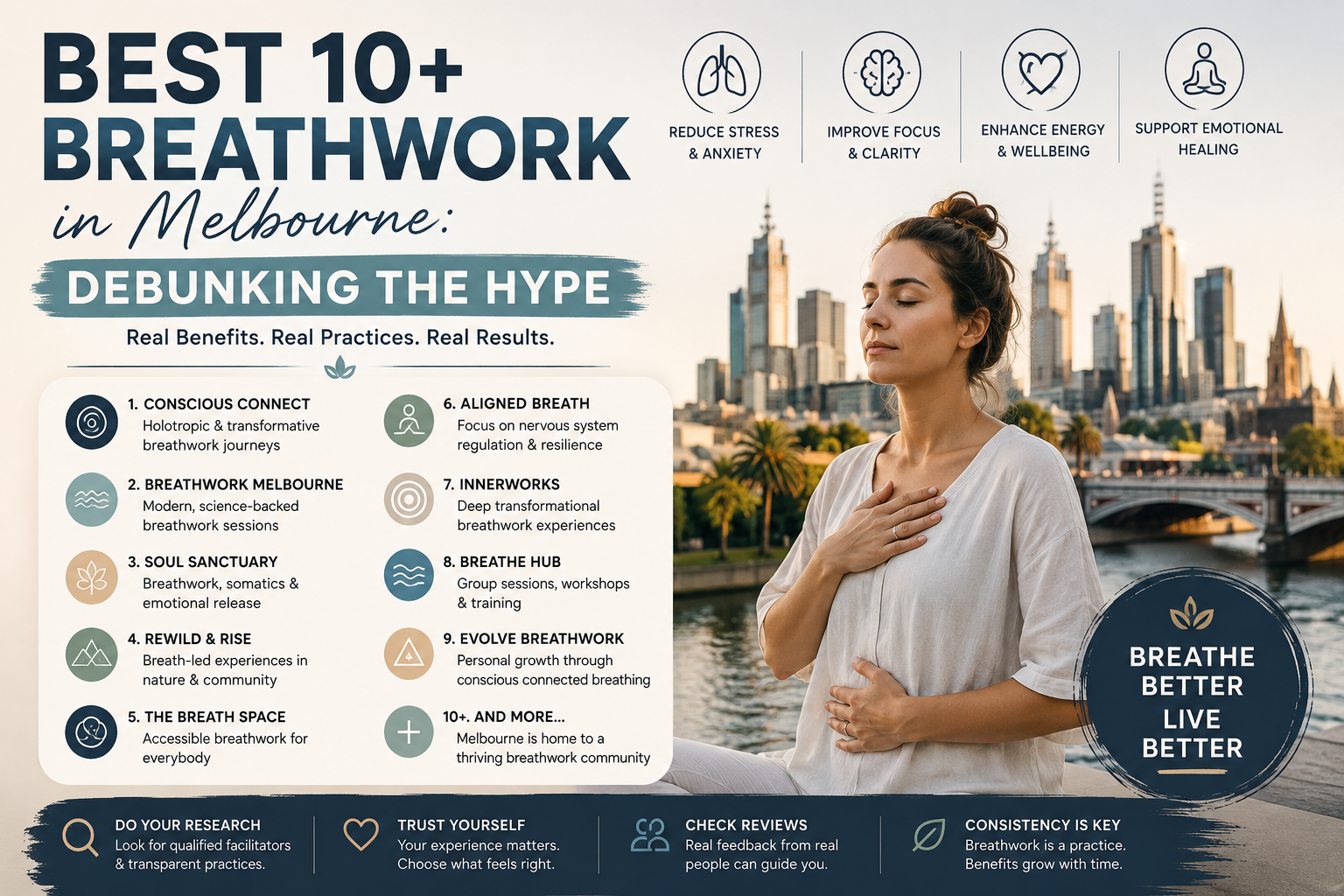
- Why Melbourne has become Australia’s breathwork capital. Melbourne has transformed into the unspoken epicentre of breathwork in Australia, quietly edging out other cities over the past decade. While Sydney often looms large on wellness maps, it’s the laneways, warehouse studios, and converted church spaces of Melbourne that seem to attract a near-constant hum of breathwork classes, immersive workshops, and community events.
What sets breathwork in Melbourne apart? It’s not just the sheer number of options—though you’ll hear “breathwork near me” uttered more times in Carlton than coffee orders. Melbourne’s breathwork scene is known for its diversity, technical rigour, and a particular kind of unpretentious community spirit that keeps people coming back for more. - The problem with many “best breathwork” lists.: Most “best breathwork in Melbourne” lists out there feel like a game of copy-paste, stacking SEO keywords with little regard for whether the actual practices differ or if facilitators are qualified. The risk? Someone turns up at a studio expecting deep trauma release and instead gets a glorified YouTube meditation.
Stories abound of people leaving sessions more confused—and sometimes more unsettled—than when they walked in. There’s a lot of superficial hype, not nearly enough honest scrutiny, and a tendency to gloss over the very real differences in safety, skill, and community ethos between providers. - How we selected the facilitators below: This guide chooses breathwork studios not by Instagram followers or Google reviews alone, but by three core filters: depth of expertise, session safety, and the tangible impacts these providers have on their communities.
Only practices known for qualified facilitation, consistent ethical standards, and meaningful, lasting results for clients made the final cut. Each listing unpacks what makes the studio unique, the kind of breathwork style you can expect, and who they serve best. The aim: to demystify the breathwork landscape for those serious about meaningful transformation—or even just a genuinely restorative session. - What you’ll learn in this guide: Expect more than a surface list. This guide answers key questions about breathwork classes in Melbourne—the real differences between popular methods, how pricing actually works, what safety red flags to watch for, and which studios are right for different needs (from beginners to elite athletes, trauma recovery or community events).
Crucially, you’ll find honest reflections on what to expect (and what not to) from breathwork sessions in Melbourne CBD and surrounding suburbs.
If you want to try breathwork in Melbourne, start by choosing a reputable studio, select a suitable technique (like conscious connected breathwork or holotropic), and consider your experience level, health needs, and facilitator qualifications. The best breathwork experiences combine skilled guidance, safety, and proven techniques for deep physical and emotional results.
Breathwork Isn’t Magic
Some corners of breathwork marketing would have you believe a single session can unravel decades of stress, trauma, or existential confusion—with all the effort of taking a deep inhale. The allure of ‘miracle’ change is understandable, especially in a world that craves quick fixes. However, most long-term practitioners of breathwork in Melbourne will tell you plain as day: there’s no sorcery here.
Instead, breathwork is built on physiological principles, decades of lived experience, and—importantly—a growing body of modern neuroscience that situates breath not as a shortcut to enlightenment, but as a powerful, practical entry point into the nervous system and subconscious mind [1]. The ‘magic,’ if you can call it that, is slow and cumulative. Practice reliably, with guidance, and you begin to notice subtle shifts in mood, resilience, and self-awareness. Claiming anything more is wishful thinking.
Emotional Releases Don’t Automatically Mean Healing
Walk into any breathwork class in Melbourne and you’ll likely witness at least one person entering cathartic tears, sudden fits of laughter, or even primal yells. There’s a raw, palpable energy in these sessions. Yet here’s a crucial distinction: an emotional release (sometimes called a discharge) is not in itself equivalent to healing.
What matters is how those feelings are processed and integrated—before, during, and after the session. Good facilitators are careful not to chase drama for its own sake or treat outward expressions as the sole metric of progress. True healing in breathwork happens in the integration, in the way new patterns take root over days and weeks, not simply in the spectacle of the experience. Melbourne breathwork classes worth their salt know this and structure their support accordingly.
The Problem With Social Media Breathwork
Instagram and TikTok made breathwork look easy—quick hacks to “manifest” your dream job or “clear every chakra in under 5 minutes.” Some so-called practitioners build entire brands around flashy hyperventilation techniques, promising results that seasoned facilitators would call fanciful at best and risky at worst. It’s all too tempting to mistake viral moments for valid practices. Real-world results rarely match what’s edited for a camera.
Melbourne breathwork leaders are, by and large, moving away from this trend—focusing instead on evidence-based approaches and community-led spaces where breathwork is contextualised, safe, and responsive to the participants’ actual needs, not just the algorithm’s hunger for the sensational. People walk in off the street expecting enlightenment by lunch and, if the facilitator isn’t careful, sometimes end up anxious or even light-headed instead.
Why Facilitator Quality Matters More Than Breathwork Style
With dozens of breathwork styles on menu boards—holotropic, rebirthing, pranayama, 9D, conscious connected—the choice can feel like a game of roulette. Here’s the rub: the quality of the facilitator consistently matters more than any particular breathing style. A skilled, trauma-informed facilitator can adapt their technique to suit you, spot subtle physical cues, set boundaries, and help integrate whatever comes up. A flashy method wielded carelessly is an invitation for overwhelm or even harm. In Melbourne, choosing a breathwork practitioner means prioritising training, track record, and integrity over whatever new label is trending online. There’s a kind of quiet confidence in sessions where you feel genuinely seen and supported, not just run through a cookie-cutter routine.
What Actually Makes a Great Breathwork Session
What distinguishes a truly valuable breathwork session from a bland, forgettable, or even dicey one? Qualitative experience points to a handful of pillars: a physically comfortable, emotionally safe environment; facilitators with real-world training beyond a weekend course; a structure that allows for both depth and integration; and a community ethos that prizes respect over spectacle. The feeling in the room can shift palpably—people’s breathing sounds, the warmth of a guiding voice, and even the subtle pause between tracks of evocative music. Overheard once after a particularly moving group session: “It’s the first time all week my mind was quiet.” If that isn’t a small kind of healing, what is?
The Best Overall Breathwork Experience
When it comes to reliably transformative, safe, and impactful breathwork in Melbourne, The Breath Haus takes the top spot. The blend of evidence-backed method, robust facilitation, and strong community ethos make their classes suitable for everyone—from anxious beginners to seasoned wellness travellers. The architecture of each session is thoughtful, the science is solid, and the risk of “gimmick” is non-existent.
Best For Beginners
No Name Studios shines for those stepping into breathwork for the first time. The mix of gentle entry, authentic instructor presence, and practical session design takes the edge off nerves. The “open” class format especially lets you dip your toe without being overwhelmed.
Best For Emotional Healing
Unleashed and Conscious Breath Co both deliver deeply felt, well-supported cathartic work. Safe structures, trauma-awareness, and seasoned guidance ensure emotional releases lead to integration—not just spectacle.
Best For High Performers
Liz Ho Performance Breathwork is the undisputed choice for athletes, professionals, and science-minded participants. Data, tracking, and sports-science-informed breathwork leave nothing to guesswork—perfect for those used to measuring results.
Best Holotropic Breathwork Option
Melbourne Holotropic Breathwork remains the go-to for those seeking authentic, deep-dive non-ordinary conscious experience in a structured, well-supported setting. Integration and aftercare are built in, ensuring safety for even the most vivid experiences.
Our Overall Recommendation
Ultimately, Melbourne offers one of the world’s richest breathwork landscapes—a mix of styles, philosophies, and specialisations that can meet almost any need or curiosity. Whether you’re looking for transformative community, scientific insight, trauma support, or a gentle reset, this city’s breathwork practitioners stand ready. The most important step? Choose wisely, ask questions, and trust both your instincts and the careful, qualified support of the best in the business. It all starts with a single breath—and in Melbourne, that breath might just change your entire sense of what’s possible.
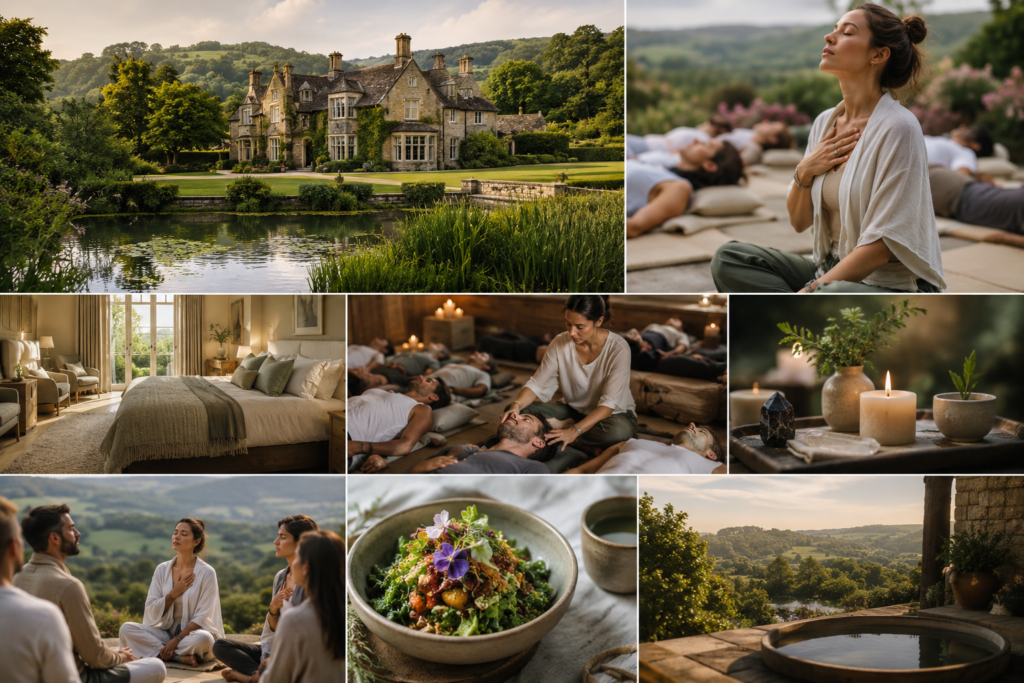
Best Breathwork in Melbourne: Full List
1. 9D Breathwork in Melbourne
Why They Stand Out
Conscious Breath Co occupies a unique niche in the Melbourne breathwork landscape by blending science-rich methodology with an immersive sound and breath approach. Rather than simply teaching a technique, they create transformative environments—a true sanctuary where nervous system regulation meets emotional resilience. Their signature 9D breathwork journeys are not just classes; they’re full-spectrum recalibrations designed for people seeking more than surface-level “wellness” [2]. What’s impressive is the way the experience is structured to guide participants into embodied healing while keeping scientific accuracy at the core of every session.
Best For
Anyone looking for powerful results with a balanced approach. Particularly appealing for high-performers, individuals burned out by the relentless Melbourne CBD pace, or those craving depth without the performative trappings. Beginners are welcomed, but so are experienced breathwork explorers. If you’ve tried mindfulness apps and need more than a calm voice in your AirPods, this is your studio.
Breathwork Style
Conscious Breath Co’s approach centres on immersive 9D breathwork journeys, integrating breath, binaural soundscapes, and neuroscience-based protocols. The method is consciously crafted to support nervous system regulation, subconscious healing, and “high-performance physiology.” Expect breathing sequences mapped to physiological states—sometimes fast and activating, sometimes slow and deeply restorative. The science element isn’t just lip service; it’s right there in the sequencing and integration [2].
Session Experience
Sessions start by orienting you to the space and settling your nervous system, often with gentle breath and body awareness. The 9D journey then carries participants through waves of guided breathwork, layered sound design, and carefully timed stillness. Lighting, music, and verbal cues are synchronised for maximum impact. Many people leave feeling positively “reset”—with a kind of grounded clarity replacing buzzy distraction. Feedback often mentions a tangible sense of calm and renewed capacity for everyday challenges.
What We Like
- Science-backed methodology that actually changes how you feel in your body, not just your head
- Sophisticated session structure with careful pacing
- Warm community vibe with genuinely skilled facilitators
- Suitable for both beginners and experienced practitioners
Potential Downsides
- Bigger workshop formats may feel intense for beginners (consider starting with smaller group sessions or a one-on-one)
- Not a silent, minimalist space—multi-sensory elements are front and centre (sensory-sensitive folks, take note)
- Bookings for popular time slots can fill weeks in advance
2. No Name Studios | Breathwork
Why They Stand Out
No Name Studios has quietly become a local favourite in Brunswick. Their approach is beautifully down-to-earth: “No labels, no expectations, no limits.” The diversity of their breathwork classes is a real strategic advantage. Unlike places that only offer a one-size-fits-all format, No Name Studios splits sessions by nose, mouth, or “open” classes—catering to subtle physiological states and broad comfort zones. Their ‘Breakthrough’ series, limited to intimate groups, is arguably one of the most supportive containers for deep emotional release in Melbourne.
Best For
Anyone who’s uncomfortable with heavy spiritual language or splashy marketing. No Name’s classes are perfect for people looking for authenticity, a sense of belonging, and facilitators who put safety above performance. Those who find large group classes intimidating tend to feel safe here, and the monthly breakthrough classes are particularly supportive for people going through personal transition or stress.
Breathwork Style
The studio offers both conscious connected breathwork and “bespoke” hybrid methods, with classes based on either nose breathing, mouth breathing, or combinations thereof. The physiological intent is clear—nose breathing activates the parasympathetic system (rest/digest), mouth breathing can activate the sympathetic (alert/energised). “Yin, Breathe, Grow” classes blend breathwork with gentle stretching, making it especially accessible to beginners and those working through body tension [3].
Session Experience
You’ll step into a quietly welcoming space. Sessions mix group instruction, tailored cues, and chance for integration. The “Breakthrough Breathwork Melbourne” class—capped at 12 participants—is a highlight, letting people feel “seen, held, and expertly guided every step of the way.” Even standard group formats feel intentionally crafted, rather than recycled from someone else’s script. Many regulars say they come back for the honesty and gentle pace of it all. The sensation is often one of deep ease—no pretension or performance required.
What We Like
- Approachable for nervous first-timers—sessions are free of unnecessary intensity
- Honest, skilled facilitation
- Diverse class structure (including yin-breath mixed practices)
- Highly supportive “Breakthrough” container for real emotional release
Potential Downsides
- Session times sometimes limited, especially for the most popular monthly classes
- Brunswick location, while lively, may be a trek from Melbourne CBD (good excuse for a tram ride, perhaps)
- No over-the-top amenities (the vibe is craft, not corporate wellness)
3. The Breath Haus
Why They Stand Out
The Breath Haus is arguably the most visible modern breathwork brand in Australia, not just for their Melbourne studio but also for their sophisticated integration of research-based science, ancient breathwork traditions, and a hyper-engaged community. With over 300,000 guided journeys to date, they’ve helped build national momentum for breathwork as a serious wellness discipline. The brand has become synonymous with events that seamlessly weave breath, movement, and communal ritual, often staged in partnership with festivals and wellness hotels [4]. The secret sauce is equal parts innovation and a palpable spirit of togetherness.
Best For
This is the studio people mention when searching “breathwork Melbourne CBD” or “breathwork near me” in the city’s trendier neighbourhoods. Perfect for both beginners (thanks to regular intro events) and hard-core enthusiasts. Their signature experiences appeal to people keen on scientific validation as much as those seeking embodied transformation or collective ritual.
Breathwork Style
The Breath Haus method blends conscious connected breathwork with somatic movement, music, and awareness practices, expertly mapped to neural and physiological outcomes. Their three signature class styles are: LSD (slow-flow deep meditation), Release (dynamic and activating for emotional/physical release), and Somatic (body-based, highly grounding) [4]. Each session is carefully tailored to specific nervous system profiles—no generic one-size-fits-all protocols.
Session Experience
Stepping into The Breath Haus, you’ll be welcomed by a design-forward space that hums with community energy. Classes combine gentle introductions, layered soundscapes, skilled verbal guidance, and permission for both stillness and expression. Don’t be surprised if you leave a session feeling lighter, clearer, and—on good days—a little more like yourself. The consistent feedback? People walk out with the stress dialled down, sleep improved, and focus restored. There’s a reason they’re the mindfulness partner for major wellness brands across Australia.
What We Like
- Rigorous science-meets-soul approach
- Signature method tailored to nervous system physiology
- Community events that foster strong belonging
- Practical integration for sleep, stress, emotional clarity
Potential Downsides
- Classes can be busy (book ahead, especially for city events)
- Large group formats might not suit the deeply introverted
- Brand-forward vibe may not appeal to those craving a small-town touch
4. Melbourne Holotropic Breathwork
Why They Stand Out
When it comes to deep, transformative states, Melbourne Holotropic Breathwork stands out as the go-to for authentic holotropic practice. Drawing on the legacy of psychiatrist Stanislav Grof, this studio keeps holotropic’s original principles alive—using accelerated breathing, evocative music, and careful facilitation to help participants access “non-ordinary states” of consciousness. Sessions are longer, more structured, and often paired with art, sharing, and therapeutic integration—mirroring the emerging field of psychedelic-assisted therapy but with legal, breath-driven means [5].
Best For
Holotropic breathwork is not for the “just curious.” It’s best suited to those seeking profound personal insight, psycho-spiritual growth, or intentional therapeutic work. Trained facilitators steer groups safely through powerful experiences, so people with prior experience in body/mind practices tend to get the most from these sessions. Many who attend are looking for breakthrough insights, trauma release, or a reset after a life milestone.
Breathwork Style
Sessions are modeled on Dr. Grof’s original work—accelerated breathing with specific music, followed by integration through art and group sharing. Some workshops run over a day or weekend, providing ample time for preparation, the active “journey,” and supported integration. This method demands rigorous participant responsibility; it’s more therapeutic than performative, and definitely more “work” than a drop-in class [5].
Session Experience
Workshops follow a predictable, supportive arc: sacred space set-up, pre-session orientation, guided journey with evocative music, then quiet time for art (mandala drawing is common), and finally group sharing or one-to-one processing. Many participants experience altered states of consciousness, emotional catharsis, or even physical sensations—tingling, temperature shifts, or visions. Integration is always prioritised; people are actively supported to “land” after the journey. There’s a built-in recognition that what arises isn’t always easy—which is precisely why rigorous facilitation is non-negotiable here.
What We Like
- True-to-source holotropic method and deep therapeutic integrity
- Skilled, multi-faceted facilitators (often with psychotherapy backgrounds)
- Commitment to both safety and transformative possibility
Potential Downsides
- More time-intensive/committal than drop-in classes
- Requires pre-session screening (for good reason—contraindications matter)
- Can bring up intense emotions (self-selection is key)
5. Bluesky breathers
Why They Stand Out
bluesky breathers (often stylised in lowercase) doesn’t make as much digital noise as its larger competitors, but its focus on inclusivity, gentle progression, and trauma-informed facilitation has earned it a loyal word-of-mouth following. What sets this studio apart is its commitment to blending practical technique with conversational integration—bridging the gap between traditional breathwork and modern therapeutic models. They steer clear of the sensational, instead fostering a collaborative, client-led experience.
Best For
Anyone who’s been hesitant to try breathwork because of prior negative experiences, or who’s working through anxiety, chronic stress, or trauma in a measured way. Fans of gradual, supportive approaches will find this studio particularly comfortable. It’s also ideal for people seeking individualised attention and clearer links to therapy.
Breathwork Style
Sessions are framed as “therapeutic breathwork,” weaving together conscious connected breathing, simple movement, and mindfulness, frequently paired with post-session reflection. Facilitators are upfront about limits—breathwork here is never seen as a cure-all but as a meaningful adjunct to overall health [6]. There’s also a strong focus on nervous system literacy, empowering participants to understand their own stress responses.
Session Experience
Classes tend toward the smaller side, and even group formats leave ample room for questions, shared reflection, and flexible pacing. The physical setting is comfortable but unpretentious—you’ll find more earth tones than neon. Emotional support doesn’t end with the closing bell; facilitators often check in and offer aftercare tips. Reports from regular attendees mention a sense of being “met where they are.”
What We Like
- Gentle, grounded facilitation attuned to trauma sensitivity
- Solid combination of practical tools and human support
- Smaller group sizes for more tailored guidance
Potential Downsides
- May lack the “wow” factor of larger, immersive experiences
- Limited event schedule, mostly by appointment or pop-up
- Sometimes a waitlist for individual sessions
6. Liz Ho Performance Breathwork
Why They Stand Out
As the Melbourne performance and biohacking scene matures, more athletes, high-performers, and corporates are turning to tailored breathwork for a physical and mental edge. Liz Ho Performance Breathwork stands out for its unflinching focus on results-driven, evidence-based breath practice—often combining HRV biofeedback, high-performance breathing drills, and direct application to sports, leadership, and cognitive resilience. This is breathwork with both feet planted firmly in science (and data tracking, for those who need proof).
Best For Athletes & Professionals
Liz Ho’s practice is for athletes seeking measurable performance gains, professionals looking to expand focus and stress resilience, and anyone open to physiological experimentation. Here, breathwork isn’t about catharsis, but adaptability and skill. Sports coaches, company founders, and elite team members are regulars. The method works well as a complement to psychology, therapy, or intense work schedules.
Breathwork Style
The method integrates techniques from sports science (like Buteyko and Oxygen Advantage), pranayama, and contemporary neuroscience. Sessions often tap into slow, nasal breathing to upregulate HRV, and fast, CO2-tolerance protocols for energy management or competition “priming.” Data-driven session structures, regular assessments, and breath “homework” make this a hyper-practical, outcome-focused experience.
Session Experience
You can expect less incense, more data. Most sessions start with baseline assessment—HRV, pulse, or even SpO2—followed by technique instruction and guided practice. Integration focuses on transferring new breathing patterns to training or daily stress moments. Reports often mention improved stamina, sharper mental clarity, and (for some) even better sleep. Athletes have said, “It’s like finding a new gear you didn’t know existed.”
What We Like
- Tailored, performance-oriented programming
- Strong links to measurable physical/mental outcomes
- Clear, science-rooted instruction
Potential Downsides
- Not focused on “spiritual” or cathartic experience
- Best suited to those who appreciate data and structure
- Group sizes limited (which, for some, is a plus)
7. Tanya Alijani
Why They Stand Out
If you want a bridge between breathwork, nervous system regulation, and sound healing, Tanya Alijani’s work stands out in the Melbourne wellness constellation. Cue Tibetan bowls, chimes, and a deeply intuitive, attuned facilitation style. Sessions here go beyond technique into a kind of embodied listening—giving breath a soundtrack and integrating nervous system safety cues at every turn.
Best For Nervous System Regulation
Anyone seeking deep relaxation, trauma-sensitive guidance, or the unique combination of somatic therapy and sound. Tanya’s sessions are especially supportive for those processing chronic stress or integrating difficult emotional content without re-living it. This gentle “entrainment” approach works well for people who find standard breathwork too intense or direct.
Sound Healing & Breathwork Integration
The core of Tanya’s sessions is therapeutic breathwork blended with integral sound therapy. She uses a mix of conscious connected breathing and a variety of sound instruments—gongs, bowls, and sometimes voice—to connect left and right brain hemispheres, support vagal tone, and foster balanced emotional states [6]. Every session is intentionally matched to the participant’s needs, from clearing anxiety to supporting mood or sleep.
Session Experience
You might hear the hum of bowls as you settle into a comfortable chair or mat, following Tanya’s verbal cues and rhythm cues from instruments. Sessions run between 60 to 90 minutes, often closing with restful integration and sometimes homework for breath or sound practice at home. Reports frequently mention a “weight lifted” sensation and improved capacity to relax even in busy environments.
What We Like
- Trauma-sensitive, highly personalised experience
- Powerful, evidence-backed combination of breath and sound
- Welcoming for those needing gentle support
Potential Downsides
- Less intense activation than some may crave
- Private setting means limited group community energy
- Bookings by appointment only (sometimes a wait)
8. Somatic Breathwork in Melbourne
Why They Stand Out
Unleashed has evolved into a top destination for people seeking personal transformation through breathwork in Melbourne. Their events and workshops carve out spaces for deep emotional and energetic shifts, often weaving together techniques from conscious connected breathwork and holistic somatic practices. The secret weapon is their commitment to safe yet intensive experience—a structured, well-held environment that attracts those craving both depth and accountability. Overheard at a recent workshop: “It’s like therapy for the body and the mind, at full volume.”
Best For Personal Transformation
Unleashed tends to attract individuals ready to take a bold step in their growth—whether navigating major life transitions or seeking cathartic release. The studio works especially well for those who have dabbled in other modalities (yoga, therapy, coaching) but want something more direct and embodied. Group sessions suit people hungry for connection with others walking similar paths.
Breathwork Style
Sessions blend conscious connected breathwork with body-based movement, vocal release, and intention setting. Facilitators are trained in trauma awareness and consent-based practices, giving structure to what might otherwise become unwieldy emotional wilderness. Sometimes events are paired with cacao ceremonies or group drumming—think modern ritual meets evidence-based breathwork.
Session Experience
Expect dynamic group energy: movement, breathing rounds, music, and periods of safe expression (sometimes laughter, sometimes tears). Conditions are set for spontaneous breakthrough moments, with emphasis on both full-bodied participation and gentle integration. Participants frequently mention long-lasting aftereffects, like greater self-acceptance and body confidence.
What We Like
- Powerful, safe emotional depth
- Group camaraderie and a strong sense of accountability
- Thoughtful facilitator boundaries and aftercare
Potential Downsides
- Group formats can feel “big” if you’re privacy-minded
- Sometimes overwhelming in terms of energy/intensity
- Session schedule not as regular as major studios
9. BREATHWORK MELBOURNE: Anxiety & Trauma Relief
Why They Stand Out
With mental health at the forefront of Melbourne’s urban story, BREATHWORK MELBOURNE stands out for its sharp focus on anxiety and trauma relief. Their evidence-based, trauma-informed curriculum classes and workshops blend practical breath techniques with clinical knowledge, offering a genuinely compassionate entry point for those wading through complex stress, panic, or recovery from adverse experiences. The practice’s transparency about safety protocols and contraindications is refreshing and, frankly, overdue in this corner of the wellness world.
Best For Anxiety Support
This is the top recommendation for anyone with a doctor’s referral or who wants to be sure their experience will be held with clinical awareness. The classes and one-on-ones here are particularly suited to people managing chronic anxiety, PTSD, or major life recovery (bereavement, burnout). A sizable contingent includes carers and social workers seeking self-care that’s more science than speculation.
Breathwork Style
The signature style is conscious connected breathwork, paired with nervous system education, simple movement, and practical post-session integration strategies. Where other studios may focus on catharsis, BREATHWORK MELBOURNE maintains a steady, measured pace—prioritising gentle entry, ongoing check-ins, and collaborative planning for aftercare. Facilitators usually have backgrounds in psychology, social work, or trauma-sensitive modalities.
Session Experience
You’ll be met with calm explanation, a screening conversation, and pacing that never overruns anyone’s limits. Classes emphasise physiological self-awareness (body scan, grounding cues) before ramping up to more active breaths. Time is carved out for discussion and building real-life application skills. There’s a quiet dignity in the way participants are seen—not as projects to fix, but as whole people.
What We Like
- Unmatched trauma and anxiety-specific facilitation
- Strong connections to clinical best practices
- Clear communication about safety limits and session content
Potential Downsides
- Less focus on “peak experience”—sessions are more gentle, more practical
- Limited session hours for group programs (booking ahead is wise)
- Not suited to those chasing big adrenaline or hyper-social formats
10. Breathwork Principles
Why They Stand Out
Breathwork Principles occupies a rather unique spot in the Melbourne breathwork constellation: it holds fast to evidence-first, no-nonsense delivery. Classes are stripped-down, jargon-free, and grounded in peer-reviewed science and psychophysiology. Facilitators are quick to link technique to measurable outcomes—often referencing HRV research, stress response theory, and best practices borrowed from clinical psychology. For those who lean toward scepticism about wellness trends, this is the place to find your footing.
Best For Evidence-Based Breathwork
People who like structure, transparency, and plenty of “why.” Health professionals, teachers, analytical thinkers, and anyone nervous about trying “woo-woo” approaches often find a home here. The approach works best for preventing burnout, supporting mood, or fostering slow, steady health gains.
Breathwork Style
Sessions start with nervous system literacy, “psychoeducation,” and objective baseline measurement (sometimes a quick HRV or breath rate spot test). The practice rotates through proven protocols: slow diaphragmatic breathing, box breathing, and options like the 4-7-8 method for sleep and relaxation. Integration is given centre stage; you’ll always leave with a “toolkit” for daily life.
Session Experience
Classes run more like health seminars with a practical component than classic “journey” sessions. Facilitators field questions, audit for safety, and dig into participant motivations. Group energy is focused but gentle—people tend to report feeling clarified rather than overwhelmed. This is the rare breathwork setting where asking “What does the science say?” is not a faux pas but the whole point.
What We Like
- Relentlessly evidence-based facilitation
- No fluff, no unnecessary ceremony
- Real-time skills application
Potential Downsides
- Lacks the emotive, “ritual” dimension of other studios
- May feel a bit dry to those seeking spiritual connection
- Session structure is less flexible (and doesn’t chase catharsis)
Breathwork Goals & Intentions
Best Breathwork for Beginners
Most newcomers worry which session won’t leave them feeling “exposed” or overwhelmed. Across Melbourne, No Name Studios and The Breath Haus rank highly for approachable introductions—combining trauma-informed structure, beginner-friendly techniques, and facilitators skilled at normalising nerves. No Name’s “open” class welcomes total beginners, and The Breath Haus’s L.S.D. classes (not the psychedelic, don’t worry) focus on deep relaxation and gentle entry, so people leave calm and clear.
Best Breathwork for Anxiety
For those battling the hum of urban anxiety, BREATHWORK MELBOURNE: Anxiety & Trauma Relief and bluesky breathers are excellent. Their focus is less on “big feelings” than practical, nervous-system friendly methods that don’t trigger panic or emotional overflow. Classes prioritise regulation and coping skills that translate out of the studio, so relief is portable—something one can lean into during daily Melbourne life.
Best Breathwork for Trauma Healing
Trauma needs careful handling. Melbourne Holotropic Breathwork and Tanya Alijani’s sound-integrated sessions are best for those seeking deep but sensitive trauma release, supported by expert facilitators who understand the line between exposure and integration. Therapeutic approaches here blend breath, gentle movement, and art or sound, offering multiple avenues for safe processing.
Best Breathwork for Emotional Release
Ready to “move” old feelings without fear of overwhelm? Unleashed and Conscious Breath Co provide well-structured, supportive spaces for emotional catharsis. Both strike a vital balance, encouraging expression but always circling back to safety, group consent, and post-session aftercare.
Best Breathwork for Professionals & Entrepreneurs
Burnout, decision fatigue, and relentless work pressure are no strangers to the Melbourne CBD crowd. Liz Ho Performance Breathwork and Breathwork Principles are both ideal for people needing skills they can actually use at work: focus, clarity, stress down-regulation, or stamina for high-pressure projects. Expect a robust mix of science, application, and sustainable practice (with next-morning results that matter in the boardroom as much as the mat).
Best Breathwork for Athletes
People in training know breath efficiency trumps theory. Liz Ho’s HRV/biohacking framework sets the bar for athletic breathwork—tailored drills, data-driven feedback, and sport-specific application factor into every session.
Best Holotropic Breathwork in Melbourne
There’s only one place for serious holotropic seekers: Melbourne Holotropic Breathwork. This team keeps Grof’s vision alive, with legitimate therapeutic practice and integration. Not for dabblers—this is true deep work, but life-changing for those ready for the commitment.
Breathwork Retreats
Multi-Day Breathwork Experiences
Not all transformation fits a lunch-hour. In Melbourne, breathwork retreats and immersions pull together multi-day programs, mixing guided breathwork, bodywork, art integration, group dialogue, and sometimes even nature excursions. These longer containers allow for more gradual, organic processing—think two-day holotropic breathwork intensives, ongoing men’s circles, or seasonal urban retreats blending modalities for full nervous system reset [5]. The experiential difference? Time and space for integration, with deeper community bonding.
Retreats Worth Considering
- Melbourne Holotropic Breathwork’s Weekend Intensives: Two- or three-day events in Naarm (Melbourne) featuring authentic holotropic journeys, art practice, and group sharing. Pre-screening for safety is standard.
- The Breath Haus ‘Unplugged’ Retreat: Blending breathwork, community movement, and sound immersion over a weekend—frequented by those craving reboot more than a quick fix.
- Summer Healing Studio Recovery Retreat (Brunswick): Fusing breathwork with sauna, cold therapy, and restorative movement for a holistic approach to nervous system healing.
Who Should Attend
Retreats aren’t for everyone. Those already committed to self-inquiry, or in the midst of life change, glean the most. They’re also invaluable for practitioners, therapists, or facilitators looking to deepen their skills in trauma-awareness or integration. If you’re just “testing the waters,” it’s wise to try a 60- or 90-minute workshop first, then decide if a long-form experience fits your goals and psychological readiness.
Breathwork Preparation
Before The Session
- Arrive hydrated, having avoided large meals for two hours prior (nobody wants to feel queasy mid-breathwork)
- Bring comfortable clothes and, if allowed, a blanket or eye mask—Melbourne studios can be drafty in early winter
- Expect a short intake or “check-in,” often including questions about health status, medications, and current stress levels
- Mental preparation counts: it helps to be curious, but without expectations of a “breakthrough” every time
During The Session
- You’ll typically be guided through a warm-up, gentle movement or grounding
- The active breathwork phase follows; sequences will vary by studio (from slow, nasal cycles to deep connected mouth breaths)
- Music and lighting may shift—some sessions include sound baths or guided meditations layered atop the breathing
- Common responses: tingling sensations, temperature shifts, light-headedness, spontaneous emotion, or “time skipping” (sessions seem to pass in a blink)
- Skilled facilitators check in frequently, offer modifications, and remind you that pausing is always an option
After The Session
- Integration is the secret ingredient—most studios offer rest time, gentle discussion, or art/movement for “landing”
- Drink water, and try to avoid rushing off—journaling, silent reflection, or a gentle walk can deepen the benefits
- Some people report “energetic shifts” that linger for days, while others feel calm simply for that afternoon
- If emotions surface later, facilitators can usually suggest integration practices or further support
Common Experiences
- Physical: tingling, warmth, shaking, yawning, or even tears
- Emotional: relief, “old” emotions resurfacing, or surprising insights
- Cognitive: quiet mind, altered sense of time, feeling of connection or “openness”
- Rare but possible: dizziness, numbness, or panic—usually resolved by returning to slow, nasal breathing and rest
Breathwork Safety
Who Should Speak With A Doctor First?
Breathwork is generally safe for healthy adults, but there are exceptions. People with cardiovascular disease, epilepsy, uncontrolled asthma, a history of psychosis or seizure disorders, or who are pregnant should always consult a medical professional before attending, especially in more intense formats (conscious connected, holotropic) [7]. Most reputable Melbourne studios conduct detailed pre-session questionnaires and will refer out if needed. Safety here is a shared responsibility.
Important Contraindications
- Heart conditions, including arrhythmia or heart failure
- High blood pressure untreated by medication
- Pregnancy (always consult your GP—some very gentle styles may be adapted, but activating methods are typically discouraged)
- Recent surgeries or major injuries
- History of severe panic disorder or dissociative conditions
- Epilepsy or seizure history
Studios with a trauma-informed, clinical approach (e.g., BREATHWORK MELBOURNE, bluesky breathers) always screen for such contraindications. If a studio fails to ask, that’s a red flag.
Red Flags To Watch For
- No health/intake forms or screening conversation
- Pressure to “push through” discomfort or emotional overload
- Facilitators without relevant qualification or trauma-training
- Promises of total transformation after a single session
- No aftercare or integration offered (especially after cathartic experiences)
Questions To Ask A Facilitator
- What’s your training background (who did you train with, and when)?
- What’s your experience with trauma-informed practice?
- How do you support participants if difficult emotions or panic arise?
- How do you assess and adapt for individual needs or health conditions?
- What integration practices do you recommend after sessions?
Any facilitator worth their salt welcomes these questions. Those who get cagey or “mystical” about their credentials? Take a breath—and walk the other way.
FAQ
How Much Does Breathwork Cost In Melbourne?
As of 2025, standard breathwork classes in Melbourne range from $25–$40 for group sessions (drop-in), with most “premium” studios landing around $36–$45 per class. Multi-session passes or intro offers can lower the per-session price—No Name Studios, for example, runs a two-week unlimited pass for $49. Specialty workshops (“Breakthrough,” holotropic, or full-day events) often cost $59–$180 depending on duration and facilitator expertise [8]. Private sessions or corporate workshops vary widely, usually $100–$250/hour.
How Often Should You Practice?
Experts recommend starting with one session per week for lasting impact—enough to integrate practice without overwhelming your system. For deep-dive modalities (holotropic, intensive releases), monthly or quarterly attendance may be more appropriate to allow for integration and recovery. Daily breathing exercises (short 5–10 minute protocols) are often suggested as personal practice between formal sessions, but for group or intensive work, quality trumps quantity [9].
Can Breathwork Help Anxiety?
Absolutely, when appropriately matched to need. Regular practice of slow, diaphragmatic or conscious connected breathing is shown to activate the parasympathetic “rest and digest” system, directly reducing cortisol and supporting emotional self-regulation [1]. Melbourne’s anxiety and trauma-focused studios report clients experiencing improvement in anxiety symptoms over weeks to months, especially when paired with integration tools. Still, people with severe anxiety should choose trauma-sensitive facilitators and consider private sessions at first.
Is Breathwork Better Than Meditation?
It’s not a contest—breathwork and meditation complement one another, but offer fundamentally different experiences. Where meditation tends to focus on non-engagement with thoughts and sensations (“observing the mind”), breathwork is dynamic and actively shifts physiological state. For those who find “just sitting” challenging, breathwork can be more accessible and yields quicker changes in mood or state. Many Melbourne facilitators blend both, letting participants choose depending on energy levels or emotional needs [1,7].
Are Online Sessions Effective?
Melbourne’s sudden pivot to online breathwork in the early 2020s proved remote facilitation does work—when delivered by skilled practitioners. Group classes and even private sessions can translate effectively into virtual formats, so long as safety protocols, real-time feedback, and clear session goals are upheld. For those seeking intense emotional release or who have underlying health conditions, in-person work tends to be safer. For established practitioners or those with reliable self-regulation, virtual options expand access and continuity [9].
How Do I Choose A Facilitator?
- Look for relevant, up-to-date certifications—not just a diploma, but a track record of practice
- Trauma-aware, inclusive language (no “pushing through” discomfort or shame for anxiety)
- Clarity about style and session content
- Transparency around screening, contraindications, and aftercare
- Community recommendations or testimonials from clients with similar needs
A great facilitator meets you where you are—no hype or pressure—while holding space for whatever arises in practice. If a facilitator claims “miracle cures” or brushes off your health questions, find someone better suited to supporting your unique journey. Remember: style matters less than substance.
References
- Breathwork Classes Melbourne | Beginner’s Guide (2025). Summer Healing. https://www.summerhealing.org/post/what-is-breathwork-a-beginner-s-guide-to-breathwork-classes-in-melbourne (accessed 2026-06-23).
- Conscious Breath Co. Breathwork Studio Melbourne. https://www.consciousbreathco.com.au/ (accessed 2026-06-23).
- Daily Breathwork Classes in Melbourne. https://www.nonamestudios.com.au/ (accessed 2026-06-23).
- The Breath Haus. https://www.thebreathhaus.com.au/ (accessed 2026-06-23).
- Melbourne Holotropic Breathwork. https://melbournebreathwork.com/ (accessed 2026-06-23).
- Sound Healing & Breathwork Melbourne. Suzanne Herrity. https://www.suzanneherrity.com/soundhealingselby (accessed 2026-06-23).
- What is Breathwork? A Beginner’s Guide. Summer Healing. https://www.summerhealing.org/post/what-is-breathwork-a-beginner-s-guide-to-breathwork-classes-in-melbourne (accessed 2026-06-23).
- Eventbrite: Discover Breathwork Events & Activities in Melbourne, Australia. https://www.eventbrite.com/d/australia–melbourne/breathwork/ (accessed 2026-06-23).
- The Commons Health Club | Breathwork & Meditation Melbourne. https://www.thecommonshealthclub.com.au/experiences-classes/breathwork-meditation (accessed 2026-06-23).