


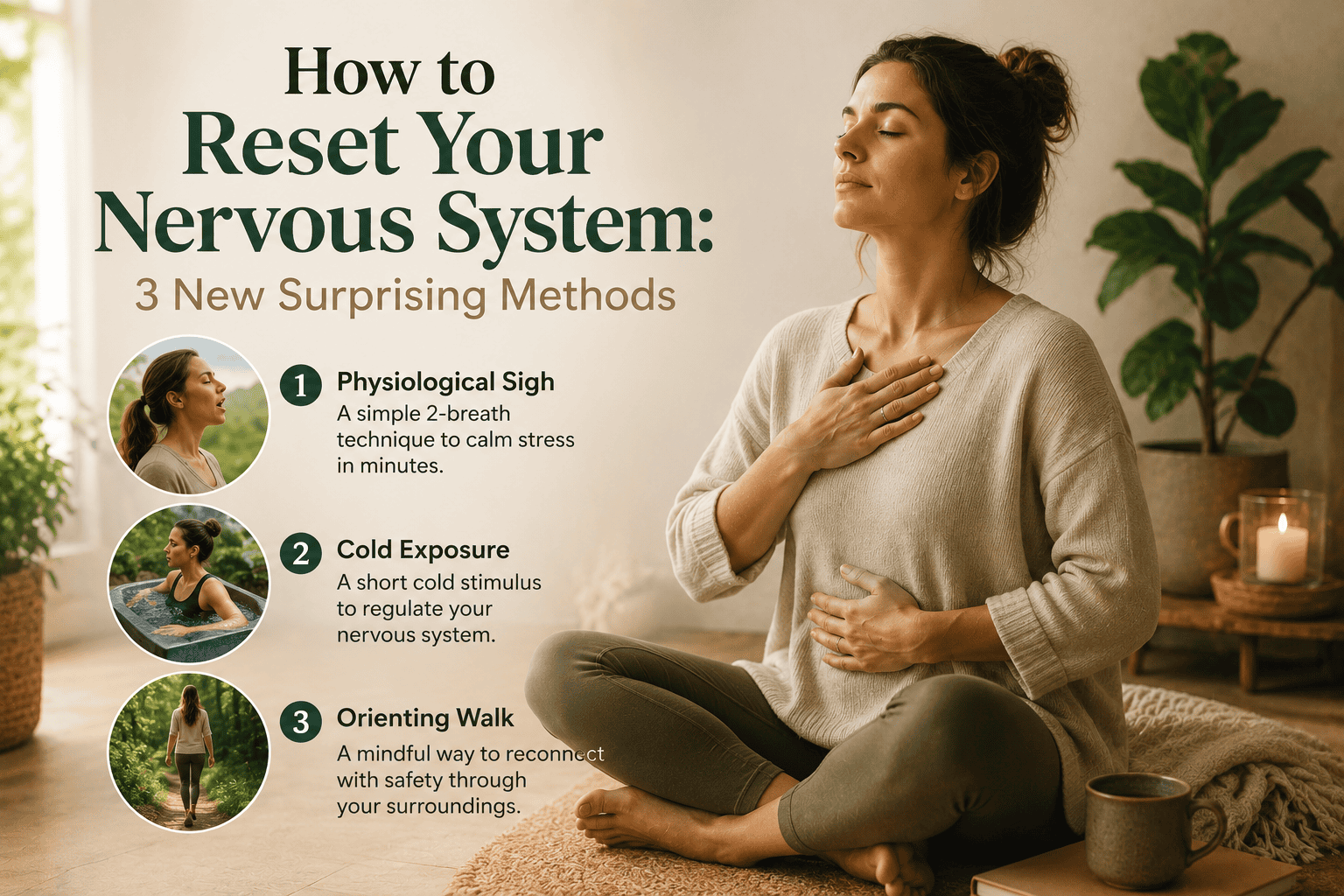
Resetting your nervous system involves calming an overactive stress response and supporting your body’s return to a healthy, balanced state. Proven strategies include intentional breathwork, gentle movement, quality sleep, mindful nutrition, grounding techniques, and limiting daily overload. These steps help restore balance, soothe symptoms, and improve both emotional and physical resilience.
Understanding the Nervous System and Its Importance
The nervous system is the body’s master communication network. It connects the brain, spinal cord, and intricate networks of nerves throughout the body, controlling everything from movement and reflexes to digestion and emotional responses. The autonomic nervous system plays a key role here, with two branches: the sympathetic (fight-or-flight) and parasympathetic (rest-and-digest) systems.
When balanced, these systems allow us to respond quickly to danger, then shift back into a relaxed, restorative state. However, chronic stress, trauma, or ongoing pressure can tilt this balance, putting the body in a near-constant state of alert. As a result, learning how to reset your nervous system becomes central to reclaiming both physical health and calm.
What Causes Dysregulation of the Nervous System?
Dysregulation happens when the nervous system’s natural rhythm is disrupted, leading to persistent fight-or-flight activation or emotional shutdown. Common causes include:
- Chronic stress or burnout at work or home
- Traumatic life events or long-standing emotional distress
- Sleep deprivation or erratic sleep patterns
- Overuse of stimulants (like caffeine) or alcohol
- Ongoing physical illness or pain
- Constant information overload, such as nonstop news updates
All these factors trigger frequent releases of stress hormones like cortisol and adrenaline. Over time, the body can forget how to calm down, creating a “stuck” survival mode[1].
Symptoms and Signs of a Dysregulated or Damaged Nervous System
Recognizing when your nervous system needs a reset is crucial. Signs of a dysregulated nervous system often include:
- Physical: racing heart, tight chest, digestive problems, chronic fatigue, headaches or muscle tension, poor sleep
- Emotional: anxiety, panic attacks, feeling numb, irritability, depression, frequent overwhelm
- Cognitive/Behavioral: brain fog, trouble concentrating, impulsivity, difficulty relaxing, social withdrawal[2]
These symptoms suggest the body is stuck between survival responses, often swinging between anxiety and emotional shutdown.
Why and When to Consider Resetting Your Nervous System
If you experience ongoing tension, poor sleep, emotional numbness, or cycles of anxious energy and exhaustion, your body may be asking for a nervous system reset. Reasons to prioritize this work often include:
- Feeling “fried” or constantly on edge
- Difficulty calming down after stress
- Long-term trauma reminders or chronic stress exposure
- Physical symptoms with no clear medical cause
Resetting your nervous system can help restore a sense of safety, support healing, and make daily challenges more manageable.
How to Reset Your Nervous System: Step-by-Step Guide
How to Reset Your Nervous System Naturally
Natural approaches are often the most sustainable tools for resetting your nervous system. Here are the most research-backed foundations:
- Intentional Breathwork: Deep, slow breathing signals the body that it’s safe, switching off the stress response. Try inhaling for four counts, holding for four, exhaling for six, and pausing for two, repeating several times[1].
- Gentle Movement: Activities like walking, yoga, stretching, or dancing help discharge stress hormones and support balance. Regular, gentle movement is especially helpful if your system feels overwhelmed by intense workouts.
- Grounding Practices: Techniques like the 5-4-3-2-1 method (noticing 5 things you see, 4 you can touch, 3 you hear, 2 you can smell, 1 you can taste) help anchor your attention in the present when anxiety spikes.
- Consistent Sleep: Sticking to regular sleep and wake times supports recovery. Dim lighting, screen-free time before bed, and calming routines make it easier to fall and stay asleep[1].
- Balanced Nutrition: Eat regular meals with protein, complex carbs, and healthy fats. Magnesium-rich foods (greens, nuts) and omega-3s (salmon, flaxseed) help support brain function[1],[2].
- Meaningful Connection: Spending time with supportive friends, family, or pets can co-regulate your system, helping the body remember safety.
- Limiting Overstimulation: Reduce constant news, notifications, and background noise when possible. Small breaks and planned quiet time help your body recover from ongoing alertness.
How to Reset Your Nervous System Quickly
- Breathe intentionally. Try a physiological sigh: two sharp inhales through the nose, one long exhale through the mouth. This pattern quickly calms an activated stress response[3].
- Cold exposure. Splash cold water on your face or hold an ice pack. This can shift the body out of panic and into calm by stimulating the vagus nerve[4].
- Ground your senses. Quickly name items around you using touch or sight attributes. This keeps you anchored to the here and now.
- Release tension. Shake out your hands and arms or bounce on your toes for 30 seconds. This “discharges” stored nervous energy.
Quick resets help restore baseline in moments of overwhelm, especially after stressful calls, meetings, or anxiety spikes.
Long-Term Nervous System Reset Strategies
Sustained changes are often needed for a true nervous system reset. Over weeks and months, the following practices help maintain that calm:
- Regular movement (yoga, swimming, steady walking)
- Therapeutic support, especially somatic therapies, EMDR, or trauma-informed care for those with chronic trauma[2]
- Consistent meditation or mindfulness time, even if brief
- Reducing caffeine and processed foods
- Setting healthy boundaries with technology and relationships
- Tapping techniques, such as EFT (Emotional Freedom Technique), for emotional release
- Connecting with nature each week for at least 20 minutes[3]

Effective Ways to Reset Your Nervous System
Restoring Parasympathetic Nervous System Balance
The parasympathetic system is the body’s main “rest and digest” function. Rebalancing it encourages relaxation, digestion, and healing. Ways to restore this system include:
- Slow, deep exhale breathing (make exhalations longer than inhalations)
- Gentle yoga, tai chi, or stretching routines
- Soothing music, singing, or humming: these all stimulate the vagus nerve, which powers the parasympathetic system[4]
- Guided relaxation or progressive muscle relaxation
- Meditation focused on bodily sensations rather than thoughts
Calming an Overactive Sympathetic Nervous System
When the sympathetic system fires too often, you feel wired, restless, or anxious. Cooling it down can include:
- Pausing before reacting to stressors, like waiting 30 seconds before replying to a message
- Deliberate slow walking, almost at half your normal pace
- Journaling or brief expressive writing about what you’re feeling in your body
- Spending time in green spaces or looking at calming visuals
- Warm baths, calming herbal teas, or aromatherapy
Soothing Techniques for the Nervous System
- “Voo Breathing”: Inhale then hum “vooo” during your exhale. This sends safety signals to the brain’s stress command center[4]
- Self-soothing with warmth: weighted blankets or warm beverages
- Balancing nutrition and hydration: dehydration and sugar swings easily stress your system
- Volunteering or community service: acts of kindness can raise calming oxytocin
- Practice positive memory recall: linger on a happy memory for 20 seconds to retrain your brain’s focus away from threat detection
How to Reset Your Nervous System After Trauma, Stress, or Anxiety
Resetting After Years of Trauma or Chronic Stress
After long-term trauma or relentless stress, the nervous system adapts by staying on defense mode. Resetting may require:
- Working with trauma-informed therapists (EMDR, somatic experiencing, or polyvagal therapy)
- Gentle re-introduction to safe movement and breathwork (little by little, only what feels manageable)
- Building routines that signal safety: consistent meals, sleep, supportive relationships
- Celebrating small progress, as full “reset” may take months of gradual support[2]
Techniques for Nervous System Recovery from Anxiety
- Interrupt anxious ruminations with tactile grounding (hold a textured object, run cool water over your hands)
- Practice calming visualizations: picture a safe place, watch gentle nature videos
- Short, frequent pauses during daily tasks: step outside for a breath, close your eyes, or walk slowly
- CBT (Cognitive Behavioral Therapy) tools to challenge catastrophic thoughts[2]
Rebalancing After Fight or Flight Responses
- Recognize triggers that spark your fight-or-flight response and gently slow your pace (try “slowing down” as a physical cue any time you notice urgency)
- Try releasing built-up tension with shaking, bouncing on your feet, or dynamic stretches
- Mindful body scans: check in with each area of tension, and intentionally relax your muscles
- Connect with someone trustworthy for “co-regulation”—just a calm conversation can quiet hyperarousal
With practice, these actions retrain your body to exit survival mode and return to a calm baseline.
Breathwork can be one of the fastest ways to reset your nervous system, check out:
Conscious Connected Breathwork: My New Obsession in 2026
Neurodynamic Breathwork: My First Unscrupulous Perspective
The Truth About Soma Breath: How to Connect Mind & Spirit
The Truth About Rebirthing Breathwork: My Fearless Journey

Restoring and Strengthening Your Nervous System Long Term
Maintaining Nervous System Health
- Prioritize steady sleep routines (aim for 7–9 hours as your baseline)
- Build unstructured “down time,” even if just five minutes during your day
- Balance strenuous exercise with rest and gentle activity
- Attend regular preventive health appointments to catch and address underlying issues early
Over time, these habits train your system to recover better from life’s stressors[1],[2].
Lifestyle Changes for Ongoing Support
- Reduce caffeine, processed sugars, and emotional dependency on stimulants
- Set boundaries with work, screens, and social demands
- Incorporate regular movement you enjoy, such as swimming, gardening, or team sports
- Seek human and even animal companionship for frequent, supportive connection
- Use journaling, affirmations, or creative activities to process lingering stress
- Practice gratitude by noticing three things that went well each day
All these lifestyle steps help you continue to reset your nervous system from stress and keep it resilient long term.
FAQ: Nervous System Reset Questions Answered
How do I get my nervous system back to normal?
To get your nervous system back to normal, start with daily breathwork, organize restful sleep, eat consistently, move gently, and reduce information overload. Add grounding and connection, and don’t hesitate to talk to a trauma-informed mental health professional if symptoms persist[1],[2].
What are the symptoms of a damaged nervous system?
Symptoms can include chronic tiredness, headaches, poor sleep, digestive problems, anxiety, panic, numbness, inability to concentrate, and emotional detachment. If symptoms are severe or ongoing, consult a doctor to check for medical causes like thyroid disorders or neurological issues[1],[2].
What causes dysregulation of the nervous system?
Most commonly, ongoing stress, trauma, lack of sleep, nutritional imbalances, excessive stimulation, and chronic illness disrupt the nervous system’s balance. Emotional factors like grief or burnout, as well as physical pain, can also be triggers[1],[4].
What to do when your nerves are fried?
- Move to a quiet space and take several slow, deep breaths
- Do a quick grounding exercise (notice sights, sounds, tactile sensations)
- Drink water, eat a nutritious snack, and stretch your body
- Step outside or look at something green/nature-based
- Reach out to a trusted friend or counselor if you need more support
Conclusion: Key Takeaways and Next Steps for Resetting Your Nervous System
Resetting your nervous system is both a science-backed process and an act of personal care. Intentional breathwork, gentle movement, steady sleep, and supportive nutrition are the foundations. Regular grounding, calming rituals, social support, and trauma-sensitive therapies can restore natural balance over time.
If you’re dealing with overwhelming symptoms, remember that progress may come in small steps, and personalized support can make a world of difference. Start with one or two routines—such as slow breathing and steady sleep—then build from there. If needed, seek advice from a qualified healthcare provider. Rebalancing your nervous system is possible, giving your mind and body the reset they need for lasting wellbeing.
References
- Baylor Scott & White Health. How to heal a dysregulated nervous system: 7 tips to feel like yourself again. 2025. https://www.bswhealth.com/blog/how-to-heal-a-dysregulated-nervous-system
- Associated Clinic of Psychology. How to Heal a Dysregulated Nervous System. 2025. https://acp-mn.com/about-acp/blog/how-to-heal-a-dysregulated-nervous-system/
- Hanley-Dafoe R. 7 Small Ways to Reset and Regulate Your Nervous System. Psychology Today. 2025. https://www.psychologytoday.com/us/blog/everyday-resilience/202503/7-small-ways-to-reset-and-regulate-your-nervous-system
- Alaska Behavioral Health. Finding Calm- Tips for Regulating Your Nervous System. 2026. https://alaskabehavioralhealth.org/tips-for-regulating-your-nervous-system/






 Your personalized retreat result