

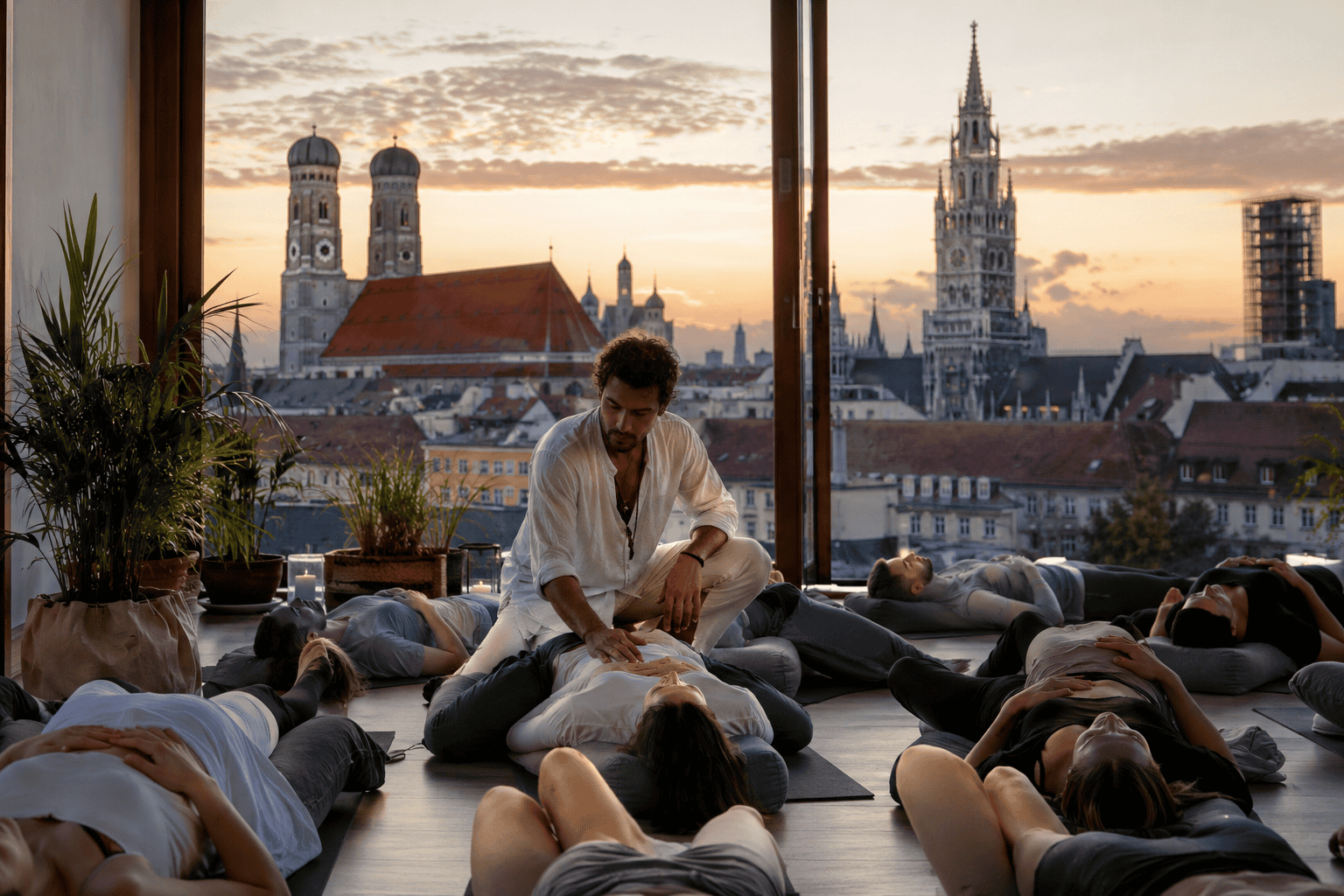
Breathwork in München offer a surprisingly rich tapestry of options for those seeking physical vitality, emotional relief, or simply a new anchor for well-being. Whether you prefer group immersion or intimate one-on-one sessions, Munich’s breathwork scene blends time-honored traditions with modern science to guide people into deeper self-understanding and calm. Sessions typically combine structured breathing practices, intentional facilitation, and guided integration phases, helping people manage stress, process emotion, and support nervous system health—no prior experience required.
Introduction: Why München Is Becoming a Breathwork Destination
The Rise of Breathwork in Munich
Take a stroll through Maxvorstadt or Glockenbach on any weekend, and it’s hard to miss the quiet buzz around wellness events. Over the past decade, breathwork has gone from yoga class warm-up or obscure alternative to main-stage act. Studios and facilitators are popping up across the city, catering to everyone from stressed-out professionals to athletes chasing that edge. Munich’s uniquely international aura, paired with Germany’s growing appetite for evidence-based self-care, has primed the city for a veritable breathwork boom.
What’s most striking isn’t just the growth in numbers. It’s the sheer range of experiences on offer—from Holotropic Breathwork journeys at artist collectives, to somatic workshops led by trauma specialists, to simple group sessions in the English Garden. Rather than a single trend, breathwork in München reflects a mosaic of influences and a community eager for meaningful, practical change.
Why More People Are Exploring Conscious Breathing
The big “why” is never as simple as a TikTok trend or a best-selling self-help book, though both help amplify curiosity. Most participants cite stress, poor sleep, daily overwhelm, and a search for tangible strategies that actually work, rather than empty promises. Unlike some wellness fads, breathwork offers a hands-on route to managing anxiety, emotional blockages, or burnout—at a fraction of the time and cost of traditional therapy.
Researchers and facilitators alike highlight the real-world impact: reduction in anxiety, increased resilience, and the simple relief of feeling more “in your body” after years of disconnect. The shared experience of collective exhale—lungs whooshing in a quiet room—often brings unexpected insights, clarity, and, sometimes, the cathartic release of long-held emotions.
Munich’s Growing Wellness Community
Community sits at the core of Munich’s breathwork renaissance. Sure, the city’s reputation for cold orderliness can seem at odds with deep emotional work. But step into a local breathwork studio and you’ll find something different: safe space, genuine welcome, and people gathering not as anonymous strangers, but as fellow travelers. Studios like Casa C Alma, The Sanctuary, and Session Labs are now community hubs—regulars wave at each other, newcomers get personal check-ins, and group integration circles often stretch late into the evening, fueled by tea and post-session laughter.
Corporate wellness programs now commission lunchtime sessions, while yoga teachers, bodyworkers, and even competitive athletes look to breathwork for an extra layer of resilience. It’s rare to encounter such diversity of age, background, and intention—all united by the simple, intimate act of breathing with intention.
Who This Guide Is For
This guide is for anyone curious about München breathwork classes. Maybe you’re dipping a toe in for the first time, looking for trauma-sensitive care, or chasing peak performance. Maybe you’re a yoga devotee, psychotherapy client, weary expat, or lifelong Münchner: breathwork here is open to all. The studios, facilitators, and classes reviewed below reflect the range of needs and backgrounds found in Munich itself. There’s no “right” entry point, only your own readiness to try something new—and maybe to be surprised by what arises.
Best Breathwork Classes, Studios & Facilitators in München
high balance Breathwork Healing Center by Nicola Rohner
One of Munich’s best-loved centers, high balance by Nicola Rohner specializes in trauma-informed breathwork and holistic healing. Nicola’s reputation for safe, insight-driven facilitation developed through years of international study and local practice. Sessions are typically offered in group and private formats, featuring a blend of conscious connected breath, somatic awareness, and gentle hands-on support. Expect a thoughtfully curated, calm environment suitable for both beginners and those tackling deeper therapeutic aims.
Best for: Nervous system regulation, emotional resilience, trauma-sensitive work.
Standout: Regular workshops on “Atem & Regulation”, plus deep-dive retreats just outside Munich city limits.
Pros: Exceptionally safe container, deeply researched methods.
Cons: Limited last-minute bookings; private sessions fill quickly.
Dominik Neth | Breathwork & Nervous System Regulation Munich
Dominik Neth brings a scientific, no-nonsense approach, informed by cutting-edge nervous system research and extensive facilitator training. His classes attract those looking for more than “wellness”—expect precise explanations and a focus on body-based experience. Techniques include somatic breathwork, functional breathing, and elements of trauma-resolution. Sessions are usually small, with plenty of space for interaction and feedback.
Best for: Professionals, those seeking body-based stress relief, athletes.
Standout: Corporate workshops and practical 1:1 nervous system coaching.
Pros: Rigorous methodology, great for skeptics or the analytically minded.
Cons: Less emphasis on spiritual or expressive practices.
Breathwork mit Miriam Tymiec | Spark Your Fire
If you asked regulars what sets Spark Your Fire apart, you’d likely hear about Miriam’s distinctive blend of compassion, groundedness, and unflinching honesty. Her events, both in-person in Munich and online, range from immersive group journeys (Holosomatic, Transformational, and Psychedelic styles) to trauma-informed private breathing sessions. Clients frequently mention how her careful playlist choices and inquisitive prompts nudge participants not just to feel but to reflect—and integrate new awareness into their lives.
Best for: Emotional clearing, paradigm-shifting insight, newcomers and experienced breathers alike.
Standout: Special events with live music, online classes for busy or remote participants.
Pros: Highly adaptive sessions, strong aftercare focus.
Cons: High demand; group events sometimes book out months in advance.
Breathworkzentrum
The Breathworkzentrum is known for its programmatic approach to functional breathing, capacity building, and mindfulness. Here, it’s less about single cathartic events and more about structured practice—think weekly classes modeled after the latest evidence in breath science, led by certified trainers. Their “Functional Breathing” and “Oxygen Advantage” offerings draw a mix of busy professionals and those seeking to address issues like anxiety, snoring, and overbreathing tendencies.
Best for: Skill-building, ongoing health maintenance.
Standout: Regular progression-based courses, accessible both in-person and online.
Pros: Evidence-driven, affordable multi-class packs.
Cons: Less emphasis on deep emotional exploration.
Luminous Breath & Embodiment
This boutique practice blends conscious connected breath, movement-based somatics, and gentle trauma-release. Luminous Breath & Embodiment leans into creativity—sometimes sessions include elements like intuitive dance, gentle sound healing, or journaling. The aim: not just to breathe, but to inhabit your whole body, release held tension, and reconnect with your intuitive self. People often describe feeling lighter in both body and mind after a session here.
Best for: Movement lovers, creatives, those interested in embodiment.
Standout: Workshops fusing breathwork and expressive arts.
Pros: Highly experiential, playful approach.
Cons: Less structured than traditional classes; may not suit those seeking predictability.
REVYND Studio
REVYND is a newer name gaining rapid popularity in Munich for its modern, design-driven studio space and broad interdisciplinary offerings. Alongside yoga and pilates, REVYND hosts group and private breathwork classes tailored to either relaxation, energy, or emotional release. Their entry-level sessions are especially friendly to newcomers and include clear introductions to both technique and intention.
Best for: Breathwork beginners, holistic wellness seekers.
Standout: Friendly, welcoming studio vibe; frequent group events.
Pros: Diverse schedule, no “woo” required.
Cons: Breathwork may be secondary to main yoga/pilates focus for some classes.
Studio numi Glockenbach
Studio numi is known for its energetic, contemporary atmosphere—think “Breath & Move” events using silent disco headphones, blending free movement and guided breath. The focus is often on social connection, group energy, and playful, embodied experience. These outdoor events, especially during summer, draw a stylish crowd eager for lightness and fun in their wellness routines.
Best for: Socializers, urbanites, those wanting relaxation minus intensity.
Standout: Outdoor breathwork sessions with movement, music, and evening sun.
Pros: Unique, energetic vibe; accessible for all levels.
Cons: Less focus on deep therapeutic work.
HOLD SPACE
What distinguishes HOLD SPACE is its strong commitment to providing trauma-informed facilitation in a minimal, heartfelt setting. Expect smaller groups and a hefty emphasis on consent, participant choice, and titration (gradual introduction of intensity). This is especially valuable for people with histories of overwhelm or emotional sensitivity. The studio also regularly collaborates with therapists and adjunct modalities, creating a well-rounded care environment.
Best for: Trauma-sensitive participants, newcomers needing extra support.
Standout: Regular integration circles and facilitated sharing.
Pros: Exceptionally safe, supported atmosphere.
Cons: Smaller class sizes can mean waiting lists.
Studio At Peace
This tranquil space goes for the less-is-more approach: soft lighting, a calm, uncluttered setting, and facilitators trained in mindfulness and functional breathing. Classes range from relaxation-focused breathwork to gentle “breath and sound” journeys. The intention isn’t transformation through intensity, but restoration and nervous system reset, making At Peace a favorite among exhausted parents and busy city dwellers.
Best for: Deep restorative relaxation, nervous system reset.
Standout: Slow-paced classes, beginner friendly.
Pros: Predictable, calming experience; easy online reservation.
Cons: May feel too gentle for those seeking profound change.
Sound Healing, Breathwork, Reiki | Irina Sterna
Irina’s sessions fuse breathwork with reiki and sound healing, creating a truly multi-sensory experience. Expect waves of singing bowls, soft chimes, and layers of breath designed to unlock deeper bodily awareness and emotional openness. Many describe her classes as “journeys”—a guided travel through sensation, memory, and the subtle interplay of body and mind. Sessions can be booked privately or through regular seasonal events.
Best for: People seeking energetic work, sound lovers, creative professionals.
Standout: Seasonal workshops with sound baths, group energy work.
Pros: Strong integration of multiple healing modalities.
Cons: More esoteric than strictly scientific approaches.
The Sanctuary
With two convenient locations in Maxvorstadt and Schwabing, The Sanctuary has rapidly carved a niche as one of Munich’s most welcoming multi-modality studios. Alongside yoga and massage, drop-in breathwork sessions are available several times a week—each designed with ample time for settling in, guided breathing, and closing integration. Participants regularly mention feeling welcome, whether dropping in for one session or returning weekly to join the “breathwork family.”
Best for: Anyone wanting a consistent, communal experience in a modern but warm environment.
Standout: Special events featuring guest facilitators and extra-long integration periods.
Pros: Reliable class schedule, top-notch reviews.
Cons: Group-focused; private sessions limited.
mind body concept
The mind body concept collective takes a pragmatic route: functional breathwork, mindfulness, and nervous system education rooted in psychology and physiology. Regular weekly classes provide structure for those wanting to build or maintain a steady practice. Workshops add layers of “why” and “how,” helping participants make sense of breathwork’s place in personal development and well-being.
Best for: Routine seekers, lifelong learners, skeptics.
Standout: Combo classes merging mindfulness, movement, and breath.
Pros: Practical, accessible framework; low commitment required.
Cons: Less emotional depth compared to expressive modalities.
Traum München
Traum München fuses classic yoga, conscious breath, and body-based therapy for a distinctly holistic experience. Regular “Mindful Mondays” and small group workshops help bridge talk therapy concepts with embodied practice. The facilitators’ backgrounds in movement and dialogues around trauma make this a space where self-inquiry, movement, and support meet in practical, everyday ways.
Best for: Mind-body integration, those combining therapy with breathwork.
Standout: Themed evening journeys (e.g., inner child, gratitude, boundaries).
Pros: Interdisciplinary care, approachable teachers.
Cons: Seasonal schedules can be sporadic.
HERSPACE
HerSpace caters primarily to women, gender-expansive, and LGBTQIA+ clients, offering breathwork alongside circles for self-inquiry, voice, and emotional release. The vibe is intimate, welcoming, and intentionally nonhierarchical. Workshops prioritize group trust, and the energy is often described as “like coming home.” HERSPACE is a natural fit for those seeking authenticity and belonging through breath and body connection.
Best for: Women and gender-expansive individuals, community seekers.
Standout: Intersectional focus, group emotional sharing.
Pros: Highly inclusive, strong repeat community.
Cons: Limited scale; men-only events rare.
Session Labs
Session Labs brings a creative twist to breathwork, regularly combining conscious breathing with live sound, art therapy, and movement improvisation. These events attract a diverse crowd, many dipping in for the novelty but returning for the unexpectedly profound bodily shifts. With a focus on play and experimentation, Session Labs demystifies breathwork while revealing its potential for unlocking creativity.
Best for: Artists, experimenters, the curious.
Standout: Multi-modal events; out-of-the-box approaches.
Pros: Dynamic atmosphere; accessible even to non-wellness types.
Cons: Unpredictable session themes; less routine-based.
CASA C ALMA
Casa C Alma offers some of the city’s highest-rated breathwork classes, with an emphasis on gentle community connection and self-inquiry. Their “Breathe & Connect” sessions weave group breathing techniques with guided questions, helping people reconnect to each other and themselves through simple, heartful practice. The studio’s atmosphere—soft lights, plants in the window, gentle music—draws a dedicated base of repeat participants.
Best for: Connecting, gentle regulation, emotional sharing.
Standout: Thoughtful facilitation of peer-to-peer sharing.
Pros: Deeply welcoming culture; beginner-friendly prices.
Cons: Less focused on advanced or athletic applications.
DENK MAL LAUT Studio
Think of DENK MAL LAUT as the intersection of yoga, breathwork, and contemporary wellness, all wrapped in a lively, energetic setting. The regular “Yoga & Atemreise” sessions always pair movement with breath, gently preparing participants before progressing to deeper breathing phases. The studio has earned praise for clear, structured instruction and for creating a modern space that feels both comfortable and inspiring.
Best for: Yoga lovers ready to try breathwork.
Standout: Regular integration of breath and beginner-level movement.
Pros: Great introduction for newbies; clear frameworks.
Cons: Larger class sizes; less personalized.
Darkmode Experience
Darkmode Experience (at SOMOS, Dein Safespace München Sendling) has carved out a niche for those craving immersive, sensory-friendly sessions. Dimmed lights, noise-cancelling headphones, and blindfolds create an immediate cocoon, guiding participants inward. The approach: block out the world, feel every breath, and allow the nervous system to settle in novel ways. Sessions oscillate between gentle flow and powerful breath releases, with integration time baked into every class.
Best for: Overstimulated city-dwellers, sensory seekers, introverts.
Standout: Use of audio-visual “darkmode” tools to focus the mind.
Pros: Deep inward focus, protective atmosphere.
Cons: Not recommended for those uncomfortable in darkness or with sensory processing issues.
Karely Breathwork
Karely Breathwork’s signature is energetic release. Sessions here feature live facilitation, headphones, and eye masks—creating space for dropping defenses and letting go of mental chatter. Described by participants as “wave-like,” the classes are designed to build energy, crest with release, and return to calm. Many find Karely’s approach motivating for weight loss and emotional reset. Think: full-body recharge, minus traditional talk therapy.
Best for: Energetic breakthroughs, personal motivation, stress “reset.”
Standout: Consistent focus on release, not just relaxation.
Pros: Highly immersive; energetic pace suits action-oriented types.
Cons: Intensity may overwhelm new practitioners.
The Portal
The Portal is both a literal and metaphorical gateway: part studio, part networking space, and part think tank. Classes often intersect breathwork with cutting-edge neuroscience, creativity, or business workshops. The Portal’s monthly themed journeys attract those who appreciate both theory and practice, and who want to connect their breath to “real world” change—at work, in relationships, or in personal development projects.
Best for: Professionals, change-makers, seekers of self-development with context.
Standout: Regular “breath + business/creativity” fusion events.
Pros: Real-world linkage, regular community mixers.
Cons: May be too cerebral or structured for some.
Brave Space Munich
Brave Space, true to its name, welcomes those ready to engage honestly with their inner worlds. Events here tackle topics like “inner child,” boundaries, or authentic self-expression, pairing thematic inquiry with conscious breath techniques. The space is intentionally intimate, usually capped at small numbers to ensure everyone is seen and heard. The facilitators’ backgrounds in somatic therapy and coaching bring an extra layer of depth to the experience.
Best for: Deep emotional work, personal transformation, the vulnerable and the brave.
Standout: Thematic workshops, integrated coaching support.
Pros: Profound community feel, strong aftercare support.
Cons: Small capacity; advance booking necessary.

What Is Breathwork?
Definition of Breathwork
Breathwork is an umbrella term for practices that use conscious, intentional breathing patterns to affect mental, emotional, and physical well-being. Unlike the automatic, unconscious breathing that sustains life, breathwork involves focused exercises, often led by trained facilitators, to tap into the body’s innate systems for calming the mind, releasing emotion, or even enhancing physical energy. From “conscious connected breathing” to structured methods like Buteyko and Wim Hof, the field is surprisingly diverse.[1]
How Conscious Breathing Works
At its core, conscious breathing flips the switch from autopilot to intentional. By changing the rhythm, depth, or style of inhalation and exhalation, people can affect the balance of oxygen and carbon dioxide, stimulate the vagus nerve, and trigger physiological shifts—like moving from the stress-driven fight-or-flight mode to the deeply restorative parasympathetic state. In practice, this often feels like moving from tension to relaxation, agitation to calm, or dullness to alert presence. Facilitators typically guide participants to notice not just the breath, but how shifting patterns can make space for sensation, emotion, and new insight.
The Science Behind Breathwork
Science has caught up with what ancient traditions always suggested: the breath is a powerful lever. Studies show breathwork can lower cortisol (the main stress hormone), moderate heart rate variability, and induce neurological states akin to meditation or “flow.”[2] Certain styles—like slow, diaphragmatic breathing or structured retention patterns—influence brain circuits responsible for focus, pain management, and emotional processing. The interplay between breath, the autonomic nervous system, and cognitive states is now a hot topic in medical and psychological research, making breathwork a rare case of “old wisdom meets new evidence.”
Breathwork and the Nervous System
The nervous system loves rhythm and pattern. Functional breathing teachers point to how slow, nasal, and diaphragm-driven breath signals “safety” to the body, dialing down the stress response and turning up resources for healing, digestion, and clear thinking. On the flip side, faster or more intense patterns (as found in Holotropic or Transformational Breathwork) can gently disrupt habitual holding patterns—releasing old emotion or encouraging catharsis. In both cases, breath is the bridge: a voluntary act that instantly influences involuntary systems.
Why Breathwork Is Becoming So Popular
The buzz around breathwork stems from its accessibility, adaptability, and—unlike some wellness styles—a noticeable impact after even a single session. In a city like München, with sky-high work stress and no shortage of high-achievers, the promise of something that helps you shift how you feel in real time is no small draw. Breathwork’s blend of simplicity (no expensive gadgets, no years of training required) and depth (emotional, physical, spiritual benefits) means people of all stripes can find value, whether seeking subtle relief or profound transformation.[3]
Benefits of Breathwork
Reduce Stress and Anxiety
People often turn to breathwork for immediate relief from the low-grade stress that comes with modern living. Fresh research and countless testimonials confirm what practitioners intuitively sense: shifting breathing patterns downregulates the body’s alarm systems, decreasing symptoms of anxiety and producing a calm clarity that’s both grounding and energizing.[4] As one Munich corporate client put it after a lunchtime session, “It’s like hitting the reset button in the middle of chaos.”
Emotional Release
Here’s where it gets interesting. Many participants come expecting to breathe, but find themselves laughing, crying, or experiencing vivid memories. Facilitators describe breathwork as “active meditation,” a practice that opens the stored emotional closets most people keep tightly shut. In Munich, trauma-informed classes have become a haven for those looking to process the emotional “stuff” therapy alone can’t always reach. It’s not uncommon to see a roomful of adults, eyes closed, tears streaming—as the breath helps them soften and release what needed to be faced all along.
Better Sleep
Breathwork’s impact on sleep is more common than you might guess. People often report deeper, more restful sleep on nights after guided sessions. The physiological explanation? When the nervous system is shifted away from “fight-or-flight,” nightly rumination lessens, making it easier to unwind and drop into sleep. Some facilitators even design “night time breath” practices tailored to those struggling with racing thoughts or insomnia, helping users transition from the day’s bustle to real rest.
Increased Energy
Paradoxically, breathwork can be both calming and energizing. Fast-paced modalities (like Wim Hof or more activated Transformational Breathwork) ramp up oxygenation and release endorphins, giving people a sense of post-session zest often described as a “gentle buzz”—refreshed but not frantically wired. Athletes, entrepreneurs, and anyone in peak-performance circles cite energy and motivation as major benefits; some arrive drained, only to leave ready to tackle pending projects with new zeal.
Improved Mental Clarity
There’s a reason breathwork is now a staple in creative and executive circles. The simple act of bringing conscious attention to breath often silences mental noise and sharpens focus. Teachers report participants emerging from sessions with enhanced memory, faster reaction times, and the kind of problem-solving clarity that’s hard to achieve by willpower alone. People often say, “It’s like the mental fog finally lifted.”
Nervous System Regulation
If “regulation” sounds technical, the lived reality is a sense of being less tossed about by daily stress. Nervous system regulation—which breathwork excels at—means greater resilience, a steadier mood, and improved ability to meet challenges without immediate overwhelm. Techniques are especially helpful for those with histories of trauma or chronic anxiety, giving people practical tools to support healing beyond talk-based methods.[5]
Trauma Integration
This is one of breathwork’s most sensitive areas—and one that Munich’s most reputable facilitators handle with care. Breathwork, when guided within a trauma-informed framework, can help people process and “metabolize” experiences that otherwise remain stuck in the body and psyche. Many describe a gentle unfolding, as old wounds soften and new perspectives arise. As one facilitator notes, “We don’t get traumatized because we feel too much. We get traumatized because we feel alone with what we feel.” Breathwork, done in a supportive group, challenges that isolation.
Personal Growth
Regulars often say breathwork isn’t just a wellness “hack”—it’s a tool for authentic, often uncomfortable, growth. Group sharing, deep introspection, and the gentle realization that you can change how you feel and respond, just by shifting your breath, builds self-efficacy. Over time, these positive experiences accumulate, fostering new habits and helping people feel more in charge of their own journeys.
Athletic Performance
Elite athletes and everyday fitness enthusiasts alike use breathwork to extend stamina, quicken recovery, and sharpen focus. Practices like Oxygen Advantage and Buteyko Method specifically target CO2 tolerance, nasal breathing, and efficient oxygen use. Munich’s breathwork community includes Olympic-level clients, and testimonials routinely cite marked improvements in training and competition—even from seasoned pros who “never thought much about breath.”
Burnout Recovery
Let’s not sugarcoat it: burnout is endemic among Munich’s professionals. Breathwork stands out as a practical, body-based antidote for exhaustion that doesn’t require talking through every problem, nor just “powering through.” The restorative effects of group breath, combined with structured integration, have helped many step back from the precipice, restoring baseline energy and revealing a sense of possibility where only fatigue had lingered.
Different Types of Breathwork Available in München
Conscious Connected Breathwork
This flagship modality is a favorite among Munich’s top studios. The hallmark: a circular breath without pause between inhale and exhale, usually performed lying down, eyes closed. Practitioners guide participants to breathe through physical or emotional discomfort, unlocking both energy and buried feelings. Most group sessions and deep-dive workshops prominently feature this style—and it’s particularly valued for its potential to bring rapid transformation in a safe setting.[6]
Somatic Breathwork
Somatic breathwork layers movement, touch, and body-based awareness onto breathing patterns. By attending to sensation—vibration, heat, or even subtle tingles—participants gain direct access to emotions and memories stored outside conscious thought. Munich facilitators often combine somatic techniques with trauma-informed guidance, allowing people to gently expand their capacity to feel and process.
Trauma-Informed Breathwork
Not all breathwork is trauma-informed. The best Munich sessions include explicit consent, pacing, and flexible approaches that adjust in real time to participants’ needs. Facilitators often blend slow, titrated breathing with pause points to prevent overwhelm. The aim is not catharsis simply for its own sake, but true integration—helping people reclaim agency in managing triggers and reactivity.
Holotropic Breathwork
Inspired by Stanislav Grof’s groundbreaking work, Holotropic Breathwork uses accelerated circular breathing, set to evocative music, to induce non-ordinary states of consciousness. In Munich, certified Holotropic facilitators often host full or half-day immersions, pairing intensive breathwork with group integration and bodywork. Experiences range from vivid imagery to emotional breakthroughs, and safety protocols are strictly observed.[7]
Rebirthing Breathwork
This technique shares roots with conscious connected breath, but tends to emphasize gentle, flowing patterns over sustained activation. Rebirthing breathwork sessions, sometimes available at boutique studios, focus on clearing early-life imprints and beliefs, working toward a sense of rebirth or release from limiting narratives. The approach is typically soft, nurturing, and guided by facilitators trained in birth psychology.
Transformational Breathwork
Transformational breath pulls from the strengths of connected breathwork but integrates specific affirmations, sound, and body mapping. The goal is systemic: not just emotional release, but ongoing change in how people relate to themselves, stress, and others. Transformation is a word thrown around too freely, perhaps, but in these sessions, most report a palpable shift long after the final exhale.
Functional Breathing
This evidence-based school focuses on the “mechanics” of efficient, health-promoting breathing. Techniques prioritize nose breathing, diaphragmatic engagement, and slower rhythms—building resilience, reducing overbreathing, and supporting metabolic health. Functional breathwork forms the backbone of daily “maintenance” routines for wellness clients, athletes, and anyone seeking reliable, incremental benefit without the fireworks of cathartic release.
Coherent Breathing
Coherent breathing invites participants to synchronize breath rate (typically around five breaths per minute), often with gentle sound cues or counting. This induces rhythmic, balanced autonomic states—ideal for stress recovery and gentle nervous system retuning. Many studios in Munich offer “coherence” sessions, sometimes coupling heart rate monitors or biofeedback for measurable progress.
Oxygen Advantage
Developed by Patrick McKeown, Oxygen Advantage is a clinical, performance-based system focused on high CO2 tolerance, slow nasal breathing, and specific exercises (like breath holds and “reduced breathing”). Munich’s performance clinics and advanced recreational classes use this approach to improve athletic output, endurance, and even cognitive sharpness.
Buteyko Breathing
The Buteyko Method aims to correct chronic overbreathing and restore healthy respiratory chemistry. Session content often includes nose breathing drills, breath holds, and paced breathing to support asthma management, sleep, and anxiety reduction. Munich hosts recurring Buteyko workshops, especially for those with respiratory challenges.
Wim Hof Method
A crowd favorite, the Wim Hof Method merges bouts of intense hyperventilation, breath retentions, and cold exposure. The allure is as much communal as it is biological. Munich’s periodic Wim Hof events are high-energy affairs—big groups, ice baths, and lots of collective celebration. Not everyone loves the intensity, but few leave unmoved by the sense of “I didn’t know I could do that.”
Pranayama
Rooted in yogic tradition, pranayama practice includes an array of controlled, often rhythmic, breath techniques (like Ujjayi, Nadi Shodhana, or Kapalabhati). Many Munich yoga studios integrate pranayama into their classes, either as a gentle warm-up or as a stand-alone practice. The focus: bringing breath, mind, and body into greater alignment, supporting sustained calm and mental sharpness.
Best Breathwork Studios in München
Dedicated Breathwork Centres
München now boasts several stand-alone breathwork studios: high balance, Breathworkzentrum, and select community spaces like The Sanctuary. These venues focus exclusively on breath-based practices—often featuring walls lined with calming art, quiet nooks for pre-session reflection, and facilitators active in ongoing training. Expect a sense of “home base” for the curious and committed alike.
Yoga Studios Offering Breathwork
Yoga studios remain a major point of entry for breathwork in Munich. Studios like Studio numi, DENK MAL LAUT, and Traum München routinely fold breathwork segments into their regular classes, and some host regular stand-alone breathwork events. The blend of movement, breath, and philosophy creates a gentle starting point, especially for those with an established yoga routine.
Meditation Centres
Meditation hubs such as Casa C Alma and mind body concept regularly enhance their mindfulness offerings with breathwork workshops or sessions. The integration of focused attention, conscious breathing, and gentle inquiry allows participants to deepen their practice, often transitioning seamlessly from breath into contemplative silence.
Wellness Clinics
Performance-oriented clinics and private therapists specializing in trauma or nervous system regulation (like those at Breathworkzentrum) integrate breathwork as both standalone intervention and adjunct to other therapeutic modalities. These clinics tend to track outcomes more formally and may use breathwork as a tool within larger health plans.
Boutique Healing Spaces
Boutique spots—Luminous Breath, HERSPACE, Sound Healing with Irina Sterna—offer curated small-group or private experiences. These intimate venues often blend breath with music, somatic movement, or expressive arts, prioritizing safe exploration and creative integration. Many of these spaces book up quickly, with sessions often featuring follow-up support or peer-to-peer sharing circles.
Breathwork Retreats Near München
Weekend Breathwork Retreats
Just outside the city, Munich’s retreat scene is thriving. Weekend events blend guided breathwork, integration circles, and free time for reflection or hikes. Facilitators from top studios—high balance, Spark Your Fire, HERSPACE—often co-host, ensuring a balance of depth and approachability. These retreats can be life-affirming “mini sabbaticals,” giving people a true break from urban routine and a fresh perspective to bring home.
Alpine Wellness Retreats
The proximity of the Alps brings an undeniable magic. Alpine breathwork retreats combine mountain air, stunning vistas, and deep breathing sessions. Groups often stay in renovated farmhouses or wellness hotels, enjoying both structure and ample opportunity for solo contemplation. It’s no wonder attendees remark on the clarity that comes when each inhale tastes of pine and high-altitude quiet.
Breathwork & Yoga Retreats
Many retreat organizers mix classic yoga vinyasas with dedicated breathwork blocks, allowing participants to move, breathe, and rest in equal measure. These dual-discipline weekends often cater to all levels, using the synergy of movement and breath to support physical and emotional reset. A popular option for those new to intensive breathwork, as yoga helps ease into deeper states gently.
Breathwork & Sound Healing Retreats
Imagine breathwork layered with live sound—the resonance of gongs, Tibetan bowls, or intuitive voice creating a web of support. Sound healing retreats marry these forms to powerful effect, producing deep relaxation and vivid sensory experience. Facilitators carefully orchestrate each session to synchronize breath, music, and intention for a unified journey that people describe as “otherworldly.”
Silent & Breathwork Retreats
For those craving deep introspection, silent breathwork retreats set aside words for a powerful day or weekend of inward focus. Participants alternate between facilitated breathwork, silent rest periods, and meditative walking. In Munich’s fast-paced, overstimulated culture, this counterpoint is sometimes described as “the deepest reset of the year.”
Forest Retreats in Bavaria
The woodlands of Bavaria—less than an hour’s drive from Munich—host several annual breathwork retreats. Groups gather in converted seminar houses or eco-lodges, blending conscious breathing with forest bathing, nature walks, and sometimes even cooking or creative workshops. Here, the breath is both method and metaphor: a return to simplicity, rootedness, and connection with the living world.
Breathwork Workshops in München
Beginner Workshops
Beginner-friendly workshops are everywhere—in studios, clinics, even corporate conference rooms. These sessions prioritize safety, clear instruction, and leave ample time for questions. Facilitators pace the experience gently, giving a taste of conscious breathing that’s digestible but impactful. Popular intro classes include “Breathwork Basics,” “Functional Breathing for Stress,” and “Conscious Connected Breath for Beginners.”
Weekend Intensives
For those ready to immerse, weekend intensives provide 6–12 hours of group practice, theory, and integration. These events are intentionally structured to deepen experience: expect extended breathing phases, partner work, and often some form of artistic integration (journaling, drawing, or movement). They tend to attract people at transition points—career changes, post-divorce, or emerging from burnout.
Community Breathwork Events
München’s community scene thrives on accessible, pay-what-you-can events, sometimes hosted in parks, private homes, or even museums during special events. These gatherings—often labeled “Breathe & Connect” or “Collective Exhale”—emphasize shared experience over technical perfection. It’s not unusual to see a mix of students, retirees, and busy professionals swapping stories over tea long after the formal session ends.
Corporate Wellness Programs
The corporate world has caught on. More and more companies are booking in-house breathwork classes for stress management, creative ideation, or resiliency training. Trainers tailor sessions to tight schedules (30–45 minutes), with a focus on quick tools employees can bring back to their desks. Anecdotally, some HR managers say breathwork classes have become as standard as yoga or mindfulness breaks—no surprise, given the steady climb in corporate burnout rates.
Private Group Sessions
For birthdays, bachelorette parties, or self-care gatherings, private group sessions are increasingly requested. Facilitators bring depth and flexibility, adapting the experience for the group’s intention—whether that’s pure relaxation, deep inquiry, or just a unique shared memory. Many report these intimate explorations are among their favorite formats, as group trust grows quickly and insights can echo long after the session has ended.
Breathwork Prices in München
Group Classes
As of 2026, group breathwork classes in Munich usually range from €12 to €25 per session, depending on length, studio, and teacher experience. Multi-class packs or memberships are available at some locations, lowering per-class prices for regulars. Many studios offer “newcomer” deals or sliding-scale events—especially community-focused venues like Casa C Alma and The Sanctuary.[8]
Private Sessions
Private or one-on-one breathwork is a premium service, typically costing between €60 and €120 per session. These sessions allow for fully individualized pacing, adaptations for trauma or health concerns, and deeper conversational integration. Some facilitators require booking blocks of multiple sessions for lasting benefit.
Workshops
Workshop pricing is highly variable: short introductions start at around €15, while longer intensives (2–3 hours) are commonly €30–€80. Special events with guest facilitators or live music can reach €100 and up, especially with extras like sound healing or bodywork included.
Weekend Retreats
Expect retreat prices to start at €250 for a basic weekend (excluding accommodation) and rise to €600+ for inclusive packages with food, lodging, and supplementary activities. Alpine and forest retreats typically include group transport from Munich.
Facilitator Training
Facilitator certification courses are a bigger commitment—running from €1,500 for short-format local courses up to €4,000–€5,000 for international, ICF/ABP-accredited programs featuring several weekends and online modules. Most local studios offer at least annual beginner teacher trainings, with well-established names like high balance and Breathworkzentrum drawing global participants.
What Happens During a Breathwork Session?
Arrival and Intention Setting
Most sessions start quietly: a welcome, a chance to land, often with the soft rustle of mats and blankets, herbal tea in hand, and a roomful of gentle anticipation. Facilitators set the tone with an invitation to state or contemplate a personal intention. Some use a shared circle or written prompt; others let the silence speak. Across studios, there’s a nearly universal understanding that “why you’re here matters”—whether it’s for healing, curiosity, or simple pause.
Guided Breathing Practice
The main event: a structured breathing sequence, often introduced with clear guidance on rhythm, style, and safety. Clients settle in—lying down, sitting, sometimes blindfolded or with headphones. Facilitators cue breath pace, suggest hand positions, and help people navigate blocks or discomfort. Music may match the breath’s tempo—intensifying and then softening—or remain ambient and subtle. Time expands; most are surprised at how quickly a 45 or 60-minute practice seems to pass once the rational mind quiets.
Music and Facilitation
Music is more than backdrop—it’s an active partner in many breathwork sessions around Munich. Carefully curated playlists follow the arc of the session, sustaining energy or inviting gentle release. Facilitators may use spoken word, subtle touch (with consent), or even live instruments to deepen experience. The intention is gentle attunement, ensuring each participant feels both guided and in charge of their own pace.
Emotional Release
Emotions can course through a room like summer thunder. It’s not dramatic for drama’s sake; rather, the breath reveals what’s beneath the day-to-day “okay.” Laughter, sighs, even tears sometimes emerge. Skilled facilitators hold the space, normalizing emotion without rush or analysis, and helping people return to calm. Some sessions include moments set aside for collective sharing, while others keep the process quietly personal.
Integration
Integration is the unheralded hero of modern breathwork. After breathing, participants are guided into gentle rest—lying down, eyes closed, letting the experience “settle.” This is when the mind begins to make sense of new sensations, emotions, or insights. Some classes include journaling, group reflection, or meditation to support integration, making sure that the session’s benefits travel beyond the studio walls.
Aftercare
Participants are normally encouraged not to rush: drink water, rest, avoid stimulating activity. Follow-up resources—guided meditations, peer groups, suggested home practices—are often shared. It’s considered both good etiquette and sound practice in Munich’s breathwork scene for facilitators to check in with participants after particularly deep or challenging sessions, ensuring support extends beyond those four walls.

What Does Breathwork Feel Like?
Physical Sensations
Breathwork sensations can range from tingling hands and light-headedness to deep muscle relaxation and a gentle, floating warmth. Some describe a “buzzy” energy or short episodes of shaking as old tension releases. The room noise shifts, too—from the steady sound of collective breathing to the occasional giggle or exhale of relief.
Emotional Experiences
Emotion is often both expected and surprising. Some people arrive stoic—walk in, lie down, and suddenly find themselves awash in old sadness, unexpected joy, or flashes of insight bubbling up unbidden. As one Munich participant described after a group session: “I thought I’d just relax, but I ended up crying and laughing, and it felt like the lid finally came off the jar.”
Mental Clarity
Often reported as a kind of “mental reset,” breathwork can bring a sharp focus that lingers: colors seem brighter, tasks feel simpler, even traffic on the ride home becomes less aggravating. Not unlike post-meditation calm, there’s a window when the world is softer, perspectives shift, and habitual worries temporarily lose their grip.
Spiritual Insights
While not everyone comes to breathwork for spiritual exploration, many encounter moments of quiet awe, connection, or even guidance. Whether that’s a felt sense of being “more than the sum of your parts” or just a deep, silent gratitude, it’s a dimension hard to capture in words or quantify in data. It’s not uncommon for people to report sudden clarity about life questions or hear their own inner wisdom for the first time in years.
Why Every Session Is Different
Breathwork never repeats itself exactly. Variables abound: mood, intention, facilitator, group energy, life circumstances. Two sessions can feel worlds apart—even for a seasoned participant. Facilitators emphasize the value of curiosity over expectation; every session is a fresh meeting with yourself, and whatever comes up is simply what’s ready to move or rest.
Is Breathwork Safe?
Common Side Effects
Most people walk away from a breathwork class feeling calmer, lighter, and more present. Yet minor side effects, while generally brief, can include tingling in fingers or lips, lightheadedness, and an “emotional hangover”—marked by fatigue or tearfulness. These are typically the body discharging tension or recalibrating after a strong physiological shift. Experienced facilitators always advise taking it easy after intense sessions.
Who Should Avoid Breathwork
Some people are advised to either seek medical advice or avoid certain forms of breathwork altogether, especially those with heart conditions, uncontrolled hypertension, epilepsy, severe psychiatric issues, or pregnancy (for particular modalities). Trauma survivors or those with a history of panic attacks may need extra support and slower pacing, preferably with trauma-informed facilitators. As always, when in doubt, ask before booking.
Medical Conditions to Consider
People with respiratory conditions (like asthma or COPD), recent surgeries, or chronic illnesses should discuss options with both breathwork teachers and their primary healthcare providers before participating. In Munich, many facilitators request a health screening at registration and adapt practice accordingly. Responsible studios make clear up front what is (and isn’t) within their scope—respecting boundaries ensures everyone remains safe.
Editor-verified: Medical screening should always precede more intensive breathwork styles.
Choosing a Qualified Facilitator
Certification alone doesn’t tell the whole story, but it’s a good starting point. Look for teachers affiliated with reputable bodies (like Applied Breathwork Professional or major international accreditation associations), with ongoing supervision and solid testimonials. The best facilitators are transparent about style, contraindications, and aftercare support. In Munich, word of mouth remains a strong indicator; positive participant reviews and reputation in the local community matter a lot more than glossy marketing material.
Breathwork vs Other Wellness Practices
Breathwork vs Meditation
Meditation emphasizes passive observation, gently noticing thoughts and feelings as they arise. Breathwork, by contrast, is inherently active. Changing the breath becomes a lever for shifting emotions and body states in real time. Many participants find breathwork breaks through mental chatter more quickly; others prefer the slower, cumulative effect of meditation.
Breathwork vs Yoga
While yoga and breathwork often overlap (pranayama is a pillar of classical yoga), standalone breathwork is more focused, sometimes more intense, and accessible in any setting—no mat required. Yoga’s blend of movement and breath has its own set of impacts, and many in Munich use both for complementary effect, finding that conscious breath amplifies the benefits of their movement practice and vice versa.
Breathwork vs Cold Exposure
Wim Hof Method is the poster-child for this intersection, merging controlled breathing and cold immersion for physiological impact. The synergy between the two is real—cold sharpens focus, breathwork manages the stress response, and together they foster resilience. Yet cold exposure calls for careful supervision, while basic breathwork is safer and more widely accessible on its own.
Breathwork vs Sound Healing
Sound healing uses frequency, tone, and resonance to directly impact the nervous system and emotional state. Many Munich studios now pair sound and breathwork; in practice, sound can amplify the depth and variety of experiences unlocked by the breath. Still, breathwork is more participatory, requiring effort and focus, while sound healing asks only that you receive and rest.
Breathwork vs Therapy
Therapy typically emphasizes verbal exploration, reflection, and cognitive healing, while breathwork is a body-based intervention. The two are often combined in trauma recovery, as conscious breathing “runs ahead” of words, helping integrate experiences stored at a bodily level. Many Munich facilitators collaborate closely with local therapists to bridge these domains. Ultimately, neither is a complete answer alone; together, they form a powerful tool for self-discovery and healing.
How to Choose the Best Breathwork Experience in München
Clarify Your Goals
Start with what you’re seeking. Want stress relief, emotional clearing, or athletic enhancement? Stuck in therapy and need a new layer? Knowing your aims helps filter the dozens of breathwork classes München now offers—whether it’s functional breathing for gradual change, or intensive Holotropic work for breakthrough moments.
Choose the Right Breathwork Style
Not every modality fits every moment. Beginners might lean toward gentle functional or coherent breathing, those craving challenge toward Transformational or Holotropic practices. If trauma, panic, or health issues are at play, seek trauma-informed events with explicit pacing and aftercare. Trust your gut—the right style usually feels both exciting and safe.
Compare Facilitators
Look for teachers whose values, training, and energy match yours. Munich is blessed with internationally trained facilitators offering everything from drill-sergeant structure to heart-centered support. Read bios, check for certifications, and don’t be shy about reaching out with questions before booking.
Read Reviews
Participant feedback is one of the best indicators of fit and quality. Scan Google and Eversports ratings, but pay closest attention to commentary about atmosphere, facilitator warmth, and the “aftertaste” of sessions. Breathwork is as much about the vibe—the sense of safety and care—as it is about method.[9]
Group vs Private Sessions
Group classes are fantastic for shared motivation and affordability; private sessions give space for tailored pacing, sensitive issues, or simply deeper conversations before and after. People often dabble in both before settling into a rhythm. Consider your background, comfort with sharing, and specific goals.
Questions to Ask Before Booking
- What training/certification does the facilitator have?
- Is this suitable for trauma, chronic health, or emotional sensitivity?
- What happens if I feel uncomfortable or need a break?
- What’s included in aftercare or integration?
- Are there community integration events or peer circles?
The right answers will give you confidence to try breathwork—and ensure your session is both safe and enriching.
Breathwork for Specific Goals
Breathwork for Anxiety
Breathwork for anxiety in Munich blends slow, regulated breathing with safe, supportive facilitation—and perhaps more crucially, a group where feeling anxious isn’t taboo. Practices from functional to coherent breathing help disengage the body’s panic switch, replacing shallow or erratic breathing with slow, steady rhythms. Over time, regular practice can train the nervous system to “default calm” far more often.[10]
Breathwork for Burnout
For those on the brink of exhaustion or in full-blown burnout, restorative breathwork can be the missing puzzle piece. Classes focus on energy replenishment, nervous system downshifting, and practical home routines—nourishing participants rather than pushing them to cathartic extremes.
Breathwork for Trauma Recovery
It’s now common practice among Munich’s trauma-sensitive facilitators to blend micro-dose breathwork (short, gentle cycles) with titrated emotional exploration. Guided integration and aftercare are non-negotiable. Often combined with talk therapy, this approach has helped dissolve chronic tension and “stuckness” that defy other interventions.
Breathwork for Better Sleep
Specific techniques—like 4-7-8 breathing or slow, nasal approaches—are taught explicitly for sleep improvement. Facilitators may blend breathwork with gentle self-massage, guided meditation, or relaxing sound, making it easier to transition from restlessness to sleep. Results are often noticeable within a few weeks of regular practice.
Breathwork for Athletes
Munich’s sports performance circles now embrace breath training as part of their core regimen. Practitioners use Oxygen Advantage and Buteyko to re-train CO2 tolerance, improve recovery, and manage pre-competition nerves. Breathwork for athletes isn’t just about fitness, but about strategic adaptation under pressure—a secret weapon for those seeking marginal gains.
Breathwork for Entrepreneurs
Breaking the burnout cycle, finding clarity amid over-scheduled days—entrepreneurs use breathwork to regain focus, unlock creativity, and ensure that “energy management” holds as much importance as time management. Quick, structured breath protocols now appear in mastermind retreats and founder circles across the city.
Breathwork for Emotional Healing
Emotional healing breathwork sessions prioritize safety, trust, and paced exploration. Integration practices, including reflection and peer sharing, create space not just to feel big waves, but to genuinely re-organize unhelpful patterns over time. In Munich, these classes attract both therapy veterans and newcomers who value care above all.
Breathwork for Spiritual Growth
For the seekers, breathwork doubles as spiritual practice: access to altered consciousness, fleeting moments of non-dual awareness, or simply a sense of “coming home.” Munich’s spiritual breathwork events often feature sound journeys, intention-setting, and post-session group discussion on insights gained. This isn’t “spirituality as performance,” but as a lived, shared experience—individual yet collective.
Breathwork Training in München
Facilitator Certification Programs
Certification options have exploded in recent years. Local providers like Applied Breathwork Professional, high balance, and Breathworkzentrum offer multi-month programs covering practice, neurobiology, trauma awareness, and ethics. Many courses blend in-person and online modules for maximum accessibility. Becoming a facilitator isn’t just about reciting protocols; it’s a transition into ongoing community leadership and self-inquiry.
Beginner Courses
Short-form beginner trainings (1–3 days or online series) are available at most Munich breathwork studios. These introduce foundational theory, safety basics, the scope of practice, and hands-on application—ideal for wellness professionals, teachers, and those considering further study.
Trauma-Informed Training
Specialized trauma-informed breathwork trainings cover the nuances of supporting sensitive populations. Topics include nervous system education, titration, trauma impact, consent, and ethics. These programs are prized by therapists, coaches, and facilitators committed to stewarding safe group work in a complex world.
Professional Breathwork Education
Advanced breathwork education may include subjects such as anatomy/physiology, group facilitation, case supervision, integration practices, and adjunct modalities (sound, movement, biofeedback). Many local professionals pursue ongoing development to maintain high standards of care—reflecting the city’s reputation for both rigor and warmth.
International Certification Options
Munich-based practitioners can access global accreditation through organizations like the International Breathwork Foundation, Grof Transpersonal, or Oxygen Advantage. Courses here are generally multi-month, including onsite and remote modules, with expectations for ongoing supervision and peer practice circles.
Frequently Asked Questions
What is the best breathwork class in München?
There isn’t a single “best”—the answer depends on your goals. For emotional depth, Spark Your Fire or high balance are top picks. For practical stress relief, Breathworkzentrum or mind body concept. Beginners may prefer The Sanctuary or Casa C Alma for gentle, supportive starts.
How much does breathwork cost in München?
Group classes: €12–€25. Privates: €60–€120. Workshops: €15–€100. Retreats: €250–€600+ (as of 2026; refer to latest local listings for up-to-date pricing).
Is breathwork suitable for beginners?
Yes. Most Munich breathwork classes, including group and beginner workshops, are explicitly designed for first-timers. Facilitators prioritize clear explanations and gentle pacing, ensuring everyone feels welcome.
Which breathwork style is best?
“Best” is subjective. If you want deep release, try Conscious Connected or Holotropic. For gentle well-being, functional and coherent breathing work great. For athletics or practical goals, Oxygen Advantage or Buteyko may be ideal. Trust your needs above any claim of “best.”
Can breathwork help with anxiety?
Yes, research and user testimonials alike support breathwork for reducing anxiety symptoms and building long-term resilience. Practices that emphasize slow, nasal, and diaphragmatic breathing tend to be especially effective.[11]
How often should I practice breathwork?
Frequency depends on style and intention. Functional and relaxation styles can be done daily, while deeper transformative breathwork is typically practiced weekly or monthly. Always check with a facilitator for guidance based on your health and experience.
Is breathwork scientifically supported?
Tons of scientific literature supports the benefits of conscious breathwork, especially for stress, anxiety, sleep, and overall well-being.[12] More research is underway, but the evidence base is strong and growing.
Are there breathwork retreats near München?
Yes. Weekend, silent, and specialty retreats are available year-round in the Bavarian countryside, Alps, and select urban studios. Retreat themes range from intensive transformation to restorative relaxation.
Can I book private breathwork sessions?
Absolutely. Most Munich facilitators and studios offer private sessions, allowing for customized pacing, special goals, and greater privacy—book directly via the facilitator or studio website.
What should I bring to my first class?
Comfortable clothes, a water bottle, perhaps a notebook, and any personal item that helps you feel grounded (like an eye-mask or blanket). Mats and props are usually provided, but check with your chosen venue. Most crucial: bring an open mind and zero expectation.
References
- Kirsten Neulinger. Classes — Breathwork München. https://www.kirstenneulinger.com/breathwork. Accessed July 2026.
- Wake Up Stoked. Breathwork in München: Holosomatic Breathwork & Atemarbeit. https://wakeupstoked.com/breathwork-muenchen/. Published Feb 2026. Accessed July 2026.
- Eversports. Breathwork in München – Top 32 Studios – Book Online. https://www.eversports.de/l/breathwork/muenchen. Accessed July 2026.
- Kirsten Neulinger. Testimonials. https://www.kirstenneulinger.com/. Accessed July 2026.
- Breathworkzentrum. Sessions and Course Offerings. Editor-verified, 2026.
- Irina Sterna. Sound Healing, Breathwork and Reiki. Editor-verified, 2026.
- Casa C Alma. Breathwork & Connection. Eversports listings, July 2026.
- REVYND Studio. Eversports listings, July 2026.
- The Sanctuary. Google Reviews and user testimonials, July 2026.
- Kirsten Neulinger. Anxiety-Focused Session Feedback. https://www.kirstenneulinger.com/. Accessed July 2026.
- Wake Up Stoked. FAQ: Anxiety and Breathwork. https://wakeupstoked.com/breathwork-muenchen/. Accessed July 2026.
- Eversports. Scientific Basis for Breathwork Benefits. https://www.eversports.de/l/breathwork/muenchen. Accessed July 2026.