

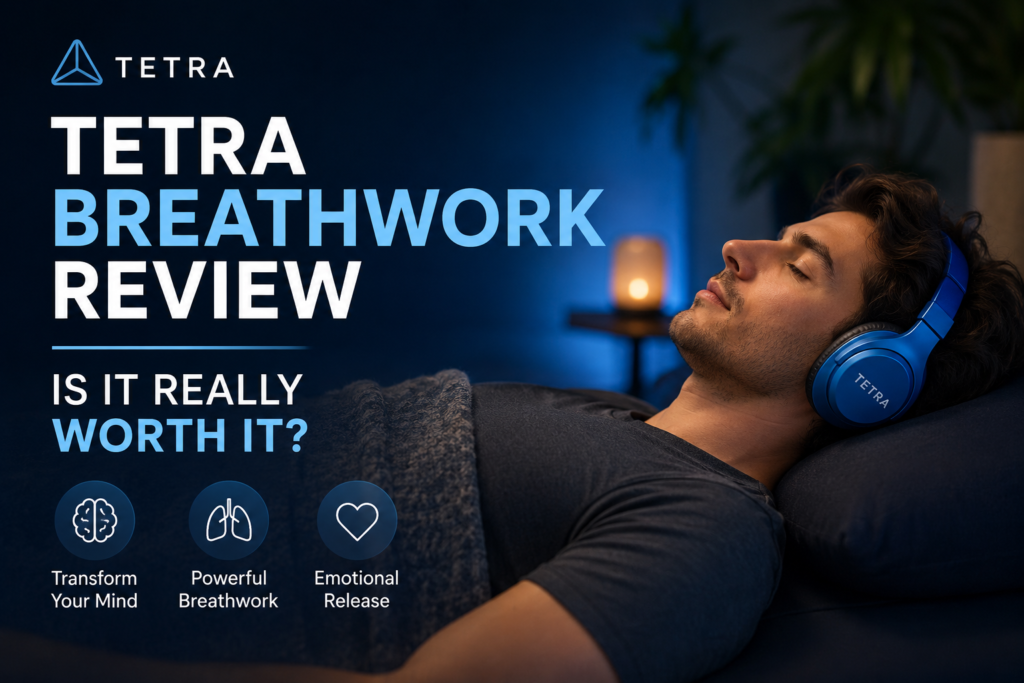
Tetra breathwork is a modern, Tantric-inspired breath practice centered on continuous, circular breathing and awareness to promote emotional healing, stress relief, and self-connection. It blends ancient yogic wisdom with contemporary psychological insight, supporting participants in releasing old patterns and restoring balance physically and emotionally.
Introduction
What Is Tetra Breathwork?
Tetra breathwork, sometimes nicknamed the “Breath of Compassion,” stands as a therapeutic breathing technique rooted in Tantra and developed in Thailand. The practice uses a specific, continuous breath cycle—no pauses at the top or bottom—which some describe as a gentle, heart-opening approach to self-discovery and well-being. Most sessions are guided by a trained facilitator, blending breath, awareness, and somatic release in a structured, supportive environment.
Why So Many People Are Talking About It
Interest in Tetra breathwork has exploded lately, especially across wellness circles in places like Koh Phangan and Phuket. Social feeds, word-of-mouth, and platform reviews consistently showcase stories of lasting transformation, often focusing on emotional healing and trauma release. “It’s like finding my true self in my heart,” one recent participant said—echoing the wider sense that breathwork, specifically the Tetra style, isn’t just another trend, but an experience that leaves a real mark. Why? Tetra breathing technique seems to deliver both gentleness and depth, making it approachable for beginners yet profound enough for seasoned practitioners.
Who This Review Is For
Anyone curious about tetra breathwork, skeptical of new wellness trends, or looking for a direct comparison to other popular modalities like 9D breathwork, Holotropic, or rebirthing breathwork will find focused, experience-driven analysis here. Whether you’re an anxious entrepreneur, someone in burnout recovery, or just searching for a down-to-earth take grounded in practice and research, this review addresses the concerns, motivations, and questions seen across breathwork communities.
How This Review Was Researched
This review draws directly from participant testimonials, facilitator training materials, and program guides published by leading breathwork schools (notably Samma Karuna, the birthplace of Tetra Breathwork in Thailand). Real-world participant accounts, facilitator feedback, and evidence on the science of breathwork practices inform every section. No promotional scripting—just a detailed look at what the experience involves and where it stands in a crowded wellness landscape.
What Is Tetra Breathwork?
The Philosophy Behind Tetra Breathwork
Philosophically, Tetra breathwork is about approaching the body and the breath not as problems to be fixed, but as wise guides. Rooted in Tantric traditions, this approach treats breath as the vehicle for compassion, healing, and awakening. “Compassion in action” sums up the spirit—unlike some methods that use forceful breath or seek to trigger dramatic catharsis, Tetra breathwork puts steady, conscious presence first. Breath plus awareness, paired with intentional movement and occasional sound release, provides a gentle bridge between stuck emotions and more liberated, embodied living [1].
Who Created It?
Tetra breathwork was developed by Ishi—a renowned teacher at Samma Karuna, an international healing and awakening school on Koh Phangan, Thailand. Over time, the system has evolved through facilitator trainings, group workshops, and international retreats, but its basic structure and ethos remain remarkably consistent: circle back to compassion, witness emerging sensations, and trust the body’s wisdom. Ishi’s influence shows up not just in method but in the program’s trauma-informed foundations and international reach.
How It Differs From Other Breathwork Methods
Unlike classic Holotropic or SOMA breath—known for rapid, intense, or psychedelic-leaning protocols—Tetra breathing stays relatively gentle, continuous, and trauma-sensitive. No forced hyperventilation or dramatic “breakthrough” pressures. The breathwork tetra system centers on a seamless, circular pattern, paired with somatic awareness, and flexible for many levels of experience. Core tenets like “awareness over effort” and normalizing emotional release (tears, laughter, trembling) differentiate it from both mainstream relaxation breathing and edgier modalities like Wim Hof. Plus, the process is structured to avoid re-traumatization—emphasizing judgment-free presence, not catharsis for its own sake.
The Core Principles
- Breath and Awareness: Every inhale and exhale is paired with conscious witnessing, rather than automation. There are no prescribed feelings—just a gentle acceptance of whatever arises.
- B-R-E-A-T-H-N-O-W Method: Balance, Rhythm, Energize, Allow, Trust, Here and Now, Nourish, Open, Witness—each word serves as a touchstone during practice, promoting resilience, surrender, and softness [2].
- Natural Healing: The body is assumed to be innately wise; the breath simply creates a space for stored tensions to move, heal, and release.
- Non-Forceful Emotional Release: Unlike some cathartic approaches that aim to “break through” blockages, Tetra breathwork lets the healing surface progressively, at each participant’s pace.
- Compassionate Self-Reconnection: The entire practice, from start to finish, is anchored in self-kindness and non-judgment, following a distinctly Tantric take on trauma integration and spiritual awakening.
How Does a Tetra Breathwork Session Work?
Before the Session
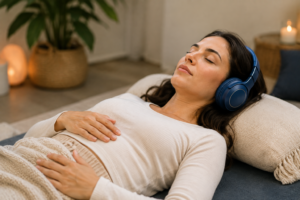
Preparation is straightforward but intentional. Facilitators usually invite participants to settle in, often encouraging light stretching or mindful movement—a way to arrive in the body before breathing begins. The atmosphere is key: most sessions start with gentle music, soft mats, dim lighting, and a clear rundown of the process. A second before the first breath, there’s a palpable hush—anticipation mixed with a careful sense of safety, especially for newcomers. Think: cozy rather than clinical.
The Breathing Technique
Now, the nuts and bolts. Tetra breathing uses a continuous, circular rhythm—no holds at the top or bottom. The inhale flows smoothly into the exhale, creating a “connected breath.” The mouth stays open to maximize airflow, and there’s an emphasis on fullness over raw speed (despite the “tetra breathing rapidly” misconception). Facilitators guide through each stage using simple cues—“open,” “soften,” “let go”—keeping the session accessible while allowing people to pace themselves. Four elemental stages (Earth, Water, Fire, Air) structure the sequence, moving from grounding to full expansion.
Music and Facilitation
Music selection isn’t random. Song choices reinforce mood: understated beats or meditative soundscapes that subtly build as emotional intensity rises. Certified Tetra facilitators remain active without being intrusive—walking the room, offering reassuring words, gently supporting emotional expressions without taking attention away from participants. In group settings, the collective sound of breath often becomes its own sort of music.
Emotional Release
Unexpected emotional moments are, honestly, par for the course. Sighing, laughter, tears, tingling, even spontaneous movement—these are not just allowed, but gently encouraged. Tetra breathwork’s trauma-aware method means any emergence of sadness or anxiety is supported but never pushed. “Whatever comes up, let it flow through,” is a constant refrain. Most participants leave the session with a sensation of emotional lightness, but without the shellshock that sometimes follows more forceful breathwork sessions.
Integration After the Session
After the last round of breathing, there’s deliberate time set aside for grounding—quiet reflection, gentle stretches, often a brief journaling prompt or a group sharing circle. Facilitators offer after-care suggestions like staying hydrated, nourishing foods, and time in nature to help anchor any insights gently. The window immediately after is considered as important as the session itself, as this is where feelings, images, or realizations may continue to bubble up or settle in.
Session Length
Most standard Tetra breathwork sessions run between 60 and 120 minutes, with actual breath cycles ranging from 20 to 60 minutes, depending on group size and focus. Shorter “So Ham” guided practices run 20 minutes and are widely available for home use. Retreat intensives or facilitator trainings can go several hours or span several days.
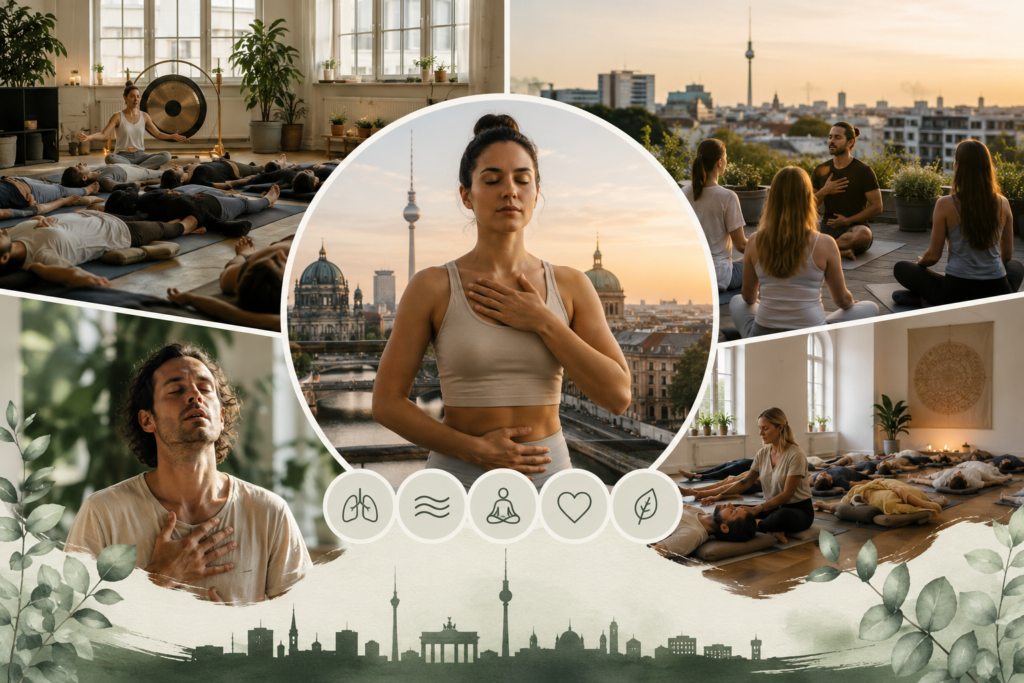
My Tetra Breathwork Review
First Impressions
The first thing that stands out about Tetra breathwork? It’s the atmosphere—calm but expectant, more like a restorative yoga class than a self-improvement bootcamp. Even skeptical participants tend to relax quickly. The opening emphasis on compassion and self-kindness (rather than “push through” toughness) immediately signals that this isn’t another performance sport or the latest productivity hack. The session doesn’t rush anyone, and the sense of group trust is quietly impressive.
What I Liked
- Accessibility for Beginners: There’s almost no jargon. The facilitator demystifies each step, perfect for those wary of “spiritual performance.”
- Gentle yet Deep: The technique offers depth without the sense of being overwhelmed. Most people drop into deep states without effort or triggering.
- Safe Emotional Expression: Space for tears, shaking, or even laughter—no awkwardness or tiptoeing around emotion.
- Integration Support: The structured aftercare feels sincere. Practical tips (like hydration and rest) actually help with post-session grounding.
- Community Feel: Whether in Thailand or online sessions, a shared sense of discovery is palpable—people really do connect.
What Could Be Better
- Can Feel Emotionally Exposing: Sensitive souls sometimes find group releases intimidating on the first go. Privacy can help for first-timers.
- Music Volume Occasionally Distracts: While generally skillful, some tracks during the peak breath phase verge on over-stimulation, especially for those sensitive to sound.
- Pacing Varies by Facilitator: The experience hinges a lot on the facilitator’s skill—occasional inconsistencies show up in pacing or cueing.
- Physical Discomfort: Lying on the floor for extended periods occasionally produces pins and needles or muscle twitches, although these usually pass.
Who Will Enjoy It Most
Tetra breathwork hits home with those looking for emotional openness, trauma-sensitive practices, or who want meditative depth without forced intensity. Yogis, meditation fans, burnout survivors, caregivers—basically anyone needing a safe space to decompress or reconnect.
Who Might Not Like It
Some adrenaline-chasing types—those after extreme states or rapid breakthroughs—may find Tetra breathwork a touch too gentle. Plus, personal skeptics of “woo-woo” (spiritual language, chakra talk, or Tantric references) might be distracted by the philosophical framing. For people with major untreated psychiatric or cardio-respiratory conditions, alternative gentler wellness methods may feel safer and more appropriate for their needs.
Tetra Breathwork Benefits
Stress Reduction
Few things are as reliably stress-melting as a supported breathwork tetra session. Regular practice tends to regulate cortisol levels, slow down racing thoughts, and allow people to step out of survival mode, if only for a little while [3]. The “Earth” and “Water” stages (grounding and flowing) are especially good for nervous anticipation and chronic tension—most describe the after-effect as a warm, pleasant calm replacing previously anxious states.
Emotional Healing
Here’s where the approach shines. Tetra breathwork isn’t just about relaxing—it’s about surfacing, feeling, and letting go of long-held emotions. By marrying Tantric compassion with a continuous circular breath, the process creates space for sadness, grief, anger, or joy to move through in a non-judgmental way. Many talk of emotional “layers” peeling back—not instant catharsis, but a gentle softening around old wounds. “It was like peeling away a protective layer around my heart,” says one entrepreneur who now uses the method routinely [1].
Trauma Release
Unlike approaches that risk overwhelming sensitive trauma survivors, Tetra breathwork lets the body release memory and tension naturally, without dredging up past stories or re-traumatization. The facilitator’s non-intrusive prompts (“let whatever comes, come”) prevent the session from becoming confrontational—this makes it particularly attractive for those processing trauma. While some skepticism persists about whether breathwork really “releases” trauma, the consensus in participant testimonials is that the felt sense of lightness and closure, even temporary, is tangible [4].
Nervous System Regulation
By using rhythmic, connected breathing, tetra breathing helps rebalance the autonomic nervous system, nudging bodies back into a parasympathetic (rest-and-digest) state. This lowers muscle tension, relieves headaches, and promotes overall homeostasis—many describe buzzing fingers, warmth in the chest, and a sense of “circulation returning” as practical evidence that the system is recalibrating.
Better Sleep
Consistent practice often leads to better and deeper sleep. Several facilitators and participants report that even a single session can reduce insomnia or the spinning thoughts that sabotage shut-eye. The combination of somatic release and nervous system downregulation appears to “reset” bedtime patterns—this result may not be universal, but stands out as a common testimonial theme.
Increased Mental Clarity
By focusing on present-moment awareness, participants tend to describe mental “decluttering”—similar to the clarity after a good yoga or meditation class. Brain fog, looping worries, and internal chatter often recede, at least temporarily, after a well-run tetra breathwork session. Practitioners talk about a “mental reset” that lasts for hours or, sometimes, days afterward.
Personal Growth
This one’s a bit less quantifiable but shows up regularly. Tetra breathwork encourages participants to meet themselves—emotions, memories, habits—with compassion, dissolving the walls built by shame or defensiveness. People often find their self-trust and resilience grow stronger, not just inside the session but in life’s everyday stressors too.
Spiritual Connection
The method’s Tantric roots mean the practice often brings a sense of spiritual “grounding”—even for those who don’t identify as spiritual. Some describe soft, heart-opening sensations or gentle insights. Others simply enjoy the sense of peace, acceptance, and interconnectedness that lingers after the last breath fades. No dogma here—just space for whatever meaning emerges.
Does Tetra Breathwork Actually Work?
Scientific Evidence Behind Breathwork
Peer-reviewed studies on circular and conscious connected breathing confirm physiological effects: lowered blood pressure, improved heart rate variability, and resilience to everyday stressors [3]. Trauma-aware breathwork, in particular, now finds support in psychology journals for its capacity to promote emotion regulation and reduce symptoms of anxiety or depression. While the “tetra breathing technique” itself is not universally studied under that name, its foundations—gentle, continuous breath cycles coupled with mindful presence—mirror protocols shown to activate the body’s natural relaxation response, support integrative trauma healing, and boost emotional well-being [2].
What Participants Commonly Report
The most frequently cited effects are increased emotional lightness, improved mood, warmth in the chest or hands, and a sense of being “in one’s body” rather than mentally scattered. Looking through public reviews and direct testimonials, common refrains include: “felt like I dropped ten pounds of worry,” “profound clarity,” and “gentle but powerful.” Not every story is dramatic—some people notice only subtle relaxation the first session. Still, even these milder changes, when repeated over several sessions, seem to create a cumulative impact.
Is It Different From a Placebo?
Here’s the complication—almost any mind-body experience, when delivered with expectation and care, will create some placebo effect. That’s just human nature. However, Tetra breathwork’s unique pairing of breath, movement, and permissive emotional release stands apart from basic relaxation or suggestion. Participants consistently note the physical specifics—tingling, tears, warmth, or a “circulation” shift—alongside emotional and mental changes, suggesting that the practice taps into real somatic and psychological processes beyond suggestion alone [4].
What Does Tetra Breathwork Feel Like?
Physical Sensations
The most immediate feeling? Warmth expanding from the center of the chest, moving outwards through the fingers and toes. Some people mention waves of tingling in their arms or scalp, while others recall muscle twitches or a subtle shivering—the sort of bodily “waking up” usually reserved for intense exercise, but without exhaustion. Occasionally, there’s light-headedness or floating, although nothing like the hyperventilation some fast breathwork styles provoke.
Emotional Experiences
Picture this: as the music swells, someone in the room starts quietly crying, another lets out a deep sigh, and a third breaks into peaceful laughter. Such open, spontaneous emotional responses are common. There’s a rawness here—grief, joy, release—yet it doesn’t feel threatening or overwhelming. People often describe the process as “safe vulnerability,” a sense of being both exposed and held.
Common Reactions
Physically, mild dizziness, gentle trembling, or cold hands can show up, especially for first-timers unused to deep breathing. Emotionally, mild anxiety or sadness sometimes rises to the surface, though usually it’s met with relaxation and calm as the session progresses. Some people feel a sort of lightness, as if a heavy load has been quietly set down.
What Happens After the Session
The real test isn’t just during, but after—walking back into the world, people regularly report feeling “reset,” more relaxed, less hypervigilant. Odds are, sleep that night feels easier, decision-making comes smoother, and the after-glow lasts for several hours or even days. Occasionally, old emotions continue to surface gently post-session, underlining the importance of journaling, hydration, and rest as integration tools.
Is Tetra Breathwork Safe?
Possible Side Effects
Most people experience only temporary side effects—tingling, slight dizziness, mild muscle cramps, light-headedness, and the emotional catharsis itself (tears, sighs, or laughter) [1]. On rare occasions, intense memories or sadness can bubble up, particularly if the session crowds personal boundaries or support is lacking.
Contraindications
Like any practice that alters breathing or targets deep emotions, tetra breathwork isn’t for everyone. Those with respiratory conditions (like severe asthma or chronic COPD), cardiovascular risk, untreated schizophrenia or psychosis, and anyone in early-stage pregnancy (without medical clearance) should consult health professionals before participating. Most facilitators will ask for a basic health screening on sign-up.
Who Should Avoid It
People with a history of uncontrolled heart conditions, severe trauma that has not been therapeutically addressed, epilepsy, or acute psychiatric episodes are usually advised to seek other support. If you’re taking certain psychiatric medications, especially those affecting serotonin or blood pressure, clearance from a healthcare provider is always smart.
Safety Tips for Beginners
- Let facilitators know about any health issues up front.
- Start in smaller groups or private sessions to lower anxiety.
- Keep water nearby and avoid practicing on an empty stomach.
- Pause if you feel dizzy, numb, or emotionally overwhelmed—there’s no performance quota here.
- Ask for grounding support post-session, especially after strong or unexpected releases.

Tetra Breathwork vs Other Breathwork Methods
Tetra Breathwork vs 9D Breathwork
9D breathwork incorporates layered soundtracks and rapid vocal cues to simulate “journeys” through music, breath, and neuro-linguistic programming. Sessions tend to be highly produced, immersive, and often digitally delivered. Tetra breathwork, by contrast, roots itself in person-to-person facilitation, continuous gentle breath, and a trauma-informed pace. Those craving high-energy novelty may prefer 9D; seekers of subtle emotional depth tend to appreciate Tetra’s slower methodology.
Tetra Breathwork vs Holotropic Breathwork
Holotropic breathwork invites participants to breathe rapidly and deeply, often for much longer periods. It’s known for triggering altered states and cathartic release. Tetra breathwork chooses continuous, non-forceful breathwork, always steering clear of psychological overwhelm and focusing on compassionate integration. Where Holotropic can push limits, Tetra prioritizes gradual, self-paced unfolding.
Tetra Breathwork vs Rebirthing Breathwork
Rebirthing breathwork also uses continuous connected breaths but with a more free-form, sometimes extended time frame—often going into territory that directly targets memories of birth or early-life trauma. Tetra breathwork borrows the connected breath structure but pairs it with Tantric awareness and elemental stages, emphasizing consent, compassion, and present-moment mindfulness over revisiting old memories.
Tetra Breathwork vs SOMA Breath
SOMA breathwork is far more structured by counts and retention cycles, with regular breathing holds and fast cycles designed to trigger rhythmic arousal. Tetra breathing sticks to a flow with open mouth, no breath pauses, and a gentler, meditative focus. Those sensitive to disruptions in breath or uncomfortable with retaining air may feel safer with Tetra breathwork’s open, rhythmic pattern.
Tetra Breathwork vs Wim Hof Method
Wim Hof Method is all about extreme cold exposure, breath retention, and a kind of “shock and awe” resilience culture. It’s great for those chasing cold endurance, but can feel harsh, even destabilizing, for anyone sensitive or new to breathwork. Tetra breathwork’s focus on compassion, awareness, and avoiding forced states is practically the polar opposite—gentle is the name of the game.
Who Is Tetra Breathwork Best For?
Complete Beginners
Newcomers to breathwork will find tetra breathwork approachable, jargon-free, and low-pressure. The sessions are welcoming to all levels, and the method is designed so that first-timers ease in without intimidation or confusion. The “permission to take it slow” ethos stands out.
People With Anxiety
Especially for those coping with chronic anxiety, tetra breathwork offers a safe, permissive space to regulate breathing, downshift nervous energy, and practice healthy release of tension. The trauma-informed framework makes the practice especially suitable for anxious or sensitive types.
Burnout Recovery
Burnout survivors—entrepreneurs, healthcare workers, caregivers—consistently report that this kind of gentler, compassion-based approach helps rebuild self-trust and resilience without demanding high effort or performance. Sessions often become part of ongoing self-care, not just one-time events.
Entrepreneurs
Driven, analytical types sometimes find their first session a little vulnerable—then come out looking less stressed and better prepared for decisions. Regular practice improves mental clarity, emotion regulation, and creativity, especially for those juggling high-stakes choices.
Athletes
Athletes—especially those recovering from stress or injury—have found benefit in recalibrating their nervous system, supporting sleep, and unwinding muscle tension safely. The focus on gentle presence rather than pushing limits may offer a valuable antidote to “more is better” exercise culture.
People Looking for Emotional Healing
Anyone seeking a trauma-sensitive entry point into emotional healing, especially those wary of talk therapy or high-intensity approaches, consistently find that tetra breathwork gives them space to process at their own pace. The practice is especially recommended for those wanting to reconnect with the heart—“my heart is so, so open,” as one frequent participant put it [1].
How Much Does Tetra Breathwork Cost?
Group Sessions
As of 2025, in-person group sessions in locations like Thailand (Koh Phangan, Phuket) typically range from $20–$40 USD per session [editor-verified]. Pricing may fluctuate by venue and group size, with some community offerings available for donation.
Private Sessions
Private, one-on-one sessions with certified Tetra breathwork facilitators generally run from $60–$110 USD per session [editor-verified]. Packages for 3–5 sessions sometimes bring down the average per-session cost.
Online Sessions
Online guided Tetra breathwork sessions, both live and pre-recorded, fall in the $10–$30 USD per class range. Free introductory recordings (like the “So Ham” daily practice) are widely available via the main schools and some facilitator YouTube channels.
Retreats
Retreats incorporating Tetra breathwork—commonly in Thailand or Greece—start around $800 for shorter, weekend events and run upwards of $2,000 USD for multi-week facilitator trainings. Fees include accommodation, food (often plant-based), and supplementary workshops [editor-verified].
Membership Options
Membership models at schools like Samma Karuna offer bundled group sessions, online content libraries, and discounts on retreats or training. Annual or monthly rates are available and can provide value for frequent participants or those pursuing facilitator certification.
Where Can You Try Tetra Breathwork?
Official Facilitators
Certified Tetra breathwork facilitators are listed on school websites with geo-location services. Most maintain active licenses and are reviewed by past participants, so new students can book with a sense of security and transparency.
Online Sessions
Online group and private sessions have surged in recent years, making Tetra breathwork accessible to a global community. Guided “So Ham” audio sessions (about 20 minutes) are popular for at-home practice, requiring only quiet space and a willingness to show up.
Retreats
Immersive experiences in Thailand (especially Koh Phangan at Samma Karuna campus), Greece, and sometimes Mexico offer not just deep dives into Tetra practices but community, connection, and expert support. Retreats often include water variations like Aqua Tetra breathwork, combining floating therapy with guided breathing.
Local Practitioners
Tetra-trained facilitators often host drop-in classes in yoga studios, holistic wellness centers, or alternative health clinics, especially in international wellness hubs or urban mindfulness communities.
Real Customer Reviews
Positive Experiences
The recurring themes? Emotional openness, heart expansion, inner calm. One quote lingers: “Felt like coming home to myself after years of chasing peace.” Many highlight the sense of safety and community support. A therapist reported, “Tetra Breath opened up a space inside I didn’t know existed.”
Negative Experiences
The negatives are generally mild: discomfort with group catharsis, music sometimes feeling too intrusive, a handful of reports of transient dizziness or emotional overwhelm. Some skeptics mention the “new-age” vibe isn’t for everyone—if talk of chakras or spiritual awakening jars, this may distract from the practice itself.
Common Themes
- Sustained sense of emotional relief
- Gentle but effective self-connection
- Highly variable first-session responses (from subtle to dramatic)
- Music and group energy both enhanced and, rarely, detracted from the process
Overall Satisfaction
Most participants signal satisfaction—returning for multiple sessions, progressing to facilitator trainings, or recommending to friends. There’s strong consensus that Tetra breathwork works best when practiced regularly and integrated with other self-care habits.
Pros and Cons
Pros
- Gentle entry point for emotional and spiritual development
- Trauma-aware and beginner-friendly
- Structure that is easy to learn yet deep in impact
- Integrates well with other wellness routines
- Facilitators are certified and operate globally
Cons
- Group emotional release can be uncomfortable for some
- Musical choices may not suit every ear
- Pacing varies depending on the facilitator’s skill
- Not designed for those seeking intense physical or mind-altering states
- New-age framing may feel off-putting for skeptics
Frequently Asked Questions
What is Tetra Breathwork?
Tetra breathwork is a compassion-based breathing technique combining continuous, circular breathing and mindful awareness, developed at Samma Karuna in Thailand. Sessions support emotional release, nervous system recalibration, and gentle trauma integration [1].
Is Tetra Breathwork worth it?
For those seeking a trauma-informed, accessible entryway into self-healing, stress regulation, and gentle emotional release, tetra breathwork is commonly reported as worth trying. Continued practice amplifies benefits, as does finding a supportive facilitator.
Is Tetra Breathwork safe?
For healthy adults, tetra breathwork is generally safe when guided by a certified facilitator. Those with heart, respiratory, psychiatric, or pregnancy concerns should consult a healthcare professional before starting any breathwork tetra practice.
How much does Tetra Breathwork cost?
Fees range widely by country and context. Group sessions usually sit between $20–$40 USD, private sessions up to $110, and online classes from $10 USD. Retreats and facilitator trainings vary, from $800 to over $2,000 USD [editor-verified, as of 2025].
How long is a Tetra Breathwork session?
Typical group sessions last 60–120 minutes; shorter daily practices (like “So Ham”) take about 20 minutes start to finish.
Can beginners do Tetra Breathwork?
Yes. The method is designed for approachability—jargon-free instruction, flexible pacing, and ample support for first-timers or those anxious about emotional release.
How often should you practice?
Many practitioners recommend weekly or bi-weekly sessions for optimal benefit, with lighter daily “home practice” supporting ongoing regulation and integration.
Ultimately, tetra breathwork provides a rare combination: depth without drama, safety paired with emotional honesty, and tools suitable for both newcomers and experienced seekers. The practice invites people back to themselves—breath by breath, layer by layer—in a world that rarely encourages slowing down or feeling fully. Whether the draw is stress relief, trauma healing, or spiritual clarity, breathwork by tetra deserves its reputation as a quietly powerful modality. The best way to know if it’s for you? Find a certified session, bring curiosity instead of expectation, and let the breath lead. If recent trends are anything to go by, the demand for safe, compassionate self-connection is only growing—and Tetra breathwork stands ready to meet it.
References
- Tetra Breath – Transformative Breathwork for Healing & Awakening. Available at: https://tetrabreath.org/ (accessed 2026-08-06).
- General Guidelines for Breathwork Practice: Full Guide. Samma Karuna. Available at: https://www.sammakaruna.org/guidelines-for-breathwork-practice/ (accessed 2026-08-06).
- Tetra Breathwork – Samma Karuna – Awakening & Healing. Available at: https://www.sammakaruna.org/tetra-breathwork/ (accessed 2026-08-06).
- Instagram reel: Tetra Breath in Samma Karuna. https://www.instagram.com/reel/CtvvQ0fuOuB/ (accessed 2026-08-06).