

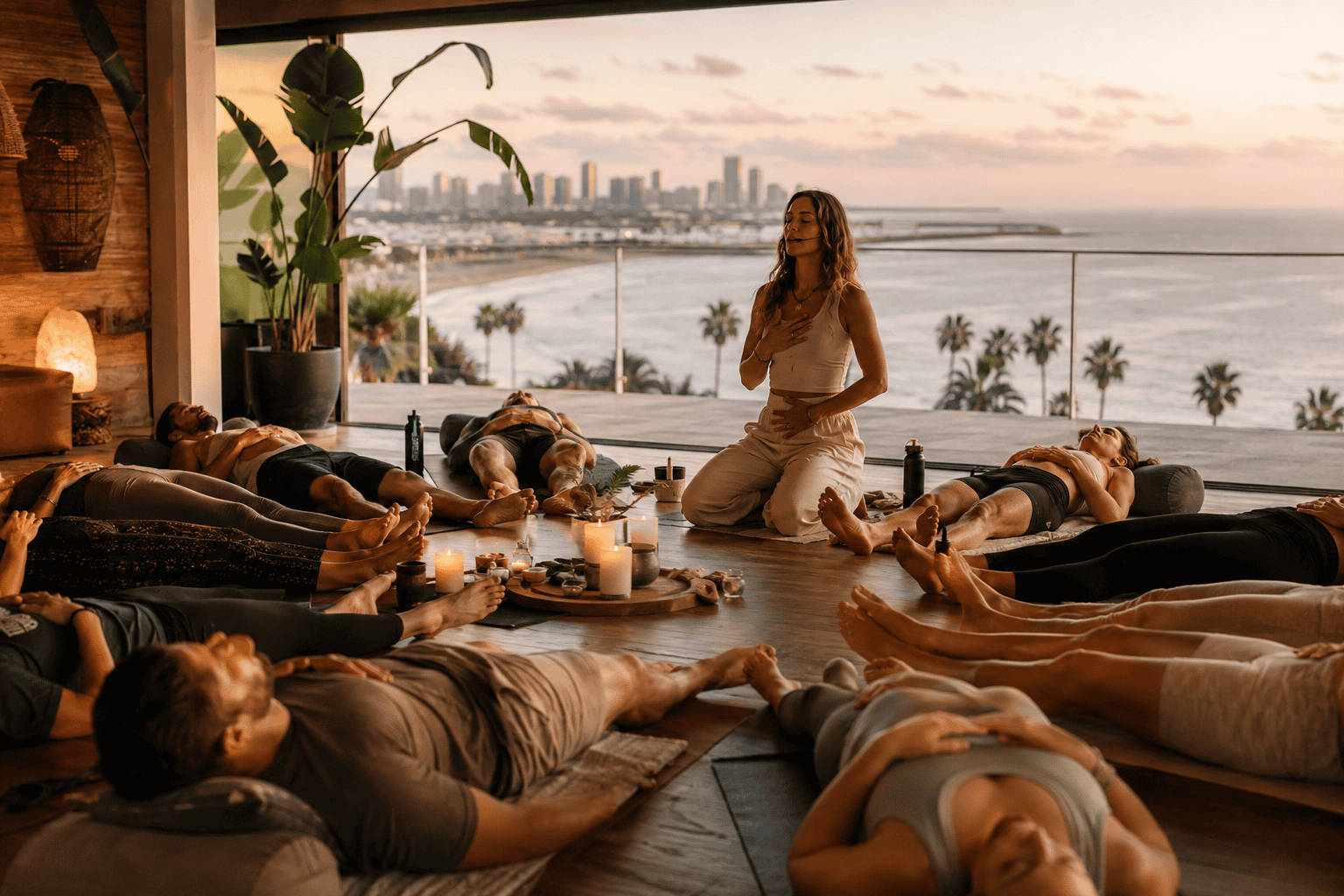
Breathwork in San Diego is an umbrella term for a variety of conscious breathing techniques offered by skilled practitioners and studios across the city. From calming group sessions to high-impact transformational workshops, San Diego breathwork sessions can help with stress, trauma, and personal growth, all set against the city’s stunning natural backdrop.
Introduction: Why San Diego Is One of the Best Cities for Breathwork
Few cities seem to breathe so naturally as San Diego. In a place where ocean air mingles with coastal sunshine, “deep breath” isn’t just advice—it’s part of local daily life. Over the past decade, breathwork here has shifted from a wellness fringe interest to something woven into the city’s culture, with new studios, certified practitioners, and community circles popping up from the cliffs of La Jolla to the heart of Downtown. The rise of breathwork in San Diego proves that sometimes, the newest wellness trend is just a few thousand years old—simply repackaged for the modern world.
The Rise of Breathwork in Southern California
Southern California has long been the promised land for wellness innovations, but breathwork’s recent popularity feels a little different from the usual coastal trends. People around here aren’t chasing the next miracle superfood but returning to something primal and accessible: the breath. As stress, anxiety, and fast-paced living became hallmarks of urban life, the demand for meaningful, embodied practices grew. Modern breathwork in San Diego reflects this shift. Here, it’s not unusual to find sunrise breathing circles on Pacific Beach, sound-healing workshops in Encinitas, or trauma-informed facilitators blending science with mindfulness in cozy neighborhood studios. The city’s collective openness, plus its patchwork of health-focused communities, makes it a fertile ground for both ancient methods and innovative approaches to conscious breathing.
Why San Diego Attracts World-Class Breathwork Facilitators
What is it that draws so many top facilitators to settle down—and set up practice—here? For one, San Diego’s lifestyle, climate, and community make it a natural wellness magnet. Many globally respected breathwork practitioners base themselves here for the blend of year-round access to nature, an open-minded clientele, and collaboration opportunities with other leading-edge holistic professionals. The city’s focus on integrative health and spiritual exploration attracts breathwork teachers at the top of their game. Walk into any session in La Jolla or Encinitas, and it’s not unusual to find a facilitator who’s trained internationally, taught at retreats in Bali, or blended science-backed protocols with esoteric traditions.
What Makes This Guide Different
Most guides list studios or put wellness practices in neat little boxes. This resource looks at the actual lived experience of breathwork in San Diego—what makes a class feel safe or transformative, which facilitators take a trauma-aware approach, how the local community shapes what breathwork means here, and how much it really costs. Rather than just names and addresses, this is a curated, context-driven look at the most respected classes, facilitators, and events past the usual marketing gloss.
Who This Guide Is For
Whether you’re new to breathwork, a seasoned yogi looking for the next step, or simply seeking solid options for stress relief near your home or office, this guide speaks to you. Locals, newcomers, and travelers searching for a way to deepen self-care all find something here. If you want science-backed options, spiritual growth, emotional release, or community support, you’ll discover which session or studio matches your goals—and why San Diego is an ideal place to start.
Best Breathwork in San Diego
Navigating the landscape of breathwork San Diego is a rewarding challenge—there’s no shortage of options and each brings a distinctive approach. What follows blends client feedback, professional training, teaching style, and vibe: an insider’s hit list of the city’s diverse offerings.
Soma Breath San Diego
Soma Breath blends ancient pranayama with modern rhythm, music, and neuroscience—think energetic group experiences designed to recharge body and mind. Soma Breathwork classes in San Diego often include guided breath sequences, meditation, and heart-pounding music. Ideal for those who want a blend of science, spirituality, and fun, Soma sessions are led by certified facilitators and are held in energetic group formats. Expect rhythmic breathing, visualization, and mental clarity with every class.
Breathe Degrees
When someone mentions “breathwork near me” in San Diego, Breathe Degrees often comes up first. This dedicated breathwork studio in Carlsbad puts conscious breathing at the center, augmenting typical classes with cold plunges, infrared saunas, and sound experiences. Breathe Degrees is known for its energetic group sessions, often based on the Wim Hof Method, and innovative events like “Breathe After Dark.” Their approach is tailored for stress relief, resilience, and the performance-oriented crowd.
Heart Alchemy Yoga
Heart Alchemy Yoga bridges yoga, meditation, and transformational breathwork, with a focus on emotional healing and nervous system regulation. Their classes typically weave conscious connected breathwork with movement, mindfulness, and energy healing modalities. It’s a space where people come to process emotions, reconnect with themselves, and work through personal challenges in a supportive environment. Heart Alchemy draws praise for skilled facilitators and a grounded, compassionate approach.
Spirit Yoga Studios
Spirit Yoga in San Diego’s Mission Valley and Pacific Beach neighborhoods offers more than classic yoga classes—breathwork is woven into many of their offerings. Expect pranayama, somatic breathwork, and mindful living practices all under one roof. These sessions are great for those who prefer combining physical movement and conscious breathing in a structured, studio-based setting.
Trilogy Sanctuary
Arguably the most striking location for breathwork in San Diego, Trilogy Sanctuary in La Jolla hosts rooftop breathwork sessions with ocean views—hard to beat for sensory experience. Trilogy’s facilitators are trained in yoga, sound therapy, and transformative breath techniques, offering group workshops, private sessions, and even teacher training intensives. Their four-day Breathwork Training Intensive provides a deep dive into the physiological, emotional, and spiritual aspects of breath, equipping both new and experienced practitioners with lasting tools [1].
Yoga Deck San Diego
For those who appreciate the open air, Yoga Deck’s outdoor studio environment brings fresh literal meaning to “breathe easy.” Yoga Deck integrates breathwork into vinyasa flow classes, special events, and periodic workshops for all levels. It’s a favorite in the Pacific Beach community for anyone craving natural sunlight, fresh air, and authentic facilitation.
The Soul of Yoga
Encinitas is home to The Soul of Yoga, an established name in integrative healing. The center is recognized for its comprehensive breathwork classes, grounded in yoga and ayurveda, offering group and private sessions focused on stress relief, spiritual growth, and emotional integration. Advanced students often consider “Soul of Yoga” for its reputable teacher training programs and specialty workshops like Trauma-Informed Breathwork.
Ra Ma Institute San Diego
Fusing Kundalini yoga and transformative breathwork, Ra Ma Institute is something of a spiritual icon in the city’s wellness scene. Their offerings range from dynamic group classes to focused breath meditation workshops, attracting seekers interested in spiritual growth and community energy. The “breath of fire” and other signature pranayama techniques are central features here, supporting nervous system balance and heightened awareness.
Breath Church San Diego
Breath Church takes a holistic, community-driven approach, weaving together science, spirituality, and social connection. The space often welcomes guest facilitators for special events and offers group breathwork circles that emphasize inner growth, stress relief, and heart-centered living. It’s popular with those who crave belonging as much as the breath practice itself.
The Healing Collective San Diego
True to its name, The Healing Collective specializes in transformative breathwork sessions, often layering in elements like Reiki, energy work, and group sharing. Events, such as Transformational Breathwork with Breath Analysis, are engineered for both introspective experience and clarity. Safe space and experienced facilitation are hallmarks here—ideal for people healing trauma or seeking new self-understanding.
Breathwork with Ashley Neese (San Diego Workshops)
Renowned for her trauma-sensitive, emotionally intelligent facilitation, Ashley Neese regularly holds workshops in San Diego. Her sessions center on intentional breathing as a tool for nervous system healing, emotional release, and building deeper mind-body awareness. Events often sell out quickly, underscoring the region’s strong demand for expert-guided, safe practice grounded in compassion and scientific understanding.
Breathwork by David Elliott (San Diego Events)
David Elliott is a nationally respected breathwork leader who periodically leads group breathwork workshops and retreats in and near San Diego. His method focuses on conscious connected breathing to access and release stored emotions, creative blocks, and energetic tension. Elliott’s approach attracts seasoned practitioners and newcomers alike, and his workshops are known for being both intense and supportive.
9D Breathwork San Diego
The 9D Breathwork Experience combines sound, guided meditation, and multisensory elements with structured circular breathing. Sessions are designed for deep stress relief, unlocking emotional blockages, and nervous system reset. Studios and facilitators offering 9D breathwork in San Diego adapt the method for group energy, layering in binaural beats and somatic cues.
Wim Hof Method San Diego
The Wim Hof Method, promoted by both independent instructors and studios like Breathe Degrees, is a San Diego favorite for its dynamic blend of breathwork, cold exposure, and mindset training. Classes integrate rounds of forced hyperventilation, guided breath retentions, and cold-water immersion. It’s especially popular among athletes, biohackers, and those seeking a direct, physical edge to their wellbeing protocol.
Conscious Connected Breathwork San Diego
This foundational practice, sometimes called “circular breathing,” forms the backbone of many modern breathwork sessions. In San Diego, both group and private classes take participants through rhythmic, continuous breath cycles, generating physical release and supporting emotional healing. Experienced facilitators guide energy flow and help process any surfacing emotions, making this style accessible and adaptable for nearly every seeker.
Rebirthing Breathwork San Diego
Rebirthing is rooted in immersive, deep connected breathing, known for surfacing subconscious patterns and childhood memories. Facilitators in the city often blend verbal guidance, music, and safe integration practices. Rebirthing has a reputation for emotional intensity, so San Diego’s more experienced practitioners tend to lead these sessions, focusing on trauma-awareness and post-experience support.
Somatic Breathwork San Diego
The somatic approach emphasizes breath as a tool for body-mind integration and gentle trauma release. Practitioners in San Diego specialize in slow, mindful breath, supporting nervous system regulation and helping clients safely process stored stress. Sessions are popular in women’s wellness centers and among those exploring somatic therapy or mind-body modalities for trauma.
Trauma-Informed Breathwork Practitioners
In recent years, trauma-informed practice has moved from buzzword to best practice, especially in San Diego’s breathwork community. These facilitators have specialized training in trauma, nervous system care, and psychological safety. Their sessions prioritize slow buildup, careful consent, and aftercare, welcoming people who might otherwise avoid or fear breathwork due to past emotional pain. Women-focused centers, mental health clinics, and dedicated trauma-certified practitioners are easy to find throughout the city.
Private Breathwork Facilitators in San Diego
For those seeking a tailored experience, numerous certified facilitators offer in-home or studio-based private breathwork sessions in San Diego. Options include guided somatic breathwork, integrative coaching, energy work, and personalized breath analysis. Private work is especially popular for trauma integration, complex emotions, or just those hoping for a quiet, individualized setting.
Corporate Breathwork Programs in San Diego
Breathwork is not just for the solo seeker these days—you’ll find workshops and on-site classes making their way into San Diego’s corporate landscape. From tech startups Downtown to wellness-forward clinics in Sorrento Valley, breathwork is showing up in stress management programs, leadership events, and group wellness days. Studios and facilitators like Breathe Degrees and Soma Breath offer team experiences for anxiety relief, focus, and high performance at work.
Best Breathwork Studios Compared
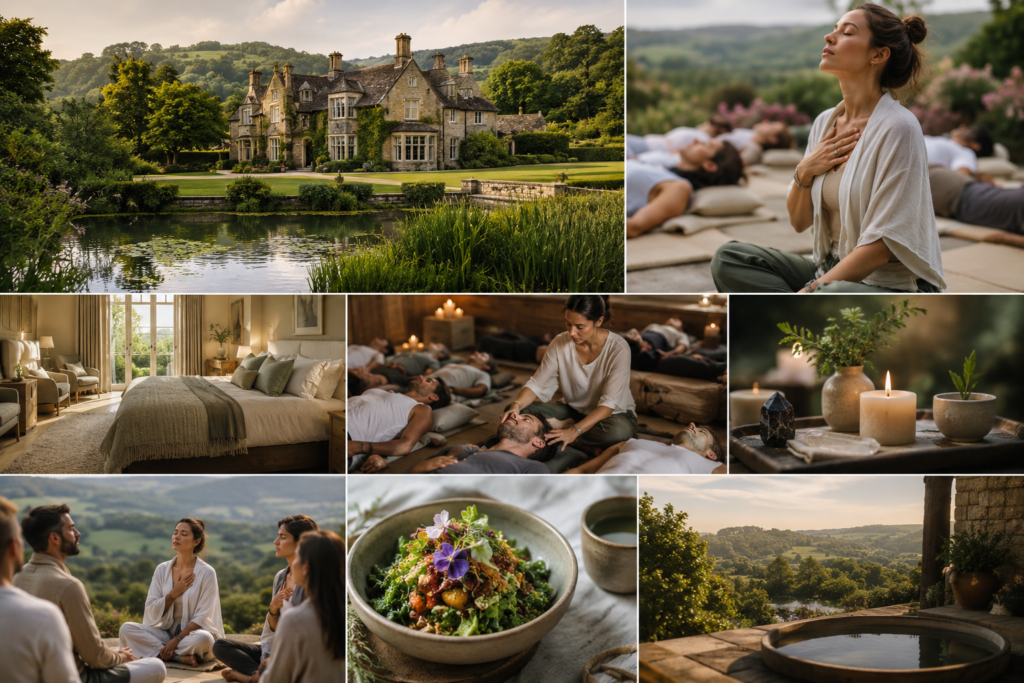
Sorting through choices matters as much as technique—a rooftop in La Jolla feels nothing like a candlelit studio in North Park, and that difference can shape your whole experience. Here’s a closer look at which studios fit certain needs best, based on teaching focus, class structure, and client feedback.
Studio/Class Best For Style Price Range (2025) Location Breathe Degrees Beginners, stress relief Wim Hof, group/ice baths $30–$45 Carlsbad Trilogy Sanctuary Trauma recovery, nervous system regulation Yogic, sound healing $35–$50 (class), $997+ (training intensive) La Jolla The Healing Collective Emotional healing Transformational, reiki $40–$60 Clairemont Heart Alchemy Yoga Spiritual growth, emotional release Conscious connected, meditative $25–$40 Pacific Beach/Downtown Soul of Yoga Certifications, group integration Pranayama, trauma-informed $35–$55 Encinitas Yoga Deck Outdoor, relaxed settings Mindfulness, breath integration $25–$35 Pacific Beach Ra Ma Institute Spiritual, kundalini approach Pranayama, energy $30–$50 Point Loma
Best for Beginners
Breathe Degrees and Heart Alchemy Yoga consistently receive positive feedback from those trying breathwork classes in San Diego for the first time. Their instructors break things down into simple instructions and build in extra support, so nobody feels thrown in the deep end. Breathe Degrees also offers free trial classes and lineups that highlight nervous system education, making it approachable if you’re new to intentional breathing.
Best for Emotional Healing
For those with emotional “stuff” to process, The Healing Collective’s sessions stand out. With skilled guides and trauma-informed practices, participants find safe space to release tears, anxiety, and whatever’s been locked away. Heart Alchemy Yoga’s somatic focus also supports emotional transformation, weaving gentle movement and meditation into breathwork experiences.
Best for Anxiety & Stress
People looking for relief from anxiety or work-related stress tend to gravitate to Breathe Degrees, Soul of Yoga, and the corporate-focused sessions offered by Soma Breath. These studios make stress regulation accessible through controlled breathing, education on the science behind breath, and supportive class environments.
Best for Trauma Recovery
Trilogy Sanctuary’s integrative approach stands out—it blends trauma-informed guidance with yoga, breath, and sound healing, addressing both the mind and nervous system. Sojourn Healing Collective and trauma-certified private practitioners (often featured at women’s wellness centers) are also strong choices for deeply held stress or trauma.
Best for Nervous System Regulation
Soul of Yoga and somatic-style facilitators in North County put nervous system regulation front and center. Their sessions are paced slowly, with breathwork adapted to each participant’s tolerance. People report feeling grounded, lighter, and less reactive after these experiences—ideal for those recovering from burnout or living with chronic stress.
Best for Spiritual Growth
If spiritual curiosity is your driver, Ra Ma Institute and Heart Alchemy Yoga offer deeper layers. Their classes emphasize consciousness, energy, and connection to something bigger, often leaving people with a strong sense of peace or awe. Ra Ma’s kundalini style incorporates mantra, pranayama, and meditation for those after a full-spectrum spiritual boost.
Best Group Breathwork Sessions
Collective energy can amplify the breathwork experience; nowhere is this more apparent than in group sessions at Breathe Degrees, Trilogy Sanctuary (rooftop, ocean breeze is a bonus), and events featuring visiting teachers like David Elliott. These gatherings often pair music, shared intention, and skilled facilitation to create a sense of emotional momentum you just don’t get solo.
Best Private Sessions
Private breathwork facilitators in San Diego tailor each session to individual needs, blending somatic, trauma-informed, or meditation-centric practices. People with complex health backgrounds or those who want targeted guidance benefit from one-on-one attention—practitioners offering private sessions can be found in Ocean Beach, Encinitas, and through established studios such as Soul of Yoga and Heart Alchemy Yoga.
Best Value for Money
For affordability and quality, Breathe Degrees and Yoga Deck both rank highly. Free or donation-based sessions are also available at several community centers, meetups, and local events. While luxury studios offer premium amenities, the city’s “pay what you can” circles and regular online options mean nobody is excluded from trying breathwork in San Diego.
Map of Breathwork Classes in San Diego
It’s one thing to know where the best sessions are; it’s another to find them close to home or work. Here are key breathwork “hot spots” by neighborhood:
- Downtown San Diego: Spirit Yoga, The Healing Collective, Heart Alchemy Yoga (pop-up events)
- La Jolla: Trilogy Sanctuary, Soul Plunge, frequent workshops with visiting instructors
- Pacific Beach: Yoga Deck, Heart Alchemy Yoga, The Guides’ sessions
- North Park: Somatic private practitioners, pop-up community circles
- Encinitas: Soul of Yoga, The Science and Art of Breathwork Meetup, events with leading trauma-informed facilitators
- Carlsbad: Breathe Degrees (studio), group workshops, and training intensives
- Del Mar: Periodic coastal pop-up events, breathwork circles on the cliffs or at wellness centers
- Breathwork Within 30 Minutes of San Diego: Retreats and pop-up classes in Vista, Oceanside, San Marcos, and the broader North County coastal strip, often scheduled around new moon/full moon cycles or local wellness festivals.
What Makes a Great Breathwork Class?
With so many choices in San Diego, certain qualities separate the session everyone raves about from the ones people leave early. So what really matters?
Experience of the Facilitator
This is the top factor for most. Skilled breathwork practitioners in San Diego hone their craft through years of study, practice, and mentorship. Certifications in trauma care, yoga, somatic therapy, or specific breathwork techniques add layers of safety and nuance. People intuitively recognize facilitators who hold space well—they create trust, respond to emotional needs in real time, and adjust the practice if someone feels overwhelmed. A good session feels anchored and intentional, not rushed or superficial.
Breathwork Style
Not all styles suit every personality or wellness goal. Some thrive on high-energy, music-driven group experiences (Soma, Wim Hof), while others need slow, mindful, trauma-informed guidance. The best breathwork classes in San Diego offer clearly described approaches so participants know what to expect—circular, pranayama, somatic, or emotional release focus—ensuring a better fit and better outcomes.
Safety Standards
Safety shows up in clear consent, pace, aftercare, and boundaries. Especially with practices that can trigger vulnerability or emotional flooding, trauma-informed standards make a difference. Studios known for high safety—like Soul of Yoga and The Healing Collective—screen for medical contraindications, clarify what’s optional, and never force participation. There’s always room to pause, hydrate, or just breathe naturally.
Group Size
Small group sessions foster intimacy and personal attention, while large circles bring communal energy. Many San Diego studios cap classes at 10–20 people to balance both. If personal attention matters, opt for less crowded times, or consider private or semi-private formats.
Music & Facilitation
Music amplifies the experience—whether it’s ethereal sound healing, heart-thumping dance beats, or simple ambient waves, the best facilitators sync music to the rhythms of the breath. Live music (think: singing bowls, drums) is a favorite feature at rooftop sessions, while playlist-driven classes tap into collective emotion. Guidance matters here: skilled facilitators time their cues and encouragement to bring the group deeper without overwhelming anyone.
Integration Support
Post-session integration is where real changes happen. San Diego’s best facilitators allow time for sharing, journaling, quiet reflection, or gentle conversation after intense sessions. Many invite participants to stay connected through alumni groups, continued support circles, or one-on-one check-ins.
Reviews & Reputation
It’s true—you can’t please everyone, but studios and facilitators with consistent word-of-mouth, strong repeat attendance, and authentic testimonials tend to deliver a reliably positive experience. When researching “breathwork classes in San Diego,” skip the paid ads and read actual participant stories. Places like Breathe Degrees, Trilogy Sanctuary, and The Healing Collective keep their reputation strong year after year.
What Is Breathwork?
Understanding Conscious Breathing
Breathwork, in its simplest form, is a conscious intervention in our automatic breathing patterns. While most of the day people breathe on autopilot, breathwork asks that you pay attention—directing the breath for a specific physical, mental, or emotional outcome. At its core, breathwork uses structured patterns (like slow-pacing or extended exhales) to regulate nervous system states, bringing body and mind into balance.
How Breathwork Works
During a breathwork session, facilitators guide participants through sequences of inhales, exhales, holds, or continuous/circular breath patterns. Each sequence triggers a different physiological response. For example, slow, deep breaths stimulate the vagus nerve—activating the parasympathetic, or “rest-and-digest,” state. Faster breathing, like in holotropic or Wim Hof styles, can induce altered states of awareness, supporting emotional release or creativity. Proper technique can reduce anxiety, rebalance focus, and even impact immune response over time [1,2].
The Science Behind Breathwork
What used to sound mystical now comes with mounting scientific backing. Studies published in Scientific Reports confirm that structured breathwork meaningfully lowers anxiety and depressive symptoms by shifting cortisol levels and increasing heart rate variability (HRV) [1]. Controlled breath patterns engage the body’s natural relaxation response, which is especially valuable for stress management. Specific modalities, like box breathing or cyclic sighing, have been shown to help people manage pain, enhance emotional regulation, and recover faster from both mental and physical stressors [2].
Why Controlled Breathing Can Change Your State
The body’s stress responses—tight chest, racing thoughts, fast heartbeat—are intimately linked to how people breathe. Deliberately slowing the breath or making exhales longer signals safety, tamping down fight-or-flight reactions. On the flip side, rapid conscious breathing (as in certain workshops) can surface stored tension, promote catharsis, or, for some, even trigger gentle states of euphoria. Simply put, change your breath for a few minutes, and you alter your nervous system chemistry in ways that ripple throughout your body and mind.
Breathwork vs Normal Breathing
Think of normal breathing as maintenance mode—just enough oxygen to function, no conscious input. Breathwork is more like putting your foot on the gas or brakes, intentionally shifting gears. Through varied breathwork techniques, you can upregulate or downregulate your system, stabilize energy, or open emotional pathways. The difference often feels like the contrast between a rushed weekday inhale and the first deep breath you take near the ocean on a lazy Sunday: one is automatic, the other is transformative—by design, not chance.
Benefits of Breathwork
People don’t keep coming back to breathwork sessions in San Diego out of habit—something tangible shifts for most. Here’s what regular participants and a growing base of scientific studies point to as genuine upsides:
Stress Reduction
Deliberate breathing resets the body’s stress response. Studies consistently show reduced cortisol levels after structured breathwork [1]. In practice, people report feeling lighter, less frantic, and better able to handle the challenges of work or family life.
Anxiety Relief
Gentle breathwork, such as box breathing and slow-paced exhales, proves especially helpful for managing anxiety [1,2]. Many local practitioners integrate these techniques into beginner classes, meeting the city’s demand for accessible mental health support.
Emotional Release
It’s almost a cliché at this point: “If you’re not ready to cry or laugh unexpectedly, you haven’t been to real breathwork.” Structured sessions can surface tears, laughter, or memories as stored tension gets released, allowing people to process grief, trauma, or joy. A skilled facilitator supports integration so this “emotional clearing” feels safe, not destabilizing.
Better Sleep
One pleasant side effect breathwork fans love to mention—better sleep. Research points to improved sleep quality and quicker sleep onset in people practicing breathwork regularly [1]. Local classes often recommend short, calming breath cycles as a nighttime ritual.
Increased Energy
Just as certain breathwork styles help calm the mind for sleep, others (especially group Soma or Wim Hof styles) can leave people buzzing—in a good way. Many participants say their focus sharpens and their daytime “slump” vanishes after a class. No extra caffeine needed.
Improved Mental Clarity
It’s not unusual to walk out of a session feeling like your mind’s been wiped as clean as salt air after a storm. A well-sequenced breathwork class helps clear mental chatter, supports focus, and even sparks creativity.
Trauma Integration
For those with histories of deep emotional pain or trauma, breathwork (especially somatic or trauma-informed approaches) is used to gently access, process, and reintegrate challenging experiences. Numerous San Diego practitioners have specialized training to guide this safely.
Enhanced Performance
Athletes and business professionals now turn to breathwork for a performance edge. Techniques that regulate the breath under stress foster emotional resilience, sustained energy, and clearer decision making, both in competition and daily work life.
Spiritual Growth
For many, breathwork is more than a physical or mental practice—it’s spiritual. Circular and holotropic breathwork, in particular, can create feelings of connection, insight, or expanded consciousness, which local practitioners often refer to as “coming home to yourself.”
Burnout Recovery
Community members in San Diego frequently cite breathwork as key for pulling out of burnout. The structured breath breaks cycles of chronic tension, making space for relaxation, recovery, and a renewed sense of internal balance.
Types of Breathwork Available in San Diego
The breadth of breathwork options in this city is almost absurd, in the best way. San Diego serves as a true cross-section for global breathing traditions, modern innovations, and trauma-informed best practices.
Conscious Connected Breathwork
This style uses continuous circular inhales and exhales with no pause, generally guided by a facilitator. Its goal: move energy, surface emotions, and reset mental patterns. Most local group sessions fall into this broad category.
Somatic Breathwork
Somatic styles emphasize body awareness and safety. Practitioners gently guide participants into slow, steady breaths, encouraging presence and nervous system release rather than emotional catharsis. Especially suitable for those working through trauma or high stress.
Trauma-Informed Breathwork
Sessions focus on establishing safety, pacing, and control. The facilitator screens for readiness, adapts techniques, and helps integrate challenging emotions. This approach is now a gold standard at San Diego’s top women’s clinics, wellness centers, and private practices.
Rebirthing Breathwork
A deeper form of connected breathing, Rebirthing aims to dig up unconscious memories or emotional blocks, often rooted in early life experiences. Emotional safety and skilled facilitation are non-negotiable here.
Holotropic-Inspired Breathwork
This intense style was developed by psychiatrist Stanislav Grof and involves rapid, deep breathing, music, and (sometimes) evocative imagery to support self-discovery, emotional release, and spiritual insight [Needs Confirmation]. Many local workshops use holotropic-inspired protocols.
Transformational Breathwork
A structured, multi-step class that cycles through open-mouthed breathing, vocalization, and intention setting, usually tied to releasing old patterns or beliefs. The Healing Collective and Soul of Yoga both offer this as part of group offerings.
9D Breathwork
Think of 9D as “breathwork plus”—sessions combine conscious breathing, multi-layered sound, and visualization “journeys.” They’re popular for people wanting immersive, sensory-driven experiences and deeper nervous system resets.
Wim Hof Method
Popular among performance seekers, this method alternates cycles of powerful inhales, retention, and cold immersion. Designed to simulate stress, build resilience, and trigger “inner fire,” Wim Hof sessions have loyal fans in Carlsbad, Encinitas, and Pacific Beach [3].
Soma Breath
Soma blends rhythmic breathing, upbeat music, and energy work. Sessions might feel like meditation meets dance party, engineered toward joy, clarity, and heart-opening connection. Certified facilitators run regular classes and special events citywide.
Functional Breathing
A newer clinical approach centered on analyzing and correcting dysfunctional “everyday” breathing. By teaching nasal breathing, diaphragmatic activation, and reducing over-breathing, functional breathwork helps people address chronic pain, fatigue, and panic symptoms.
Buteyko Method
An evidence-backed system that emphasizes breath retention, nasal breathing, and CO2 tolerance. The Buteyko Method is especially helpful for people with asthma, anxiety, or sleep challenges. Local practitioners often blend this approach into functional breath coaching sessions.
Oxygen Advantage
Engineered for athletes and high performers, the Oxygen Advantage focuses on increasing oxygen efficiency through specific retained breathing, nose breathing, and tolerance-building protocols. Clinics and performance studios offer specialized training in this style.
Pranayama
San Diego’s yoga studios thrive on pranayama, the ancient yogic science of breath control. Sessions span beginner exercises (like alternate nostril breathing) to advanced bandha-centric techniques. Pranayama is usually integrated into yoga classes but also offered as stand-alone breathwork and training modules.
Which Breathwork Style Is Right for You?
Choosing a breathwork style isn’t one-size-fits-all—it depends on personality, wellness goals, and, frankly, mood. Here’s where certain methods tend to shine:
For Anxiety
Gentle, slow workshops or private sessions focusing on slow-paced breathing, cyclic sighing, and Buteyko or functional breathwork. Aim for classes that emphasize relaxation, safety, and downshifting the nervous system.
For Burnout
Longer-form group sessions that include soma breath, soft music, and gentle somatic guidance help restore depleted energy while avoiding emotional overwhelm. Integration circles and supportive discussion add value to those recovering from chronic fatigue.
For Emotional Healing
Transformational, connected, and trauma-informed breathwork sessions work well for those looking to process emotional pain. A skilled facilitator can gauge when “release” is helpful and provide aftercare if emotions rise unexpectedly.
For Athletes
Wim Hof Method, Oxygen Advantage, and tailored functional breathwork optimize stamina and focus—ideal for those seeking performance under pressure or faster physical recovery.
For Better Sleep
Workshops focusing on box breathing, 4-7-8 sequences, or slow nasal breathing produce calm and set the stage for deep, restorative rest. Private sessions can personalize pre-bed routines.
For Trauma Recovery
Somatic and trauma-informed approaches offer the slowest, safest path. Look for providers experienced in trauma integration, with offerings like slow breathing, body scanning, and supportive check-ins pre- and post-session.
For Meditation
Pranayama and Soma breath both support deeper meditation, increasing focus and sustained awareness. Classes often feature guided visualization and extended breath retention for clarity and “stillness.”
For Spiritual Exploration
Kundalini (Ra Ma Institute), holotropic, and immersive group breathwork journeys help seekers explore altered consciousness, creative inspiration, and heightened intuition. These styles often pair breath with music, energy work, or intention-setting rites.
Breathwork Workshops in San Diego
Beyond ongoing classes, the local calendar is stacked with workshops catering to curious newbies, experienced “breathers,” and everyone between. Here’s what to expect:
Weekly Classes
Studios like Breathe Degrees, Heart Alchemy Yoga, and The Soul of Yoga run weekly breathwork sessions for ongoing support and community. These small-group events are best for developing consistency without pressure or commitment overload.
Weekend Workshops
Longer Saturday or Sunday events allow deeper exploration. For example, Trilogy Sanctuary and The Healing Collective regularly feature extended sessions (2–3 hours) targeting particular themes—emotional release, resilience, or seasonal transitions.
Half-Day Experiences
Half-day workshops often pair breathwork with yoga, sound healing, or mindfulness modules. People can expect guided breathing, journaling, integration sharing, and sometimes cold plunge/ice bath options for added intensity.
Full-Day Immersions
When surface-level change isn’t enough, full-day experiences offer a deep reset. Sessions include extended breathwork, sound journeys, movement, and group integration. Trilogy Sanctuary and The Soul of Yoga occasionally run these daylong intensives, often with meals and restful breaks included in the fee.
Community Breathwork Circles
Donation-based or sliding-scale circles have become more prominent citywide. Community sessions, often hosted at wellness collectives, bring people together to breathe, share, and process in a safe, open atmosphere. They feature trauma-informed facilitation and no one is turned away for lack of funds.
Corporate Wellness Programs
Businesses across San Diego now book onsite workshops from specialized facilitators or studios. Expect team breathing, education on breath science, and practical tools staff can use at their desks. These programs are lauded for tangible stress reduction and morale support, especially in high-pressure industries.
Breathwork Retreats Near San Diego
Beyond city limits, San Diego’s proximity to serene landscapes means access to immersive breathwork retreats—settings where people can unplug, reconnect, and go deeper than a weekend drop-in class.
Weekend Retreats
Short getaways, usually lasting two to three days, often pair breathwork with yoga, meditation, or sound healing. Venues in North County, Temecula, and along the coast are favorites for those looking to reset quickly with structured support, quality food, and restful accommodations.
Joshua Tree Breathwork Retreats
Joshua Tree has developed its own reputation in the breathwork world. Facilitators host multi-day journeys in the desert, leveraging both natural silence and mystical landscapes. Retreats typically blend breathwork, sound, movement, and integration practices in small groups, appealing to both spiritual seekers and stressed-out city dwellers.
Southern California Wellness Retreats
Inland and coastal resorts offer holistic retreats with structured breathwork, spa treatments, and healing workshops. Package deals can include cold plunges, guided hikes, dietary consultations, and daily breathwork classes, offering maximum impact in minimal time away from home.
Yoga & Breathwork Retreats
Yoga studios in Encinitas, La Jolla, and Carlsbad frequently run retreats pairing intensive yoga practice with dedicated breathwork modules, often including thematic lessons on emotional balance or spiritual insight.
Sound Healing & Breathwork Retreats
These events add a sensory dimension. San Diego’s top sound healers collaborate with breathwork leaders for group experiences, using gongs, singing bowls, or live music to amplify breath-induced shifts. Sessions are structured to leave attendees feeling calm, open, and creatively recharged.
Multi-Day Healing Retreats
Longer retreats (4–7 days) allow for in-depth focus on trauma, personal growth, or spiritual expansion. Highly experienced facilitators guide daily breathwork, meditation, and integration processes that participants describe as “life-changing” or “like pressing reset on everything.”
Breathwork Prices in San Diego
Cost is nearly as varied as the types of breathwork, with options to fit most levels of investment. Here’s what to expect as of 2025 [editor-verified]:
Group Classes
Standard group breathwork sessions range from $25 to $55 per class, depending on the studio, facilitator, and class format. Packages and memberships can lower overall costs for repeat attendance. Community circles or pop-up events may run on a donation basis ($10–$20 suggested), making breathwork accessible regardless of budget.
Private Sessions
Private breathwork sessions with certified practitioners typically fall between $80 and $200 for a 60–90 minute appointment. Some facilitators offer sliding-scale pricing or multi-session discounts for ongoing work.
Workshops
Special event workshops, especially those featuring guest teachers or sound healing integration, average $40–$90 per ticket. Half-day or full-day intensive workshops may range from $120 to $250, often with extra perks like integration circles, food, or post-event support materials.
Retreats
Local weekend retreats generally cost $350–$750, with price influenced by location, inclusions, and group size. Longer retreats in Joshua Tree or other destination sites could reach $1,000–$2,000, usually including accommodations, meals, and a full schedule of breath and integration sessions.
Facilitator Training
Breathwork certification or advanced facilitator training programs offered in San Diego (such as Trilogy Sanctuary’s intensives) may range from $897 (early bird, multi-day) to $1,200+. Costs reflect training hours, mentorship, curriculum depth, and post-training support [1].
What Happens During a Breathwork Session?
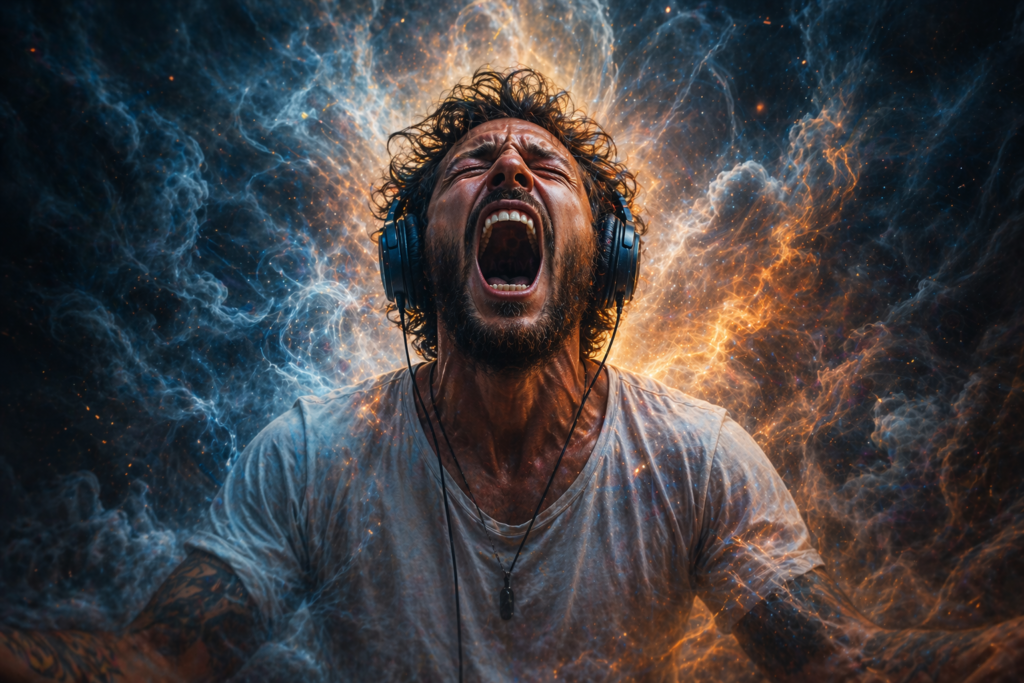
People new to breathwork are often curious—and a little apprehensive—about what unfolds in a real session. Here’s the standard class flow (with subtle variations):
Arrival & Welcome
Participants gather in a studio, on the beach, or even a conference room. Facilitators set a welcoming tone, introducing the breathwork style, class structure, and any safety guidelines. Shoes often come off, mats and blankets are laid out, and “phones away” is the rule—this is dedicated time to tune in.
Setting an Intention
Sessions typically start with a brief check-in—each person sets a personal intention or shares what brought them to class. It’s not always required to speak aloud, but the option to anchor the experience with purpose helps focus and safety.
Guided Breathing
The facilitator leads the group through a progressive warm-up, then introduces the specific breathwork pattern. Instructions are clear and repeated often; participants are reminded they can pace themselves, pause, or adjust anytime. In group settings, breath may become audible—waves of inhale and exhale echo through the room, creating a collective energy.
Music & Facilitation
Music builds the atmosphere—sometimes soft and meditative, sometimes energetic. Facilitators may offer verbal encouragement, hands-on support, or gentle cues tailored to group needs. At key points, expect reminders to hydrate, adjust posture, or check in with your body.
Emotional Release
During deeper phases, it’s common for emotions to kick up. Tears, laughter, or unexpected memories are normal side effects. “Let whatever comes up, come up”—a refrain everyone eventually hears. Facilitators provide tissues, grounding tips, or a gentle touch on the shoulder if needed.
Integration & Reflection
After the active breathing, time is left for silent rest, gentle stretching, or group sharing. The session closes with reminders about self-care, optional journaling prompts, and invitations to participate in follow-up circles or online communities.
Aftercare
The hours immediately after a breathwork session matter. Recommendations include drinking extra water, avoiding heavy social events, and, if possible, continuing restful, gentle activity. Some people notice a “hangover” of emotional fatigue or, conversely, a burst of energy and peace. The best facilitators provide aftercare tips or check-ins for sensitive participants.
What Does Breathwork Feel Like?
Describing the feeling of breathwork is like explaining swimming to someone who’s never seen the ocean—everyone’s experience varies, but common themes emerge.
Physical Sensations
Participants might notice tingling in the hands and face (“energy buzzing”), a feeling of warmth or lightness, muscle twitching, or heaviness. Occasionally, hands naturally curl into “lobster claws,” a harmless side effect called tetany when CO2 levels shift. Relaxation, groundedness, and gentle stretching sensations are the most common bodily effects.
Emotional Experiences
Emotions often bubble up—grief, joy, anger, relief. “Crying during breathwork” is common, not a sign of weakness. It often signals deep parasympathetic release as the body lets go of long-held tension. Many leave sessions feeling “lighter,” “emptied out,” or “reshuffled” emotionally.
Mental Clarity
Peppered throughout the session are moments of bright clarity—insight, sudden understanding, or the sense that brain fog has lifted. People say it feels like “mental spring cleaning.”
Spiritual Experiences
Particularly in immersive groups or extended sessions, people speak of moments of unity, peace, or contact with “something bigger.” These aren’t always dramatic—a gentle sense of being at home or a quiet message from “deep inside” is just as common as visionary experiences.
Why Every Session Is Different
The real magic—and unpredictability—of breathwork: no two sessions repeat. People come in with varying energy, life circumstances, or mental emotional load. Weather, group dynamics, and intention shift the terrain. That variability is both challenge and gift; it keeps the practice fresh, inviting a new experience every time.
Is Breathwork Safe?
Most people have a safe, positive experience in San Diego breathwork classes, especially with trauma-informed guidance. But as with any powerful practice, the critical factors are style, pace, individual health, and facilitator skill.
Common Side Effects
Tingling, lightheadedness, emotional release, muscle contractions, and “tetany” (temporary hand/facial cramping) are the most typical physical effects. These usually resolve quickly with return to normal breathing. Emotional effects may be more pronounced after intense sessions, but usually settle within hours.
Medical Contraindications
People with certain health issues (cardiovascular disease, epilepsy, history of severe panic attacks, late-term pregnancy, detached retinas, or acute psychiatric conditions) should avoid or modify some forms of intense breathwork. Always check with a healthcare provider before joining an advanced class if you have chronic or acute health concerns [editor-verified].
Who Should Avoid Certain Techniques
High-impact styles like holotropic, rebirthing, and rapid circular breathing are not recommended for those with significant physical or psychiatric vulnerabilities. Gentle or trauma-informed sessions are widely considered safer. Facilitators should always ask about conditions before starting, and participants should never feel pressured to continue a practice that feels wrong.
Finding a Qualified Facilitator
The safest classes are led by certified, trauma-informed practitioners experienced in both the chosen breathwork modality and group facilitation. San Diego’s top studios and clinics maintain up-to-date certifications and often list credentials and client reviews online. When in doubt, ask for references or a detailed explanation of the style and safety protocols before booking.
Breathwork vs Other Healing Modalities
Breathwork vs Meditation
Both practices cultivate presence, but breathwork is more active, using the body to access deeper states quickly—think of it as “fast-tracking” emotional or energy shifts. Meditation is often quieter, slower, and intended to build awareness over time.
Breathwork vs Yoga
Yoga and breathwork frequently intersect, but yoga focuses more on the body’s physical positions, with breath woven in. Breathwork drills explicitly into breath patterns to generate change, sometimes with little to no movement.
Breathwork vs Therapy
Therapy addresses thought and behavior patterns through verbal processing. Breathwork supports emotional and bodily release—sometimes surfacing issues for later talk therapy. Many find the two work synergistically, especially in trauma recovery circles.
Breathwork vs Sound Healing
Sound healing is passive, inviting relaxation and altered states through vibration. Breathwork is participatory, using internal rhythms. When combined, the two are often described as “double potent,” deepening physical and emotional effect.
Breathwork vs Ice Baths
Despite their differences, both challenge the body and nervous system, teaching resilience and calm under stress. Breathwork preparation is integral to most ice bath experiences offered locally, and many athletes swear by the combo for building mental fortitude.
Breathwork vs Psychedelic Therapy
Both are used for personal growth, trauma, and emotional release. Breathwork is more accessible, legal, and controllable; its altered states can mimic some effects of psychedelics without substances. Many people consider conscious breathing a first step or supplement to more intensive healing explorations.
How to Choose the Best Breathwork Class in San Diego
With all the buzz and options, decision fatigue is real—here’s a functional checklist for picking the perfect fit:
Clarify Your Goals
Are you after stress relief, trauma healing, performance, or community connection? The clearer you are on outcome, the easier the match. Ask yourself: “After a session, how do I want to feel?” Let that answer guide your search for local classes or facilitators.
Compare Breathwork Styles
Read class or studio descriptions carefully. Beginner? Try slow somatic or guided breath sessions. Adventurer-by-heart? Explore Soma or Wim Hof. Emotional healing? Seek trauma-sensitive classes with integration time built-in.
Group vs Private Sessions
Group classes are dynamic, social, and often more affordable—all great for first-timers. Private sessions bring individualized attention, privacy, and more pace control. If you have trauma, health concerns, or simply value discretion, go private.
Read Reviews
Skip testimonials on the studio site—look for third-party reviews, client stories on social media, or word-of-mouth from friends. Consistent feedback about safety, facilitator skill, and emotional support is what separates good from misaligned experiences.
Questions to Ask Before Booking
- Is the facilitator certified? In what modalities?
- How is safety managed (especially for trauma or health conditions)?
- Is there an intro session or beginner’s option?
- What happens if I feel overwhelmed—can I pause or regroup?
- How are emotional responses supported?
Breathwork for Specific Goals
People come to San Diego breathwork classes carrying all sorts of intentions—these are the targeted benefits participants seek most.
Anxiety Relief
Gentle breathwork, slow-paced approaches, and somatic methods are go-tos for reducing persistent anxiety. Facilitators in women’s clinics, trauma-informed studios, and functional breathwork clinics cater specifically to this need.
Stress Management
Corporate programs, drop-in group classes, and at-home breath routines have all found favor for resetting stress patterns. People report feeling less reactive, more productive, and emotionally prepared for challenges after consistent practice.
Trauma Recovery
Trauma-informed or somatic breathwork, often delivered in private or small-group settings, guides people safely into stored memories for release. The focus is on resourcing and gentle pacing, not “pushing through” big experiences without support.
Emotional Healing
Transformational and rebirthing breathwork, as well as emotional release-oriented workshops, let participants process pain, grief, anger, or even creative stagnation. Group integration and post-session care matter here.
Better Sleep
Box breathing, 4-7-8, and slow nasal breathing exercises promote relaxation before bed. Many local clinics and apps offer recorded or live guidance for at-home routines targeting insomnia or sleep disturbance.
Peak Performance
Athletes, executives, and performers use functional, Wim Hof, or Oxygen Advantage protocols to build focus, manage nerves, and power through challenge. These classes blend physical stamina with mental resilience—some call it “legal doping for the nervous system.”
Personal Growth
Spiritual seekers, creatives, and anyone in self-development circles lean into longer, immersive breathwork for deep personal exploration. These sessions aim at insight, intuition, and expanded awareness.
Self-Discovery
Sometimes, people aren’t exactly sure what they’ll find—breathwork acts as a mirror, surfacing what’s “underneath.” Guided experiences encourage curiosity, inner dialogue, and a subtler sense of self-knowing.
Breathwork Facilitator Training in San Diego
Breathwork Certification Programs
San Diego stands out for serious education—Trilogy Sanctuary, The Soul of Yoga, and independent trainers all offer multi-day intensives. Topics include breath science, nervous system regulation, trauma response, and group facilitation. Most require hands-on practice, mentorship, and demonstration of competence before awarding a certificate [1].
Trauma-Informed Breathwork Training
With rising awareness around psychological safety, many facilitators now complete non-clinical trauma training as part of their certification. These programs cover somatic techniques, de-escalation, and best practices for sensitive participants.
Soma Breath Certification
Interested in energetic, music-driven group work? Soma Breath facilitator programs are available regionally and globally, with local mentors supporting in-person practice and networking in San Diego.
Wim Hof Instructor Training
Only officially certified Wim Hof instructors are permitted to teach at sanctioned studios. Training involves online and in-person coursework, personal mastery of the method, and multi-level mentor assessment. San Diego’s affinity for the Wim Hof Method ensures easy access to guided, regulated instruction.
Who Should Become a Breathwork Facilitator?
Anyone with a serious interest in healing, teaching, or trauma care can pursue certification—but the best facilitators care deeply about ethics, ongoing education, and making the work accessible. People with psychology, yoga, athletic, or coaching backgrounds thrive in this role, but local programs welcome dedicated newcomers seeking to share authentic breathwork with their communities.
Frequently Asked Questions
What is the best breathwork class in San Diego?
There’s no universal “best,” but Breathe Degrees, Trilogy Sanctuary, and The Healing Collective frequently top local favorite lists among both beginners and experienced practitioners. The choice depends on your goals—stress relief, trauma healing, or spiritual experience.
How much does breathwork cost in San Diego?
Group classes average $25–$55, private sessions run $80–$200, and special workshops or retreats are priced higher depending on content and location. Free or donation-based community sessions are also widely available.
Is breathwork beginner-friendly?
Yes. Most San Diego studios and facilitators welcome newcomers, with dedicated beginner sessions, slow pacing, and safety education. Always mention if you’re new—facilitators are happy to provide extra support or explanation.
Which breathwork technique is most effective?
Effectiveness depends on person and purpose. For stress, slow breathing and box breathing work well. For trauma or emotional release, connected or somatic breathwork with a trauma-informed guide tends to be most impactful. Wim Hof and Soma are popular for energy and performance.
Can breathwork help anxiety?
Yes, extensive research and lived experience validate breathwork as a reliable tool for anxiety relief. Techniques that emphasize slow, steady breath and lengthened exhalations are particularly helpful [1].
Can breathwork release trauma?
Absolutely—when delivered with trauma-informed care, breathwork can access and help integrate difficult emotions or memories in a safe, non-retraumatizing way. Always choose experienced, trained facilitators for trauma-focused work.
Are there private breathwork sessions?
Yes. Certified breathwork practitioners in San Diego offer one-on-one classes, either in-home or at private offices. These sessions are completely customizable, confidential, and typically last 60–90 minutes.
Are there breathwork retreats near San Diego?
Countless options exist, from local weekend mini-retreats in Encinitas or Carlsbad, to multi-day journeys in Joshua Tree and greater Southern California. Most blend breathwork with yoga, sound, and integration practices.
What should I bring to my first class?
Comfortable clothes, water bottle, journal (optional), and a light blanket or eye mask if desired. Some studios provide mats or props, but it’s always safe to ask ahead.
How often should I practice?
There’s no fixed rule—some people benefit from weekly classes, others adopt short daily practices at home. Listen to your body, allow integration time, and consider mixing studio/community sessions with solo breathwork when convenient.
References
- Fincham GW, Strauss C, Montero-Marin J, et al. Effect of breathwork on stress and mental health: A meta-analysis of randomised-controlled trials. Sci Rep. 2023;13:432. doi:10.1038/s41598-022-27247-y.
- Myerholtz L. Take a Deep Breath. Family Medicine. 2023;55(4):284–285. doi:10.22454/FamMed.2023.731271.
- Locally Well San Diego. The Ultimate Guide to Breathwork in San Diego. https://www.locallywell.com/guide-breathwork-san-diego/ Accessed 2026.