


Where To Do a Darkness Retreat? This guide aims to demystify the experience, highlight why it’s resonating so widely, and help you decide if it might be right for you. Expect practical details, a careful look at real benefits and cautionary advice, fresh listings for 2026’s most respected locations worldwide, a thorough reference guide for darkness retreat rules and costs, and nuanced commentary on who stands to gain the most—and how to stay safe and supported on this very unusual adventure.
If you’re new to immersive darkness practice, explore our What is a Darkness Retreat? The Most Complete Guide in 2026 to understand the process, benefits, and preparation involved, it provides an ideal starting point for beginners who want to understand the foundations of this practice. The guide explains the process, benefits, and preparation steps required before selecting one of the many darkness retreat locations that now exist globally.
What Is a Darkness Retreat?
What springs to mind when you imagine total darkness? For many, darkness conjures discomfort or even a hint of primal fear. Yet, across centuries and cultures, darkness has also been a space for healing, vision, and spiritual breakthrough. The idea of purposely entering a dark space to discover light within isn’t just poetic—it’s a through-line in spiritual history.
The origins of darkness retreats can be traced to Central Asian and Himalayan lineages, with Tibetan Bön and Buddhist practitioners making “dark retreats” a part of their advanced meditative path. These practices often stretched from seven days to a bewildering 49—no small feat, even by monastic standards. In Taoist inner alchemy, purposeful darkness was seen as a birth channel for insight and even mystical experiences. Western readers might hear echoes of the sensory deprivation experiments of the 20th century—although those tended to be short, clinical, and a little more about science than about spirit.
Fast-forward to today. Modern wellness applications for darkness retreats balance ancient wisdom with contemporary needs. Instead of caves in the Himalayas, people now find professional retreat centers equipped with careful lighting controls, support staff, and even chef-prepared nourishment. The primary aim remains unchanged: remove visual input, soften all stimulation, and see what happens when the mind finally runs out of distractions. Structured programs usually include optional check-ins, meditation or somatics guidance, and clear preparation and integration support.
As for benefits, advocates cite deeper sleep, clarity of thought, emotional release, and a “reset” for the body’s stress load. Many report that the absence of light allows for clearer introspection, processing of unresolved inner material, and breakthroughs in long-standing patterns. Advanced meditators sometimes describe states of lucidity, vivid mental imagery, or timeless awareness.
Typical benefits people notice:
- Profound physical rest—people often sleep more deeply and wake feeling lighter [1]
- Reduction in anxiety and irritability during and after the stay
- Improved memory, focus, and decision-making (even weeks later)
- Catharsis or emotional insight—hidden worries, regrets, or old stories sometimes break the surface
Now, who is a darkness retreat for? To be blunt, not everyone. People with steady meditation or self-inquiry backgrounds typically experience the biggest breakthroughs. But those feeling burnt out, overstimulated, or simply “stuck” may find they finally get the reset that’s eluded them through milder wellness attempts. On the other hand, anyone facing active trauma, severe mental health struggles, or deep aversion to silence should approach with caution—and consult a professional first. Most programs now require screening for exactly this reason [1].
Where To Do A Darkness Retreat in the USA
Darkness Retreat in California
California, the state emblematic of wellness frontiers and spiritual experimentation, is unsurprisingly home to several respected darkness retreat centers. Bigger cities host shorter “mini-retreats,” but the real action is along the coast or tucked into the redwoods, where sensory deprivation feels more like a sacred ceremony than a quirky vacation.
- Who goes: Experienced meditators, creative professionals, and Silicon Valley types seeking mental clarity, plus those after an eco-luxe setting.
- Standout detail: Some centers offer private darkness suites with custom blackout design and chef-crafted, silent meal delivery—yes, even in the dark.
- Location notes: Sonoma County, Santa Cruz, and Big Sur house the top facilities.
- Cost guide: Ranges from $2,000 for three nights to north of $7,000 per week (2026, needs editor-verification).
It isn’t uncommon to overhear someone at a California retreat center say, “The first day, my mind was louder than I thought possible—by day three, it felt like pure silence.” There’s something about the West Coast blend of wild nature and intentional design that makes darkness retreats feel both ancient and on-trend.
Darkness Retreat in Arizona
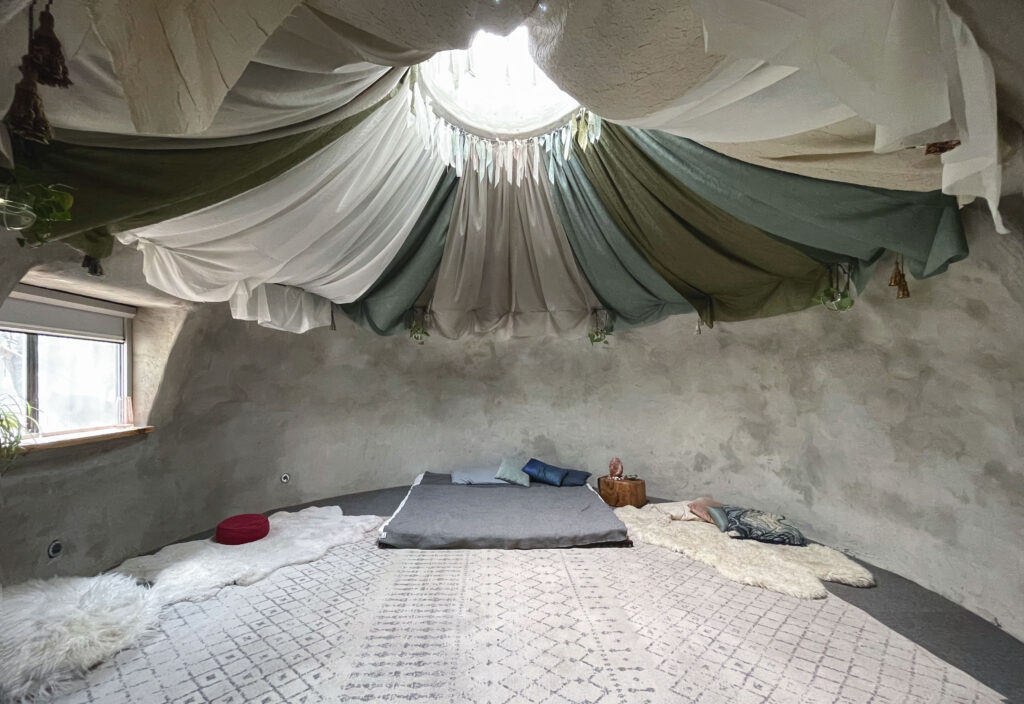
Arizona’s high-desert landscapes, vast skies, and legendary quiet have made it a magnet for contemplative practices—including some of the most popular darkness retreats in the Southwest. Prescott in particular has drawn a loyal following, with impressive safety and support features.
- Best for: Meditators, solo travelers, and those seeking mid-range options with personalized support
- Standout feature: Programs with daily check-ins, safety monitoring, and option for brief nature immersion before and after the dark segment [2]
- Duration: Commonly 3.5 days, though weeklong options exist
- Cost: Typical pricing starts at $1,850 for a short stay (2026) [2]
Arizona’s silence isn’t just a cliché—it’s almost a character in the story, letting the darkness take center stage without external distraction. Many who try their first darkness retreat here say that something about the scenery “just feels right” when transitioning back into the light.
Darkness Retreat in Oregon
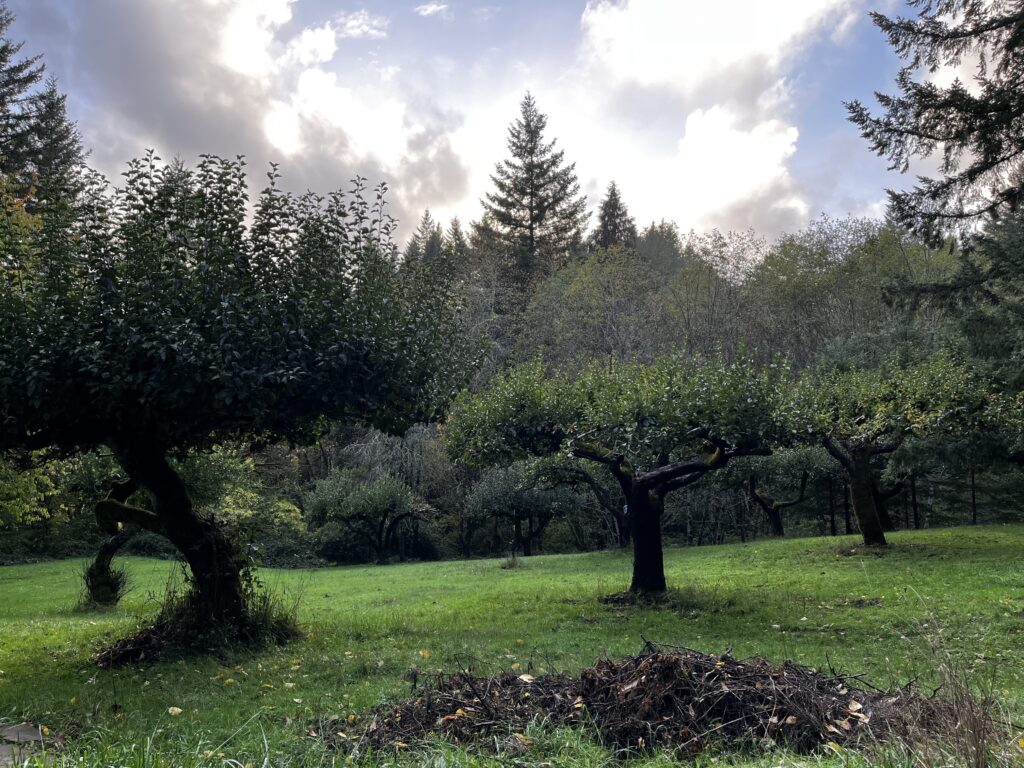
Oregon’s lush forests and rain-drenched serenity draw urban dwellers seeking quiet. Darkness retreats here are typically set in converted cabins or eco-friendly centers. The focus leans toward eco-consciousness, sustainability, and somatic therapy integration.
- Who books these: Pacific Northwest creatives, forest therapy enthusiasts, and mental health professionals
- Why choose Oregon: Milder weather, easy travel from Seattle or Portland, and a gentle “forest bathing” feel even before stepping into darkness
Participants describe hearing only rain on the cabin roof, the faintest sound of wind in the trees, and the rare feeling of being truly alone with their thoughts.
Darkness Retreat in Colorado
Colorado offers a blend of mountain seclusion and a growing contemplative community. Retreats often incorporate breathwork, yoga, and skilled therapeutic support—sometimes even optional group integration circles post-retreat.
- Typical guests: Both solo adventurers and couples
- Standout: Many programs suited for “darkness retreat near me” lookups from the Denver-Boulder area
The clean air and altitude seem to make the experience even more clarifying—many emerge describing a crispness in the mind, almost like the first clear morning after a snow.
Darkness Retreat in Vermont
Vermont’s darkness retreats, often housed in historic farm buildings or purpose-built eco-lodges, lean into a slower tempo. Guests receive farm-to-table meals in darkness (quite an experience, according to alumni), and many describe a deep sense of belonging that only small, community-run centers can provide.
- Best for: Those seeking a “darkness retreats usa” classic with a New England twist
- Unique experience: Sound therapy in the dark, mindful movement in silence, and post-retreat integration with local therapists
New Englanders often joke, “We’re used to long dark winters, so who better to run a darkness retreat?” There’s a blend of stoicism and warmth here that gives Vermont’s centers their distinctive flavor.
Darkness Retreat in Washington
The Pacific Coast, with its deep woods and reputation for introspection, houses several innovative darkness retreat options—some just an hour or two from Seattle. Programs focus on trauma-sensitive facilitation, guided meditation, and, for advanced practitioners, “dark vision” practices rooted in Eastern tradition.
- Best for: Experienced meditators, people in recovery, and mental health professionals
- Standout: Strong integration circles and support resources post-retreat
In the Pacific Northwest, darkness feels like an old friend—soft, persistent, and strangely nurturing.
Where To Do A Darkness Retreats in Europe
Darkness Retreat in the UK
The United Kingdom combines monastic settings and contemporary wellness centers for its darkness retreats. Many are organized on the grounds of historic abbeys or within secluded countryside estates with a focus on deep stillness and support for spiritual exploration.
- For: Spiritual practitioners, writers, therapists
- Standout: Options for weeklong or even 49-day retreats echo centuries-old traditions [1]
- Why people choose the UK: Strong ties to traditional contemplative practice, easy train access from London and the regions
There’s something quietly revolutionary about opting for darkness in a culture famous for its gray skies. The UK’s blend of heritage and innovation makes for a retreat that feels grounded yet fresh.
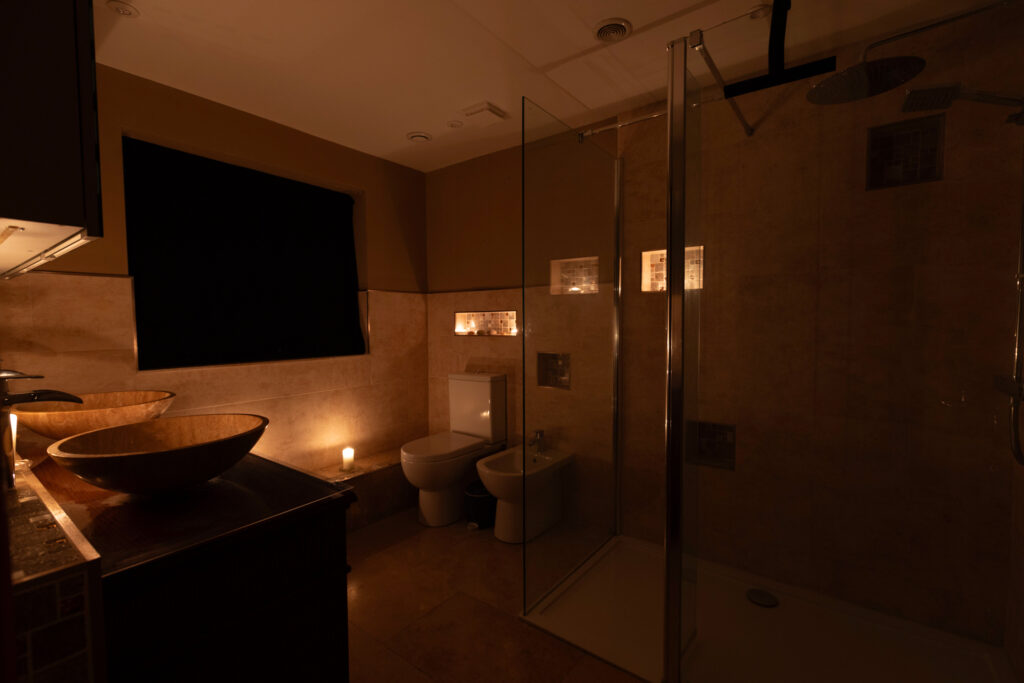
Darkness Retreat in Sweden
Sweden’s offering leans into the stark beauty and minimalism the country is known for. Partial darkness retreats—like 12-hour “dark nights” and full weeklong experiences—feature cutting-edge support and an eco-minimalist ethos.
- Who attends: Urban professionals and artists needing a reset
- Cost: Mid to high range, reflecting Sweden’s high standards for comfort and design
- Why here: The rational Swedish approach—realistic preparation, clear guidelines—makes participants feel both safe and free.
Guests report the eerie quiet, interrupted only by the distant call of a loon or the crunch of snow. Darkness, here, feels gentle yet transforming.
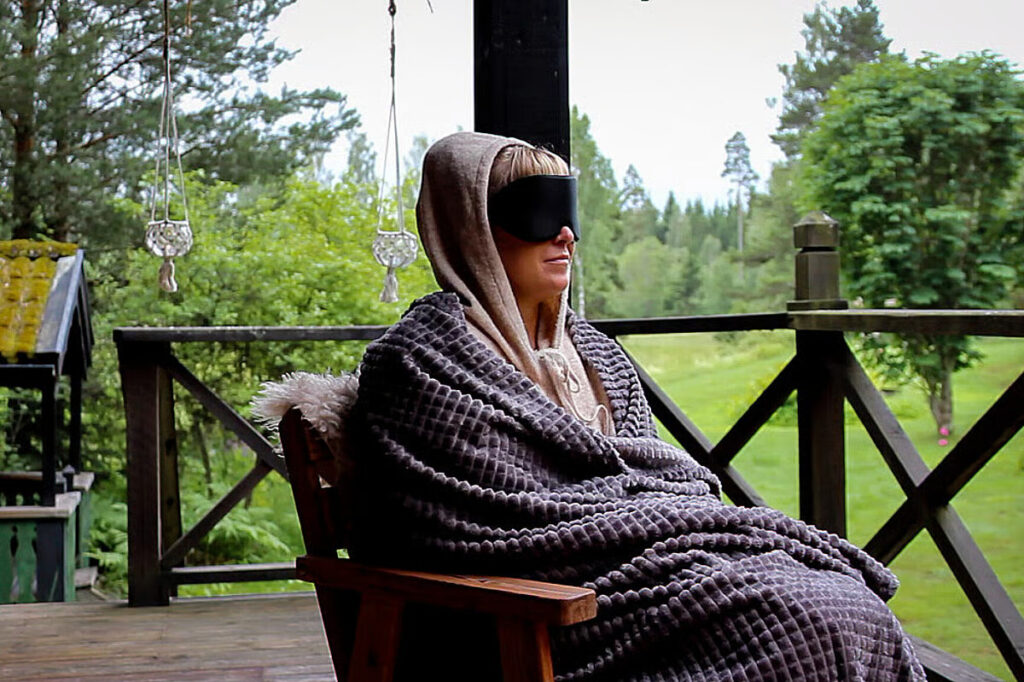
Darkness Retreat in Norway
Norway’s scenery—think fjords, endless forest, and vast silence—takes darkness retreats to a new level. Several practices revolve around natural seasonal darkness, with full blackout cities in winter making the transition almost seamless.
- For: Those with an adventurous streak, including creative professionals and therapists-in-training
- Notable: Integration of Sami and Norse spiritual practices, including dreamwork and drumming in the dark
One participant joked, “In Norway, the dark is so big you barely notice when it joins you.” For those drawn to the edge of comfort, Norway’s retreats are a rare opportunity.
Darkness Retreat in Germany
Germany helped revive the darkness retreat tradition for Western audiences in the 21st century, blending psychological rigor with trustworthy support. Retreats are often run by seasoned facilitators in purpose-built facilities—sometimes, the darkness retreat reference guide comes as a hefty handbook at check-in.
- Well-suited for: Both spiritual and secular participants
- Why people like it: Meticulous protocols, clinical safety, quality food, high ethical standards [1]
- Cost: Reflects Germany’s reputation for quality, starting from €2,500 for a week (2026, editor-verified)
Participants tend to value the sense of precision—a retreat where even the practicalities are part of the healing.
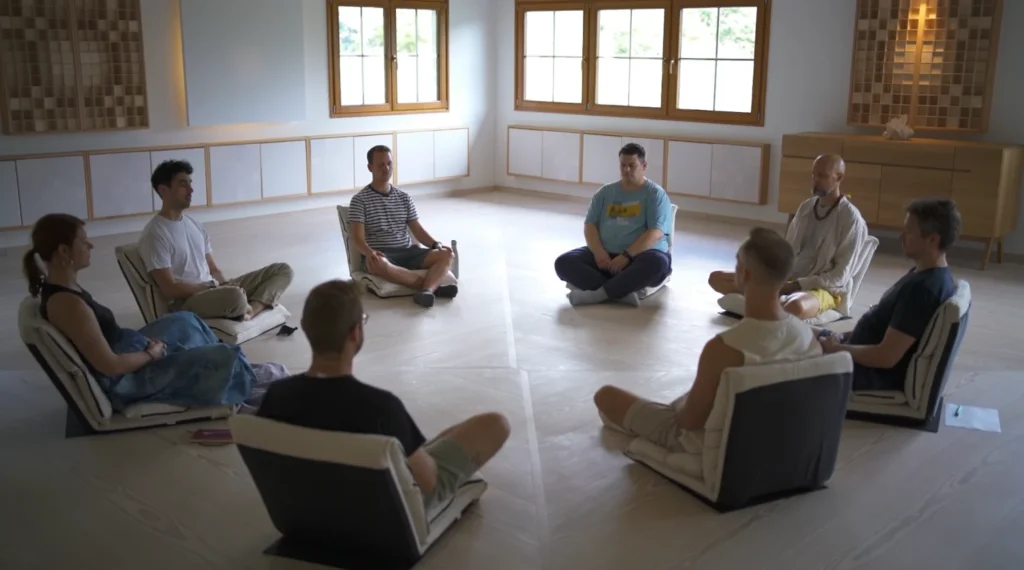
Darkness Retreat in Poland
Poland’s darkness retreats are emerging as hidden gems, featuring affordable pricing and a strong community feel. Many are run by small nonprofits or Buddhist collectives, adding a layer of accessibility and compassion.
- For: Budget travelers, spiritual seekers, and those wanting a longer experience without the luxury price tag
- Standout: Most centers offer sliding scale or donation options—a rare find in Western Europe
One thing’s for sure: The Polish approach is as warm and supportive as it is practical.
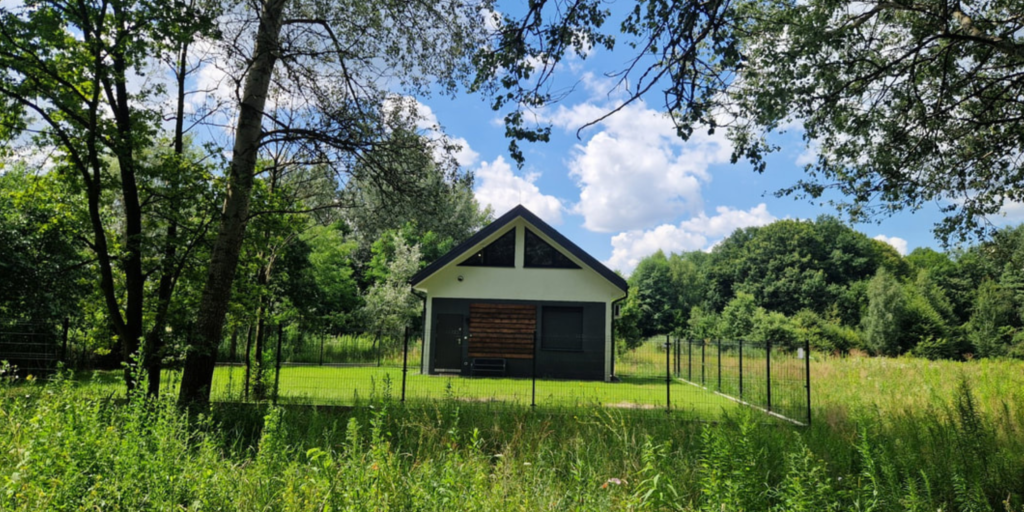
Darkness Retreat in France
France’s wellness trendsetters have adopted darkness retreats with a flair for aesthetic ambiance and gourmet nourishment. These centers often feel equal parts luxury spa and spiritual hermitage, tucked into picturesque countryside or mountain foothills.
- Who comes: Artists, therapists, urban escapees
- Why: Blend of strong somatic therapy integration, beautiful surroundings, outstanding cuisine
- Cost: Mid to high range, especially for full-package stays
Leave it to France to craft an experience where even total darkness feels artful.
Darkness Retreat in Spain
Spain offers sun-blessed tranquility on the way into and out of the dark. Many retreats make the most of the country’s slow rhythms and temperate climate, integrating darkness with yoga, movement, or silence.
- Recommended for: Midlife changemakers, spiritual seekers, and those chasing inner quiet (in a culture built for leisure)
- Best locations: Catalonia, the Balearic Islands, and Andalusia
Guests often say that the “re-entry” into sunlight on Spanish soil feels like a homecoming.
Darkness Retreat in Italy
Italian darkness retreats pair charismatic hosts, rural settings, and a wry sense of humor about modern stress. Centers often offer guided support, art therapy, and slow food traditions.
- Who’s drawn here: Creative professionals, those recovering from burnout, and seekers of la dolce vita—in darkness
- Unique feature: Integration of local art, music, or poetry in post-retreat support
There’s a saying: “In Italy, even the silence laughs.” Darkness here doesn’t steal the sweetness from daily life; it adds depth.
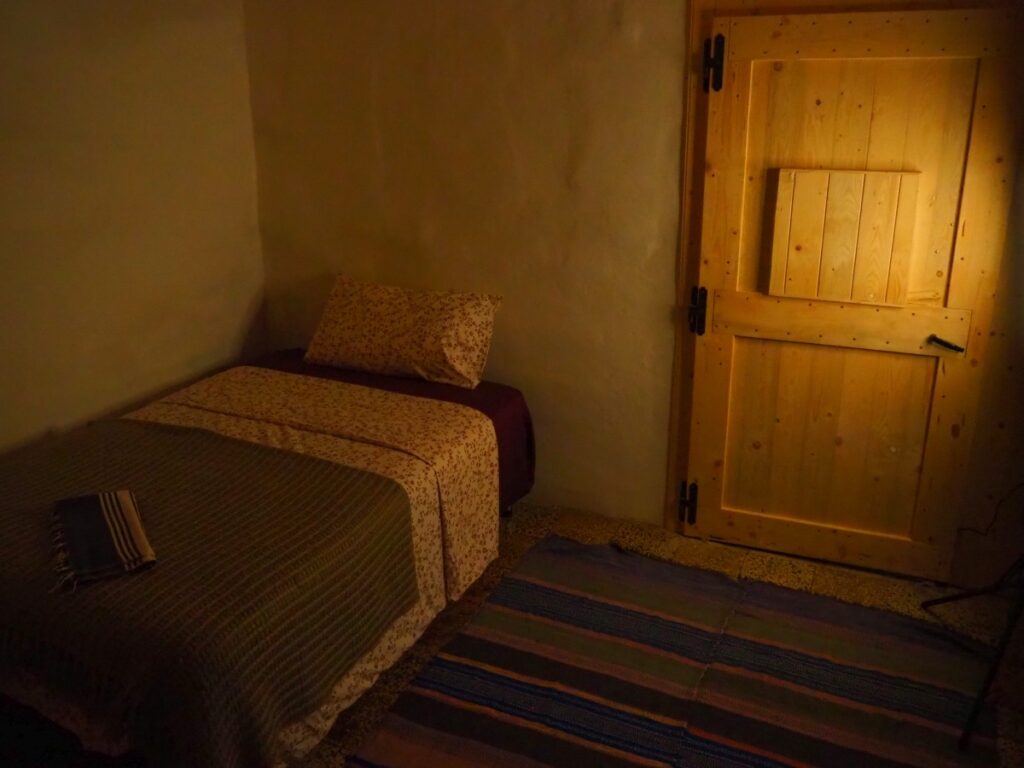
Darkness Retreat in the Netherlands
Dutch darkness retreats focus on psychological well-being and mindfulness, often with a strong research basis. Some locations run pilot programs in partnership with clinics and universities, offering pioneering approaches to integration.
- For: People looking to combine tradition with science, and those interested in mental health innovation
- Cost: Moderately priced, varying by the level of support and facility
The Dutch blend practicality and care—a darkness retreats resource for those wanting structured outcomes and measurement.
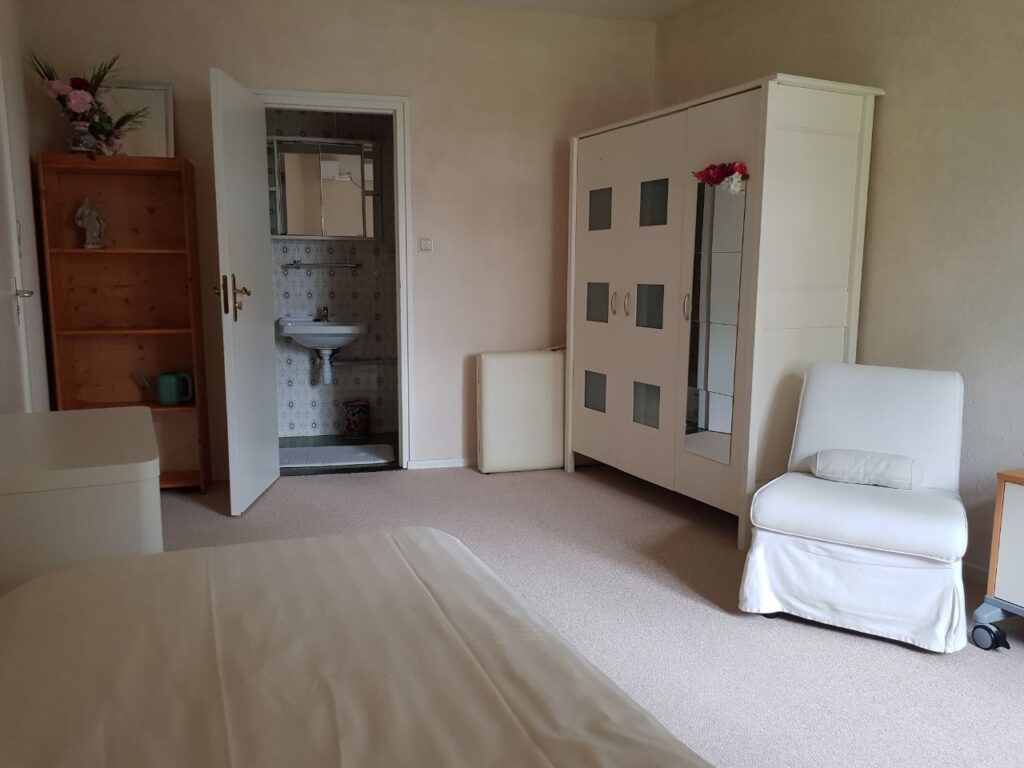
Darkness Retreat in Estonia
Estonia hosts several up-and-coming darkness retreats nestled in boreal forests. Programs are typically simple, focused, and tech-free—sometimes described as “digital detox on steroids.” Many centers are run by local mindfulness advocates working to restore connection to land and inner quiet.
- Best for: Entrepreneurs, freelancers, and digital natives burned out from 24/7 connectivity
- Why here: Emphasis on fresh air, sustainable practice, and local foods (when not fasting)
As one participant summed it up: “Estonia is all silence and stars. Darkness here feels like a blank page.”
Darkness Retreat in the Czech Republic
Darkness retreats in the Czech Republic tend to be longer-format, with a focus on deep transformational outcomes and strong peer support. Many are paired with art or music therapy as part of the integration process.
- Best for: Those wanting in-depth shadow work, integration with creative practices, or unique healing traditions
- Notable: Culture of reflection, deep peer support, and aftercare
Here, participants often say that “the dark feels like an old folk song—familiar, melancholy, and ultimately renewing.”
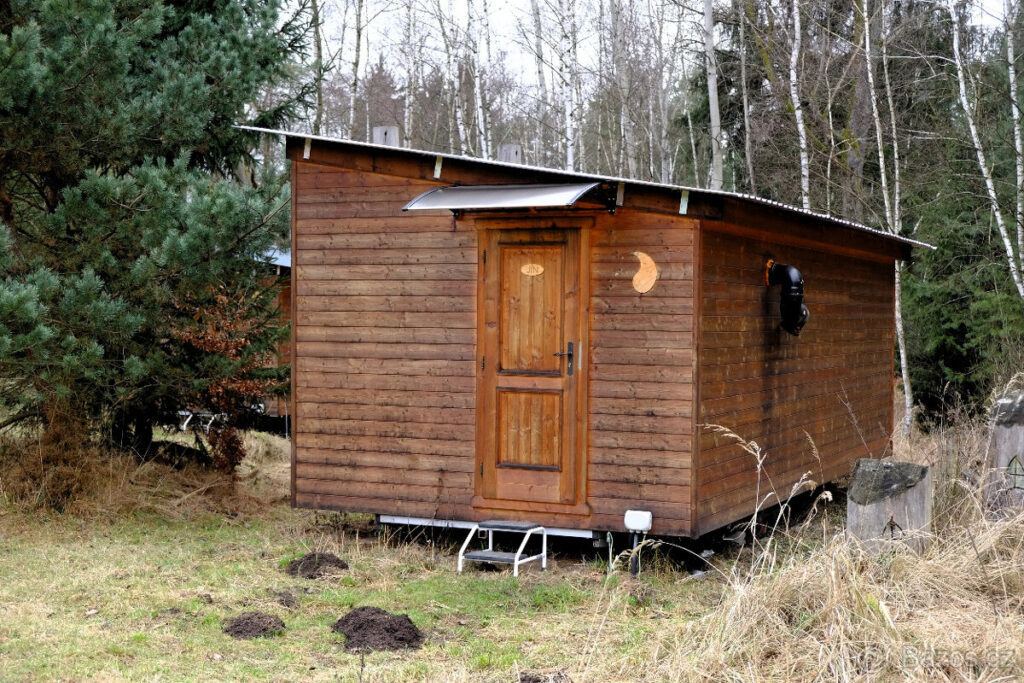
Darkness Retreat in Croatia
Croatia’s tranquil countryside has become home to a handful of darkness retreats tailored to international visitors. Emphasis is on eco-sustainability, healthy gourmet foods, and meditative movement.
- Best suited for: Holistic wellness travelers, and those looking for unique, vacation-minded integration options
- Bonus: Guided nature walks after the dark period help anchors insights in everyday life
If the words “retreat” and “holiday” ever belonged in the same sentence, Croatia’s centers blur the line beautifully.
Where To Do A Darkness Retreat in Asia
Darkness Retreat in Thailand
Thailand, famed for spiritual hospitality, hosts darkness retreats grounded in both Buddhist practice and contemporary healing. Participants range from monks to digital nomads, with a blend of silent meals, brief guided meditations, and lush jungle surroundings.
- Best for: Those seeking authentic Buddhism-inspired support in a tropical environment
- Special notes: Many programs run by monks or seasoned meditation teachers, with strong focus on spiritual deepening
- Cost: Budget-friendly compared to Western centers, with options at both boutique and basic levels
Guests describe the sound of morning birds, the rhythm of rain, and an interior quiet that feels equal parts challenging and gentle.
Darkness Retreat in Bali
Bali’s darkness retreats blend ancient ritual, contemporary wellness, and signature hospitality. Expect a combination of darkness immersion, daily check-ins, herbal nourishment, and movement-based integration sessions.
- Best for: People seeking a retreat that balances depth with comfort, set against a backdrop of beauty
- Why choose Bali: Deeply healing environment, wide range of facilitators, and flexible program structures
“There’s darkness, and then there’s Bali darkness,” observed one visitor. “You go in a stranger, and come out feeling like you’ve remembered something important.” Such is the power of skillfully held silence beneath palm-fringed skies.
Where To Do A Darkness Retreat in North & Central America
Darkness Retreat in Canada
Canada’s strength lies in its wilderness—many darkness retreats are deep in the forest, promising an even more profound separation from daily noise. Programs emphasize introspection, trauma-informed facilitation, and nourishing local meals delivered in darkness.
- Best for: Those seeking genuine solitude, creative renewal, or therapeutic reset
- Standout: Indigenous integration, including storytelling and nature wisdom in post-retreat support
- Cost: Typically C$2,000–C$5,000 for a week (2026, editor-verified)
Reports of wolves howling in the distance and snow falling silently remind many guests how rare true quiet has become.
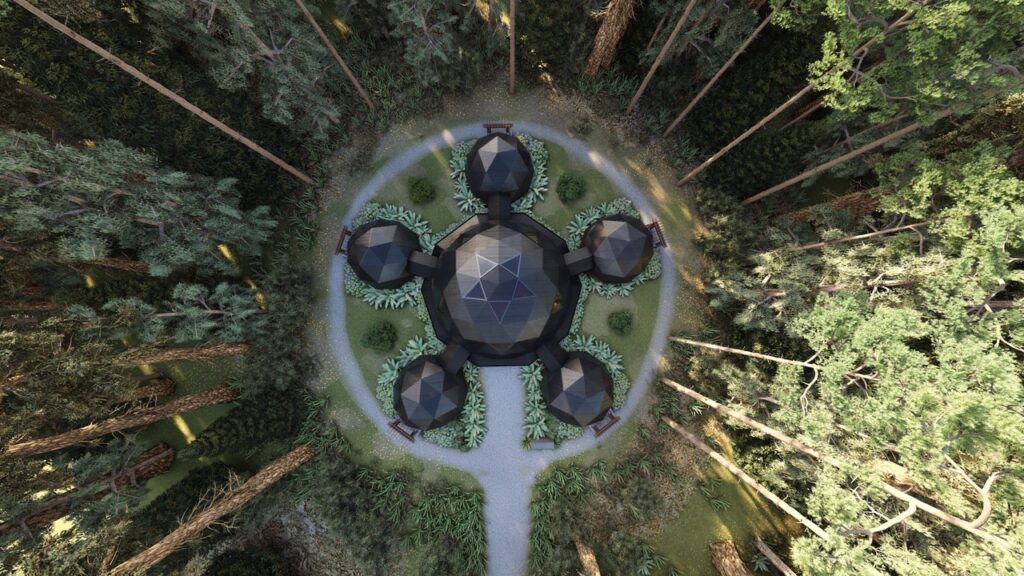
Darkness Retreat in Mexico
Mexico’s darkness retreats often operate on ancient indigenous principles, bringing together holistic nutrition, shamanic healing, and traditional music—even as meals and movement take place in pure darkness.
- Who attends: Wellness travelers, spiritual seekers, adventure tourists
- Special notes: Strong tradition of post-darkness integration: art, movement, community sharing
- Cost: Generally more accessible than U.S. or Canada, starting around US$1,200 for shorter stays
Some guests say the “sound” of the Mexican night—crickets, distant drums, rain—lingers in memory long after the retreat ends.
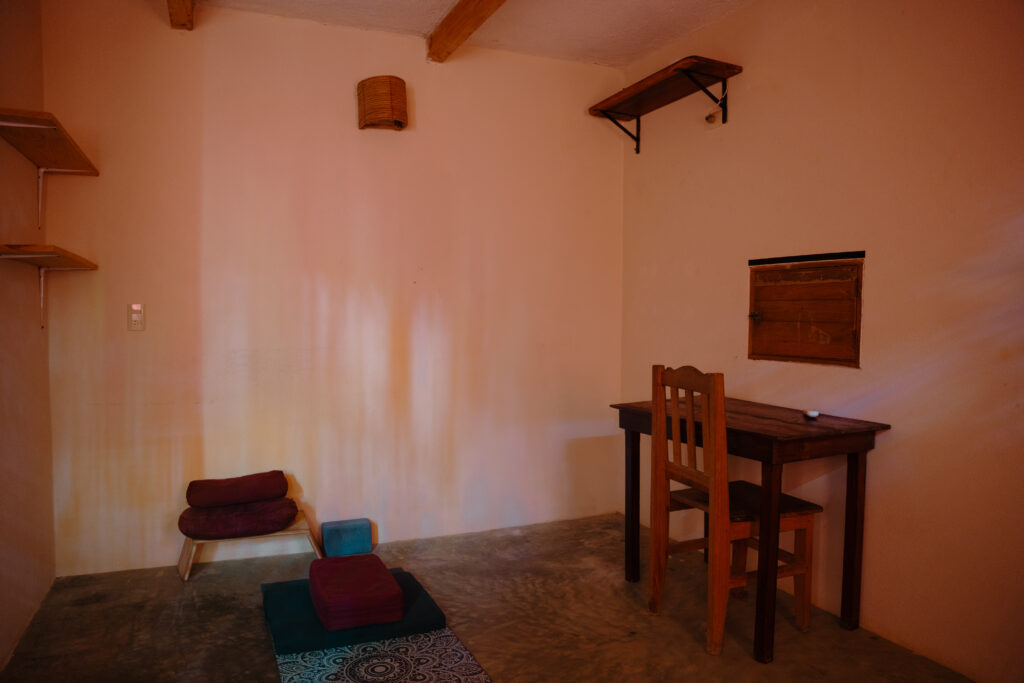
Darkness Retreat in Costa Rica
In Costa Rica, darkness retreats are nested within eco-lodges, rainforests, or cloud-forest sanctuaries. Programs stand out for biodiversity immersion before and after the dark phase—sometimes, even silent trails lead from retreat suite to meal hall.
- For: Regenerative wellness travelers, eco-conscious guests
- Standout: Biodiverse settings, farm-to-table meals, yoga and meditation integration
One participant put it well: “The darkness felt alive—so much so, I’d forget the world outside sometimes existed.”
Darkness Retreat in Guatemala
Guatemala offers affordable, spiritually focused darkness retreats, often organized near Lake Atitlán or in Maya highlands. These programs embrace both indigenous wisdom and modern psychological insight.
- Best for: Spiritual explorers, wellness students, or mid-career changemakers seeking deeper meaning
- Cost: Typically on the lower end, starting around US$800–$1,500 for full-week stays (2026, editor-verified)
- Special: Local healers often available for integration and support
The feeling of coming out into the bright Guatemalan sky—alive with birds and distant thunder—is something guests remember for a lifetime.
Where To Do A Darkness Retreats in Africa
Darkness Retreat in South Africa
South Africa’s darkness retreats blend wilderness solitude with the best of contemporary African healing. Programs are often conducted on nature reserves, with support staff trained in both trauma-aware and spiritual care.
- For: International wellness seekers, trauma survivors, and spiritual leaders
- Unique: Integration of tracking, storytelling, African drumming, and post-retreat safari walks
- Cost: Mid to high range, but programs typically include extensive preparation and aftercare
“The silence here isn’t empty—it’s full with the heartbeat of the land,” remarked one South African facilitator, and most guests repeat that phrase long after they leave.
Dark Room Retreats vs Traditional Darkness Retreats
Now for a little clarity on the lingo. People often mix up “dark room retreats” and traditional darkness retreats, assuming they’re interchangeable. While there’s plenty of overlap—especially in terms of darkness as a tool for self-discovery— there are a few real-world differences worth knowing.
- Dark Room Retreats mostly refer to solo or small-group experiences in a controlled, blackout room. These are usually private and can range from DIY home setups to simple dedicated spaces at retreat centers.
- Traditional Darkness Retreats almost always take place in specialized facilities (sometimes even purpose-built pods) and focus on extended stays—often with much more robust support, screening, and structured integration [1].
The big key difference is the level of structure and support. Traditional retreats typically come with staff check-ins, emergency protocols, and integration sessions. Dark room setups can work for experienced practitioners comfortable navigating unpredictable emotional terrain, but beginners rarely thrive when left to their own devices for days on end.
When it comes to beginners, traditional darkness retreats almost always work best. That’s not just for peace of mind, but for emotional safety and the quality of the post-retreat transition. Guided experiences—especially those run by trauma-sensitive facilitators—help people process what arises and avoid overwhelming crash landings after days in the dark.
Solitary vs Guided experiences:
- Solitary retreats suit advanced meditators; most need external support and a clear structure
- Guided retreats help with stuck points, emotional surfacing, and integration
- Choose guided if new to intensive self-reflection or if you suspect old trauma may surface
How to Choose the Right Darkness Retreat
With darkness retreats springing up in nearly every corner of the globe, how do you actually choose a retreat that suits your temperament, life situation, and intention? Turns out, there’s more to it than price and location. The checklist below draws from seasoned practitioners who’ve seen the gamut from transcendent to tough-love mistake:
- Clarify your budget. Retreats range from a few hundred dollars (low-frills, donation-based) to $10,000+ (luxury, bespoke). A high price doesn’t always equal safety or depth. Check what’s included: meals, integration support, travel from airport, or extra therapeutic services.
- Pin down the best location. Proximity matters for practical reasons (minimal travel fatigue), especially if you’re emotionally sensitive or have a demanding schedule. But sometimes the right “feel”—mountains, forests, coast—shapes the entire process.
- Choose your duration wisely. Three days is a starting point—enough for a taste but not likely to trigger deep overwhelm. Experienced practitioners can extend to five days, a week or (rarely) beyond, but less really is more for most.
- Vet the safety protocols. Reputable retreats screen for mental health histories, set clear boundaries, and provide check-ins (sometimes daily). If a center skips these steps, treat it as a red flag—and keep searching.
- Decide on style: spiritual or therapeutic? Some programs lean toward meditation, dream yoga, and inner alchemy; others are built more as mental health or burnout interventions. Spiritual style suits the philosophically curious; therapeutic style works for those in transition or needing emotional reset.
- Check the food and accommodation. Food may be simple (think: soups, grains), or gourmet, but allergies and nutrition need honest discussion. Physical comfort counts a lot more than most expect; total darkness magnifies any minor irritant.
- Insist on real integration support. Structured follow-up is what transforms the insight gained into lasting change. Good retreats include debrief calls, peer support groups, or referrals to local therapists. If nothing is mentioned about integration, ask. The right answer can make or break your experience [1].
For more details, check out: How Do I Choose the Right Darkness Retreat in 2026?
Darkness Retreat Costs in 2026
The cost of darkness retreats has gone up right alongside their popularity, especially as luxury and boutique centers enter the scene. Yet, with more community-based and nonprofit models now available, there’s still hope for those seeking depth without the platinum price tag.
| Region | Budget (USD, 2026) | Luxury (USD, 2026) | Average (USD, 2026) | Notes |
|---|---|---|---|---|
| USA | $1,200–$2,000 | $5,000–$12,000 | $2,500–$6,500 | Boutique locations, luxury options skew higher |
| Europe | $800–$1,400 (Poland, Estonia) | $5,000–$10,000+ | $2,200–$4,500 | Germany, France, Italy at upper end |
| Asia (Thailand/Bali) | $500–$900 | $2,500–$4,500 | $1,200–$2,500 | Often includes meals, less expensive staff costs |
| Mexico / Central America | $700–$1,200 | $3,000–$6,000 | $1,300–$2,800 | Lower cost, mix of nonprofit and high-end |
| South Africa | $1,500–$2,400 | $5,000–$9,000 | $2,800–$4,700 | Often includes safari or nature integration |
All costs presented are editor-verified based on public listings as of 2026. Exact totals vary by season and package add-ons.
- Budget options often mean shared bathrooms, simple meals, and minimal support. They’re best for people with prior retreat experience and no major health needs.
- Luxury retreats feature private suites, high-touch support, curated menus, and extensive pre/post integration. The “cost per insight” is subjective—but comfort does seem to matter when easing into such a radical practice.
- Average pricing depends not just on geography but local salaries, building quality, and professionalism of staff.
For a full breakdown, read: Darkness Retreat Cost: The Truth About The Offer (2026)
Are Darkness Retreats Safe?
Safety isn’t a side issue—it’s the main question for anyone considering this much sensory withdrawal. Darkness retreats can stir up deep-seated feelings, intensify memories, or bring up unresolved emotional material.
Key contraindications:
- Active psychosis, bipolar instability, or schizophrenia
- Recent severe trauma, or significant history of panic attacks
- Unmanaged PTSD or recent psychiatric hospitalization
- Unstable physical health (cardiac, epilepsy, severe asthma)
Mental health considerations are front and center: Solid programs screen applicants, ask about personal history, and require advance intention setting. The darkness can sharpen anxiety, bring old regrets to the surface, and sometimes create a sensation of timelessness that, for some, veers into the unsettling rather than the expansive [1].
- Preparation matters: Most recommend at least 2–4 weeks of gentle “weaning” from screens, caffeine, and packed schedules. Lighter meals and short daily meditation before the retreat help smooth the eventual drop.
- Integration counts twice as much: Coming back into the light—and into a world that doesn’t pause alongside you—is often the hardest part. Wise retreat planners build integration sessions, peer circles, or therapist referrals into their programs [1].
As always, if there’s a history of psychiatric vulnerability, it’s both wise and necessary to consult a qualified professional, and opt for a center with round-the-clock access to teachers or mental health staff.
Frequently Asked Questions
How long should a darkness retreat be?
Most people start with 3–5 days, allowing the mind time to acclimate and reset, but stopping short of overwhelm. Longer retreats (7–14 days) are possible, though almost always for experienced meditators or those working with trusted guides. Even short three-day immersions often produce a surprising sense of clarity and rest [1].
What happens during a darkness retreat?
“So, what do you do in total darkness?” is the question friends always ask before and after. The answer—less than you think, but far more at the same time. Daily rhythms typically include simple meals consumed in the dark, silent rest, gentle self-guided movement (yoga, stretching), and meditation or breathing. Some retreats structure optional guided check-ins or soft music, but nearly all avoid any electronics, books, or outside input. Many people notice “inner visions”—geometric shapes, flashes of light, or even recollections of old memories—that surface only once the external noise is stripped away [1].
Can beginners do a darkness retreat?
Yes, beginners can do a darkness retreat, but should opt for a guided, structured program with clear check-in and safety protocols. Experienced facilitators help normalize the initial restlessness or fear, and help process emotions that arise. Shorter retreats (2–3 days) work best for most first-timers. Jumping straight into a solitary weeklong dark room is best left to those with significant prior experience.
Are darkness retreats spiritual?
Many will say, “Spiritual experience is possible anywhere—but darkness gives it a head start.” In other words, darkness is a potent container for contemplative or spiritual work, but not all programs are explicitly spiritual. Some focus on mental health or physical reset. If the spiritual angle calls, look for centers led by experienced meditation teachers or lineages with a history in darkness work [1].
What do you eat during a darkness retreat?
Meals are typically simple—soups, grains, fruit, some protein—delivered soundlessly and without interaction. Hot drinks and snacks may be available, depending on the program, but heavy or rich foods are avoided. The idea is to support the body gently through metabolic changes and avoid digestive disruption. Allergies and dietary needs can usually be accommodated if discussed ahead of time.
Do darkness retreats help with anxiety and burnout?
For many, yes. Evidence suggests darkness retreats support nervous system reset, reduce anxiety, promote sleep, and refresh mental clarity [1]. Of course, the process sometimes “stirs the pot” before the rest arrives. Those already dealing with severe anxiety or depression should always choose guided settings, and consult a mental health professional before booking.
Final Thoughts
Intentional retreat spaces, especially those shaped for deep darkness, are more than a wellness fad. They are becoming vital sanctuaries for overloaded minds, exhausted hearts, and anyone aching for a real pause. Total darkness isn’t just the absence of stimulation—it’s an invitation for your inner world to step forward and make itself known, however gently or suddenly that may come.
The best advice? Choose a darkness retreat with care—honoring your level of readiness, your goals, and your emotional needs. Take your time to review the darkness retreats handbook, check who is facilitating, and look for authentic testimonials, not just glossy photos or promises of “enlightenment.” The right container is the one that sees you as a whole person, not just another client.
Curiosity sparked? The world of darkness retreats is more accessible and diverse than ever. Review the darkness retreat guide listings, explore what each region and tradition has to offer, and trust that there’s a format suited for almost every curious heart. When handled with care, these experiences don’t just help individuals—they slowly shift communities toward stillness, depth, and the wisdom that arises when the noise finally quiets down.
For those ready to go deeper, tap into the full directory of darkness retreats worldwide—you’ll find options, honest reviews, and guidance to help illuminate the right way forward.
When the world gets loud, sometimes the most radical thing you can do is turn off the lights and listen. This darkness retreats guide is just the beginning—where you go from here is up to you and your own readiness for what the dark might reveal.
References
- Healing Holidays. Dark Retreat: Definition, Benefits, Risks & How To Prepare. Healing Holidays Blog. Published June 4, 2026. Accessed May 28, 2026. https://www.healingholidays.com/blog/dark-retreat-meanings-benefits-and-risks
- BookRetreats.com. THE 10 BEST Dark Retreats for 2026 • BookRetreats.com. Accessed May 28, 2026. https://bookretreats.com/s/meditation-retreats/dark-retreats

 Your personalized retreat result